
N.ö. Findelhaus — History & Facts
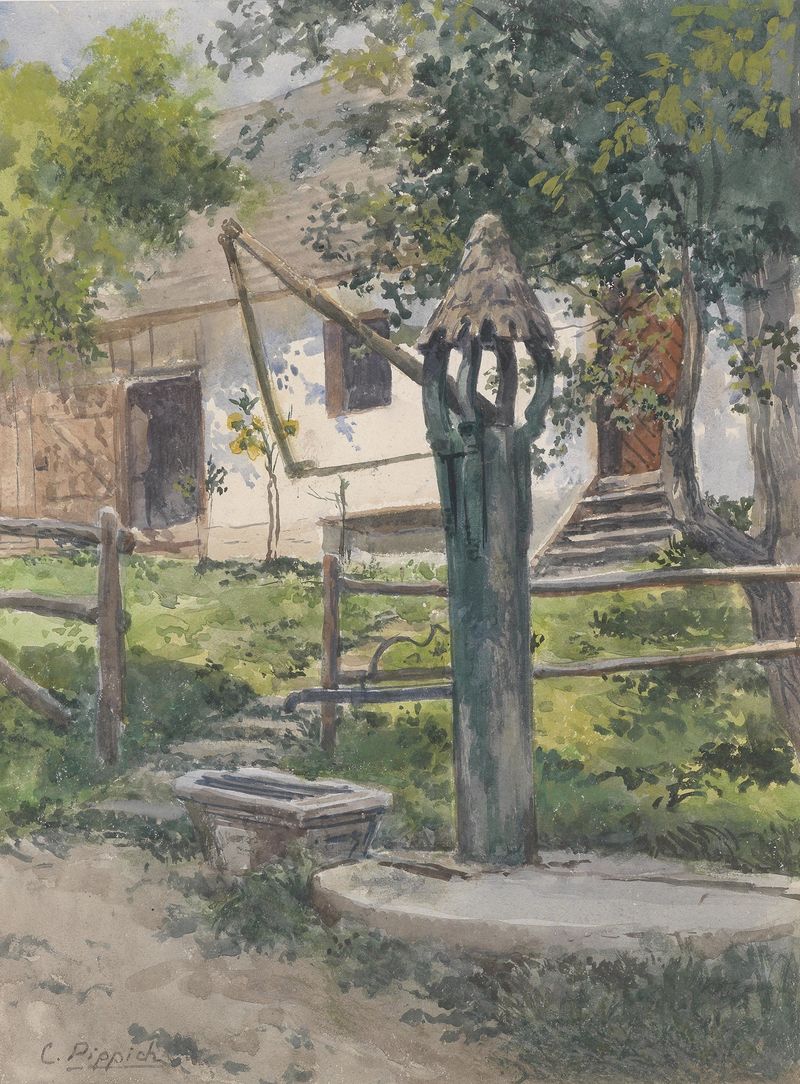
Can beauty exist without sorrow? In N.ö. Findelhaus, Carl Pippich invites us to ponder this question through a poignant yet haunting portrayal of emptiness. The work captures a desolate scene, evoking a deep sense of solitude that resonates with the viewer long after they turn away. Look to the center of the canvas, where an abandoned building stands in forlorn silence.
The structure, rendered with meticulous detail, bears the weight of time, its walls crumbling and paint peeling. Notice how the muted palette of grays and browns underscores the isolation, while dappled light breaks through the somber clouds, illuminating the building's facade. This interplay of light and shadow creates a stark contrast that draws the eye and evokes a melancholic beauty, inviting contemplation of what once was. Delving deeper, the empty windows invite speculation; they seem to watch over a past filled with life and laughter, now replaced by silence.
The overgrown weeds encroaching upon the architecture symbolize neglect and abandonment, highlighting the ephemeral nature of existence. Each brushstroke conveys a subtle tension between beauty and decay, suggesting that sorrow is woven into the very fabric of the world around us. During the late 19th century, while Pippich was creating this piece in Germany, the art world was experiencing a shift toward realism and a focus on everyday subjects. The societal changes and urban expansion during this period often left behind forgotten spaces, much like the one depicted in this artwork.
Pippich's exploration of emptiness reflects both his personal experience and the broader feelings of dislocation that permeated the era.
More Artworks by Carl Pippich
Browse all →
Rahlstiege, Mariahilfer Straße
Carl Pippich
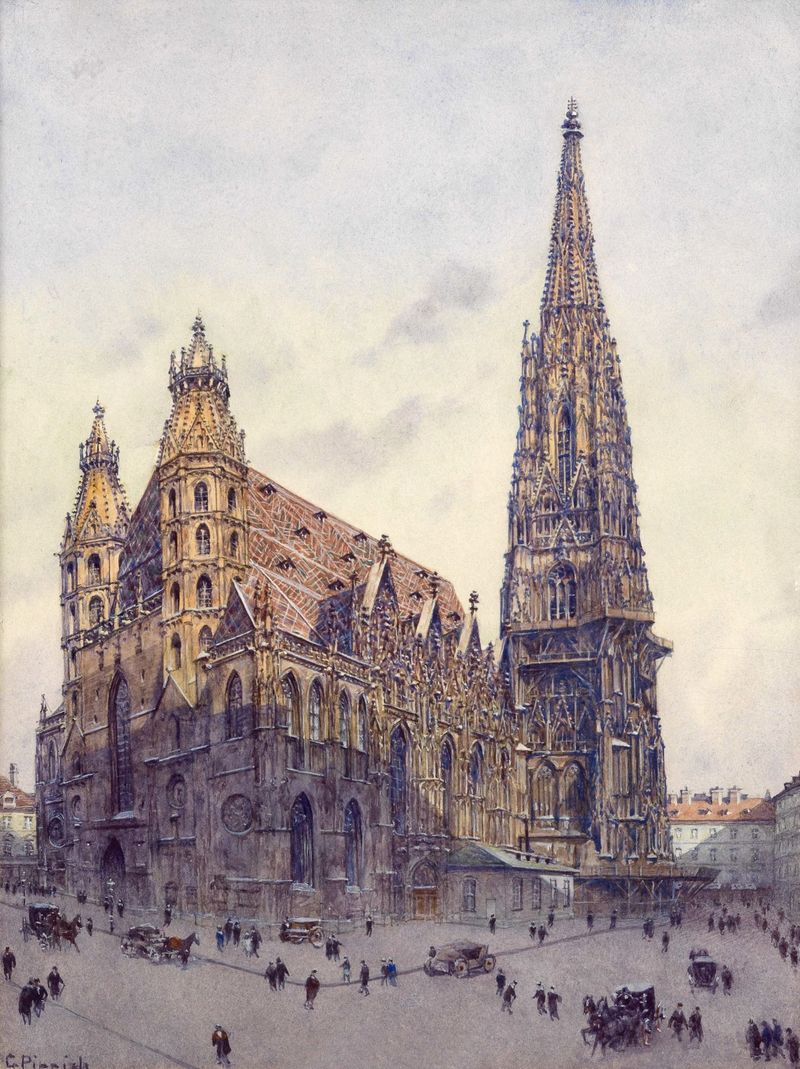
Stephanskirche in Wien
Carl Pippich
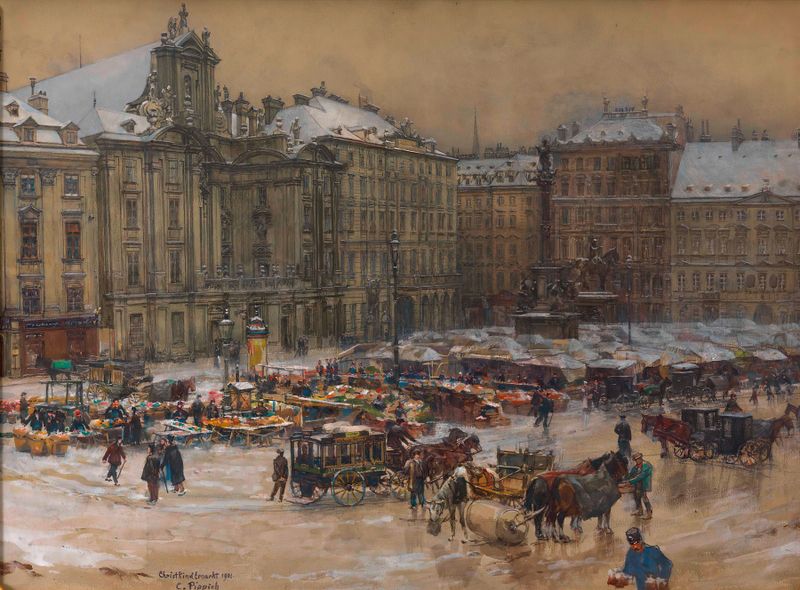
Am Hof (Christkindlmarkt)
Carl Pippich

Der äußere Burgplatz in Wien im Winter
Carl Pippich

Der Irrenthurm in Wien
Carl Pippich

Motiv vom Spittelberg
Carl Pippich
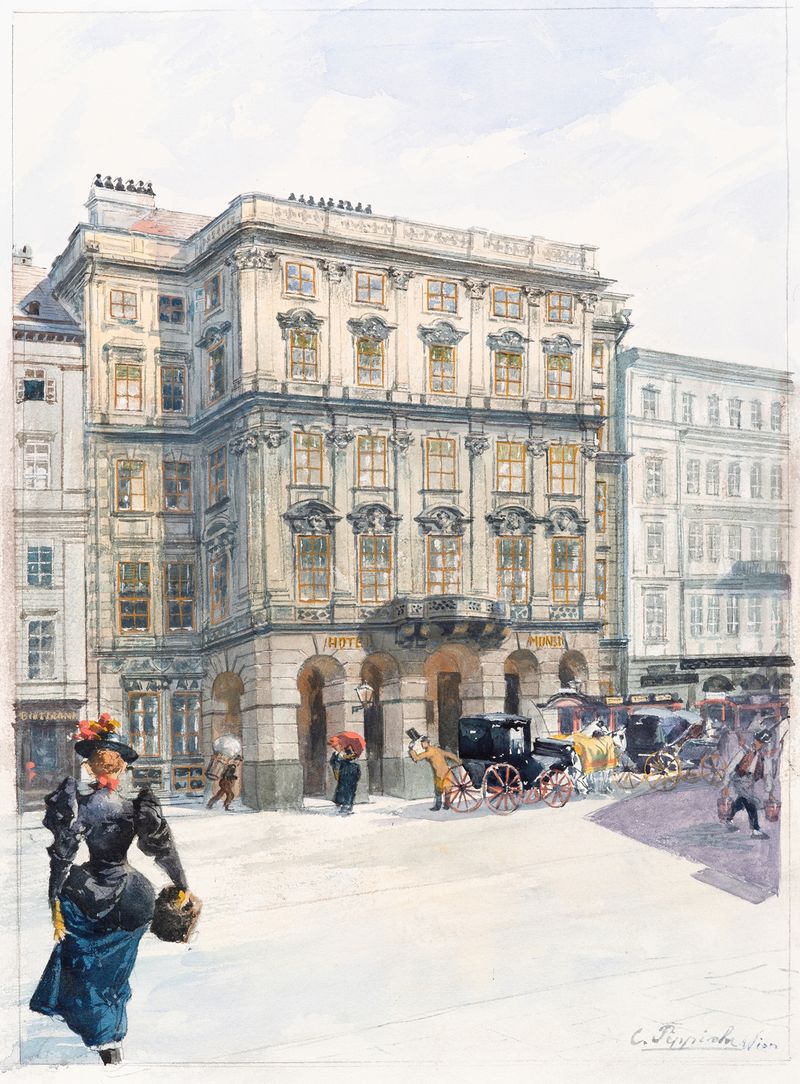
Neuer Martkt – Hotel Munsch
Carl Pippich
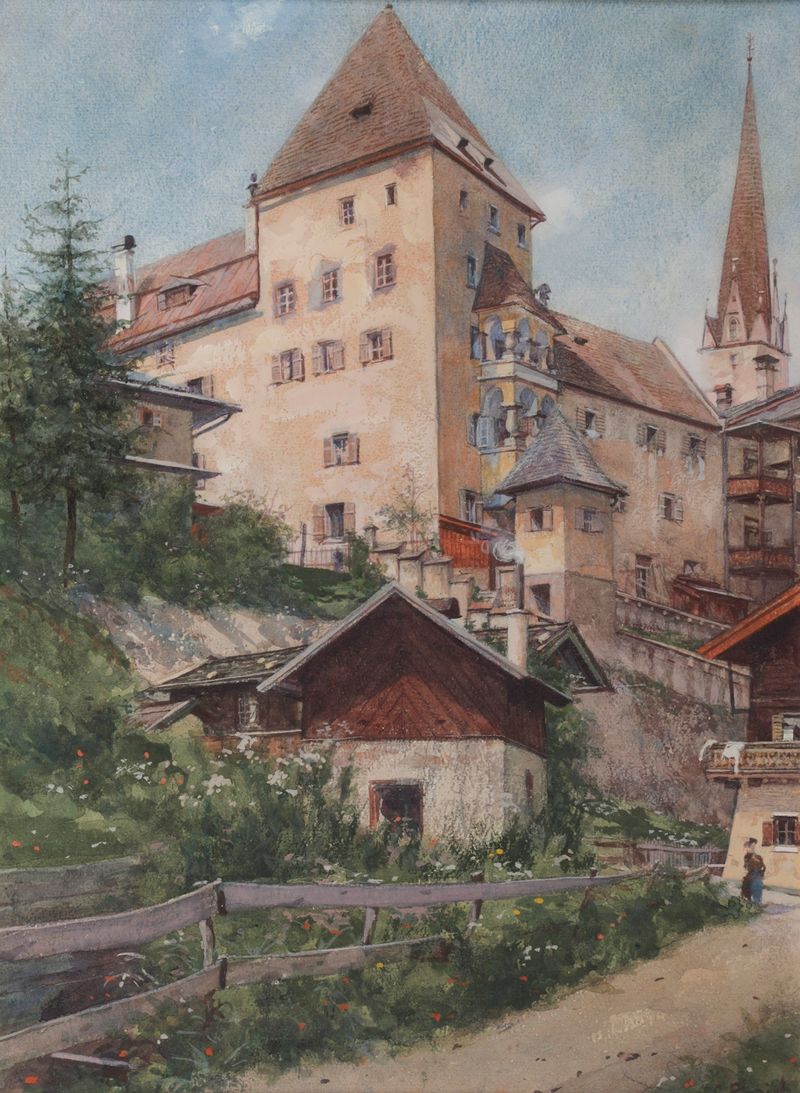
Altes Schloss in Kitzbühel
Carl Pippich
Ziehbrunnen in Neuhofen an der Ybbs
Carl Pippich

Überschwemmung im Prater
Carl Pippich





