
Naakte vrouw vastgegrepen door de Dood — History & Facts
What if silence could speak through light? In Naakte vrouw vastgegrepen door de Dood, a stark and haunting stillness envelops the composition, echoing the profound loneliness that accompanies mortality. Focus on the figure at the center: a naked woman, her body pale and vulnerable, caught in the unyielding grasp of death. Notice how the light delicately caresses her skin, contrasting with the dark, oppressive presence of the skeletal figure looming behind her. The play of shadow and light draws the eye to her serene expression, hinting at an unsettling acceptance of her fate, while the dynamic tension between her soft form and the harsh lines of death creates an emotional pull. The juxtaposition of life and inevitability pulses through the details; the woman's hair, flowing and radiant, symbolizes vitality, while the skeletal figure embodies the cold truth of existence.
Even the backdrop, with its muted tones and ethereal quality, amplifies the sense of isolation. Each brushstroke captures not just a scene, but an existential dialogue that resonates with the viewer's own contemplations about life and its fleeting nature. Created in 1547, this work emerges at a pivotal moment in the Northern Renaissance, a period rich with exploration of human emotion amid the looming specter of mortality. Hans Sebald Beham, influenced by the artistic currents of his time, sought to blend realism with allegory, crafting pieces that reflected the complexities of the human condition.
His portrayal of vulnerability amidst despair speaks not only to personal strife but to a broader contemplation of existence during an era marked by religious upheaval and shifting social norms.
More Artworks by Hans Sebald Beham
Browse all →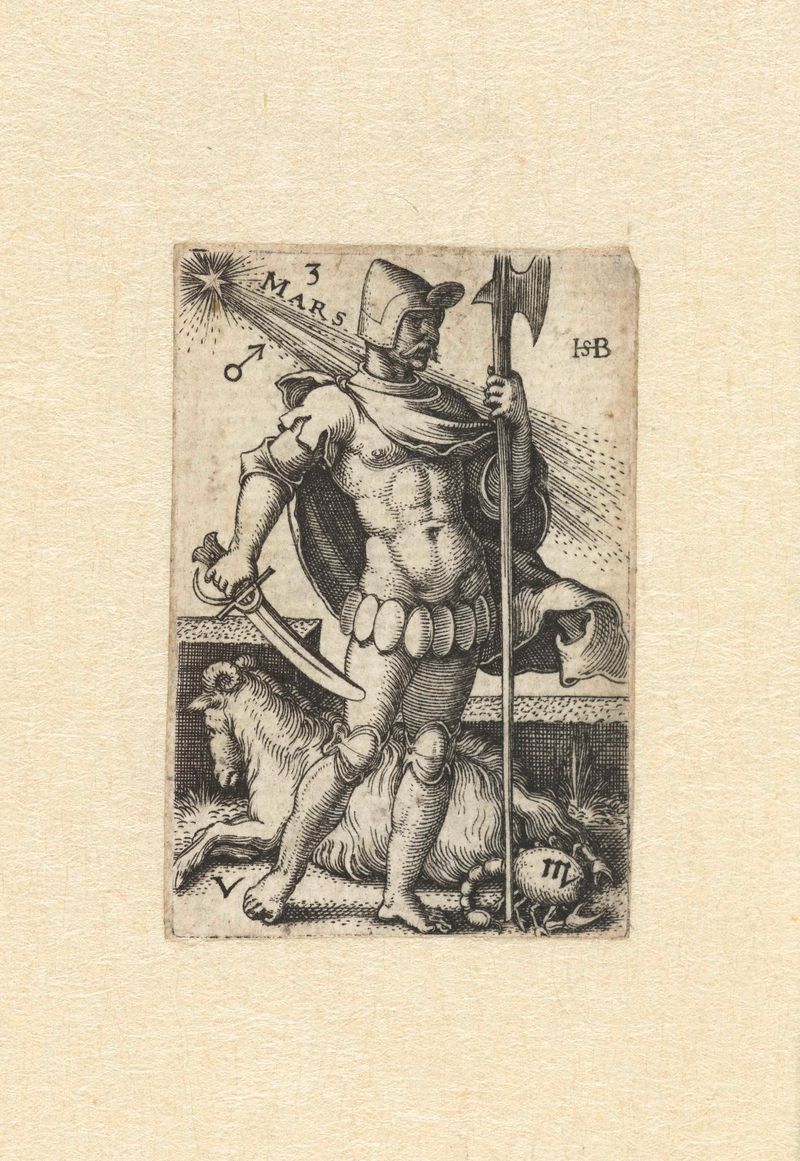
Mars met sterrenbeelden Ram en Schorpioen
Hans Sebald Beham

Achilles in gevecht met Hector
Hans Sebald Beham
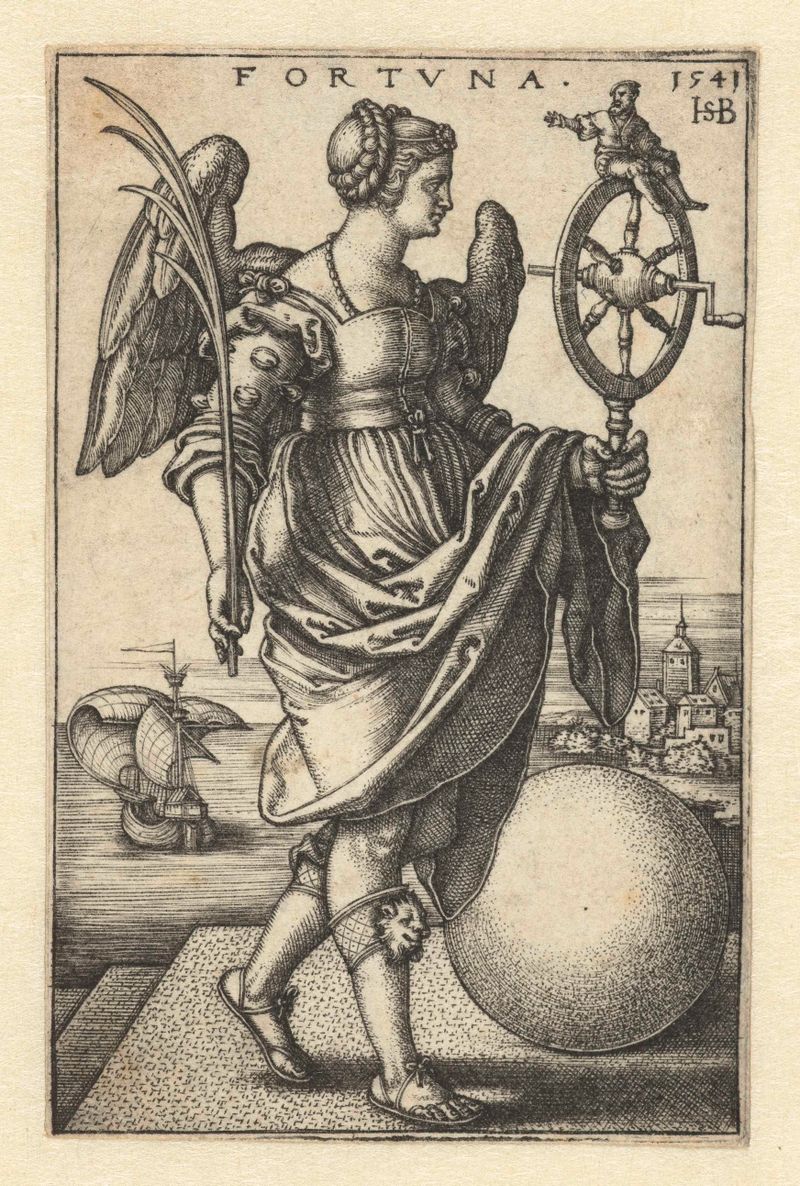
Fortuna
Hans Sebald Beham

Hercules worstelt met Antaeus
Hans Sebald Beham

Twee muzikanten met schalmey en doedelzak
Hans Sebald Beham

Voorzichtigheid (Prudentia)
Hans Sebald Beham

Hercules in gevecht met de Trojanen
Hans Sebald Beham
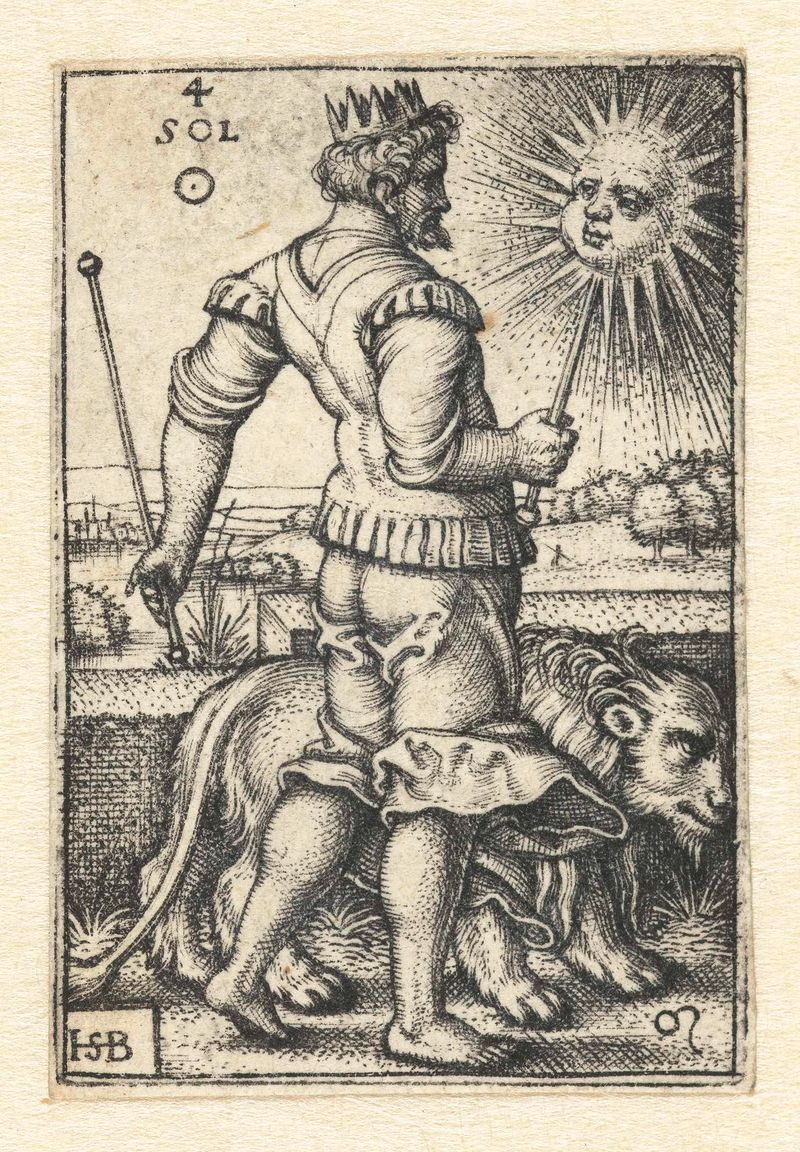
Apollo (Sol) met sterrenbeeld Leeuw
Hans Sebald Beham
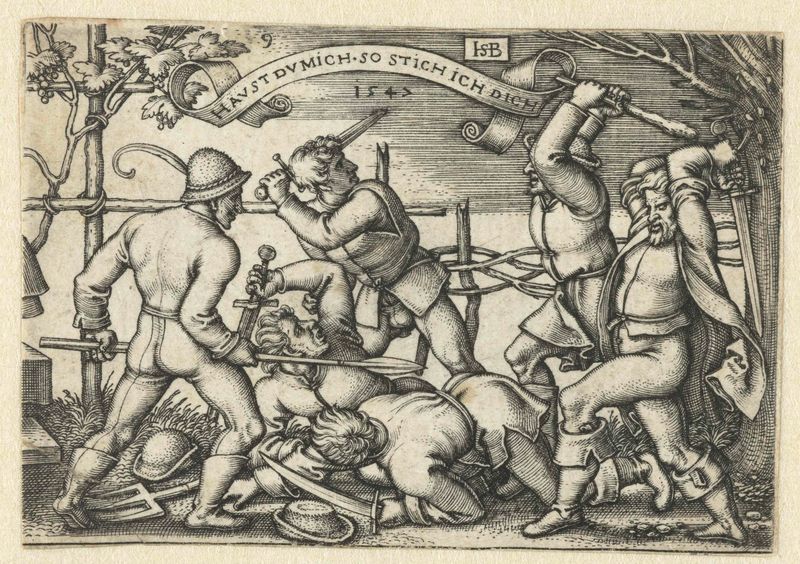
Vechtende boeren met zwaarden
Hans Sebald Beham
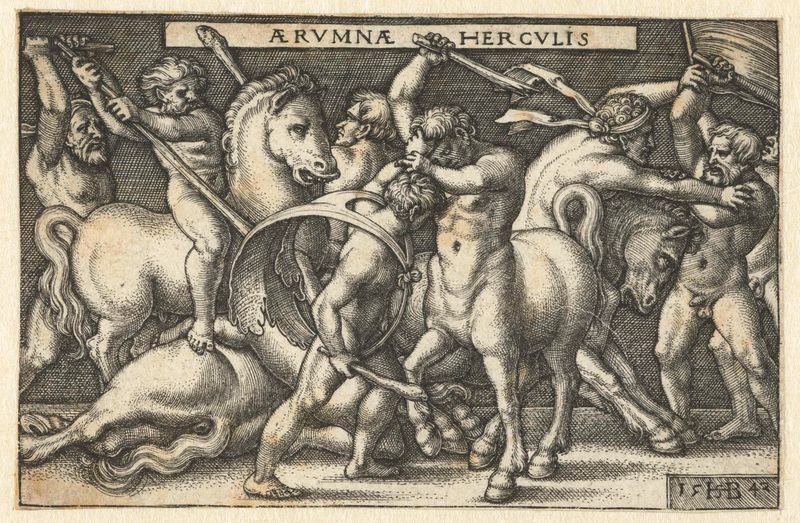
Hercules in gevecht met centaurs
Hans Sebald Beham





