
Naisen pää, harjoitelma Pietari Brahe-sarjan lopullista luonnosta varten — History & Facts
The first thing that draws the eye in Naisen pää, harjoitelma Pietari Brahe-sarjan lopullista luonnosta varten is the hush of inwardness: a woman’s face, downturned, almost lost in thought, her features softened by the gentle, rapid brushwork of Albert Edelfelt. The light falls from above, catching the top of her white headscarf and the curve of her cheek, while her eyes remain cast downward, shielded from the viewer. There is a sense of privacy here, a moment caught between action and reflection, where the loose, sketch-like handling of paint suggests both immediacy and intimacy.
The warm blush on her cheeks and the subtle modeling of her nose and lips speak to the artist’s sensitivity to character, not just likeness. The unfinished background and the visible strokes give the impression that we are witnessing the birth of an idea rather than its conclusion. Created in 1904, this study belongs to a period when artists like Edelfelt were bridging academic tradition and the fresh possibilities of modern portraiture. Studies such as this were often preparatory exercises, made not for public display but as stepping stones toward larger compositions—here, evidently, for a series related to Pietari Brahe.
In the early 20th century, Finnish artists were increasingly interested in capturing the lives and faces of ordinary people, reflecting a growing sense of national identity and social awareness. The work now resides in a Finnish collection, as documented by its source, but history has kept few traces of its individual journey. What remains is this fragment of a face, inviting us to imagine the life and the story behind those lowered eyes.
More Artworks by Albert Edelfelt

The Day of Rest
Albert Edelfelt
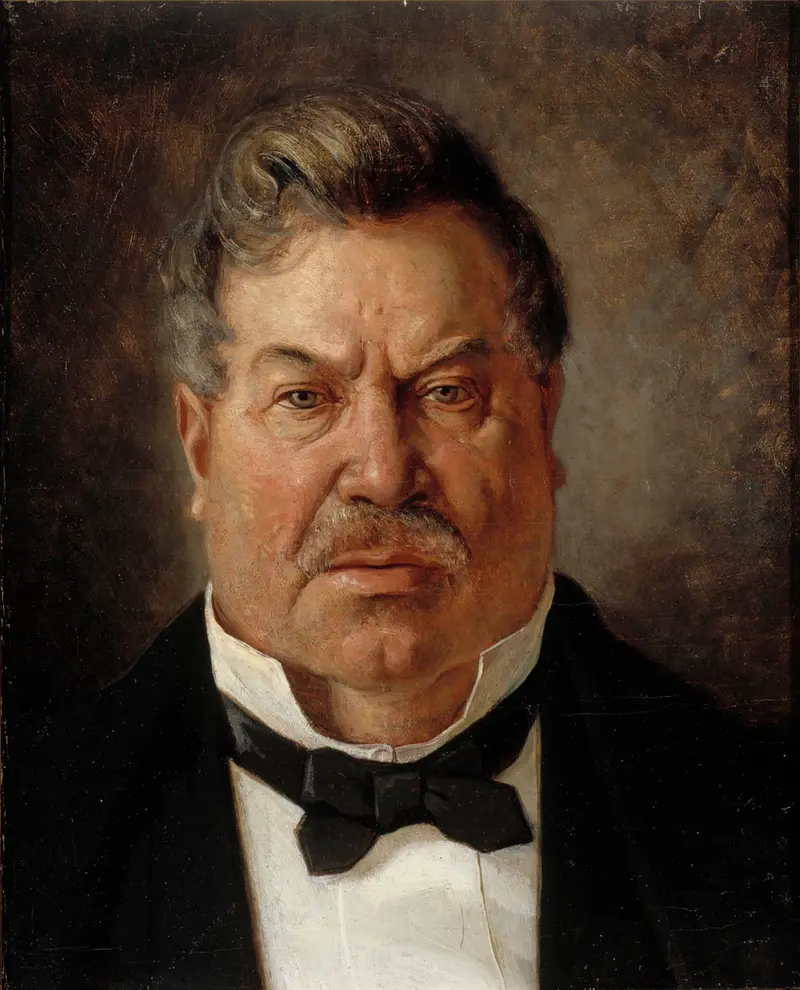
Portrait of August Streng
Albert Edelfelt
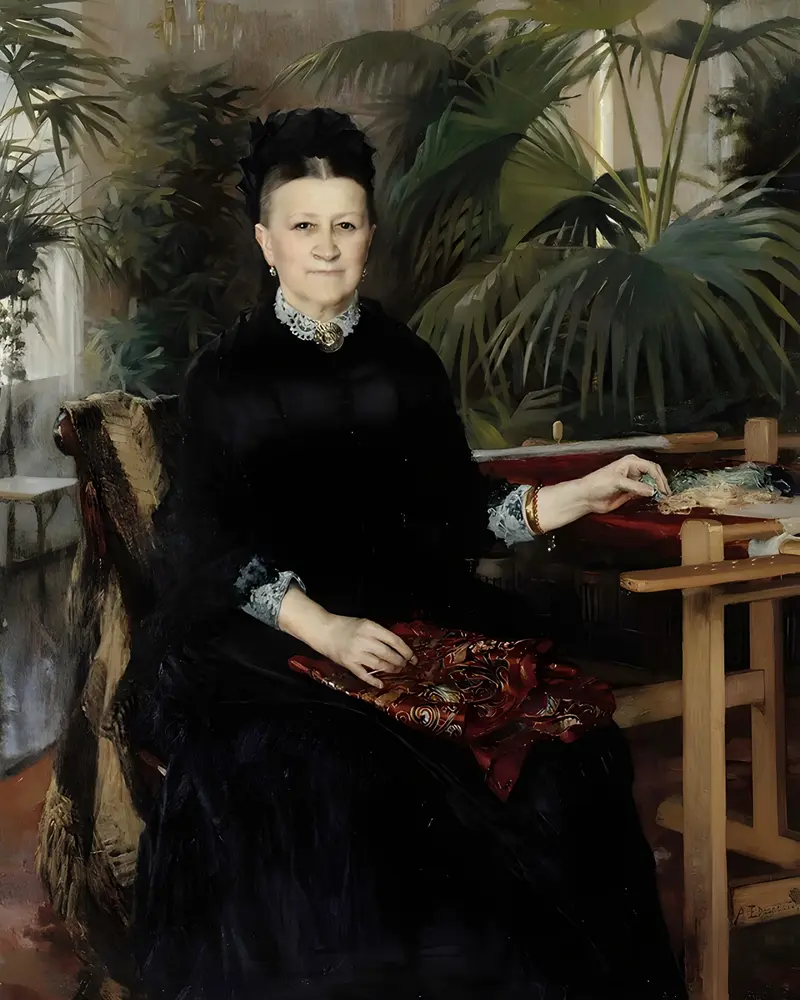
Portrait Of Mrs. Anna Sinebrychoff
Albert Edelfelt

The Poet, Larin Paraske
Albert Edelfelt

Parisian lady in a Peignoir
Albert Edelfelt
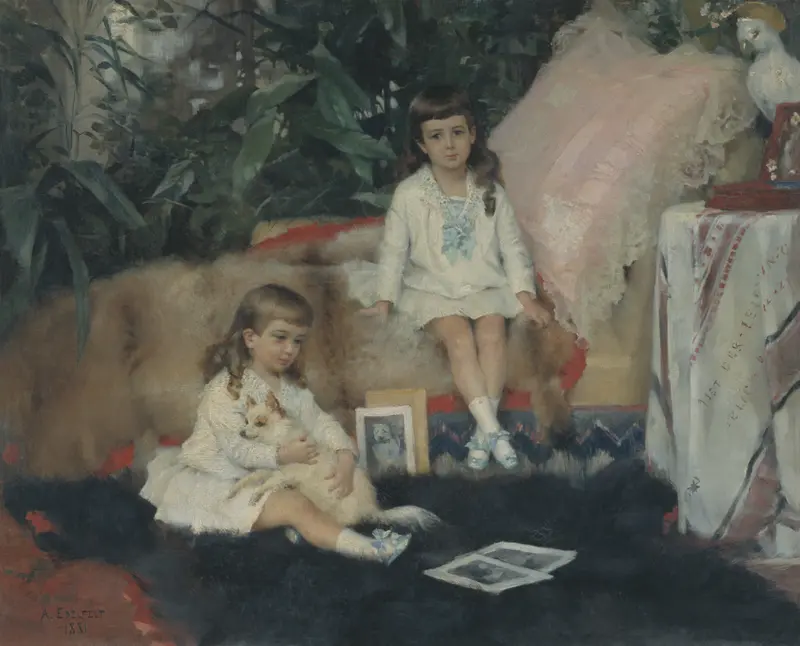
The Grand Dukes Boris and Kirill Vladimirovich as Children
Albert Edelfelt
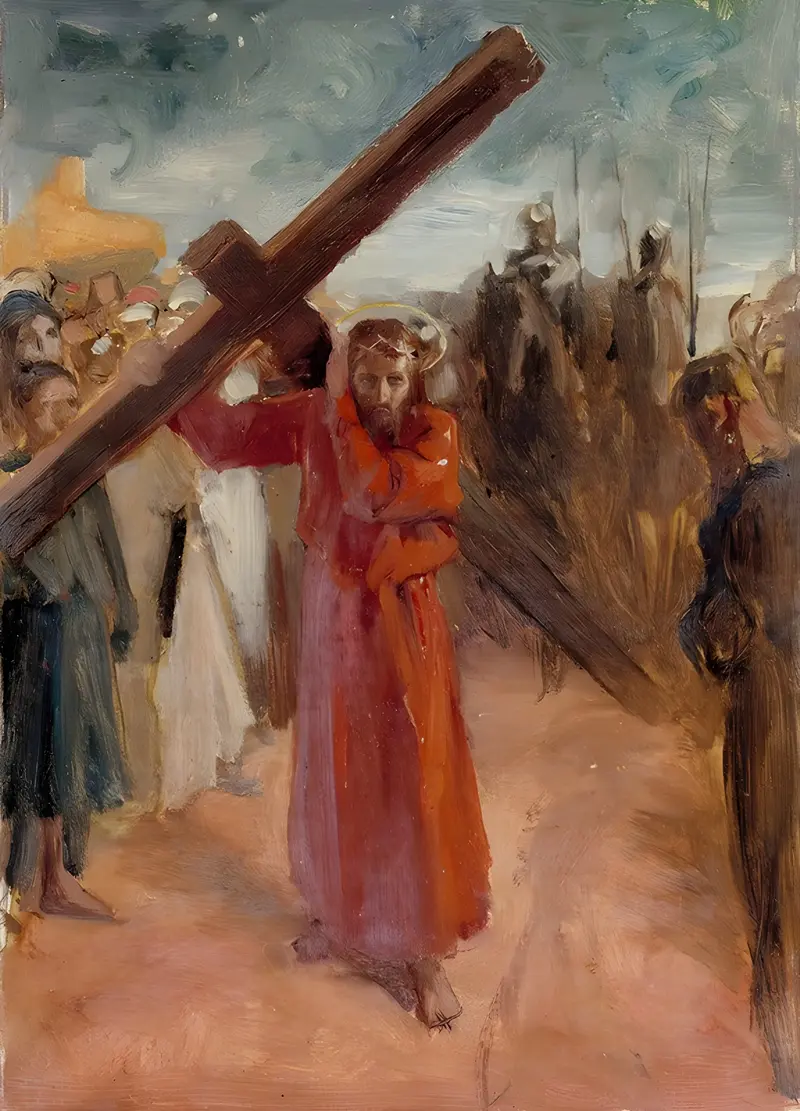
Christ Bears The Cross
Albert Edelfelt
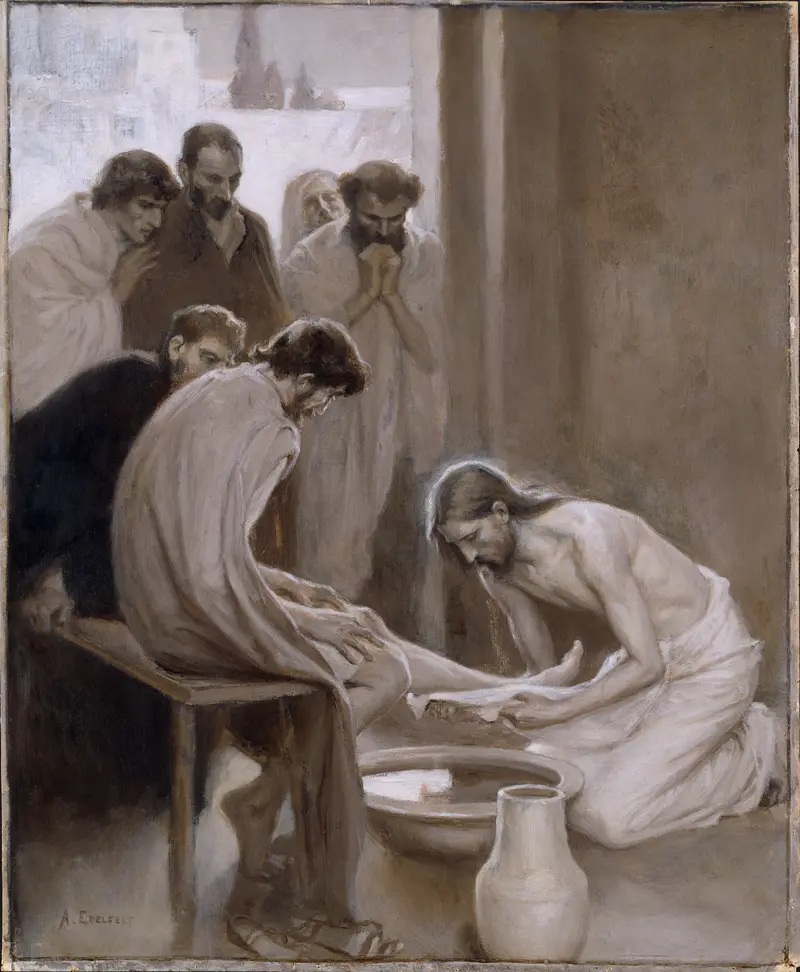
Jesus Washing the Feet of his Disciples
Albert Edelfelt

Larin Paraske with Kantele
Albert Edelfelt
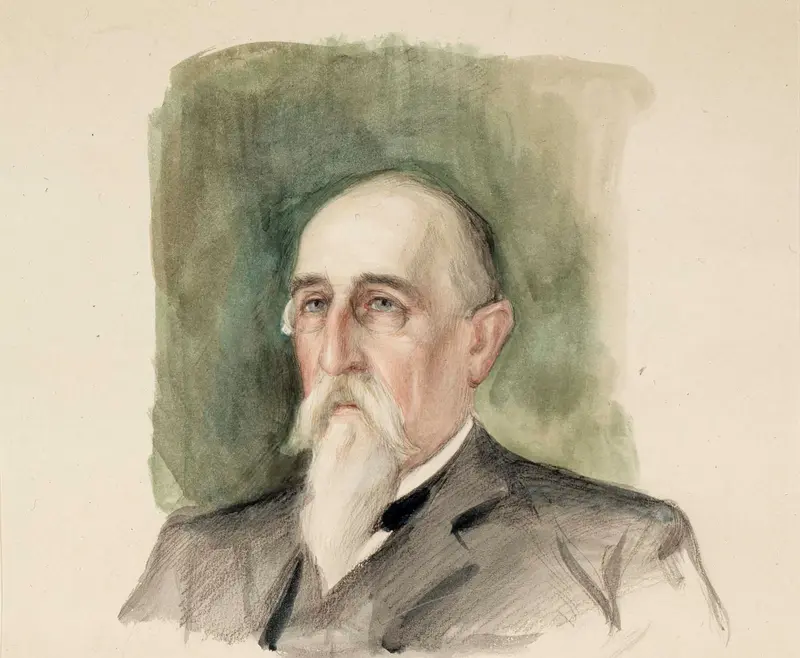
Leo Mechelin, Portrait Study
Albert Edelfelt





