
Nar met fallus en vrouwelijke nar — History & Facts
In the delicate interplay of humor and longing, a narrative unfurls that resonates through time, evoking the complexities of desire and identity. Focus on the central figures, where a man and a woman, adorned in vibrant garb, stand before each other, their expressions a tapestry of yearning and jest. The bold colors demand attention, particularly the deep crimson and golden yellows that accentuate the playfulness of their poses. Notice the intricate patterns of their clothing—each detail meticulously crafted, pulling the viewer deeper into their world, where jesters become vessels of unspoken truths. Yet, beneath the surface laughter lies a poignant tension.
The juxtaposition of the man’s leer and the woman’s coy demeanor suggests a dance of power and vulnerability, where humor masks deeper insecurities and yearnings. The exaggerated features and whimsical elements elevate the caricature, inviting us to reflect on the societal roles that both entice and imprison. Every gesture, from the mirthful stance to the subtle shift in the eyes, yearns to communicate what remains unsaid. Hans Sebald Beham created this work between 1510 and 1550, during a time when Germany was grappling with the tensions between Renaissance humanism and emerging Reformation ideals.
As a prominent figure in the art of engraving, Beham navigated a landscape rich with both artistic innovation and societal upheaval. This piece reflects his distinctive ability to blend satire with profound introspection, encapsulating the complexities of human interaction in a rapidly changing world.
More Artworks by Hans Sebald Beham
Browse all →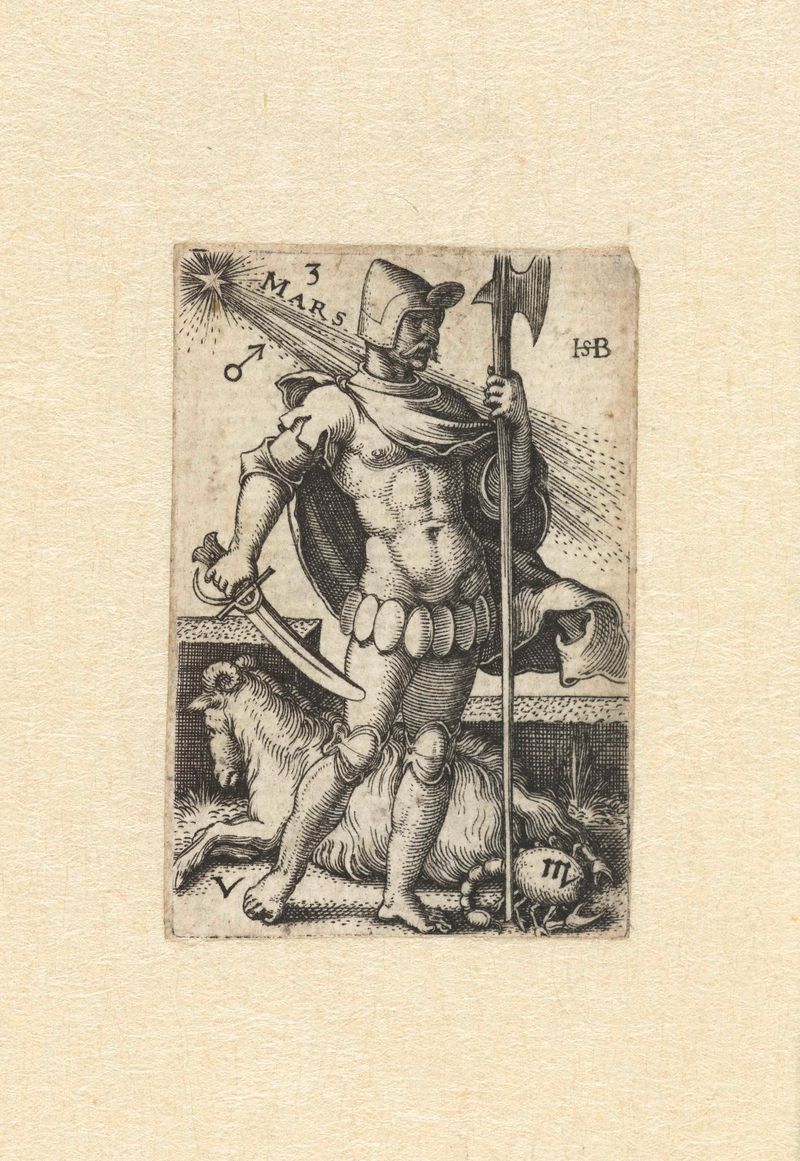
Mars met sterrenbeelden Ram en Schorpioen
Hans Sebald Beham

Achilles in gevecht met Hector
Hans Sebald Beham
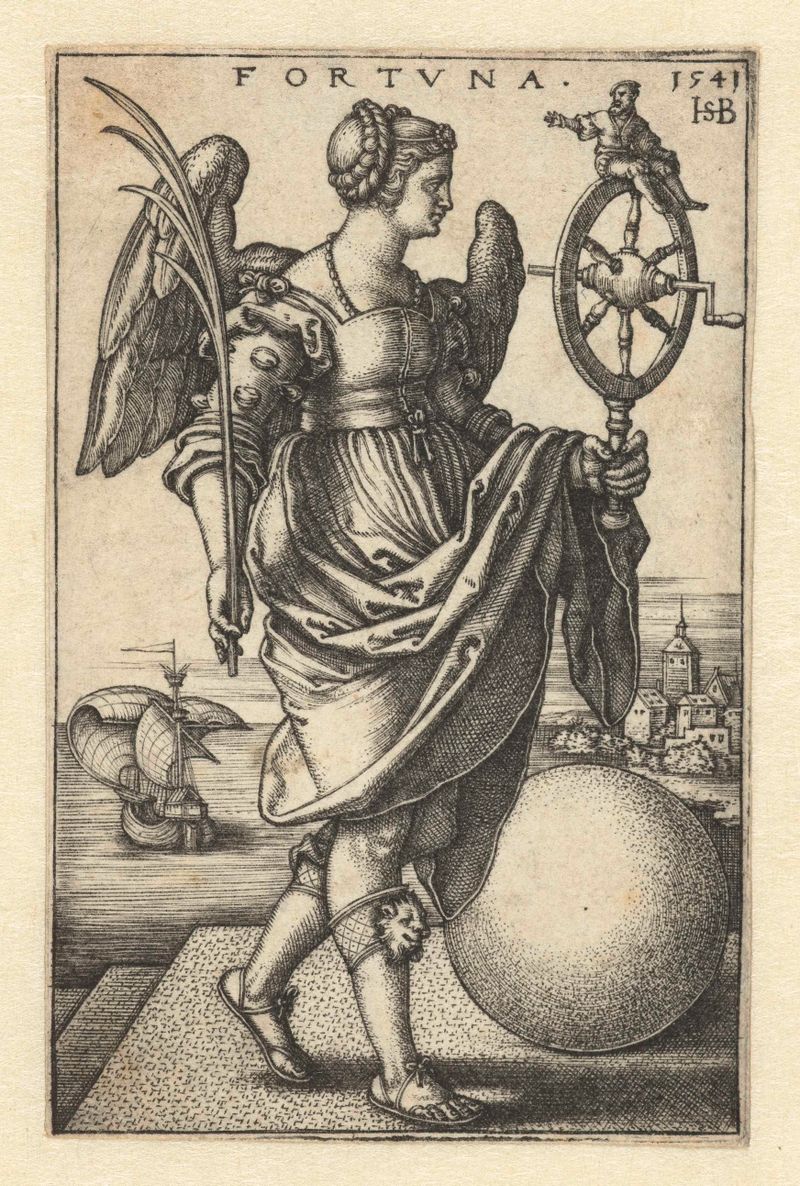
Fortuna
Hans Sebald Beham

Hercules worstelt met Antaeus
Hans Sebald Beham

Twee muzikanten met schalmey en doedelzak
Hans Sebald Beham

Voorzichtigheid (Prudentia)
Hans Sebald Beham

Hercules in gevecht met de Trojanen
Hans Sebald Beham
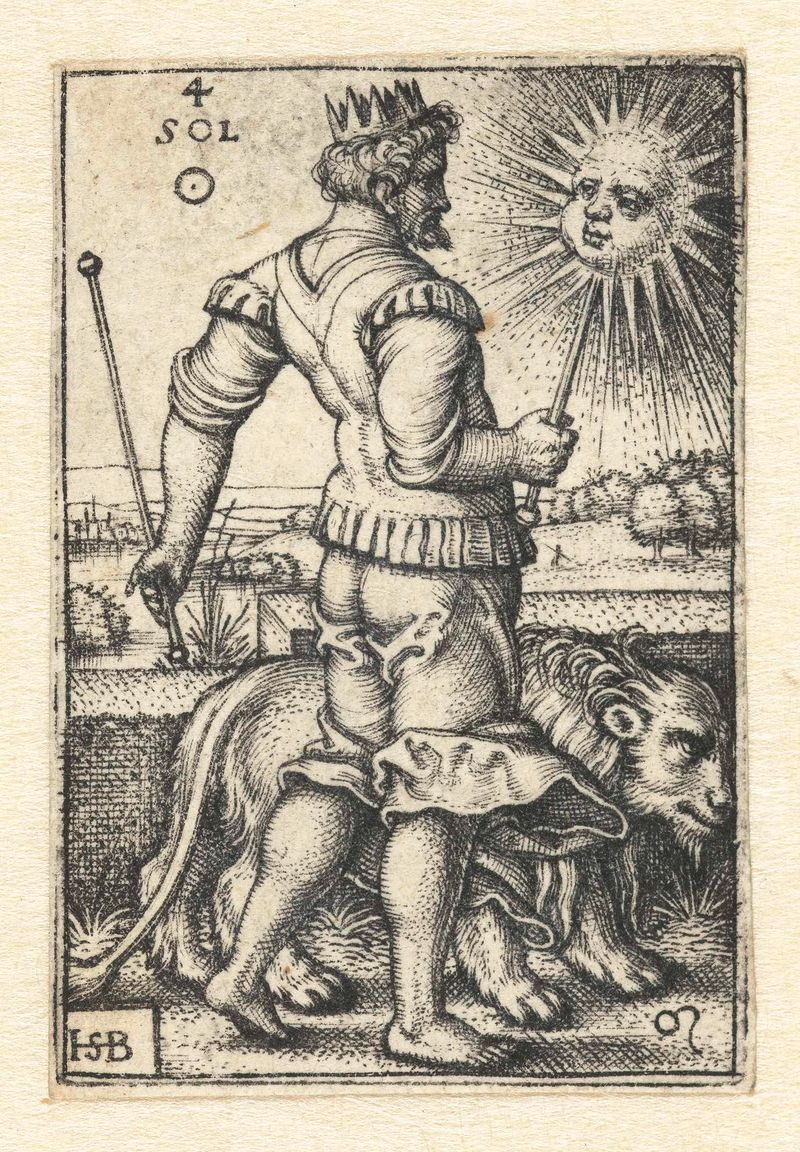
Apollo (Sol) met sterrenbeeld Leeuw
Hans Sebald Beham
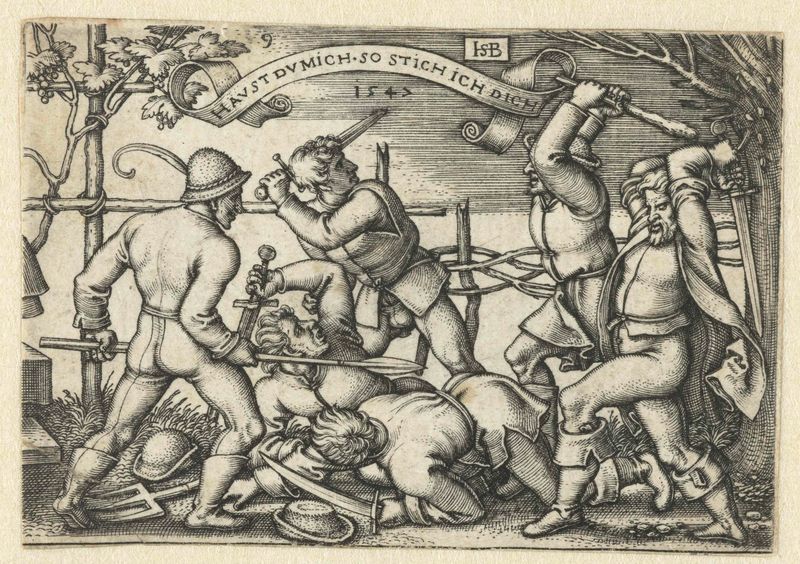
Vechtende boeren met zwaarden
Hans Sebald Beham
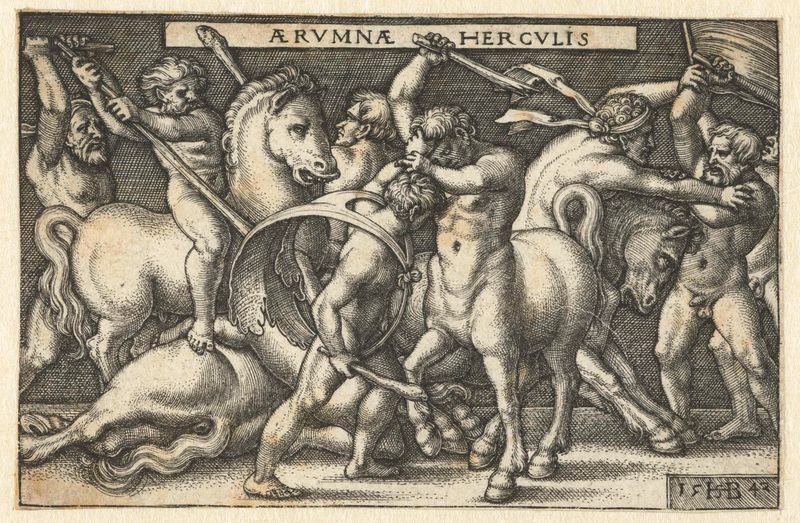
Hercules in gevecht met centaurs
Hans Sebald Beham





