
Near a canal (bridge and horse) — History & Facts
In the quietude of life, vibrant hues mask the fragility of existence, inviting us to consider what lies beneath the surface. Focus first on the bridge, arching gracefully across the canvas, drawing the eye toward its pale reflection shimmering in the water below. The muted palette of blues and greens envelops the scene, creating an atmosphere that feels both serene and foreboding. Notice how the brushstrokes meld to evoke the movement of water, while a lone horse stands in the foreground, tethered yet free, embodying the tension between nature and domesticity. The interplay of light and shadow reveals deeper emotions.
The soft light hints at a fleeting moment, perhaps evoking the inevitability of change and decay. The horse, with its heavy body contrasted against the delicate bridge, symbolizes the weight of mortality, poised at the edge of life and loss. Each element breathes complexity, challenging the viewer to reflect on their own journey through time. In 1888, during a period of experimentation and transition in the art world, the Belgian painter crafted this piece as he sought to capture the interplay of reality and emotion.
Amidst a burgeoning Impressionist movement, he explored the tension of everyday life, drawing inspiration from the landscapes surrounding his home. The painting stands as a testament to both his personal exploration and the broader artistic shifts of his era.
More Artworks by Jean Brusselmans
Browse all →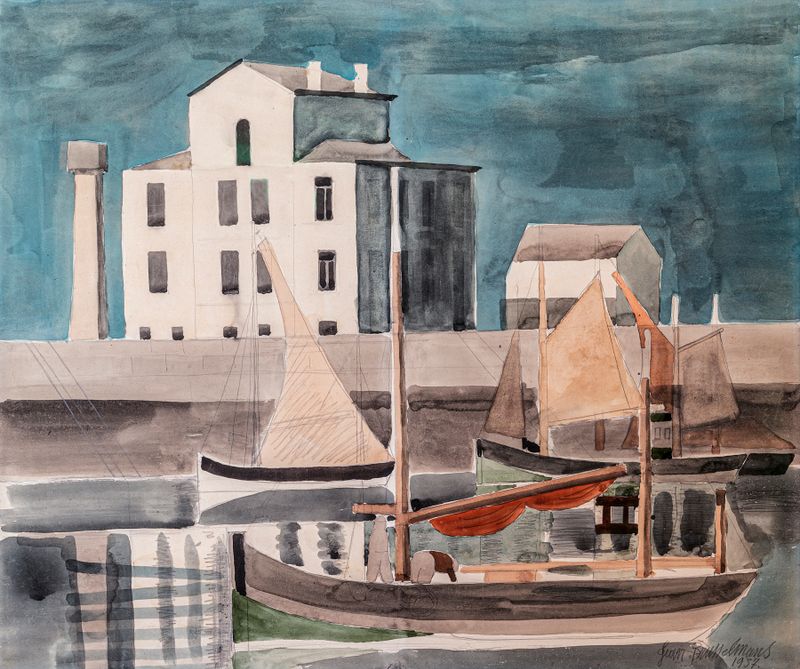
Haven van Oostende
Jean Brusselmans

Paysage Sint-Martens-Bodegem III
Jean Brusselmans

Tuinen
Jean Brusselmans

Winterlandschap (Sneeuwlandschap)
Jean Brusselmans

Vuurtoren te Oostende
Jean Brusselmans

The old Princess Bridge in Molenbeek-Saint-Jean
Jean Brusselmans

North Sea
Jean Brusselmans
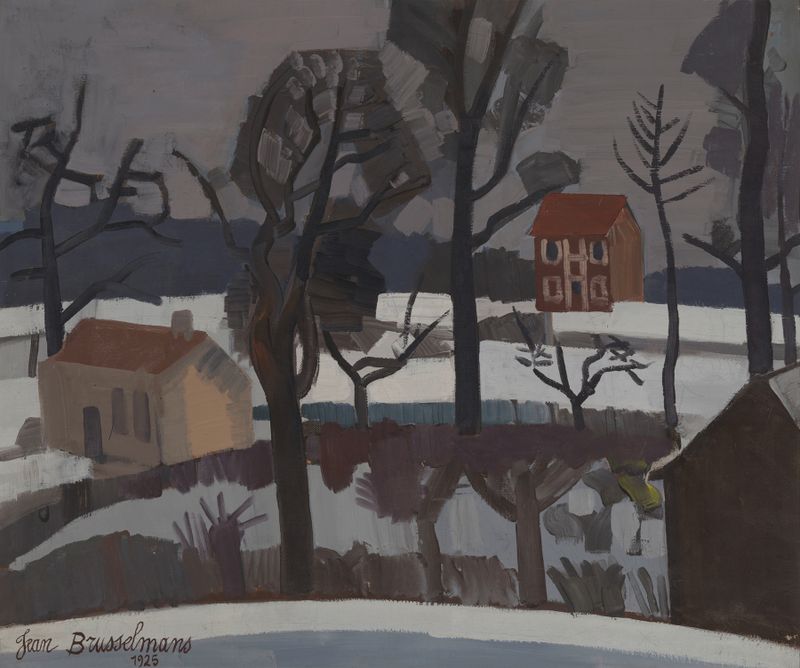
Winterlandschap (Sneeuwlandschap)
Jean Brusselmans
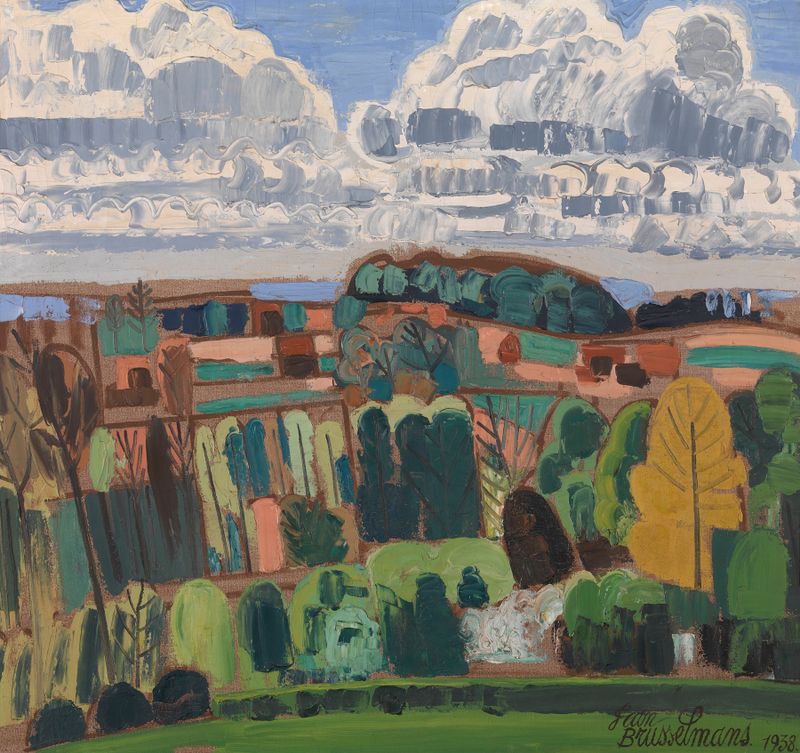
Pajottenland
Jean Brusselmans
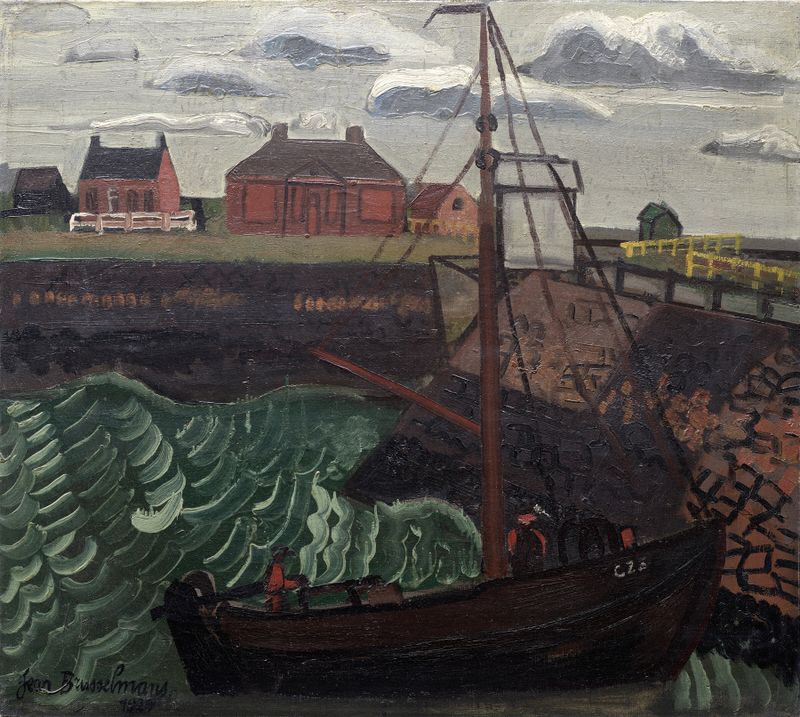
Port de pêche
Jean Brusselmans





