
Near Timber Creek, Jersey shore — History & Facts
When did color learn to lie? In a world where desires take on hues unknown, a stillness lingers over the horizon like a secret waiting to be unveiled. Focus on the left side of the canvas, where a serene creek meanders beneath the delicate embrace of towering trees. The interplay of soft greens and earthy browns invites the viewer into a tranquil moment, while the dappled light dances upon the water’s surface, creating a shimmering veil. Notice how the artist’s brushstrokes capture the essence of nature, each stroke a testament to the sublime beauty of this secluded landscape. Yet, beneath this placid exterior lies a deeper tension—the juxtaposition of the wild and the cultivated.
The wild foliage leans toward the water, exuberant and untamed, while the distant figures indicate human presence, hinting at a yearning for harmony between nature and desire. The reflections in the water are not merely images but symbols of longing, urging contemplation of what lies beneath the surface of the scene. In 1859, the artist found himself exploring the landscapes of New Jersey while the country was on the brink of monumental change. Queen's work emerged during a time when American art began to assert its identity, shifting from European influences towards a more personal connection with the land.
As he painted Near Timber Creek, he captured not just a picturesque moment but embodied a collective desire for belonging and serenity in an ever-evolving world.
More Artworks by James Fuller Queen
Browse all →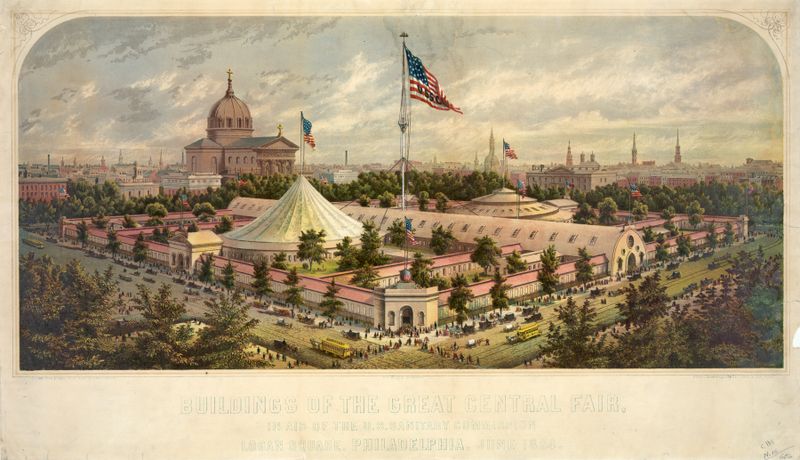
Buildings of the Great Central Fair, in aid of the U.S. Sanitary Commission, Logan Square, Philadelphia, June 1864
James Fuller Queen
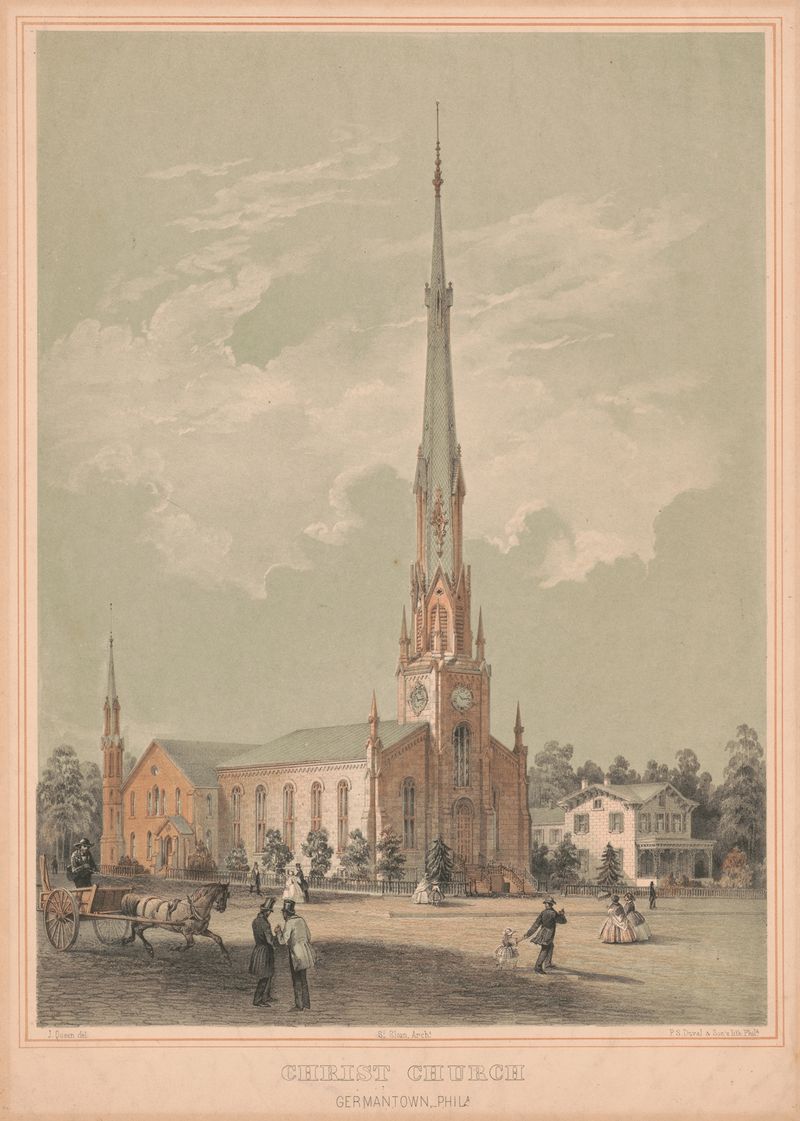
Christ Church, Germantown, Phila.
James Fuller Queen
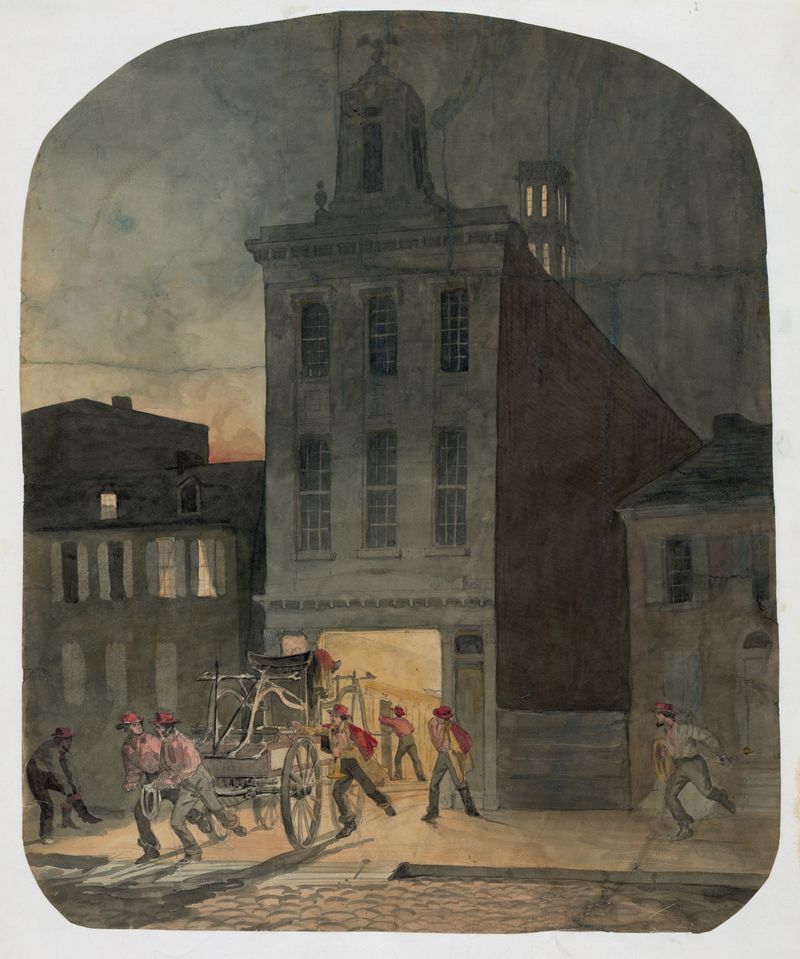
Firehouse scene in Philadelphia showing firemen from the Weccacoe Engine Company
James Fuller Queen
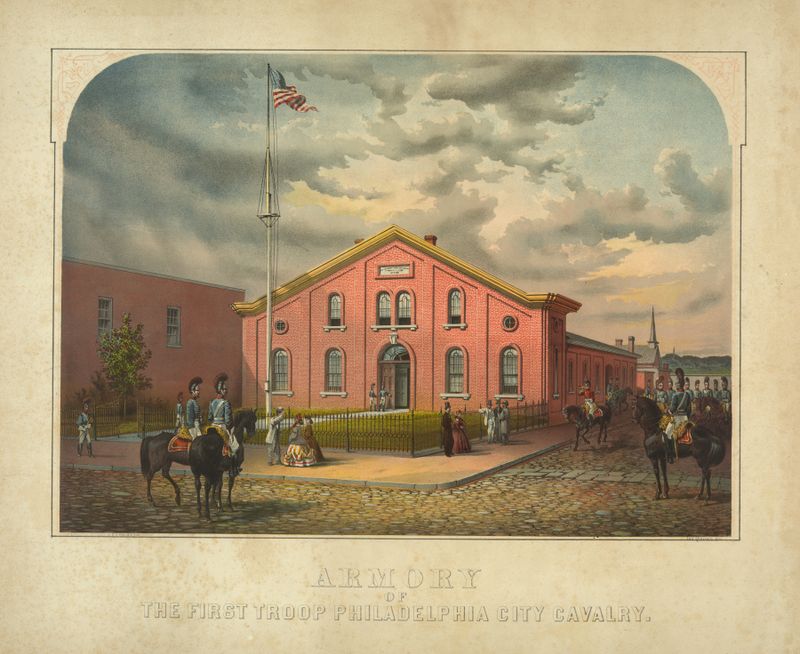
Armory of the First Troop Philadelphia City Cavalry
James Fuller Queen
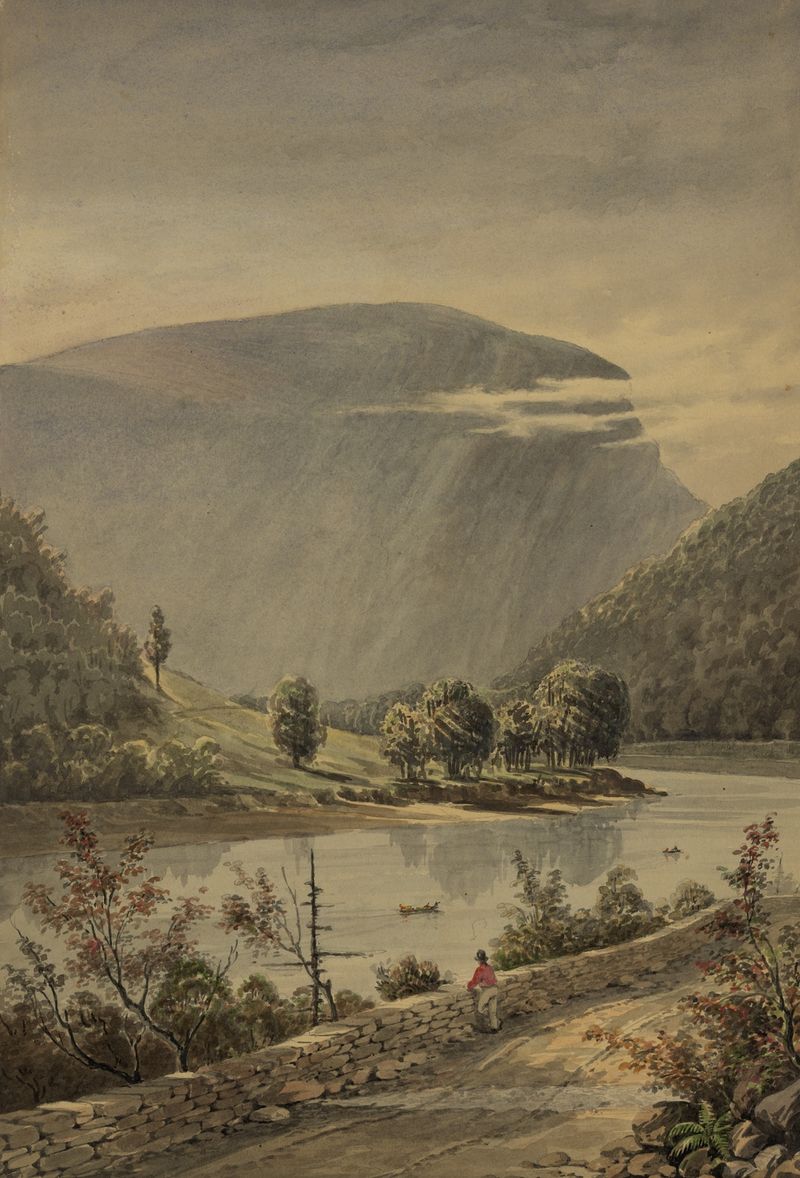
Delaware Water Gap
James Fuller Queen
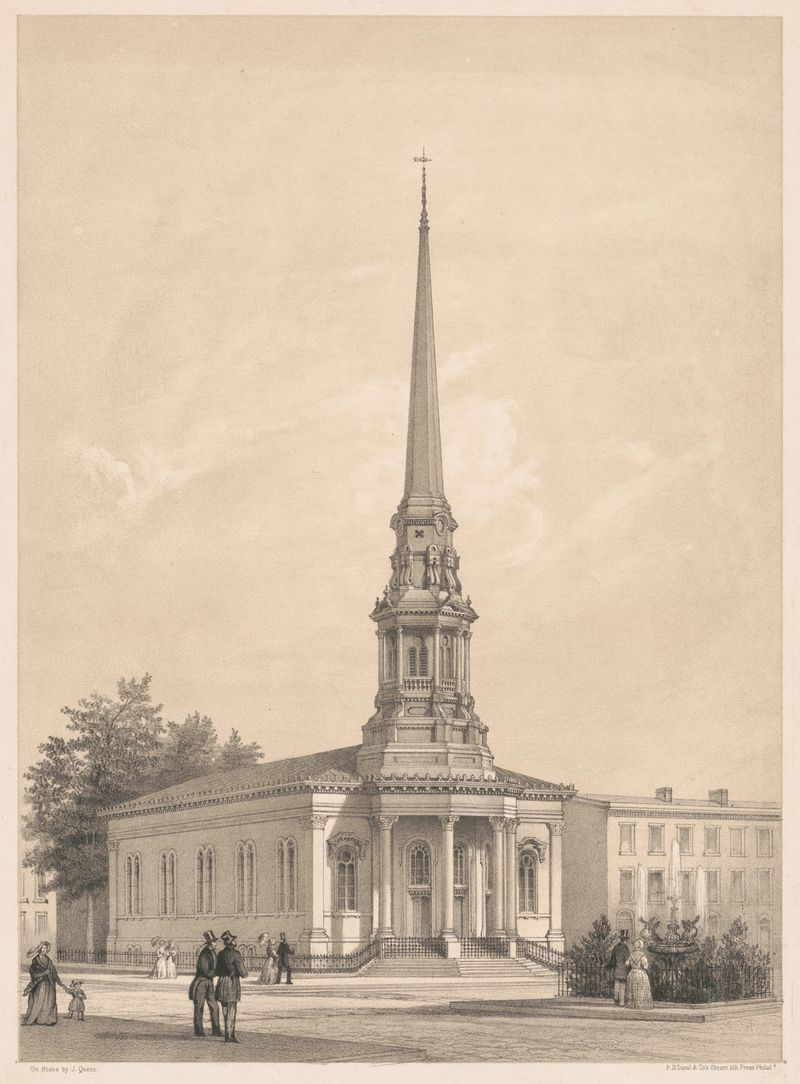
The Fourth Baptist Church, N.W. corner of Fifth & Buttonwood Streets, Philadelphia
James Fuller Queen
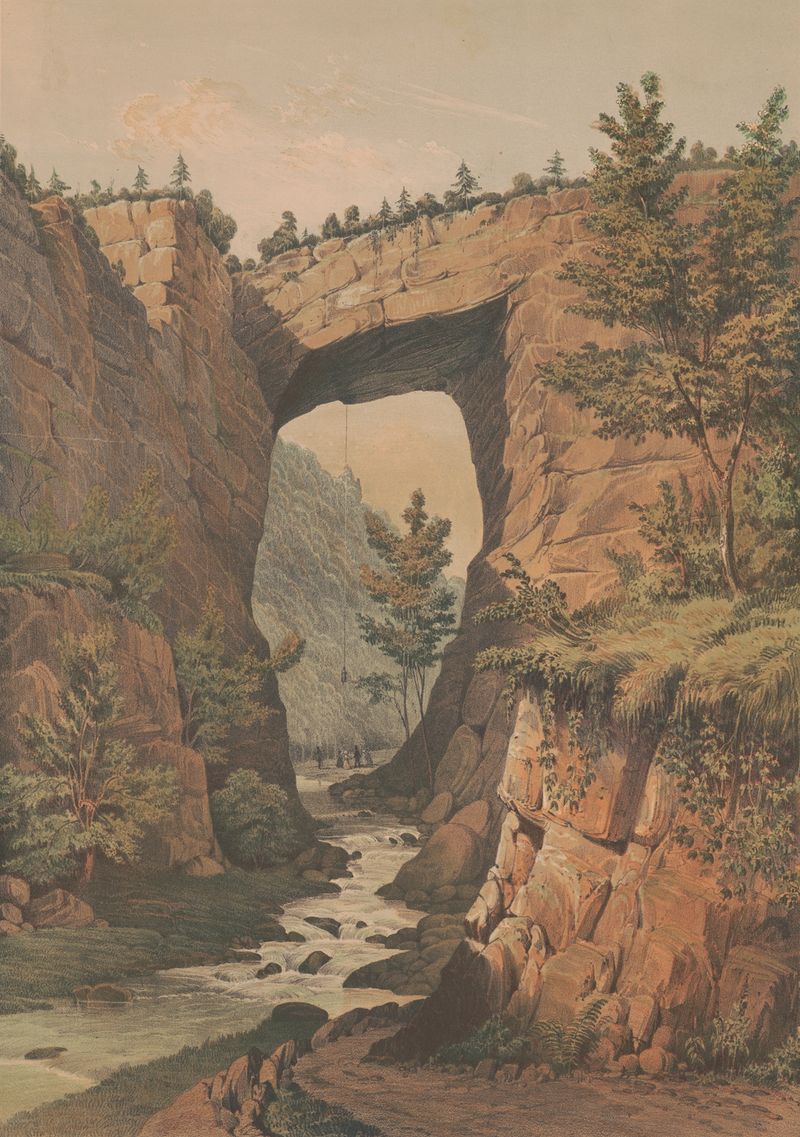
The natural bridge, Rockbridge County, Va. from a sketch by Maj. Ths. H. Williamson
James Fuller Queen
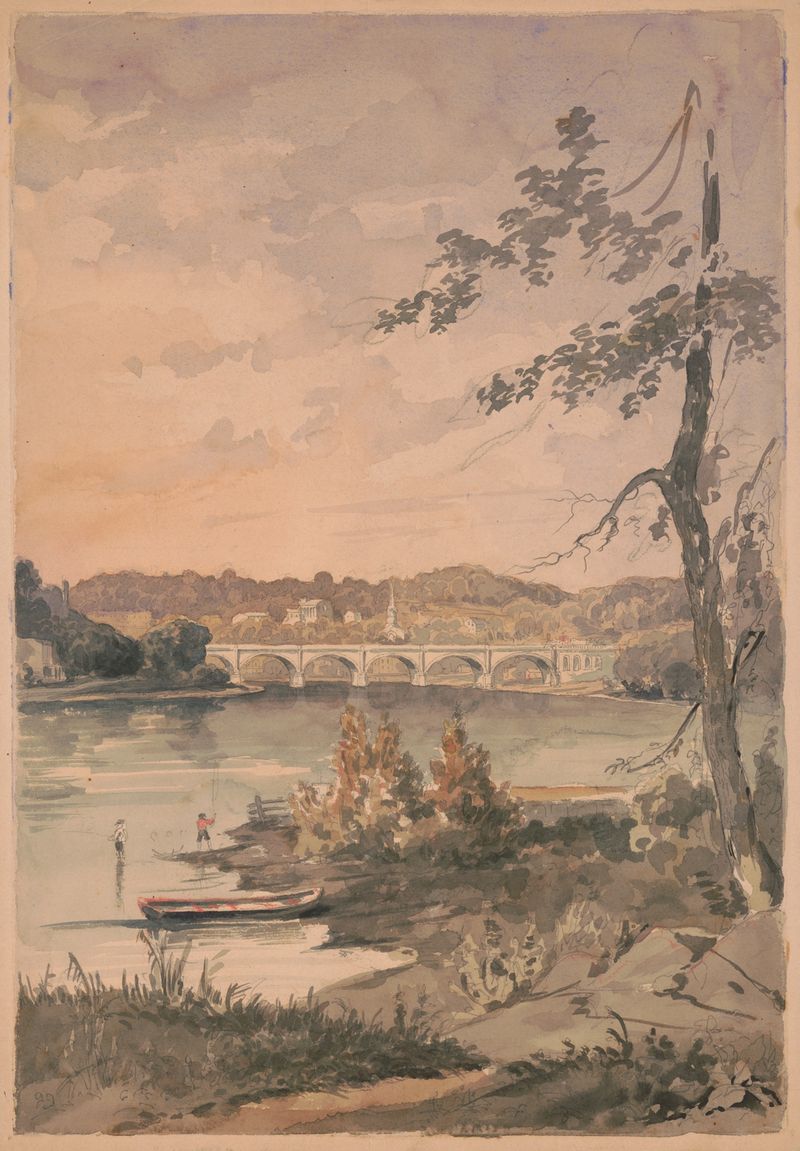
Boys fishing on the banks of the Schuylkill River in Philadelphia
James Fuller Queen

Schuylkill Arsenal at sunset, from across the Schuylkill River, looking west
James Fuller Queen

Explosion of the Alfred Thomas at Easton Pa. March 6th 1860
James Fuller Queen





