
Neath Abbey — History & Facts
Can paint confess what words never could? In Neath Abbey, the delicate interplay of light and shadow reveals the fragility of nature intertwined with human history, speaking volumes where language falters. Look to the left, where ancient stone ruins emerge from a lush green landscape, their weathered surfaces softened by a veil of gentle light. Notice how the muted earth tones blend seamlessly with the vibrant greens, creating a harmonious yet melancholic atmosphere. The artist’s careful brushwork captures the subtle play of sunlight filtering through the foliage, whispering stories of a once-thriving past.
The composition draws the eye toward the gentle curve of the river, inviting contemplation and reflection. Beneath the surface lies a poignant contrast: the permanence of nature against the impermanence of human endeavor. The crumbling ruins symbolize a history that is both celebrated and mourned, suggesting the transient nature of existence itself. The serene water mirrors the sky, evoking a sense of serenity that juxtaposes the echoes of a bygone era, urging the viewer to ponder the passage of time and the fragility inherent in both history and memory. In the 1840s, while residing in England, the artist captured Neath Abbey amidst a growing fascination with the picturesque and romantic landscapes.
During this period, the art world was shifting, with an increasing emphasis on emotive representation and a deepening appreciation for the sublime qualities of nature. This work reflects not only De Wint's mastery of landscape painting but also the broader cultural currents that sought to reconcile the beauty of the natural world with the remnants of human life.
More Artworks by Peter De Wint
Browse all →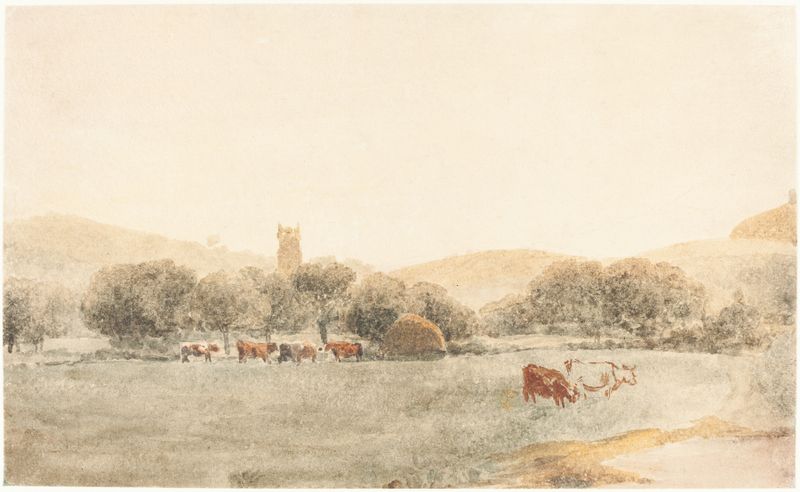
A Meadow with Cattle near Glastonbury
Peter De Wint
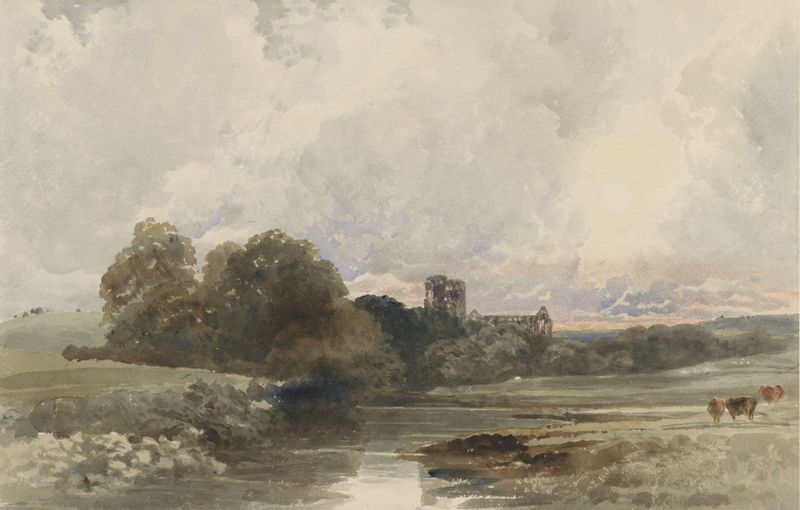
Avondlandschap met de ruïne van Kirkstall Abbey, Yorkshire
Peter De Wint
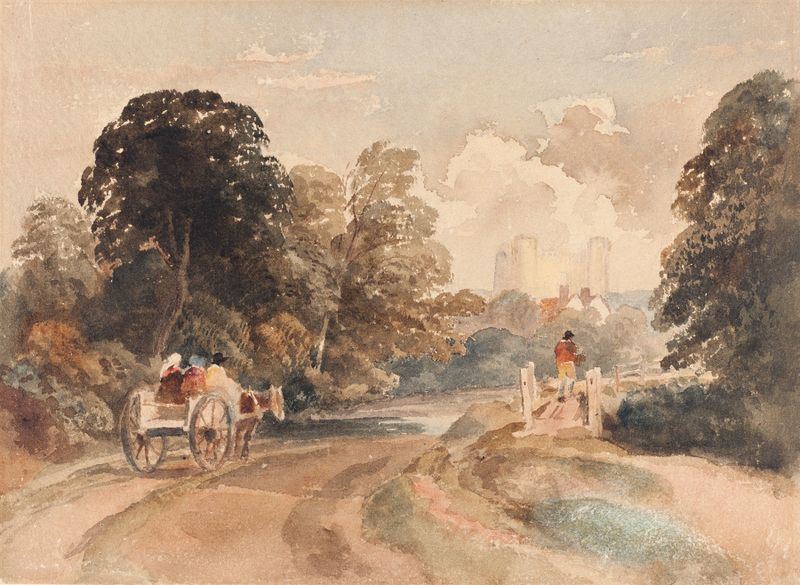
Landscape
Peter De Wint

Welsh Landscape with Cattle
Peter De Wint
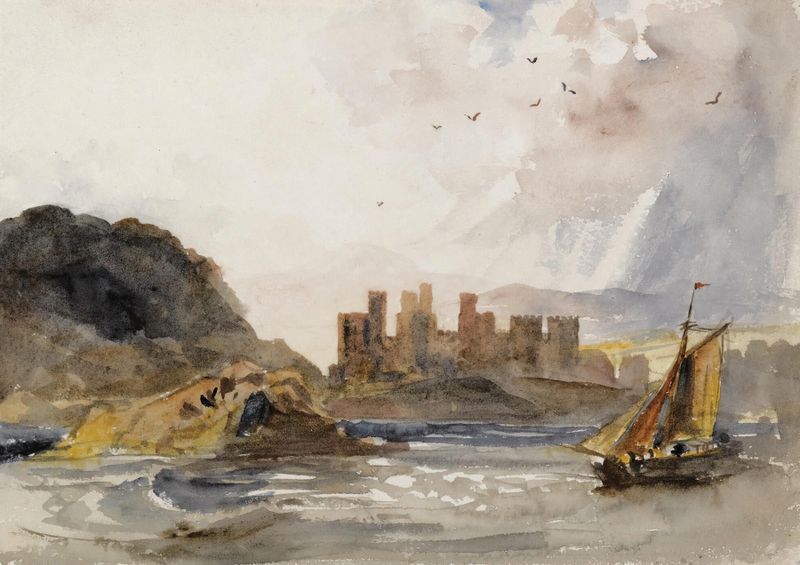
Conway Castle, North Wales
Peter De Wint

Evening on the Foss Dyke near Lincoln
Peter De Wint
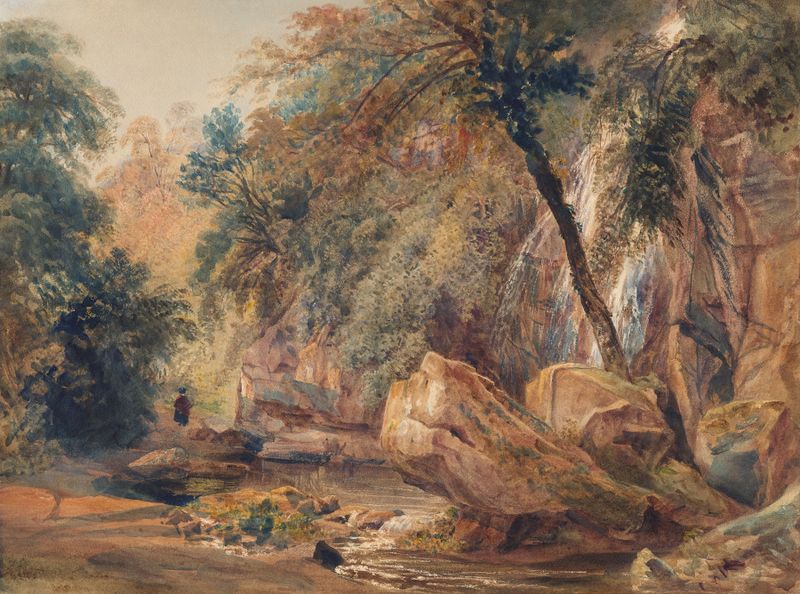
Waterfall in the Dingle at Badger Hall
Peter De Wint

Harvesting
Peter De Wint

Farmyard at Compton
Peter De Wint
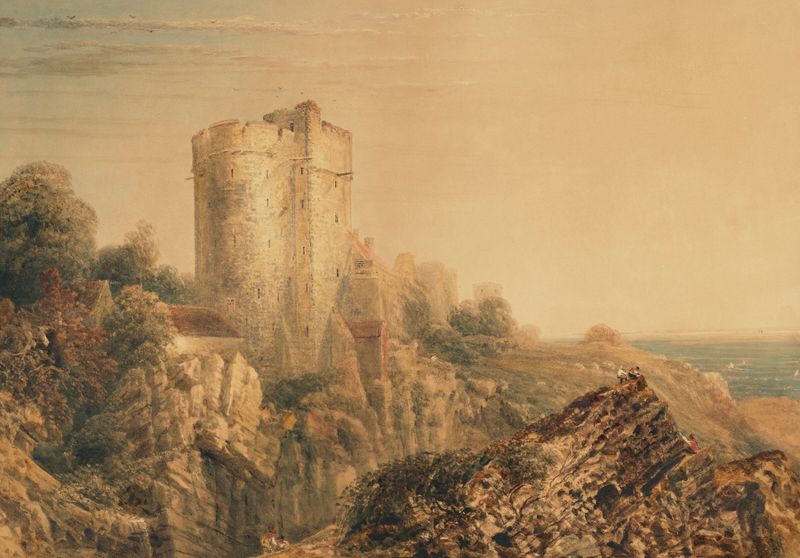
View of Lympne Castle, Kent
Peter De Wint





