
New York. Bartholdi ‘Statue of Liberty,’ erected on Bedloe’s Island, in New York Harbor — History & Facts
The Statue of Liberty stands as a towering enigma, a beacon that both illuminates and obscures the fears of those who gaze upon her. What lies beneath the surface of her majestic presence? Look to the left of the composition where vibrant hues of green and gold coalesce, capturing the statue’s patina against the backdrop of a sunlit harbor. The contrast of the warm light reflecting on the water and the cooler tones of the sky draws the eye upward, directing our gaze toward the raised torch.
The artist employs a careful balance of lines and shadows that not only highlights the statue's grandeur but also creates an undercurrent of unease, as if the figure's eternal watch holds secrets untold. Hidden within the statue's resolute stance is a dichotomy of hope and fear, symbolizing both freedom and the burdens of expectation. Her pose, striking yet daunting, invites admiration, while simultaneously suggesting the weight of responsibility carried by those whom she represents. The delicate interplay of light and shadow evokes a sense of impending storm, hinting at the darker realities faced by immigrants arriving in her shadow, braving the unknown in search of a better life. In 1885, as the statue was completed and erected on Bedloe’s Island, Charles Magnus was navigating a dynamic art scene in New York, influenced by both the fervor of industrial progress and the complexities of a nation grappling with its identity.
The statue was a gift from France, symbolizing friendship, yet it arrived at a time when America was also grappling with its evolving ideals, capturing the spirit of an era rife with both optimism and trepidation.
More Historical Art
Browse all →
The Night Watch Militia Company of District II under the Command of Captain Frans Banninck Cocq
Rembrandt van Rijn
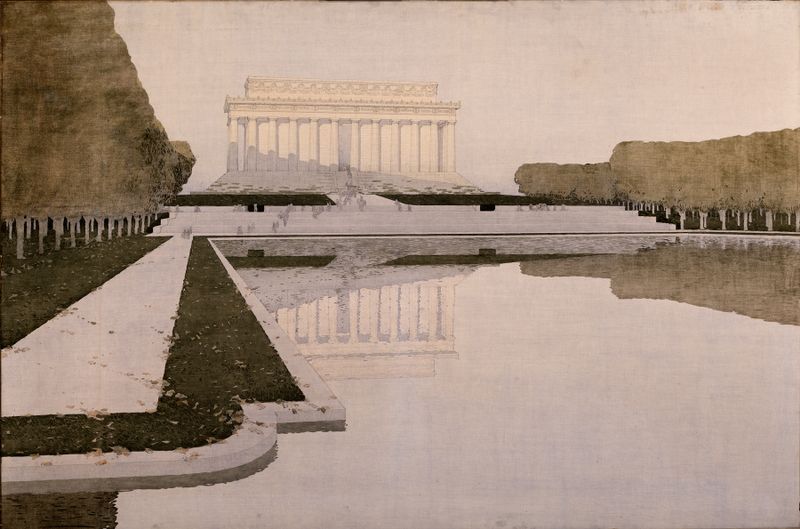
Lincoln Memorial
Henry Bacon
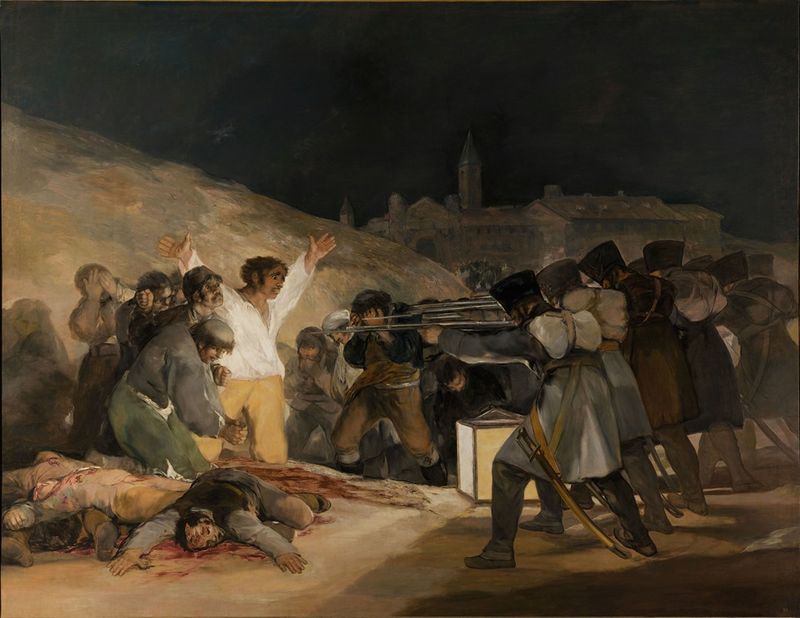
The Third of May 1808
Francisco de Goya

Isaac and Rebecca, Known as ‘The Jewish Bride’
Rembrandt van Rijn
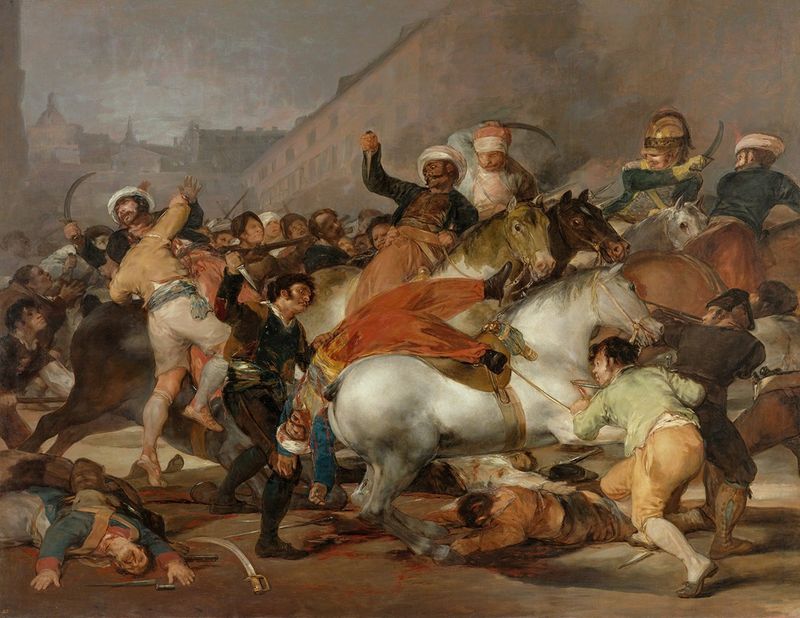
The Charge of the Mamelukes (1814)
Francisco de Goya

De vier ruiters van de apocalyps
Albrecht Dürer