Newark Abbey — History & Analysis
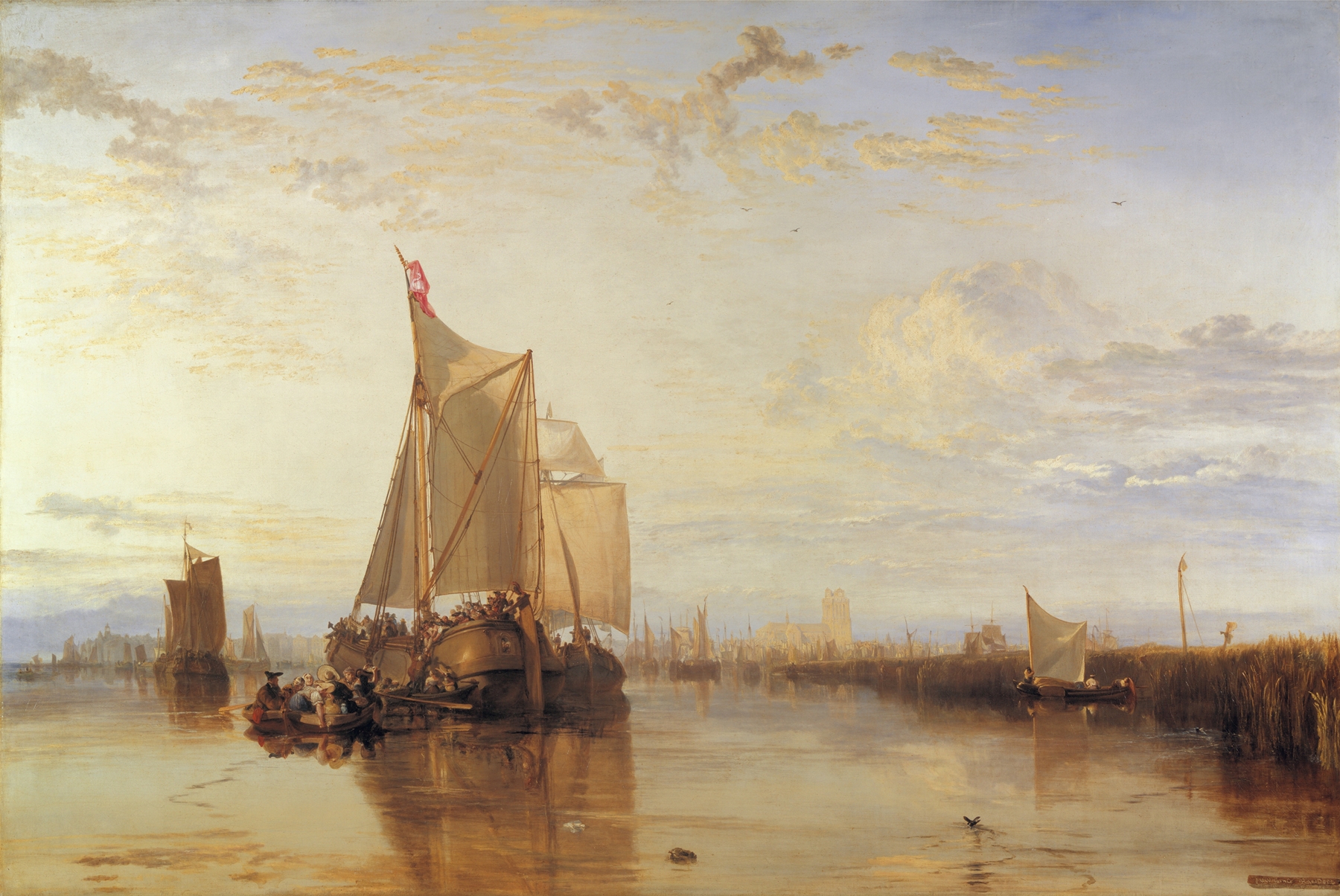
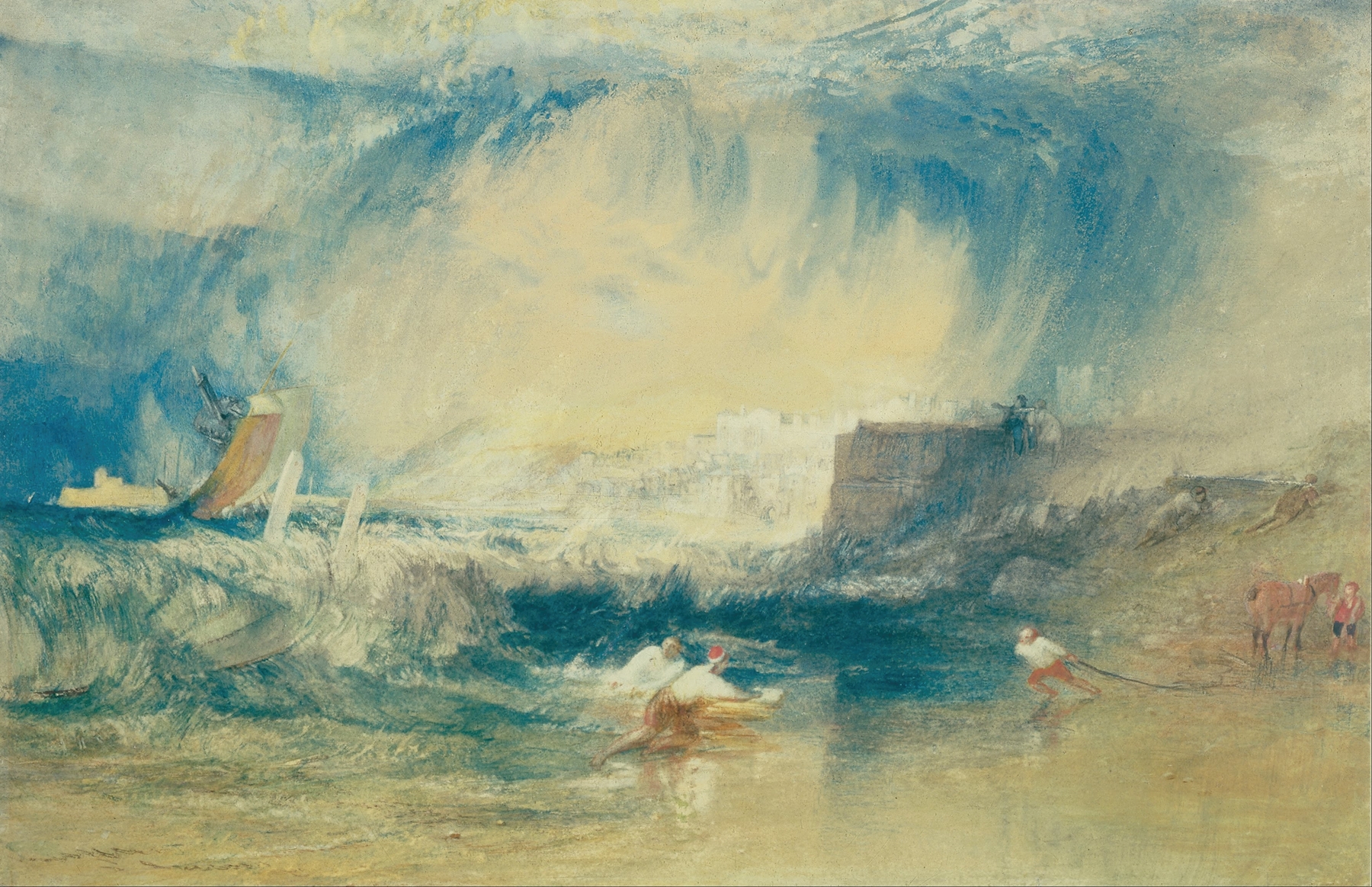
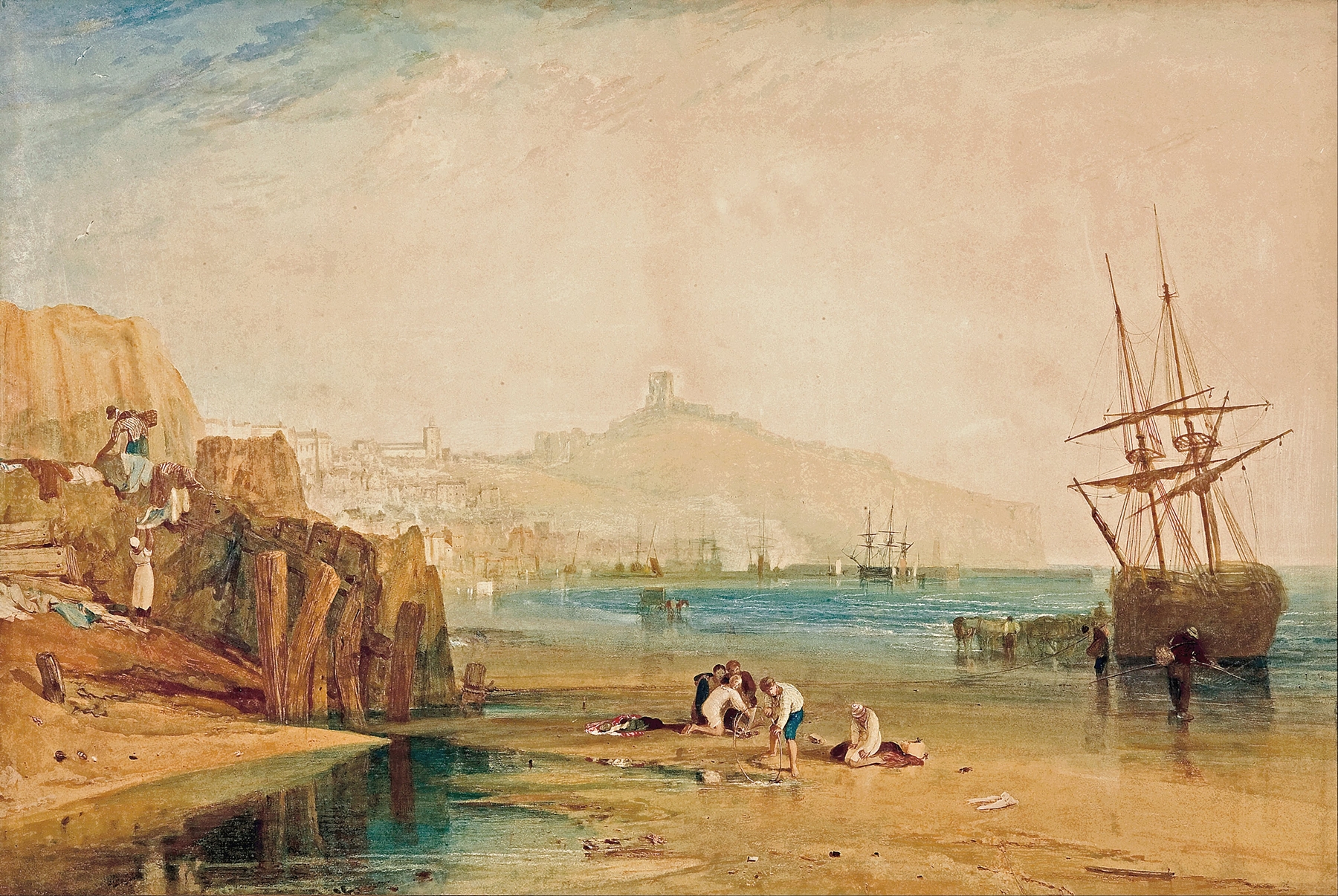
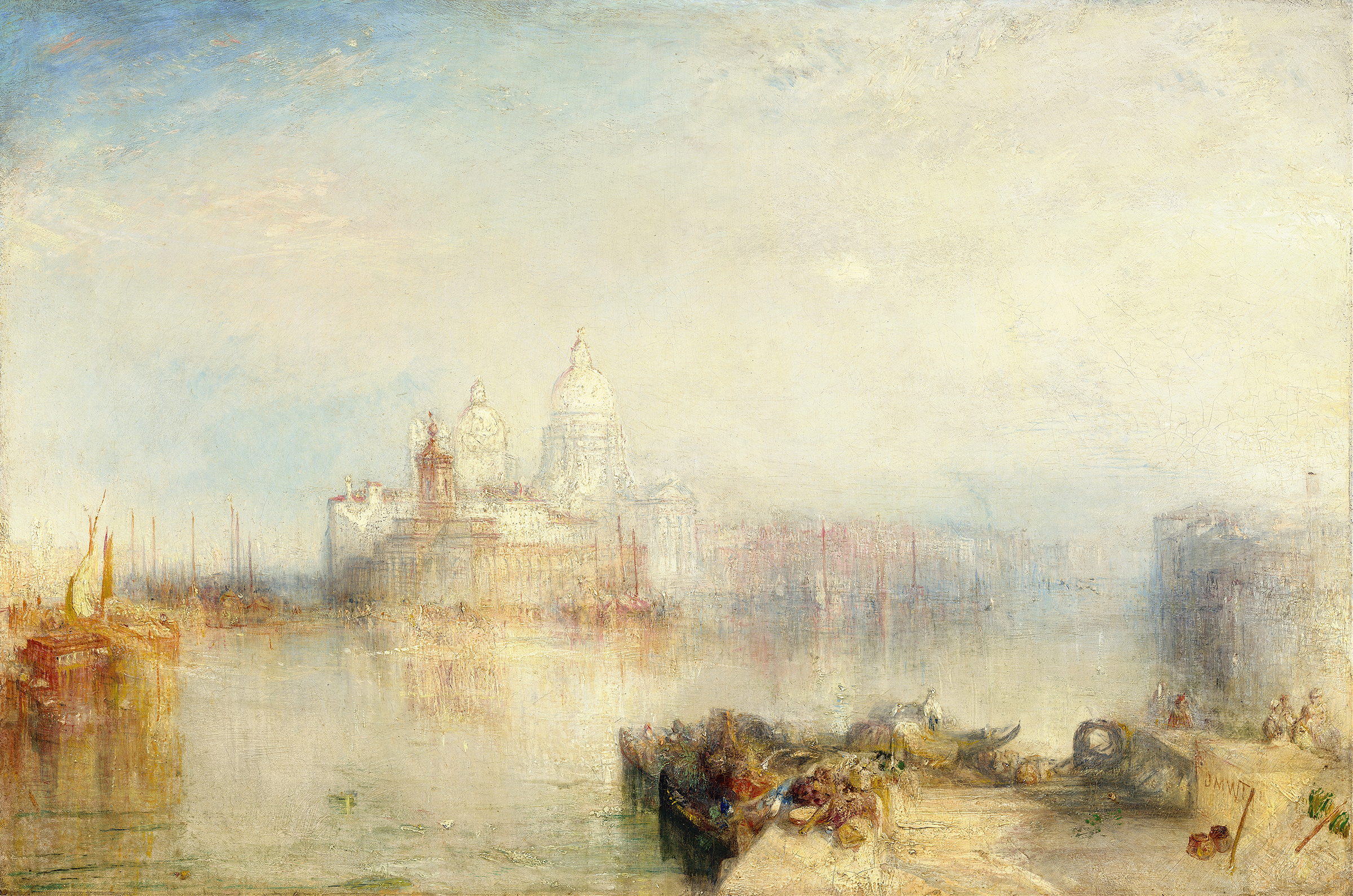
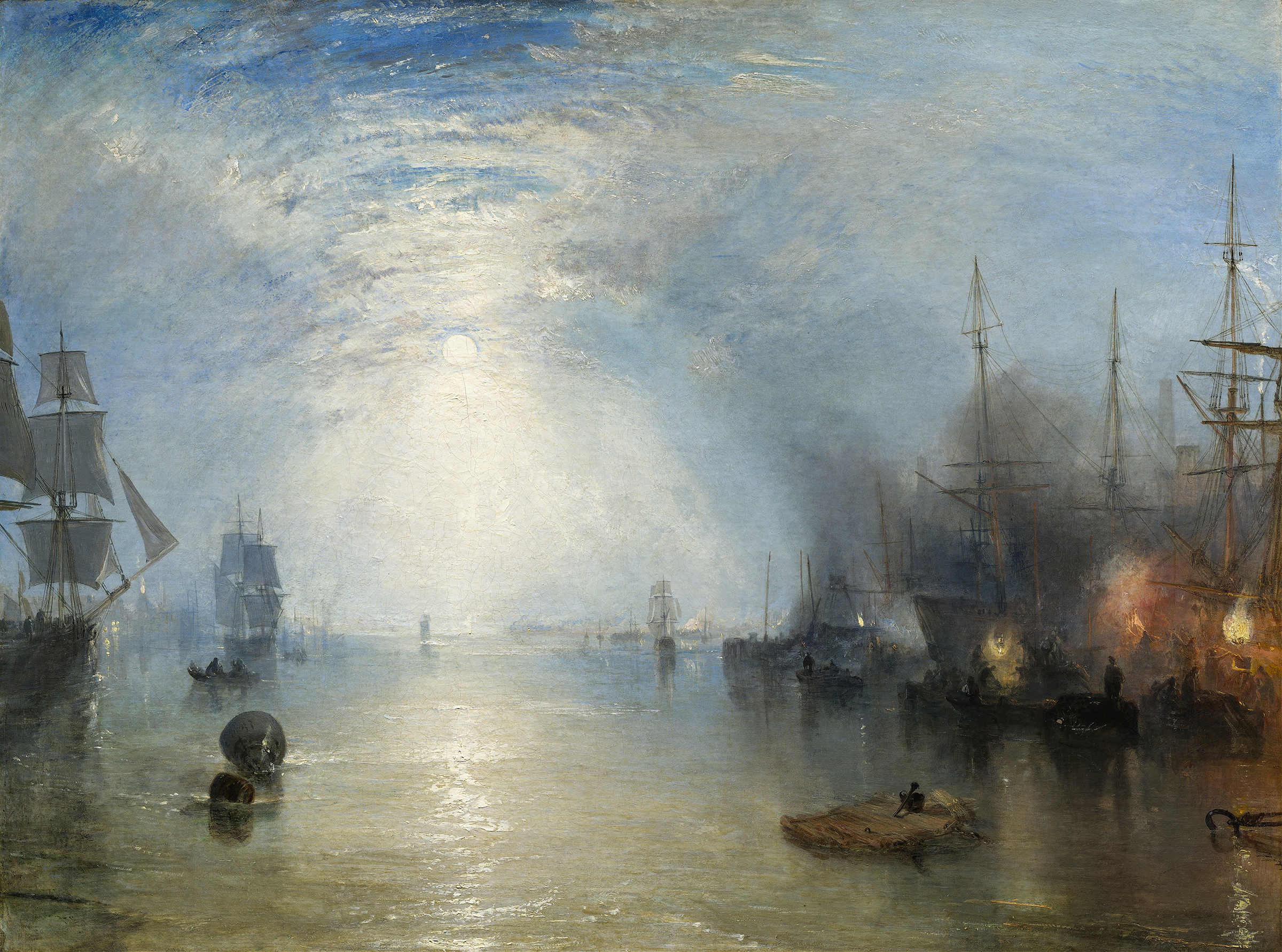
Where does light end, and longing begin? In the soft embrace of twilight, memory melds with reality, and a single moment can evoke a cascade of emotions. Look to the horizon where Turner’s palette delicately blurs the line between day and night. The ethereal glow of the abbey rises, cloaked in mist, as muted hues of lavender and gold intertwine with deep blues and grays. The composition draws the eye upward, creating a sense of elevation and aspiration, while the reflections in the water shimmer with a dreamlike quality.
The striking contrast between the solidity of the structure and the ephemeral sky resonates with the viewer, hinting at both permanence and transience. Delve deeper into the painting’s nuances, and the emotional interplay becomes evident. The abbey stands as a sentinel of history, evoking a sense of nostalgia for a time lost and a culture fading. Yet it also captures the fleeting nature of beauty, where light dances upon the surface, momentarily illuminating the scene before it retreats into shadow.
Each brushstroke whispers tales of longing, evoking the silent stories of those who once walked its grounds, as memories linger like the last rays of sunlight. Turner crafted this work during a period of personal introspection, around 1806-1807, in England. At this time, he was emerging as a significant figure in the art world, experimenting with color and light in ways that would define his legacy. The political and social upheaval of the era influenced his artistic vision, urging him to explore deeper emotional landscapes, which ultimately made Newark Abbey a timeless reflection on the interplay of memory and the passage of time.