
Night — History & Facts
What if beauty was never meant to be finished? In the depths of a dream, where shadows dance and secrets linger, Night transports us to a realm where twilight reigns supreme. Look to the left at the thick, swirling clouds that embrace the fading light, their deep indigo hues casting a mysterious spell over the landscape. The horizon, a delicate thread of gold, teeters on the edge of darkness, inviting the viewer to navigate the thin veil between reality and imagination. The brushwork is both fluid and deliberate, capturing the night’s ethereal quality while anchoring the piece in a tangible, almost palpable atmosphere. Beneath the surface, the painting reveals a tension between solitude and harmony.
The trees, silhouetted against the vibrant sky, stand tall yet solitary, epitomizing a quiet resolve in the face of encroaching night. The interplay of light and shadow suggests a fleeting moment, hinting at the transient essence of beauty—a reminder that dreams, like the night, are both elusive and enchanting, forever inviting us to explore further. Maksymilian Gierymski painted Night in 1872, during a time when he was immersed in the artistic communities of Poland. The era was marked by a burgeoning interest in realism and the exploration of light and atmosphere, influenced by both Romanticism and Impressionism.
Gierymski's work reflects these currents, capturing the essence of a moment that feels both deeply personal and universally resonant.
More Artworks by Maksymilian Gierymski
Browse all →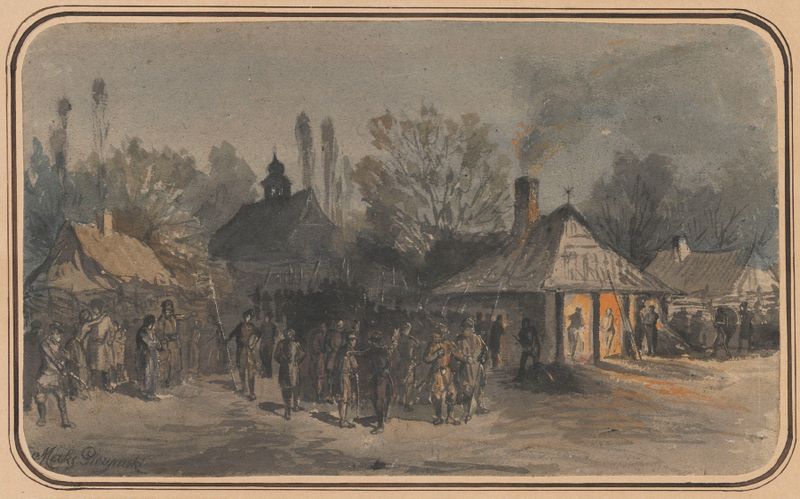
Wymarsz powstańców ze wsi w 1863 roku
Maksymilian Gierymski

Insurgents at night
Maksymilian Gierymski
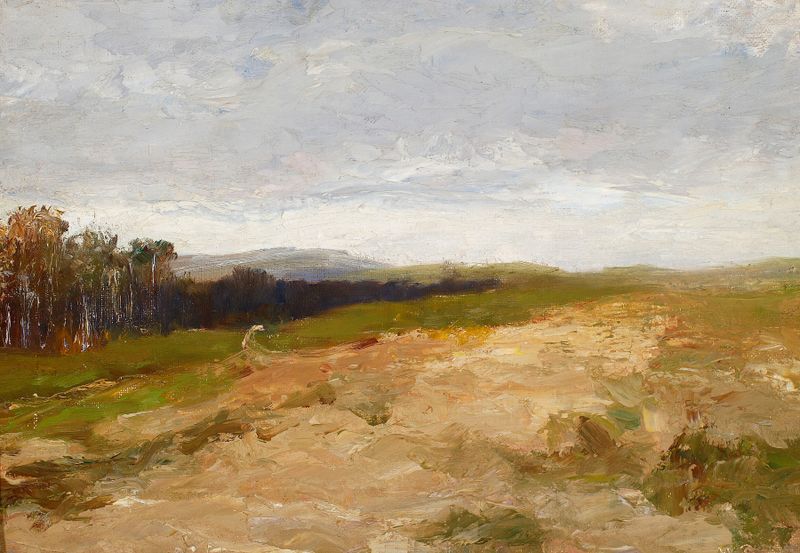
Landscape with a birch grove
Maksymilian Gierymski

Powiśle in Warsaw
Maksymilian Gierymski
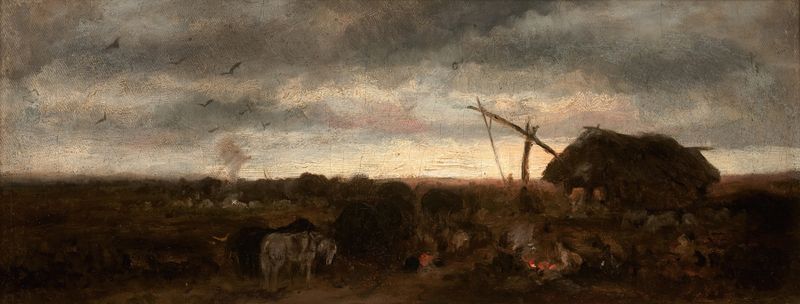
Gypsy Camp II
Maksymilian Gierymski
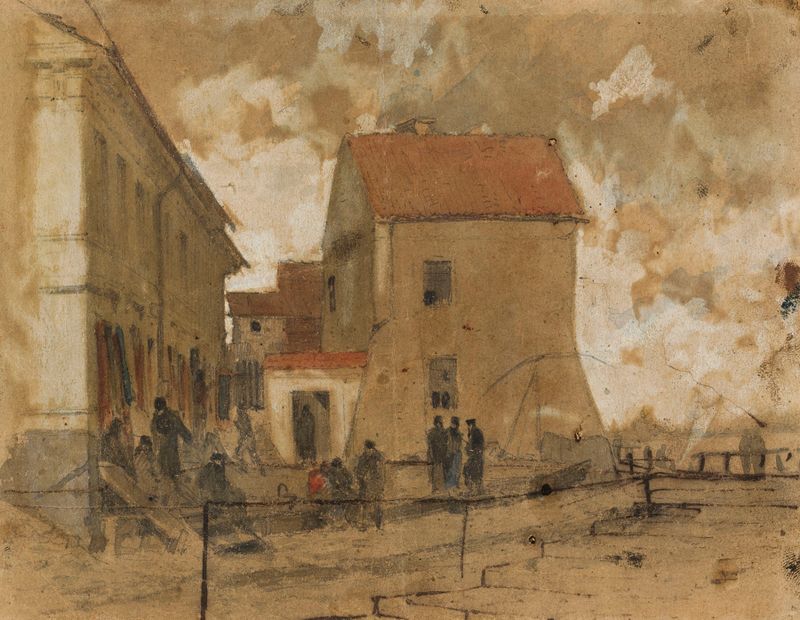
View of Solec
Maksymilian Gierymski

Winter in a small town, sketch I
Maksymilian Gierymski

View of marshes at sunset
Maksymilian Gierymski
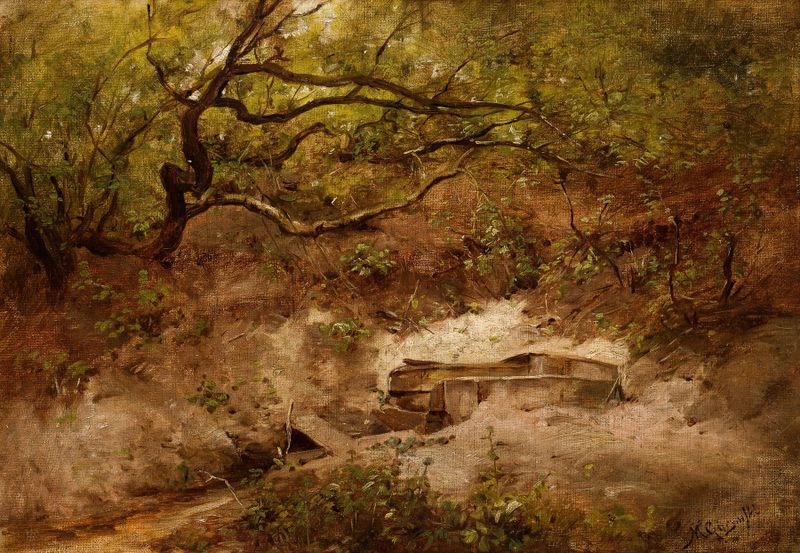
An Apple Tree at a Stream
Maksymilian Gierymski
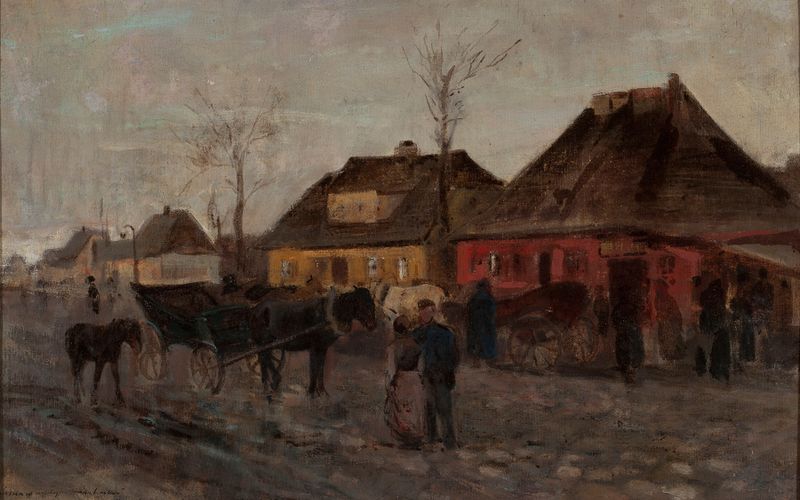
Springtime in a small town, sketch
Maksymilian Gierymski





