
Powiśle in Warsaw — History & Facts
Could beauty survive in a century of chaos? In Powiśle in Warsaw, the answer unfolds silently, yet powerfully, as the viewer stands witness to the juxtaposition of nature and urban life. Focus on the soft, earthy tones that envelop the scene, where the warm hues of the landscape contrast with the cooler, muted colors of the buildings. Look to the left at the gentle curve of the river, its surface reflecting the delicate morning light. Notice how the artist skillfully captures the shimmering effect, creating a tranquil yet transient moment.
The brushwork is fluid, inviting the eye to wander through the composition, where rural charm meets the encroachment of an industrial age. Hidden beneath this serene surface lies a profound tension. The trees, resilient yet fragile, echo the uncertainty of the time, as if anticipating the changes that urbanization would bring. The quiet figures, seemingly at peace, suggest a fragile harmony amidst the backdrop of progress, contrasting their stillness with the inevitable momentum of modernity.
This tension between nature and the human imprint speaks to a broader fear of loss—of beauty, simplicity, and time-honored traditions. Maksymilian Gierymski painted this piece in 1870 while living in Warsaw, a city grappling with political upheaval and social change. This period was marked by a growing interest in realism, as artists sought to reflect the complexities of life. Gierymski, influenced by the cultural shifts around him, explored the delicate balance between the pastoral and the encroaching urban landscape, forging a poignant commentary on the transformation of his beloved city.
More Artworks by Maksymilian Gierymski
Browse all →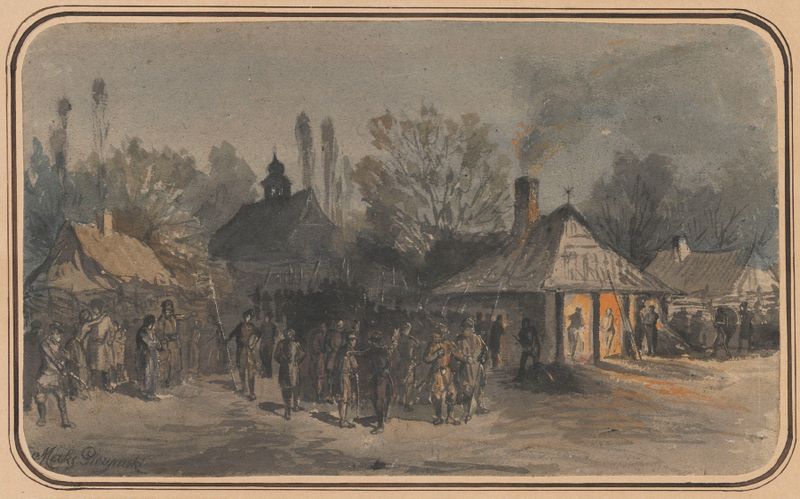
Wymarsz powstańców ze wsi w 1863 roku
Maksymilian Gierymski

Insurgents at night
Maksymilian Gierymski
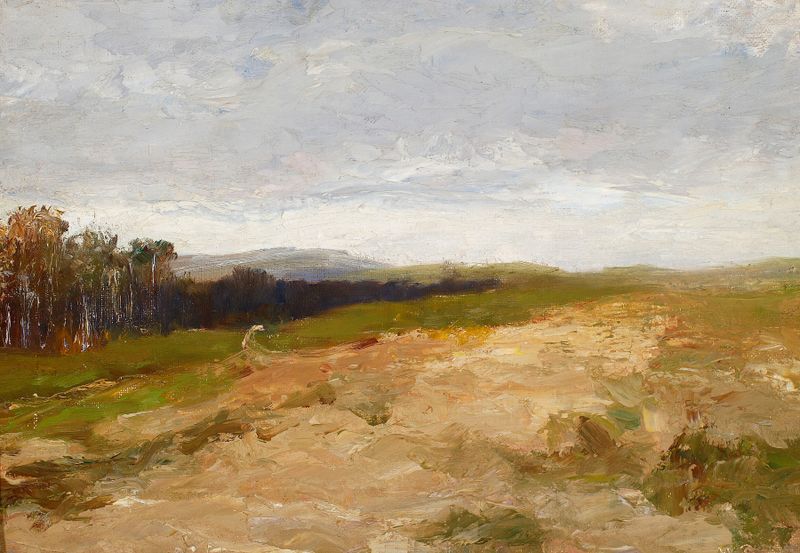
Landscape with a birch grove
Maksymilian Gierymski
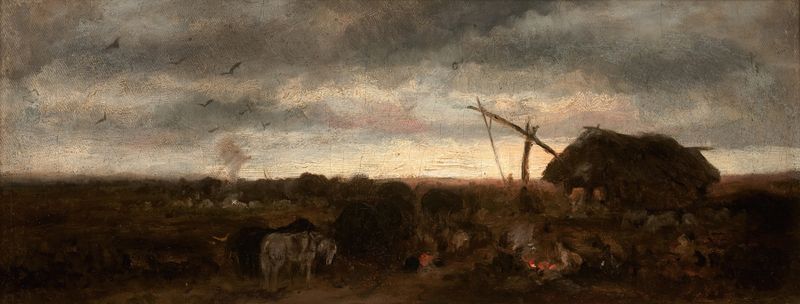
Gypsy Camp II
Maksymilian Gierymski
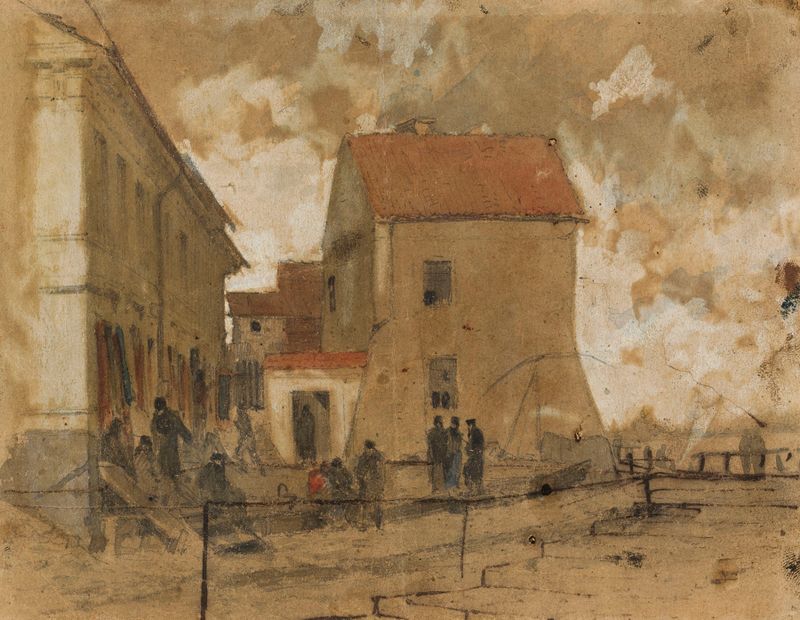
View of Solec
Maksymilian Gierymski

Winter in a small town, sketch I
Maksymilian Gierymski

View of marshes at sunset
Maksymilian Gierymski
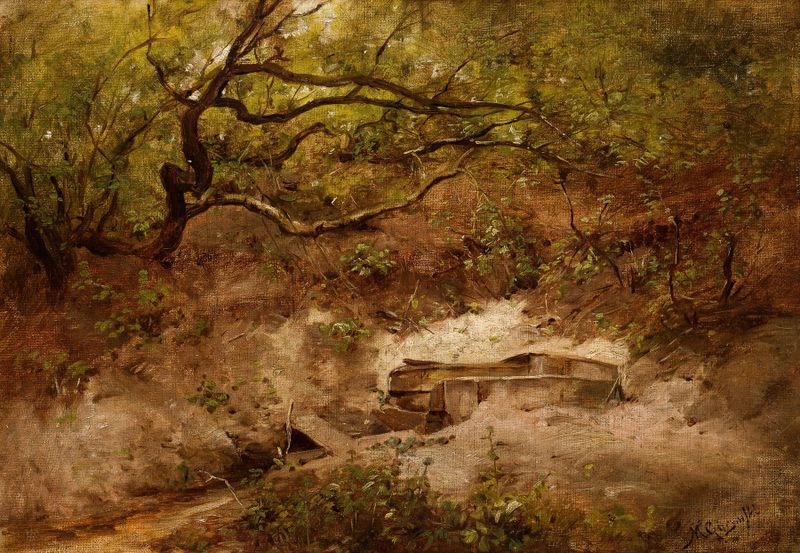
An Apple Tree at a Stream
Maksymilian Gierymski
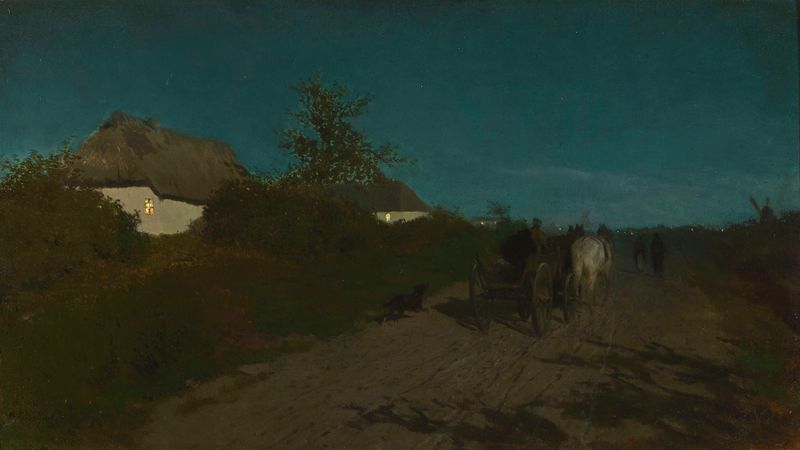
Night
Maksymilian Gierymski
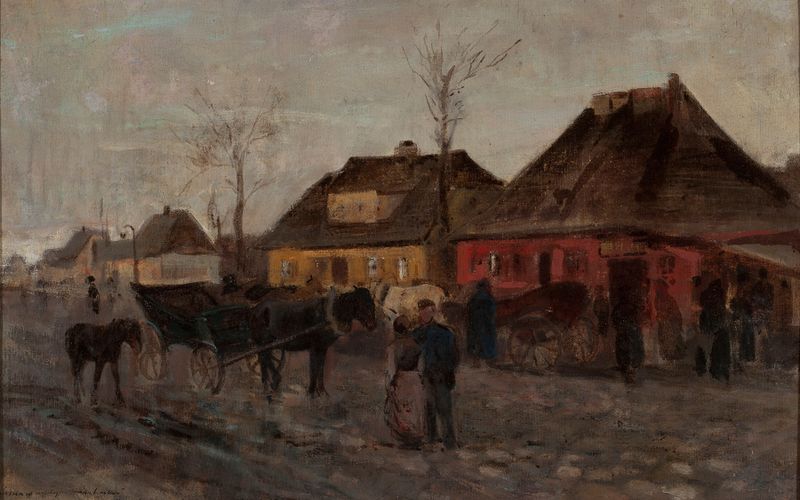
Springtime in a small town, sketch
Maksymilian Gierymski





