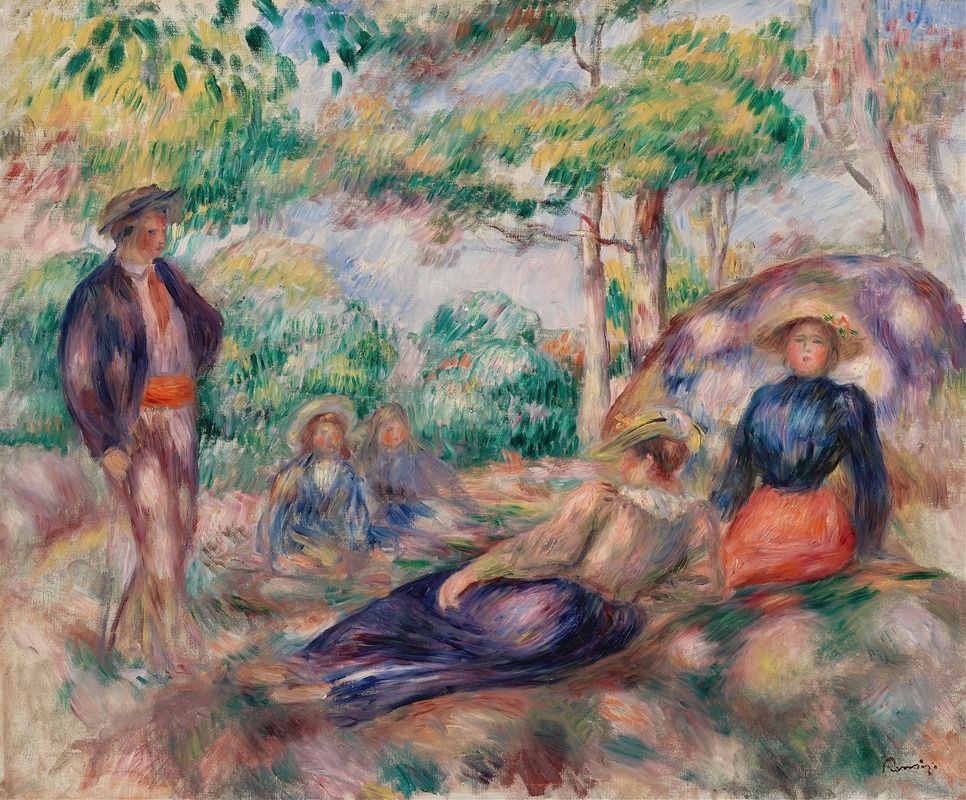
Discover insights about this artwork
Night (After Millet) — History & Facts
In Night (After Millet), Vincent van Gogh presents a tranquil scene illuminated by a soft moonlight. The colors are predominantly deep blues and blacks, creating a serene atmosphere. Silhouettes of trees and a quiet landscape are visible, suggesting a rural setting.
The brushwork is expressive, adding a sense of movement to the night sky. This painting is executed in oil on canvas, showcasing Van Gogh's characteristic thick application of paint. The dimensions are approximately 73 x 92 cm, making it a substantial piece. The composition reflects Van Gogh's admiration for Jean-François Millet, as he reinterprets Millet's themes through his unique style.
The use of color and light is particularly striking in this work. Created in 1889, Night (After Millet) reflects Van Gogh's fascination with rural life and the natural world. This work was painted during his time in Saint-Rémy-de-Provence, where he sought solace and inspiration. An interesting fact is that Van Gogh often painted nocturnal scenes, exploring the effects of light and shadow.
This painting stands as a testament to his emotional connection to the night.
More Artworks by Vincent van Gogh
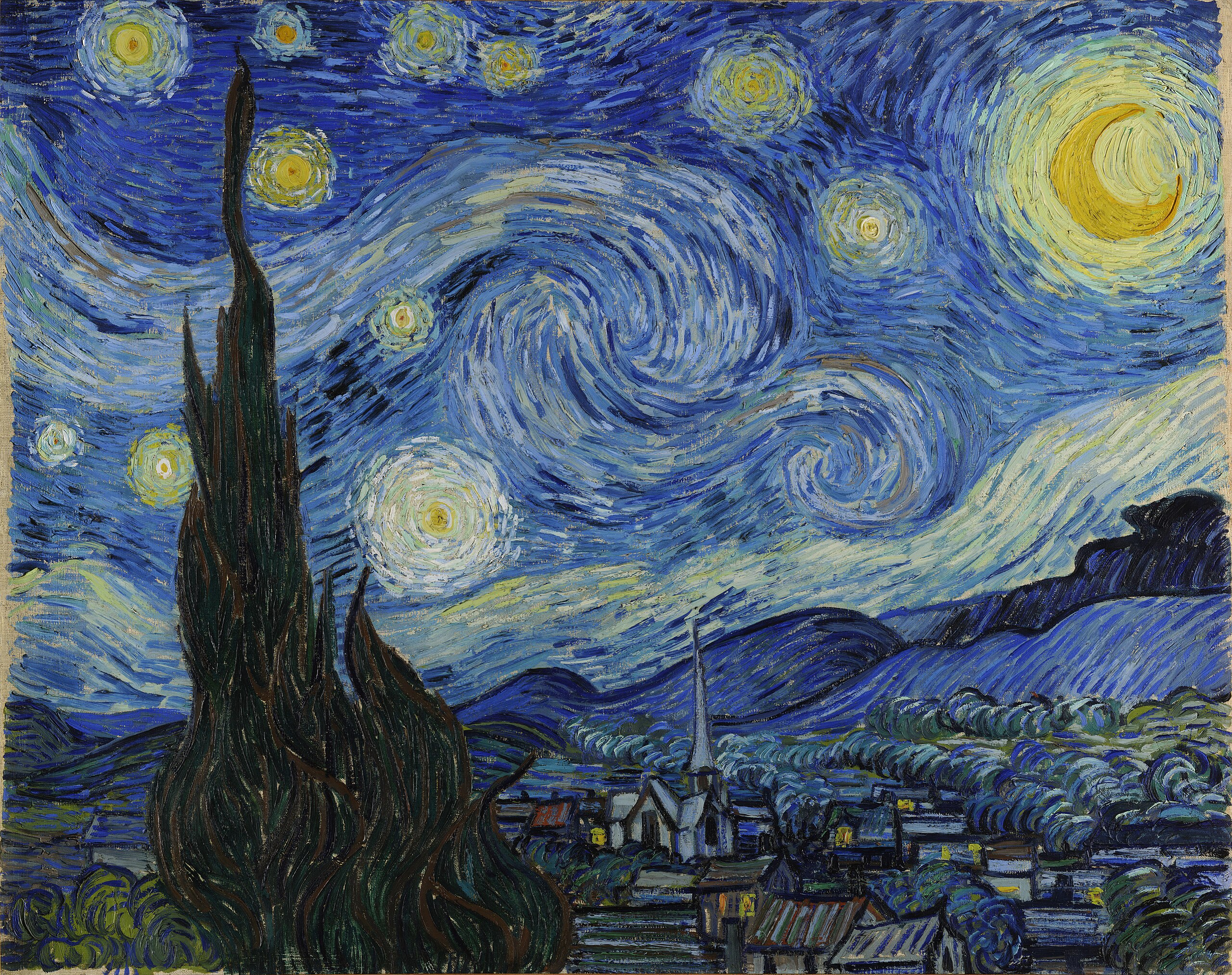
Starry Night
Vincent van Gogh
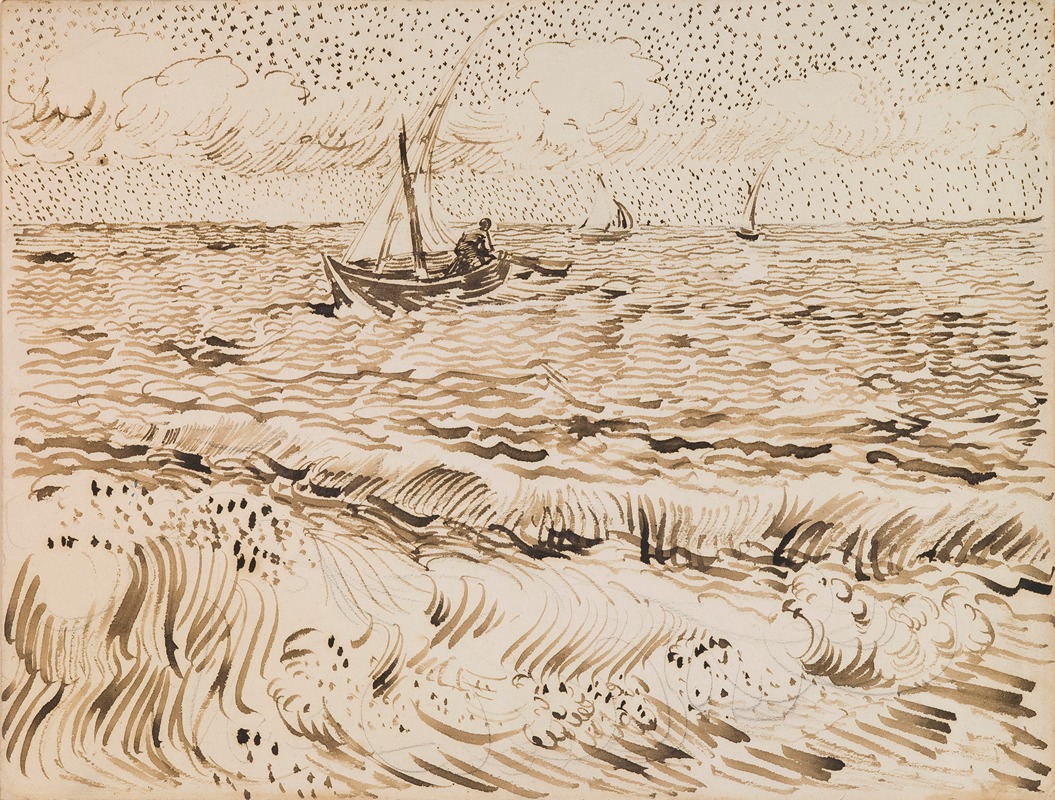
Fishing Boats at Saintes-Maries-de-la-Mer
Vincent van Gogh
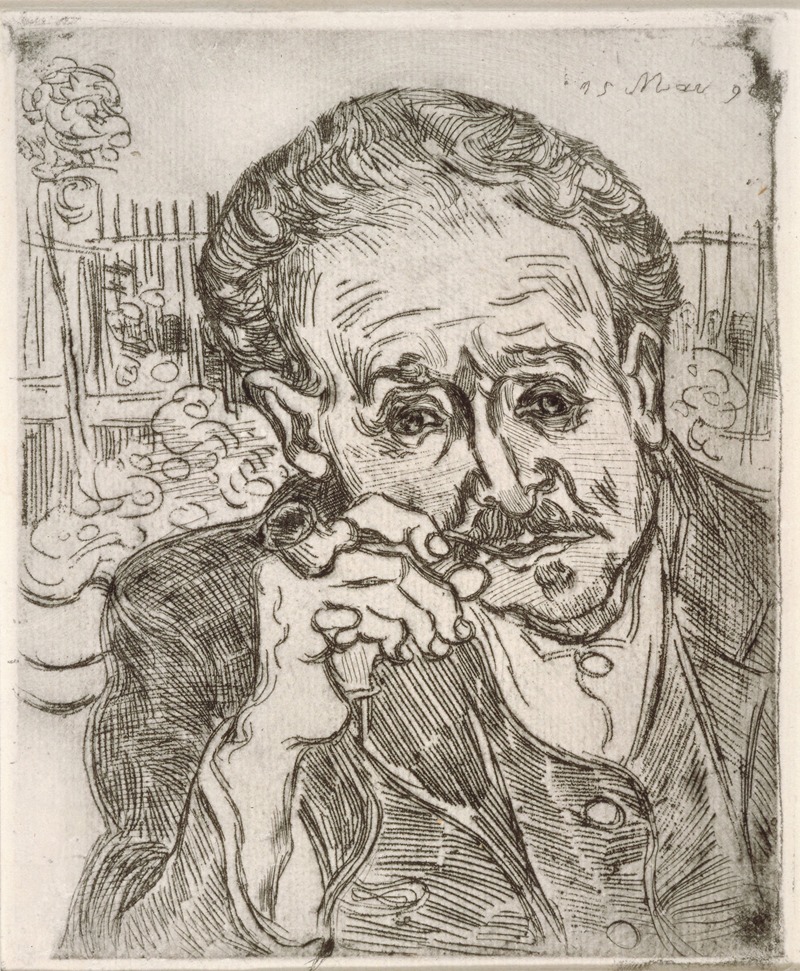
Portrait of Dr. Gachet (Auvers-sur-Oise)
Vincent van Gogh
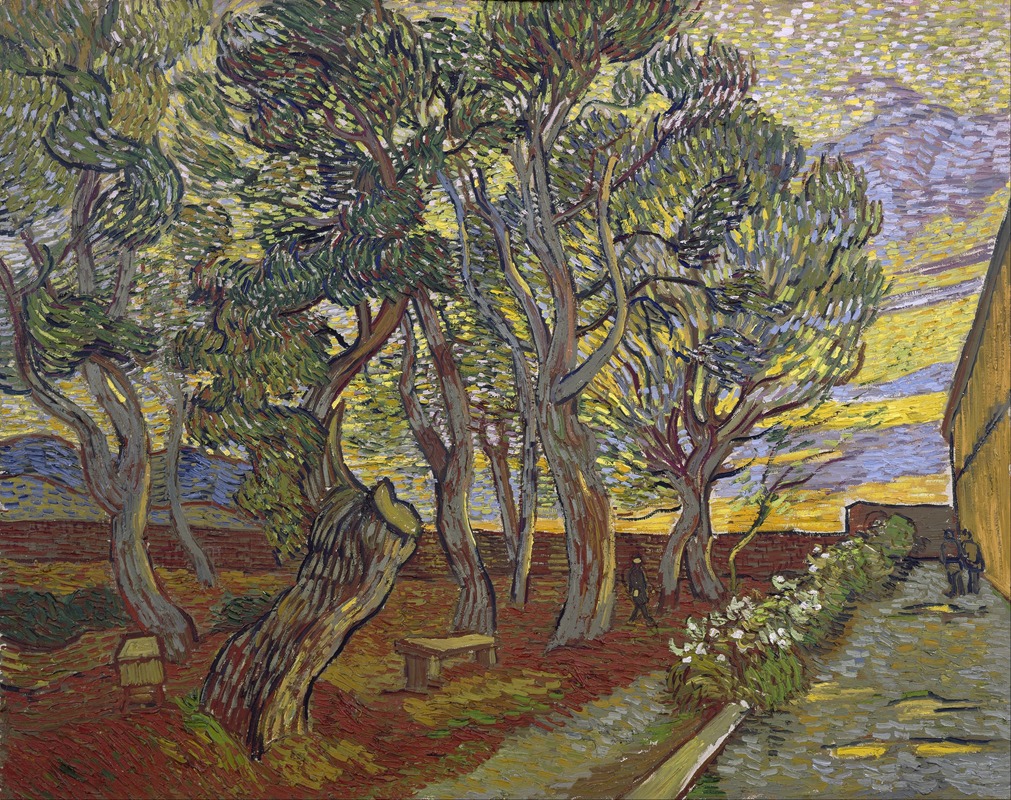
The garden of Saint Paul’s Hospital
Vincent van Gogh
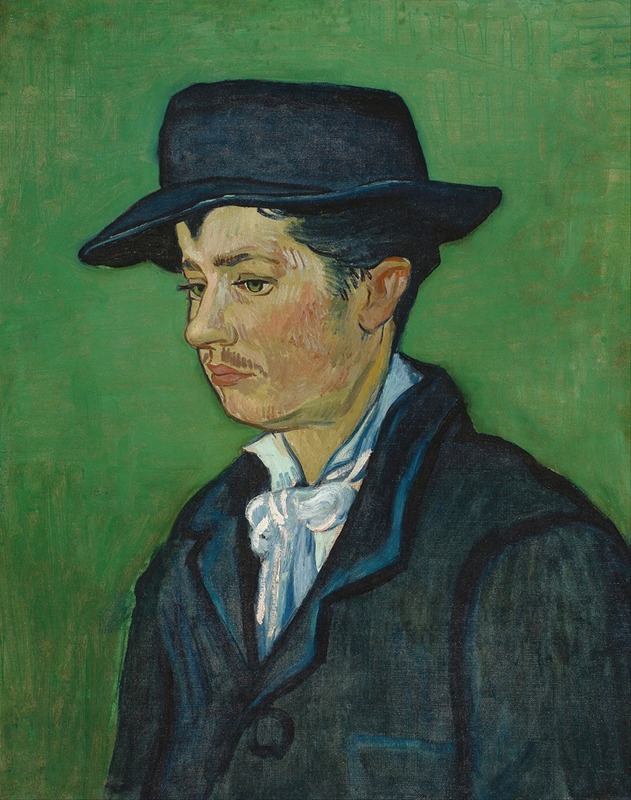
Portrait Of Armand Roulin
Vincent van Gogh
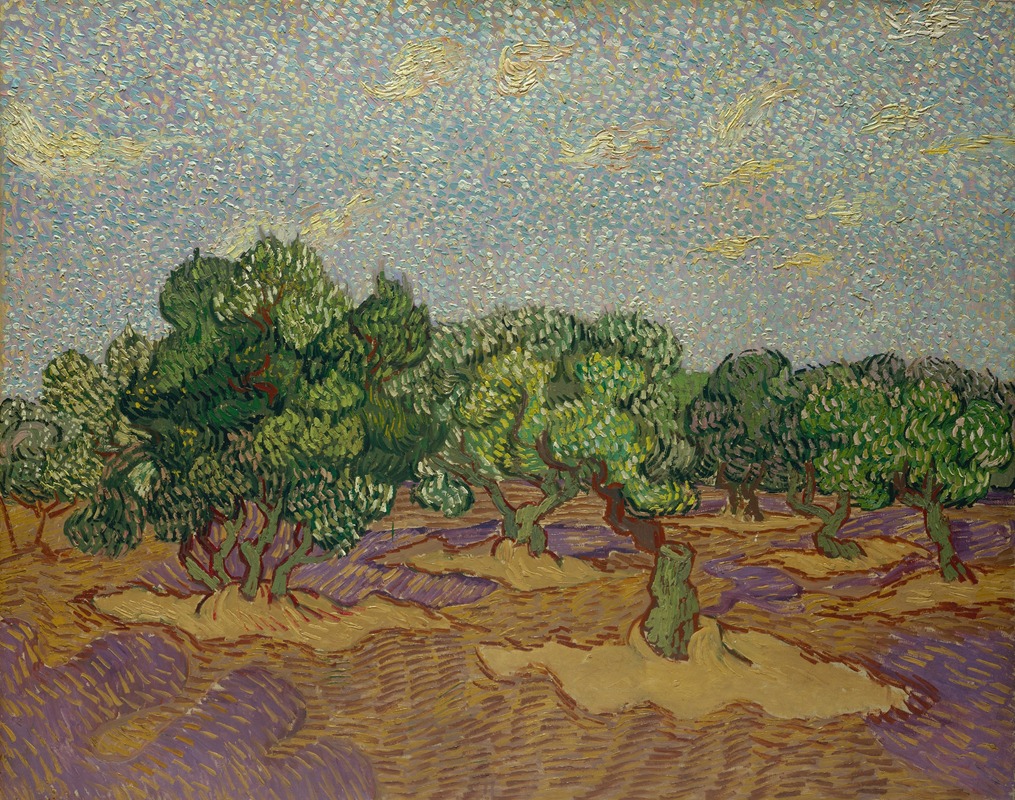
Olive Trees
Vincent van Gogh
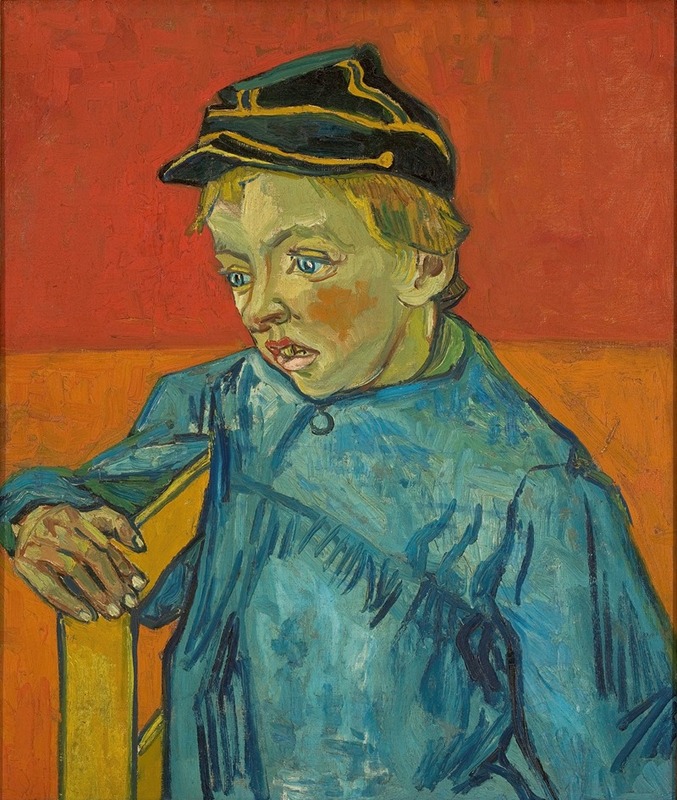
The Schoolboy (Camille Roulin)
Vincent van Gogh
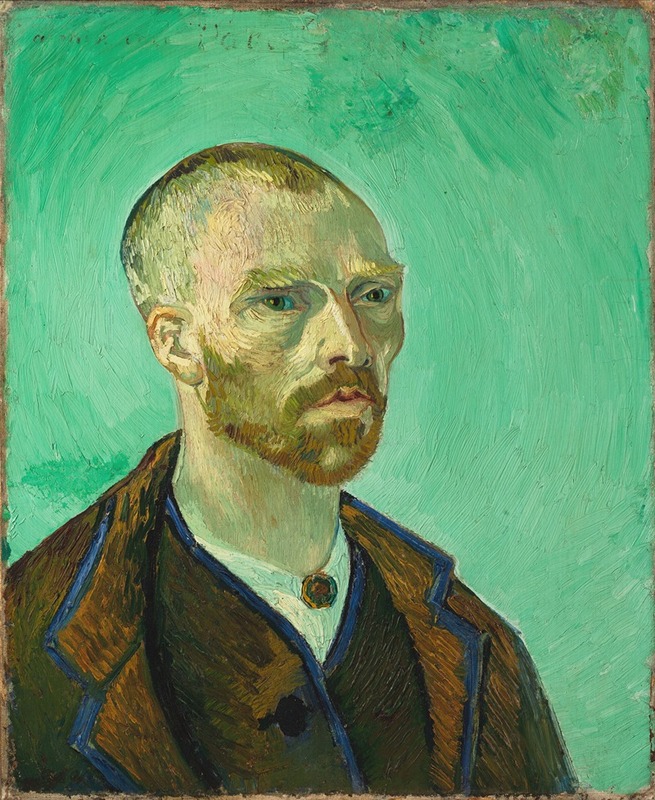
Self Portrait (dedicated to Paul Gauguin)
Vincent van Gogh
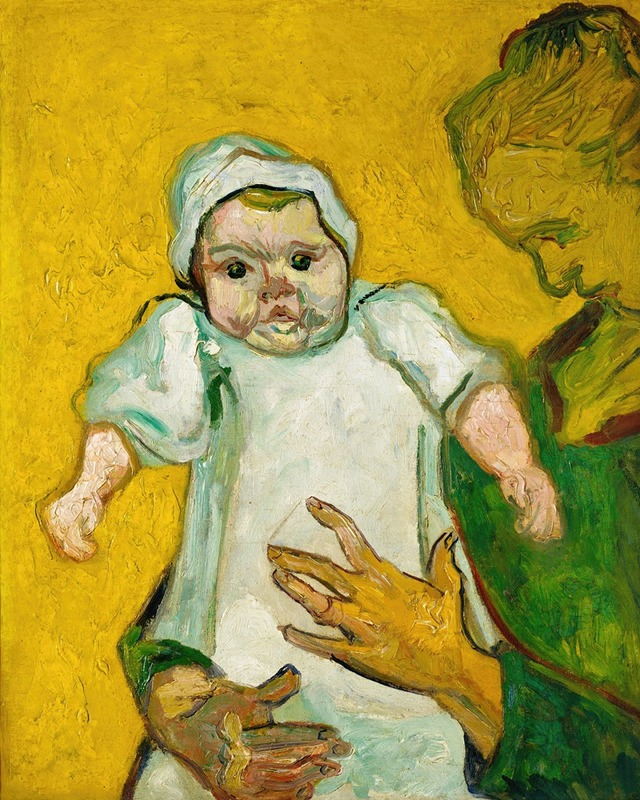
Madame Roulin and Her Baby
Vincent van Gogh
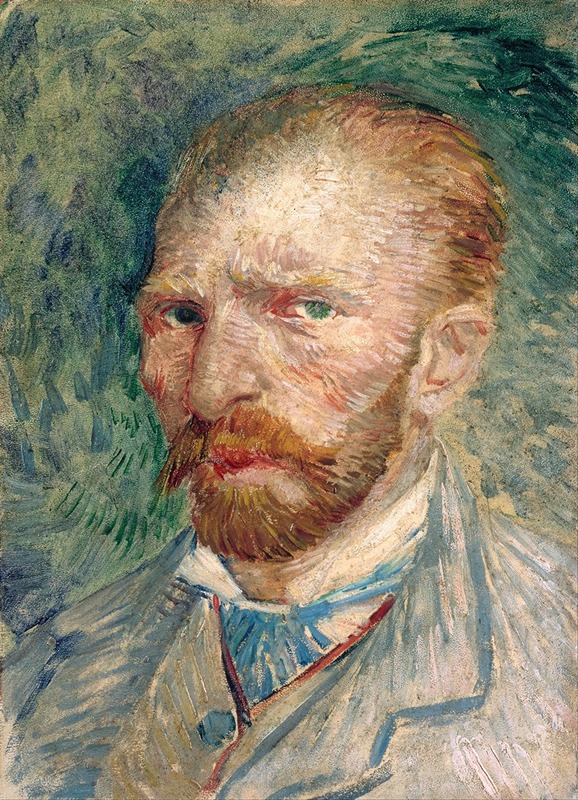
Self-Portrait
Vincent van Gogh