
Night on the Dniepr — History & Facts
A single, almost phosphorescent band of moonlight slices through the darkness, drawing the eye across the surface of the Dniepr as if the river itself were a secret, illuminated path. The moon, half-shrouded in clouds, does not simply light the landscape—it commands it, turning the water into a mirror and leaving the land in near-total obscurity. The few visible structures on the riverbank—huts, perhaps, or silent watchposts—are dwarfed by the vast, unreadable night, their forms barely distinguishable.
Every brushstroke seems calculated to heighten the sense of quiet and anticipation, as if something unseen is about to emerge from the gloom or from the glowing water itself. In this painting, darkness is not emptiness but a force, and the light is a rare, precious visitor. Painted in 1882, Night on the Dniepr belongs to a moment in Russian art when landscape was more than a backdrop; it was a stage for the mysteries of nature and the imagination of the viewer. Artists like Arkhip Ivanovich Kuindzhi were fascinated by the effects of light and atmosphere, pushing the boundaries of what paint could suggest about the world’s hidden moods.
Works like this were often shown in exhibitions that drew crowds eager to see new visions of their homeland, as the Russian Empire’s identity shifted and expanded. Today, the painting survives in digital form on Google Arts & Culture, its origins and travels largely unrecorded, but its luminous river still invites the viewer to linger and search the darkness for meaning.
More Artworks by Arkhip Ivanovich Kuindzhi

Red Sunset on the Dnieper
Arkhip Ivanovich Kuindzhi
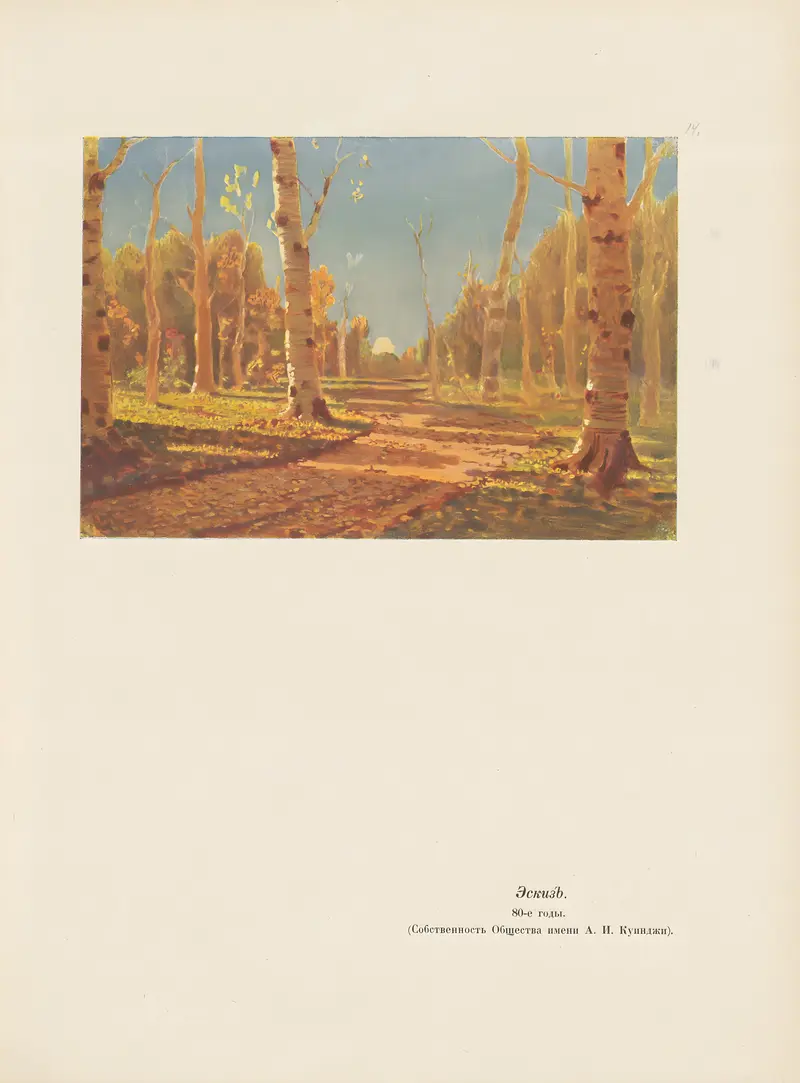
A. I. Kuindž Pl.09
Arkhip Ivanovich Kuindzhi
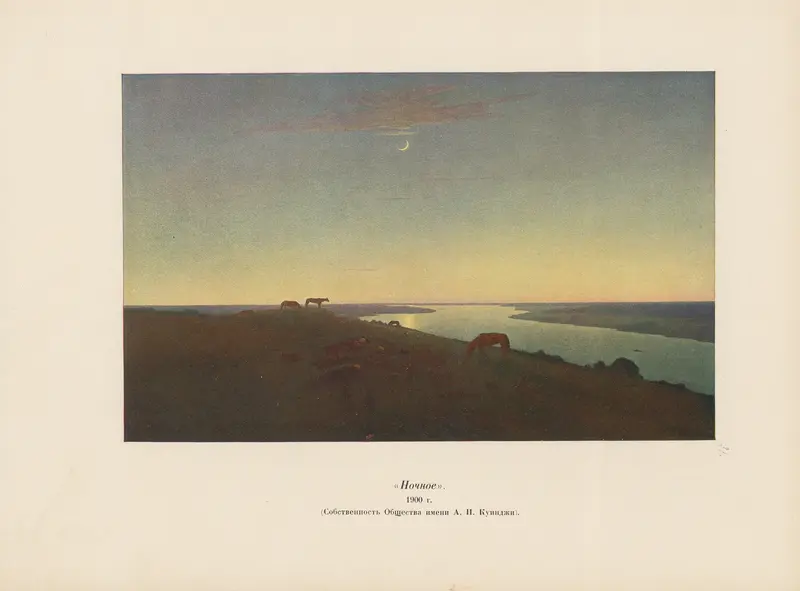
A. I. Kuindž Pl.26
Arkhip Ivanovich Kuindzhi
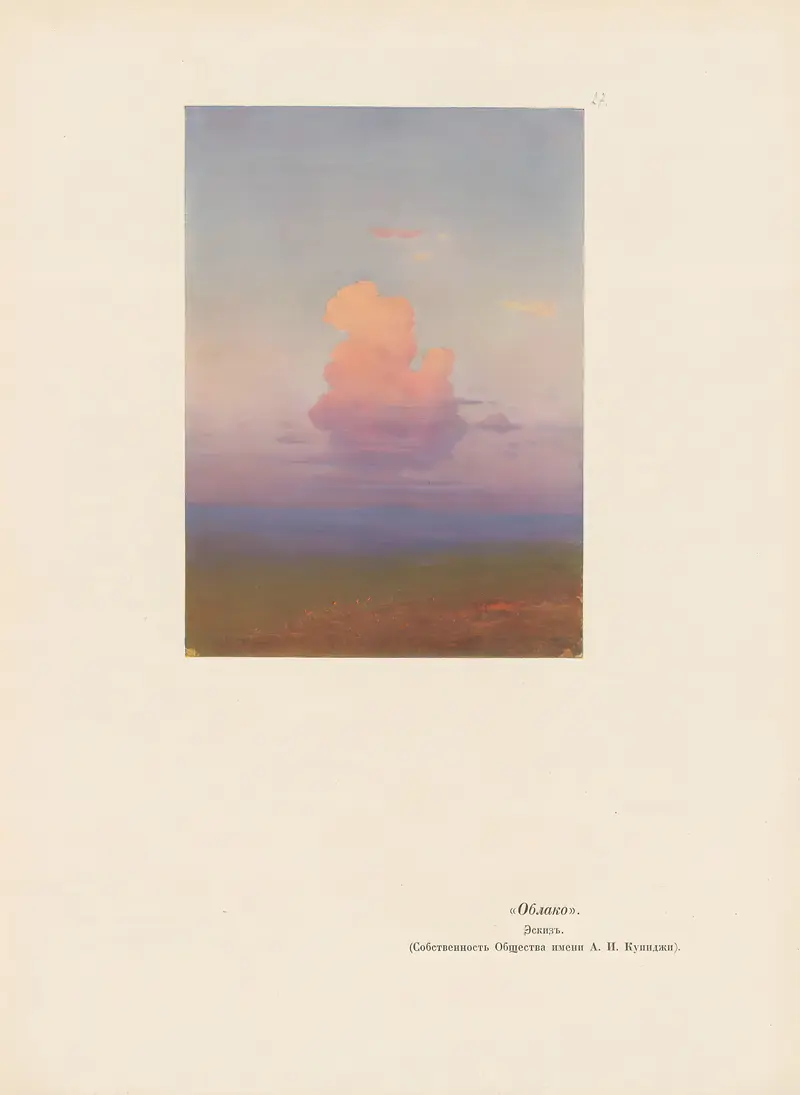
A. I. Kuindž Pl.22
Arkhip Ivanovich Kuindzhi
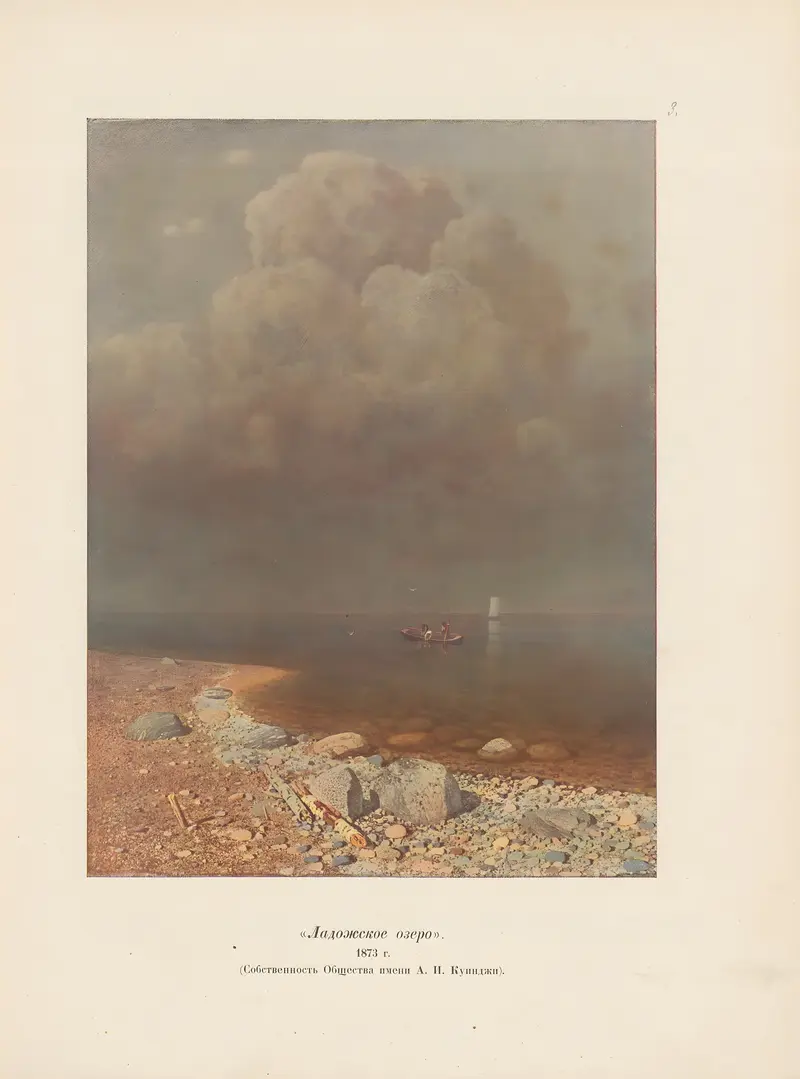
A. I. Kuindž Pl.01
Arkhip Ivanovich Kuindzhi
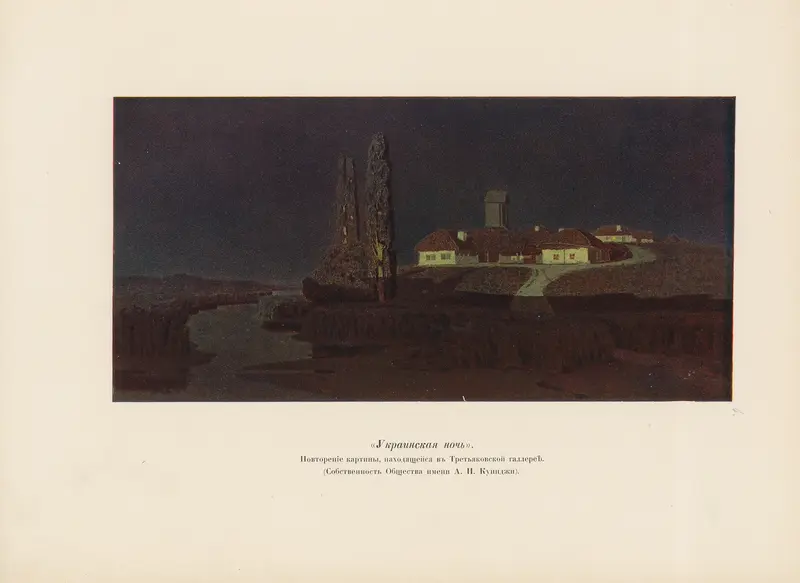
A. I. Kuindž Pl.03
Arkhip Ivanovich Kuindzhi
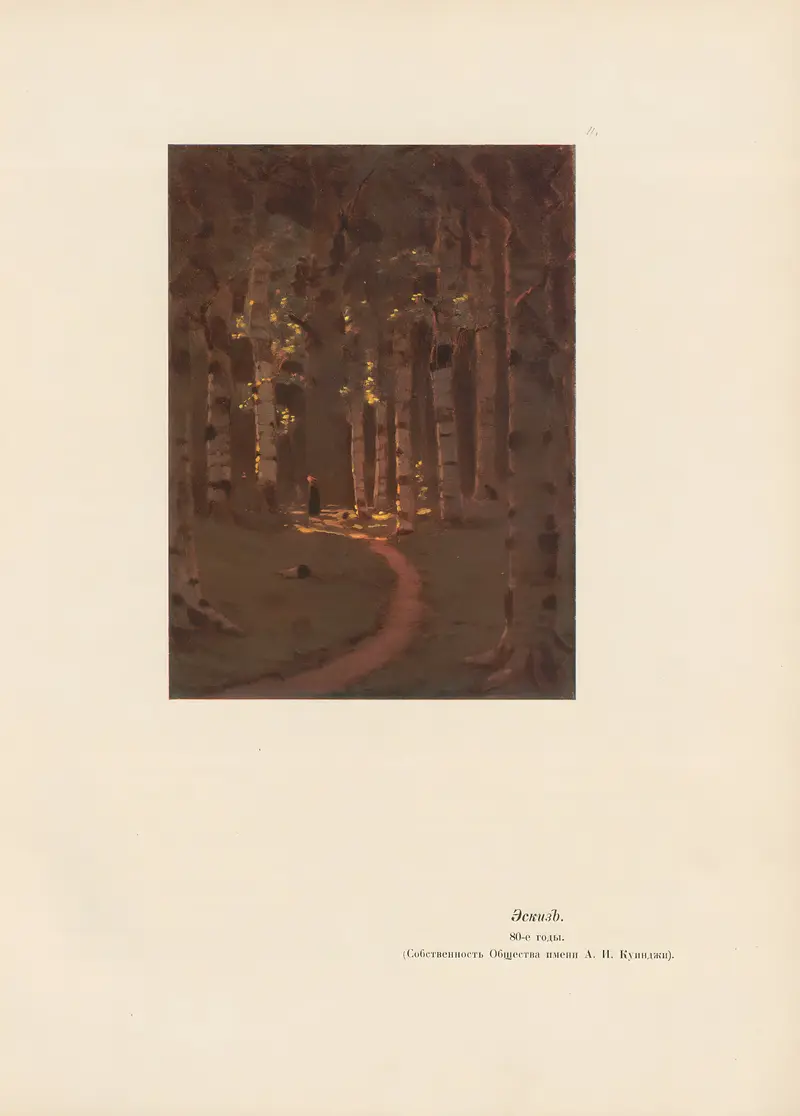
A. I. Kuindž Pl.06
Arkhip Ivanovich Kuindzhi
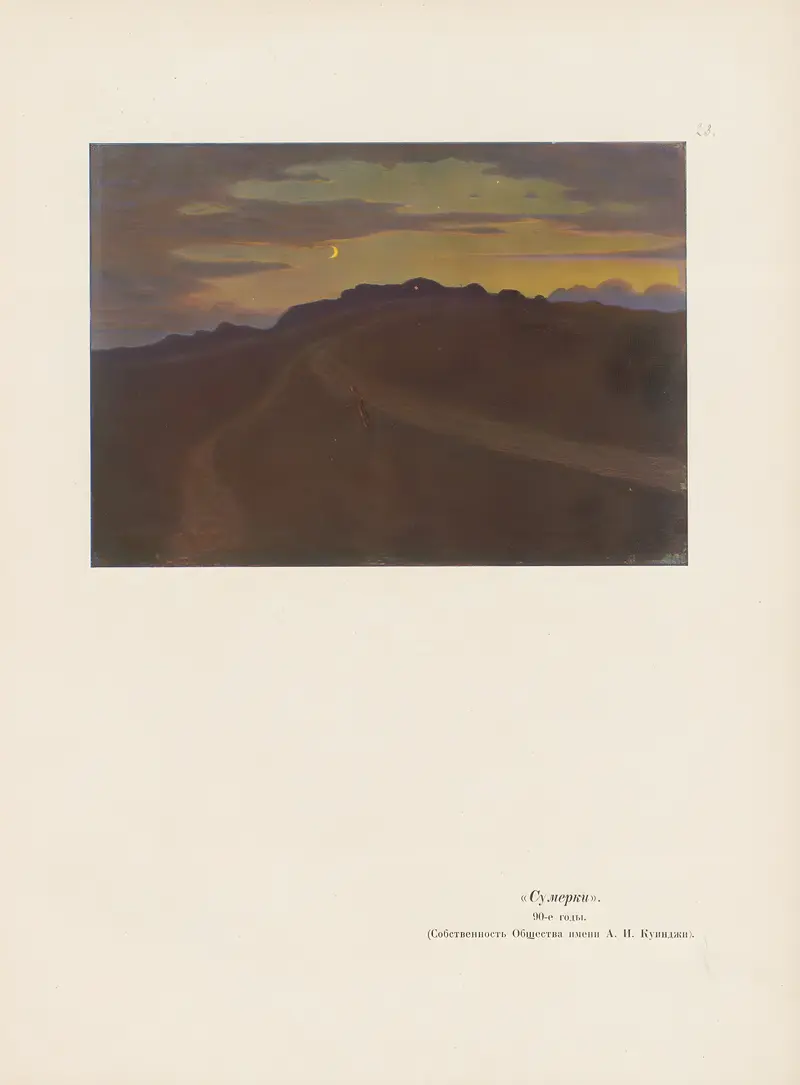
A. I. Kuindž Pl.18
Arkhip Ivanovich Kuindzhi
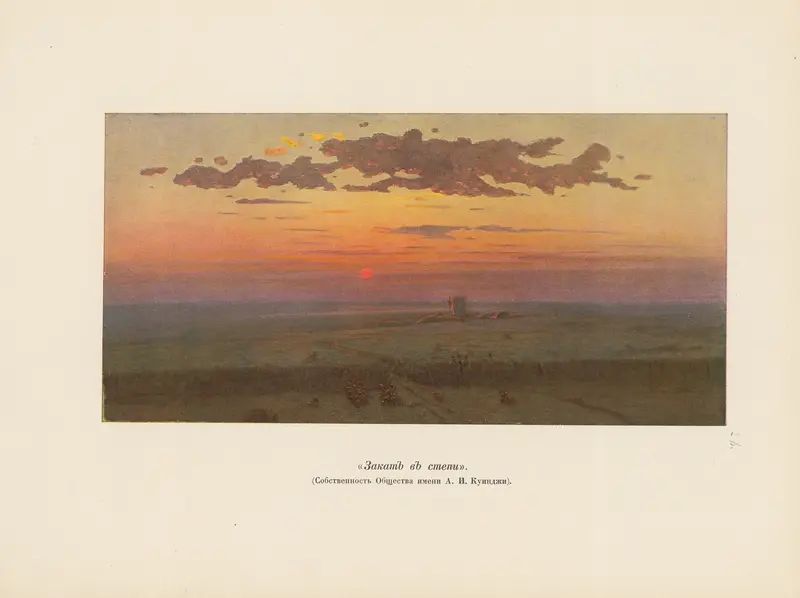
A. I. Kuindž Pl.21
Arkhip Ivanovich Kuindzhi

A. I. Kuindž Pl.12
Arkhip Ivanovich Kuindzhi
More Landscape Art

The Starry Night
Vincent van Gogh

View of Delft
Johannes Vermeer

Water Lilies
Claude Monet

The Grand Canal, Venice, looking north-west from the Ca' Corner to the Ca' Contarini degli Scrigni, with the campanile of Santa Maria della Carità
Canaletto

Windsor Castle
Canaletto

The Grand Canal looking North-East from the Palazzo Dolfin-Manin to the Rialto Bridge
Canaletto