
Night Rain at Karasaki — History & Facts
In the delicate embrace of twilight, beauty emerges not in grandeur but in the gentle balance of nature and humanity. Each droplet of rain transforms the ordinary into the extraordinary, inviting viewers into a moment of serene introspection. Look to the left at the distant mountains, their silhouettes gracefully fading into the night. The soft blues and muted grays of the sky create a calm backdrop, while the illuminated figures beneath the trees draw your eye.
Notice how the subtle brushstrokes evoke the rhythm of falling rain, blurring the lines between water and sky, creating a tapestry of texture that brings the scene to life. This artwork captures a moment of quiet reflection, where the contrasting elements of light and dark intertwine. The shimmering lanterns held by the figures serve as beacons of warmth amid the coldness of the rain, representing the delicate balance between solitude and connection. The vibrant color of the trees, depicted in deep greens, emphasizes resilience against the overwhelming forces of nature, signifying the harmony between man and the environment. In the year 1835, Utagawa Hiroshige was crafting his poetic landscapes during the Edo period in Japan.
This was a time of artistic flourishing, yet also of societal restrictions. Hiroshige was known for his masterful ability to capture the ephemeral beauty of nature, drawing inspiration from the world around him. Night Rain at Karasaki reflects not only his evolving style but also the cultural milieu that celebrated the fleeting moments of daily life and the intricate balance of existence within it.
More Artworks by Utagawa Hiroshige
Browse all →
Sudden Shower over Shin Ohashi Bridge and Atake (Ohashi Atake no yudachi), from the series "One Hundred Famous Views of Edo (Meisho Edo hyakkei)"
Utagawa Hiroshige
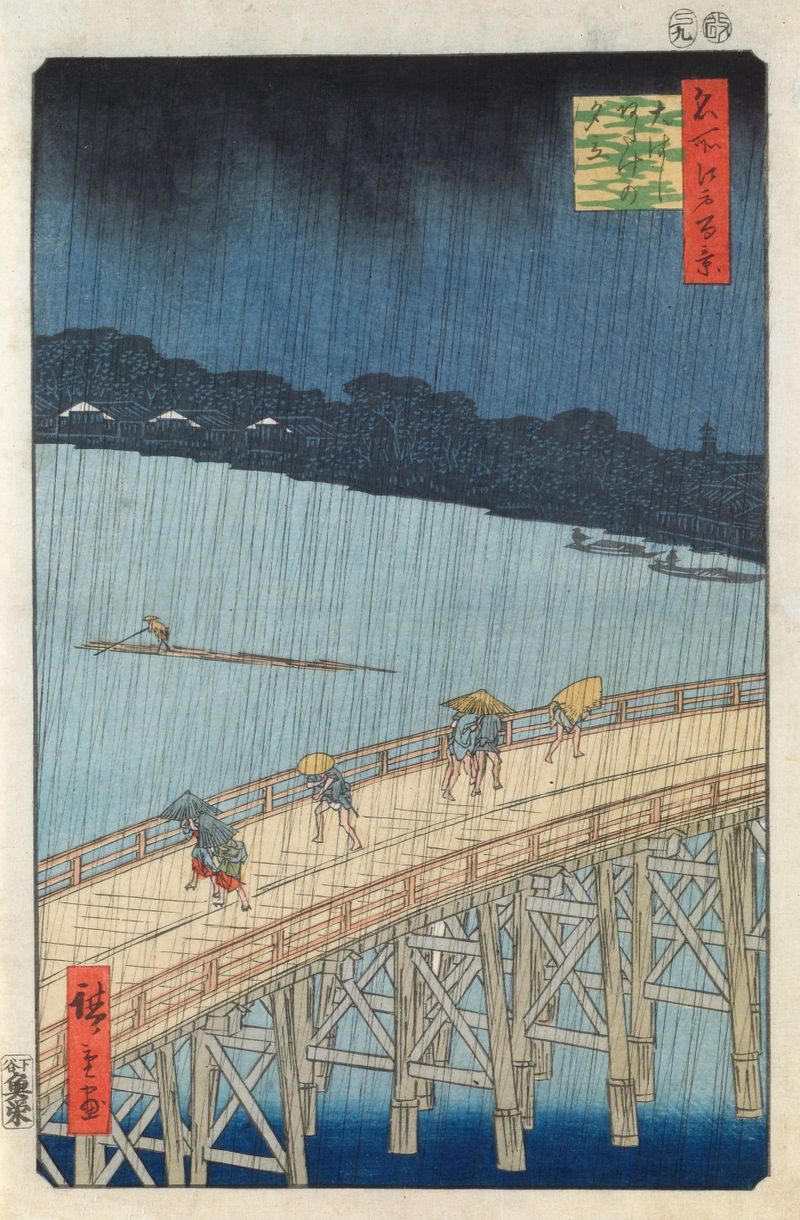
Sudden Shower Over Ohashi Bridge and Atake
Utagawa Hiroshige
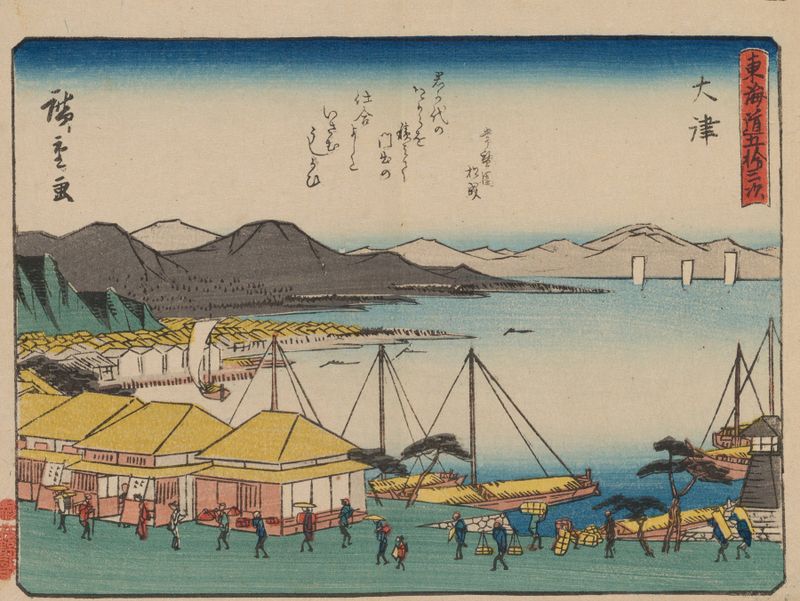
Tokaido gojusantsugi, Pl.54
Utagawa Hiroshige
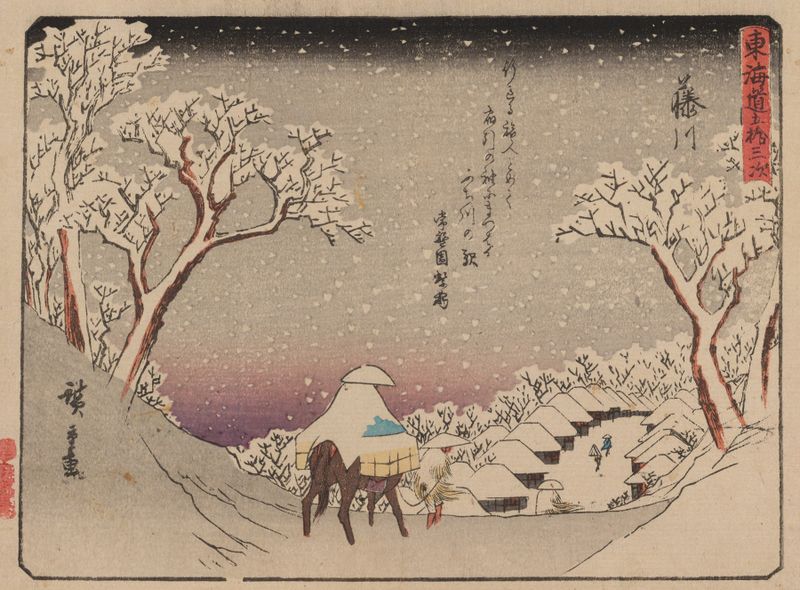
Tokaido gojusantsugi, Pl.38
Utagawa Hiroshige
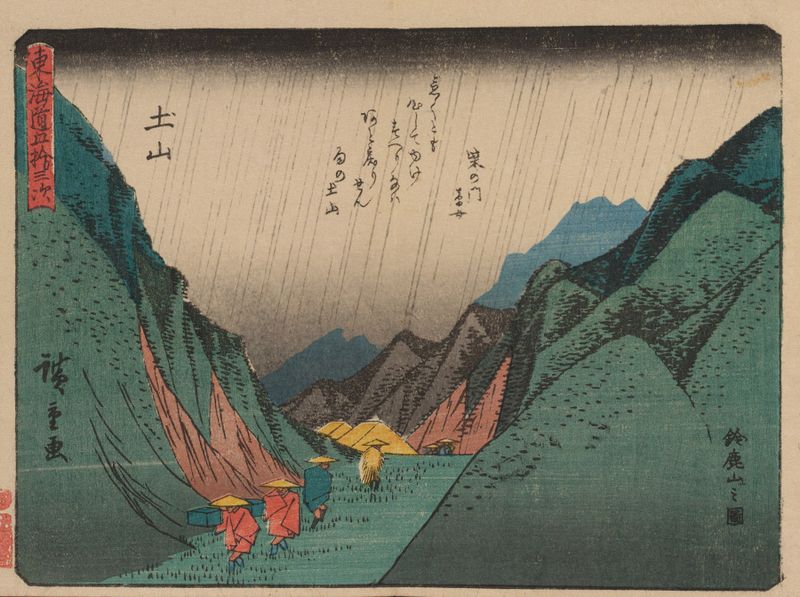
Tokaido gojusantsugi, Pl.50
Utagawa Hiroshige
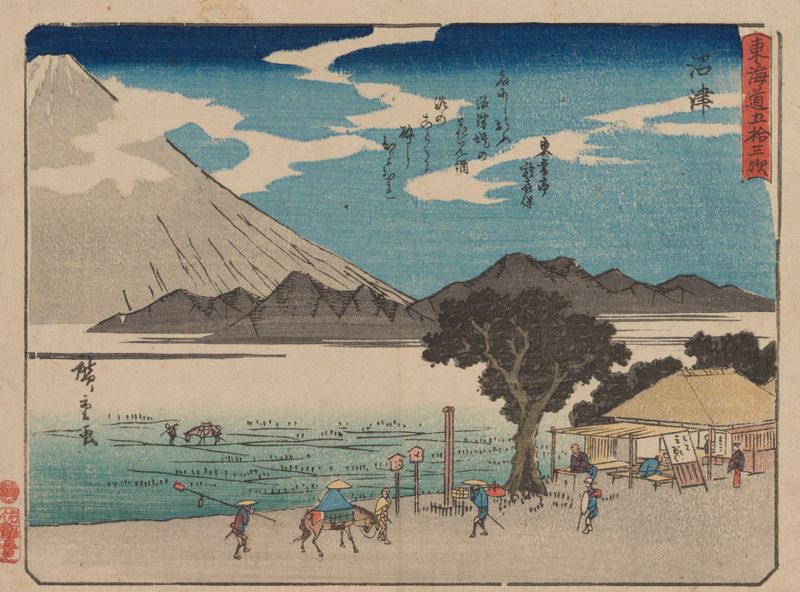
Tokaido gojusantsugi, Pl.13
Utagawa Hiroshige
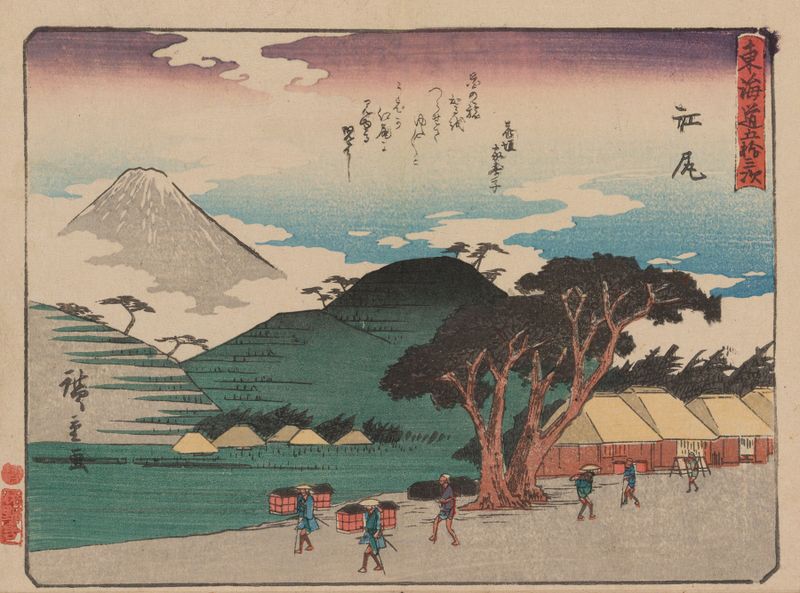
Tokaido gojusantsugi, Pl.19
Utagawa Hiroshige
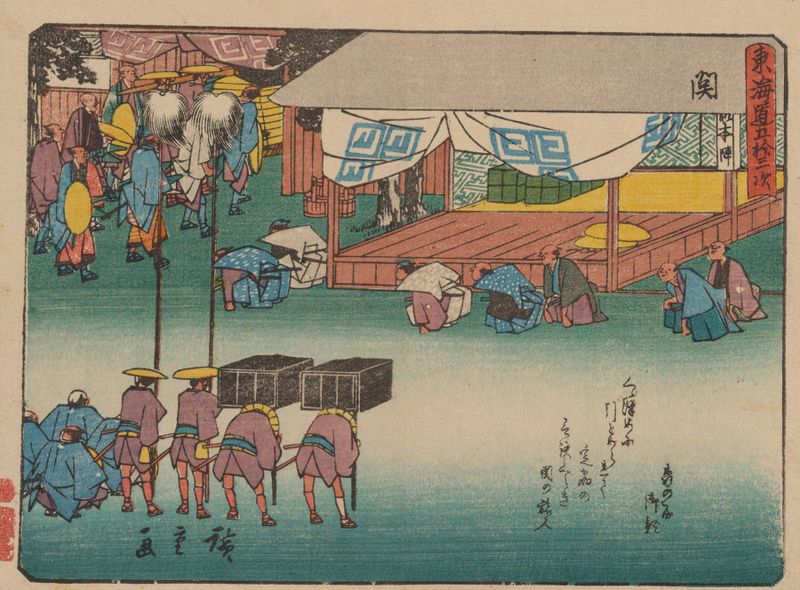
Tokaido gojusantsugi, Pl.48
Utagawa Hiroshige
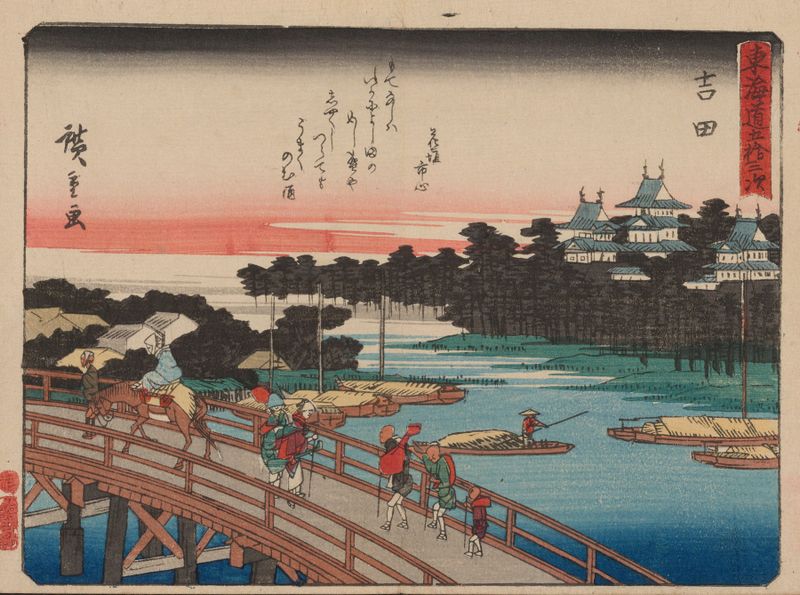
Tokaido gojusantsugi, Pl.35
Utagawa Hiroshige
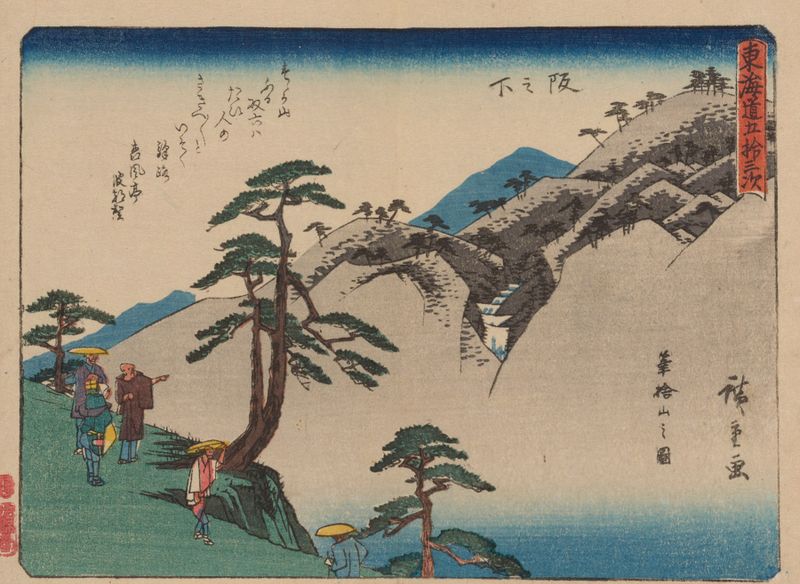
Tokaido gojusantsugi, Pl.49
Utagawa Hiroshige





