
Night’s Overture — History & Facts
In its depths, a haunting echo of loss lingers, as if the painted night carries both grief and beauty within its midnight embrace. Look to the center of the composition, where deep indigos and velvety blacks intertwine, creating a palpable atmosphere of longing. The gentle interplay of light and shadow reveals ghostly forms, almost ethereal, that seem suspended in time. Notice how the figures merge into the surrounding darkness, their outlines blurred, suggesting they are both present and absent, inviting the viewer to contemplate the memories they embody. In this artwork, the juxtaposition of vivid stars against the somber earth invites introspection.
These celestial bodies, bright yet distant, symbolize dreams and aspirations that flicker in the face of despair. The indistinct figures—suggestions of human presence—reflect the emotional tension between what has been lost and the hope for the future. Each brushstroke resonates with the weight of unspoken nostalgia, enveloping the observer in an unseen narrative of yearning. Created in 1907, this work emerged during a transformative era for Davies, who was exploring the interaction of light and shadow in more symbolic and mystical ways.
Living in New York, he was influenced by the burgeoning avant-garde movements, yet he often leaned towards a personal expression of emotional landscapes. Night’s Overture stands as a testament to his quest for capturing the ineffable feelings of existence within the fabric of the night.
More Artworks by Arthur Bowen Davies
Browse all →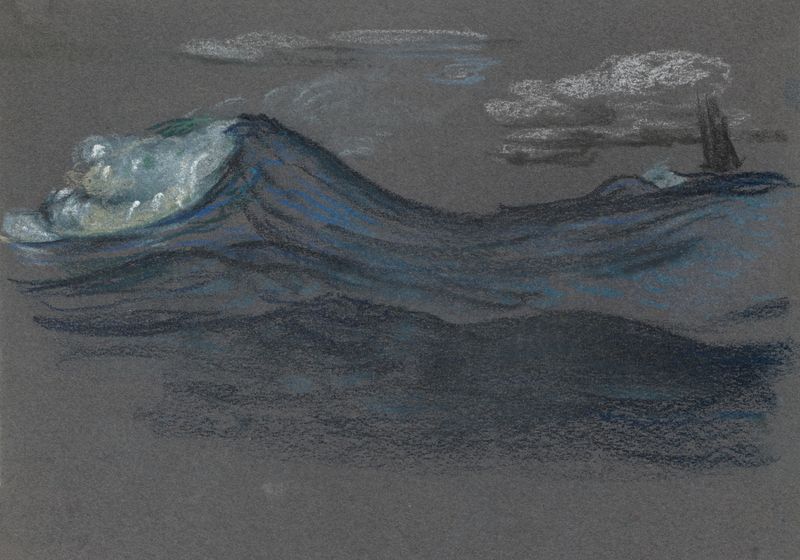
Ocean Swells
Arthur Bowen Davies

Silver Springs
Arthur Bowen Davies
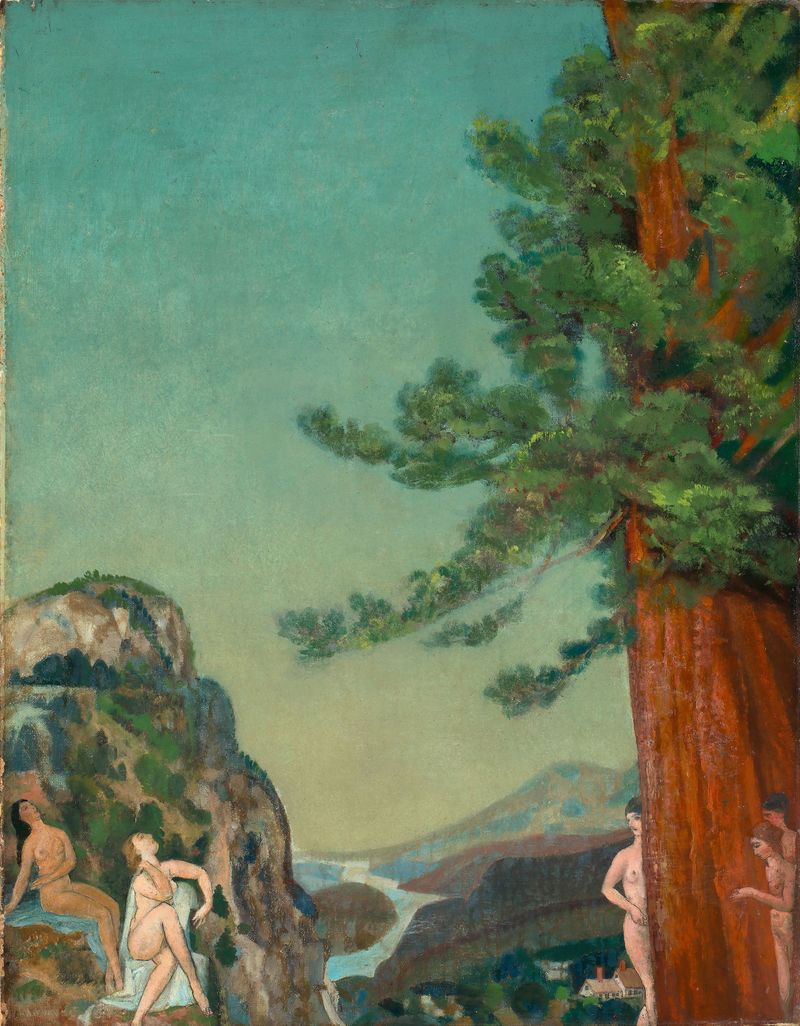
On the Cliffs
Arthur Bowen Davies
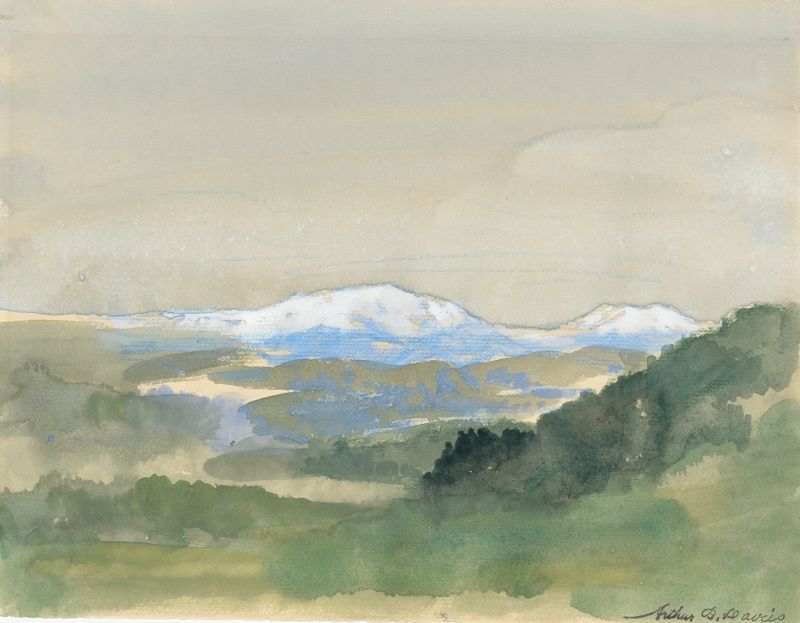
Landscape
Arthur Bowen Davies
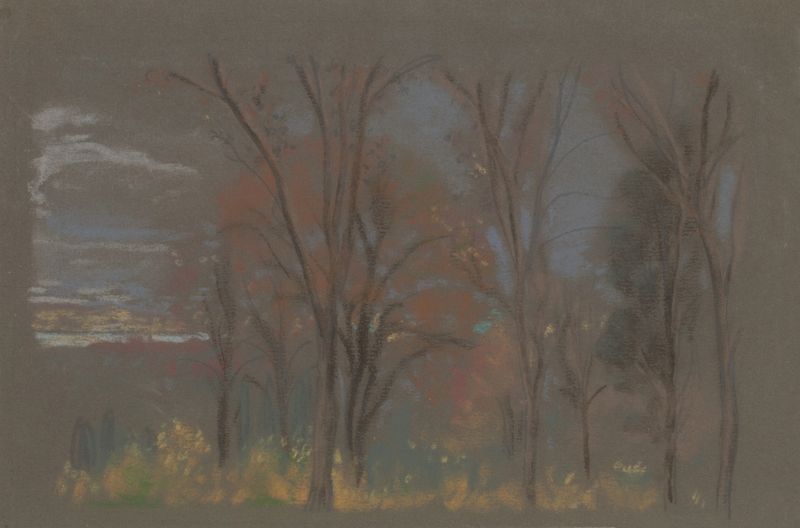
Autumn Woods
Arthur Bowen Davies

Italian Hill Town
Arthur Bowen Davies

View through Poplars
Arthur Bowen Davies
Spring
Arthur Bowen Davies
A Greater Morning
Arthur Bowen Davies

The Lake
Arthur Bowen Davies





