
Nihonbashi; Clearing Weather after Snow (Nihonbashi Yukibare) — History & Facts
What if silence could speak through light? In Nihonbashi; Clearing Weather after Snow, the chill of winter's departure whispers secrets of resilience and hope, even in the face of uncertainty. Look to the foreground, where delicate figures traverse the bridge, their silhouettes softened by the gentle falling snow. Hiroshige's mastery of color transforms the cold blues and whites into a warmth of possibility, highlighted by the subtle golden hues of sunlight breaking through the clouds. Notice how the meticulous details of the snowy landscape envelop the scene, drawing your attention to the contrast between the rigid, unyielding bridge and the fluid, almost ethereal snowflakes drifting down. Beneath the serene surface lies an undercurrent of fear.
The bridge, a symbol of connection and transition, stands strong yet precarious against the heavy snow, echoing humanity’s struggle against adversity. The faint outlines of distant buildings hint at a world layered in complexity, while the clear sky emerging in the background suggests the promise of renewal. This duality of vulnerability and strength invites contemplation on the transient nature of life itself. Created in 1856 during a time of great change in Japan, the artist was part of the ukiyo-e movement, which captured the fleeting moments of everyday life.
Hiroshige worked in Edo (modern-day Tokyo) as political and social upheaval stirred around him. His work resonated with audiences, reflecting both a longing for stability and a celebration of beauty amid the chaos.
More Artworks by Utagawa Hiroshige
Browse all →
Sudden Shower over Shin Ohashi Bridge and Atake (Ohashi Atake no yudachi), from the series "One Hundred Famous Views of Edo (Meisho Edo hyakkei)"
Utagawa Hiroshige
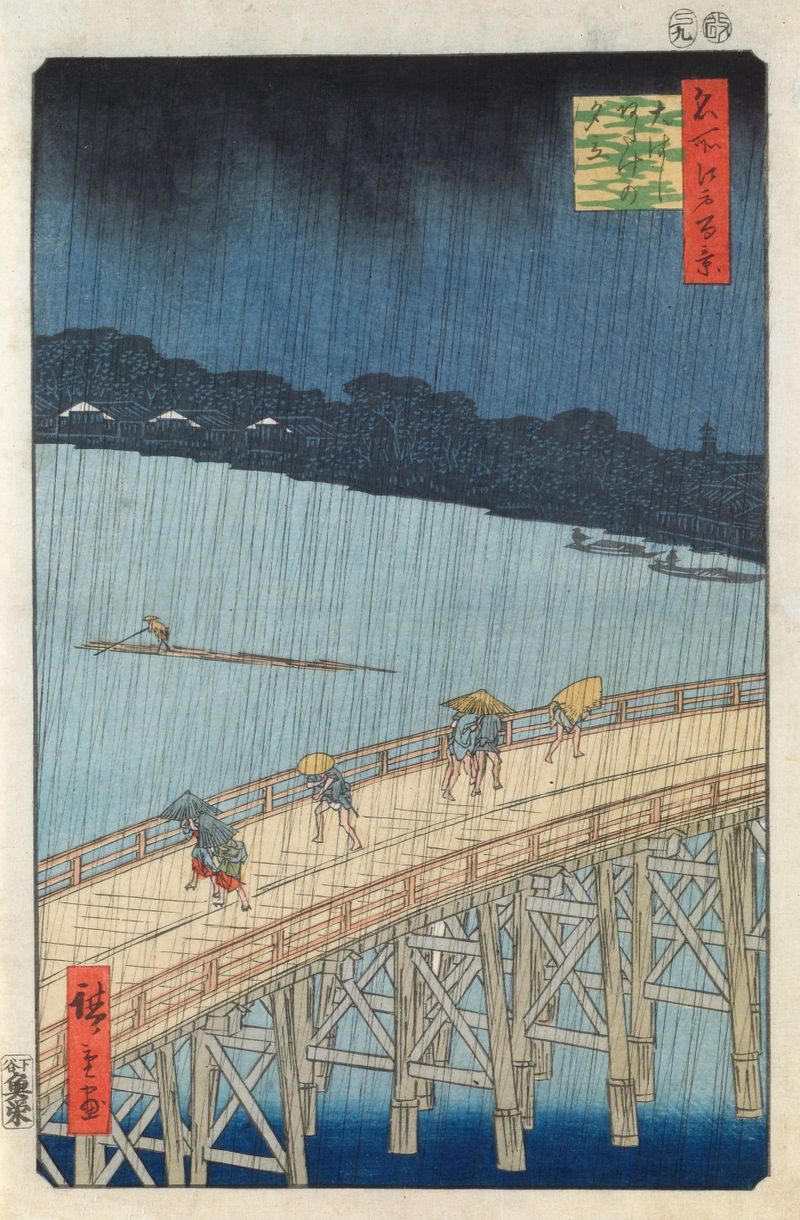
Sudden Shower Over Ohashi Bridge and Atake
Utagawa Hiroshige
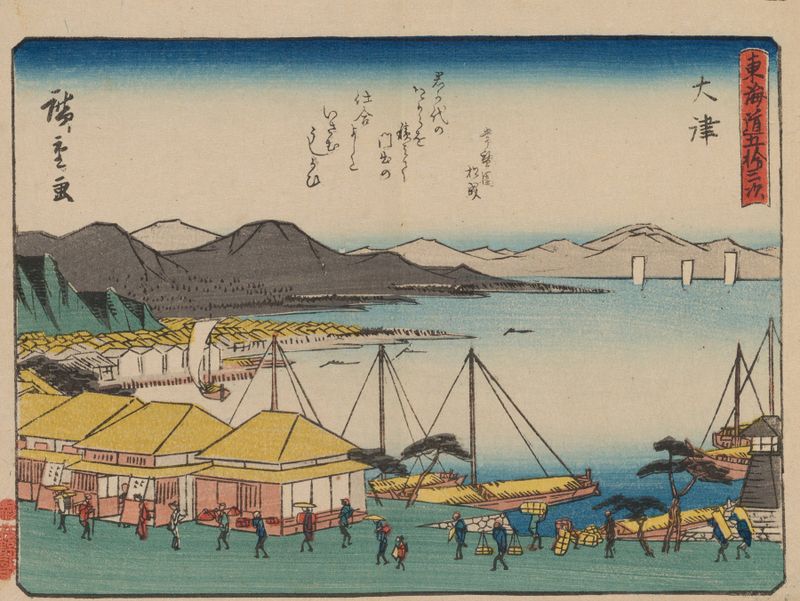
Tokaido gojusantsugi, Pl.54
Utagawa Hiroshige
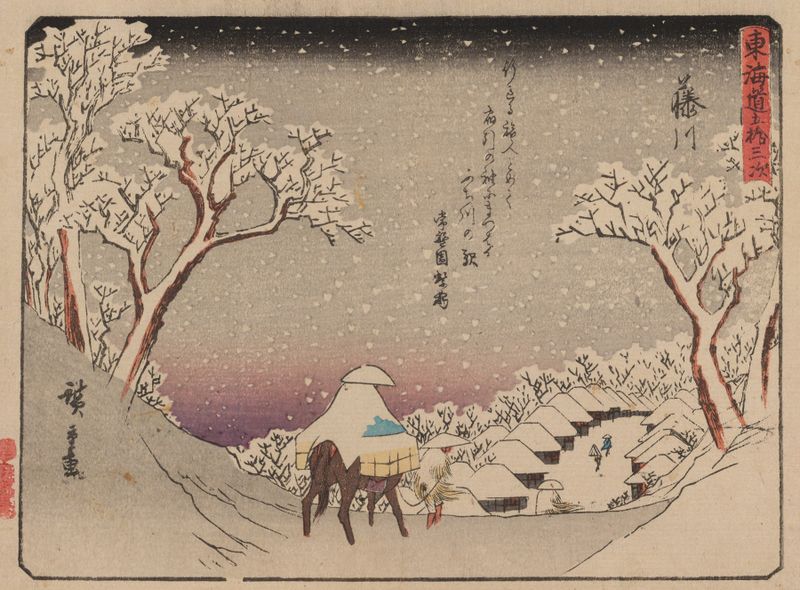
Tokaido gojusantsugi, Pl.38
Utagawa Hiroshige
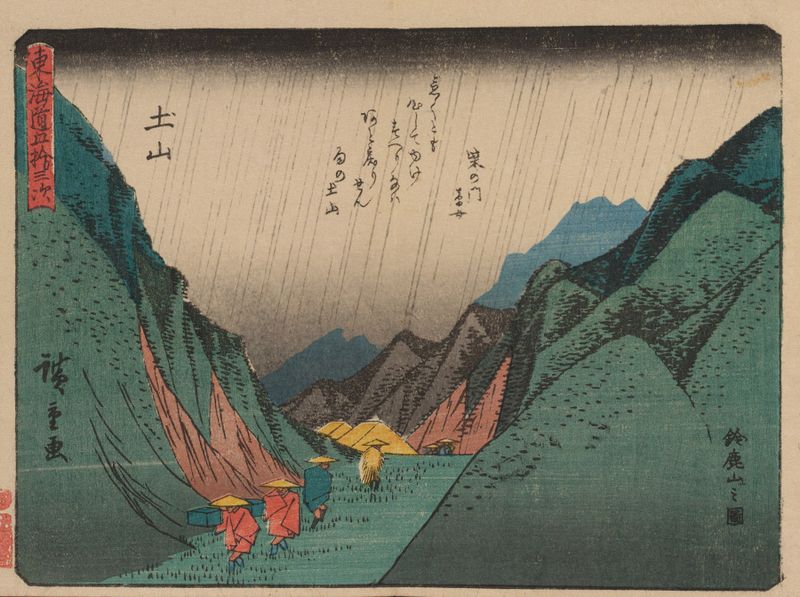
Tokaido gojusantsugi, Pl.50
Utagawa Hiroshige
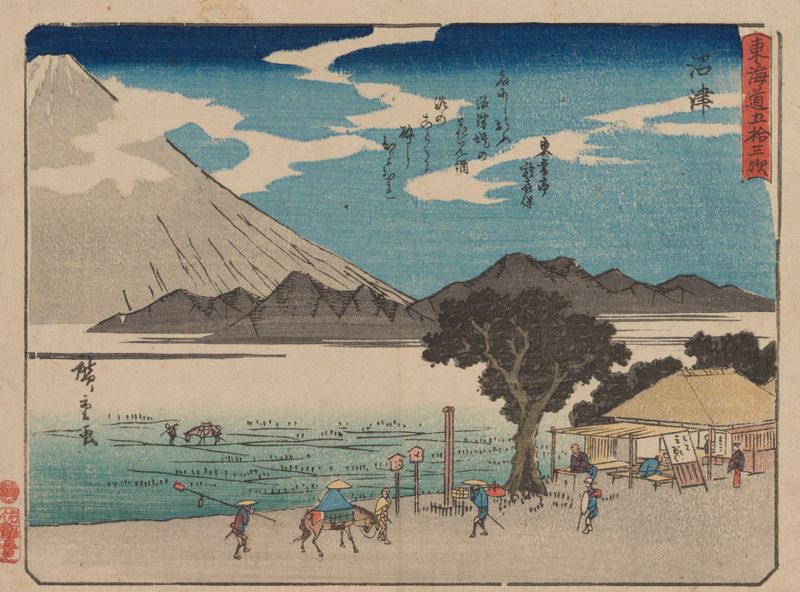
Tokaido gojusantsugi, Pl.13
Utagawa Hiroshige
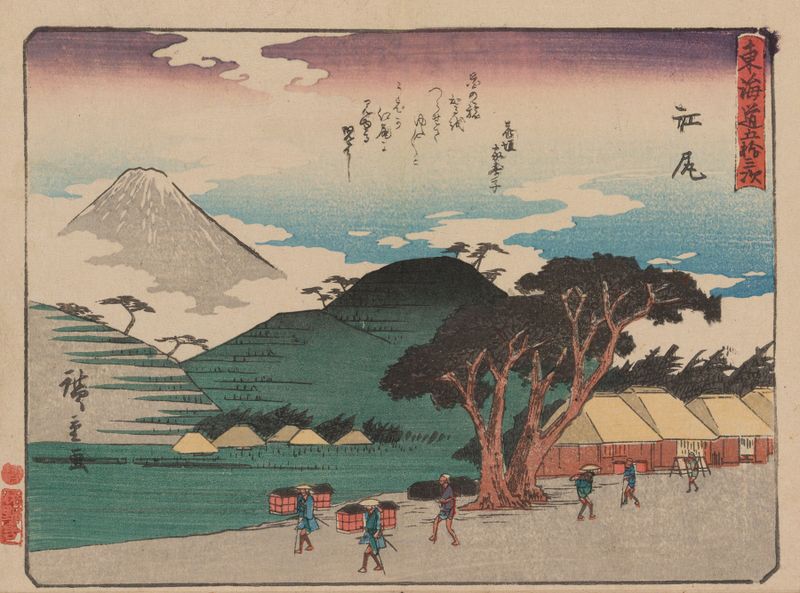
Tokaido gojusantsugi, Pl.19
Utagawa Hiroshige
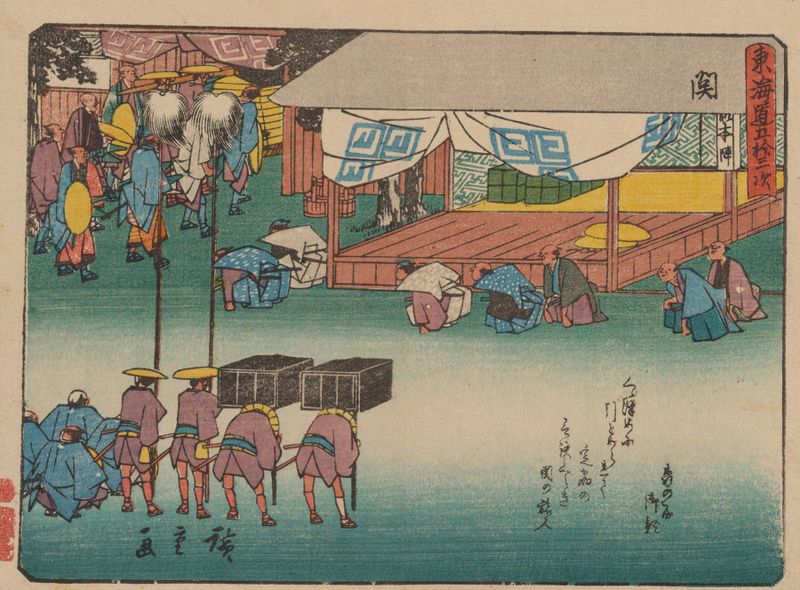
Tokaido gojusantsugi, Pl.48
Utagawa Hiroshige
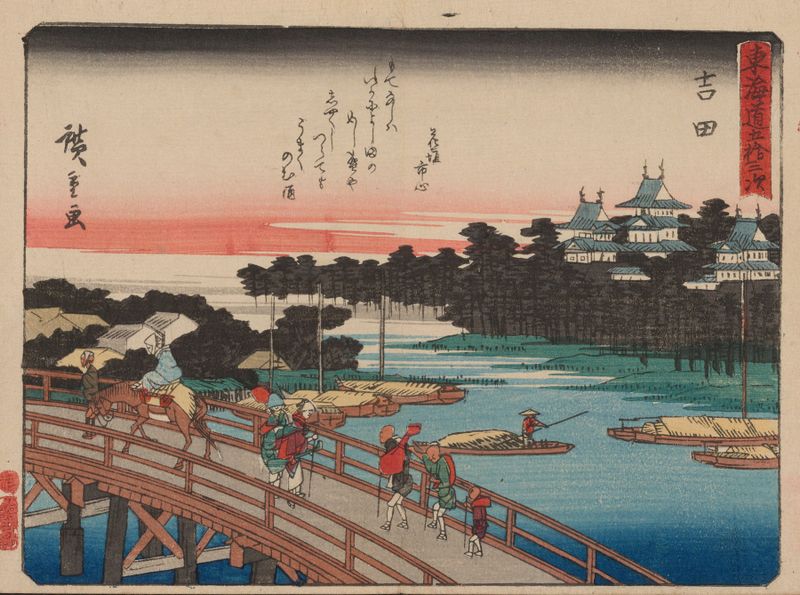
Tokaido gojusantsugi, Pl.35
Utagawa Hiroshige
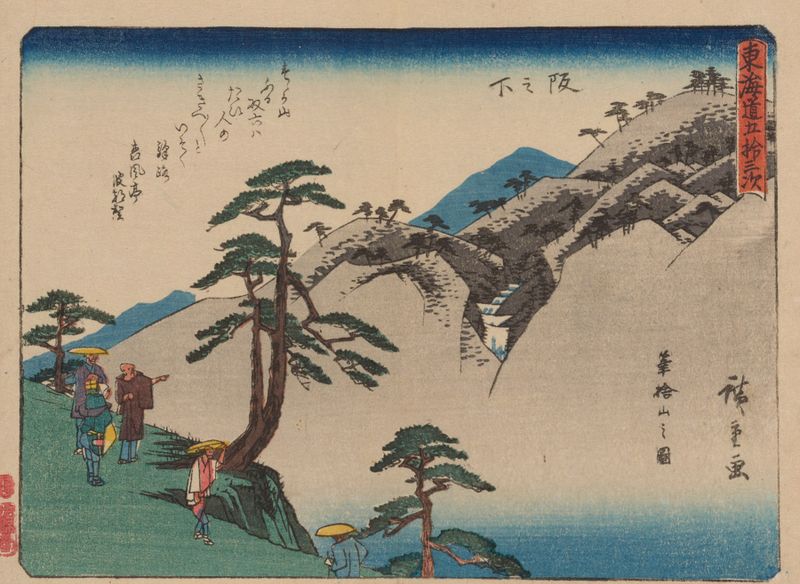
Tokaido gojusantsugi, Pl.49
Utagawa Hiroshige





