
Nissaka — History & Facts
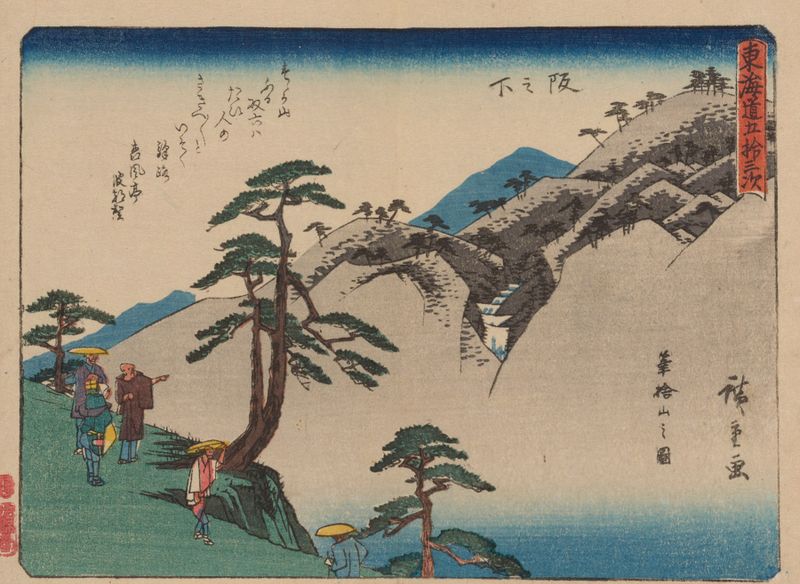
In the quiet stillness of Nissaka, a yearning lingers, echoing the emotions that elude our grasp. The artist captures a moment that transcends mere observation, inviting viewers to delve deeper into the essence of longing and nostalgia. Look to the bottom left, where the flowing river meets the shoreline, inviting your gaze to drift along its gentle curves. The soft, muted colors of the water contrast with the rich greens of the surrounding landscape, drawing the eye toward the distant mountains that rise in delicate layers of blue and gray.
Hiroshige’s masterful use of ukiyo-e techniques, with finely detailed lines and harmonious color palettes, creates a dreamlike quality that envelops the viewer, encouraging a contemplative pause. Beneath the surface, the painting whispers tales of solitude and the bittersweet nature of memory. The solitary figure in a small boat suggests a journey, both physical and emotional, reflecting an inner search for connection amidst the vastness of nature. The interplay of light and shadow serves as a reminder of the transient nature of beauty and time, evoking a sense of both peace and longing that resonates deep within the soul. In 1855, during the Edo period in Japan, Hiroshige was at the pinnacle of his career, exploring themes of landscapes and human interactions with nature.
This era was marked by a rich exchange of cultural ideas, yet Hiroshige’s work stood out for its ability to convey profound emotions through simplicity. As he painted Nissaka, he captured not only a scene but also an enduring feeling of yearning that transcends time and place.
More Artworks by Utagawa Hiroshige
Browse all →
Sudden Shower over Shin Ohashi Bridge and Atake (Ohashi Atake no yudachi), from the series "One Hundred Famous Views of Edo (Meisho Edo hyakkei)"
Utagawa Hiroshige
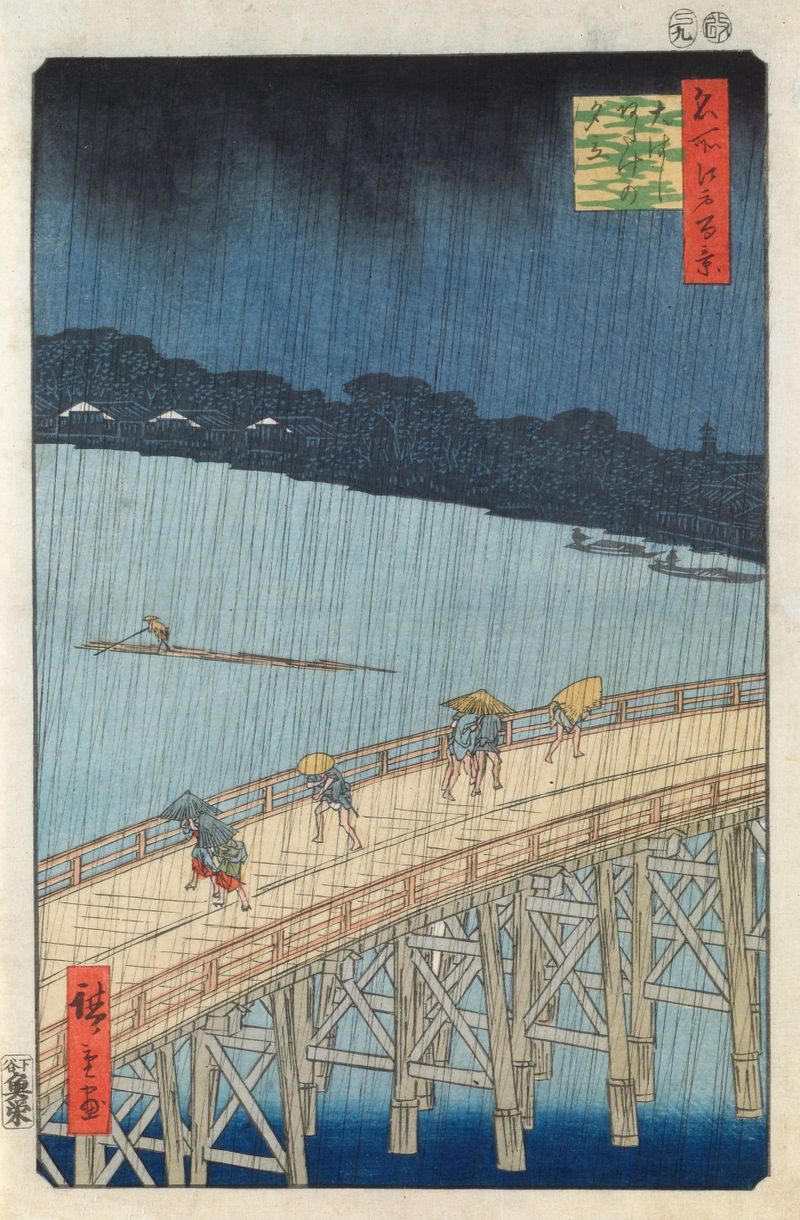
Sudden Shower Over Ohashi Bridge and Atake
Utagawa Hiroshige
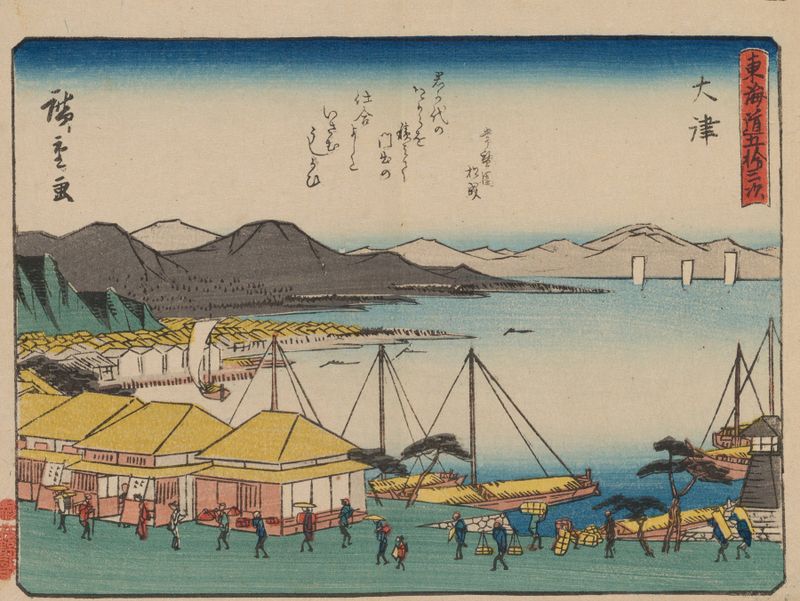
Tokaido gojusantsugi, Pl.54
Utagawa Hiroshige
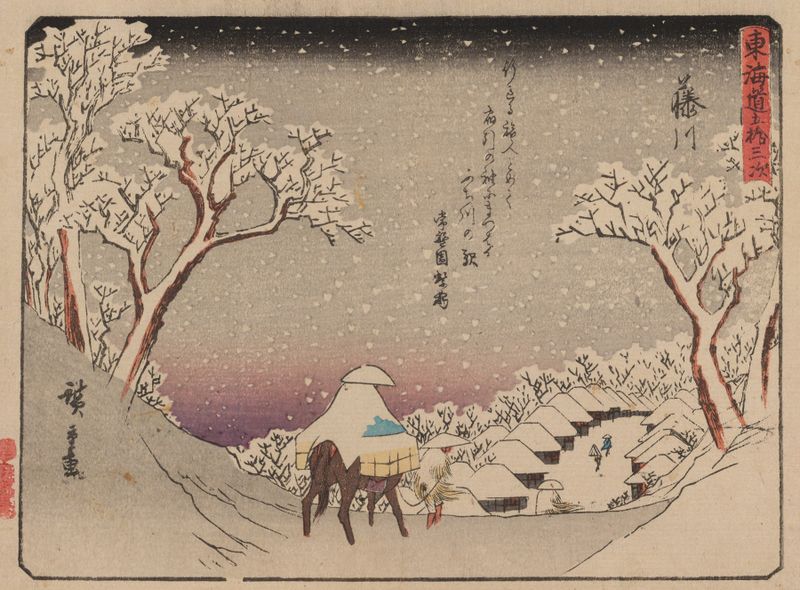
Tokaido gojusantsugi, Pl.38
Utagawa Hiroshige
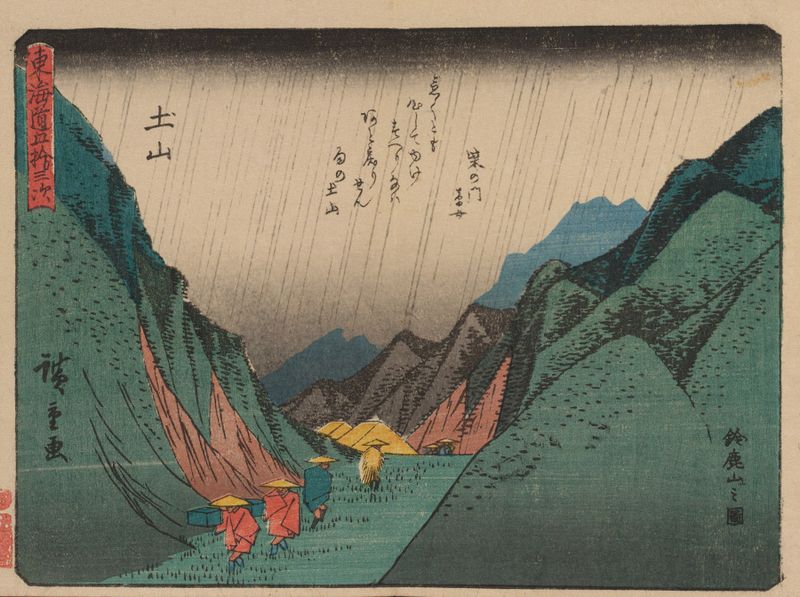
Tokaido gojusantsugi, Pl.50
Utagawa Hiroshige
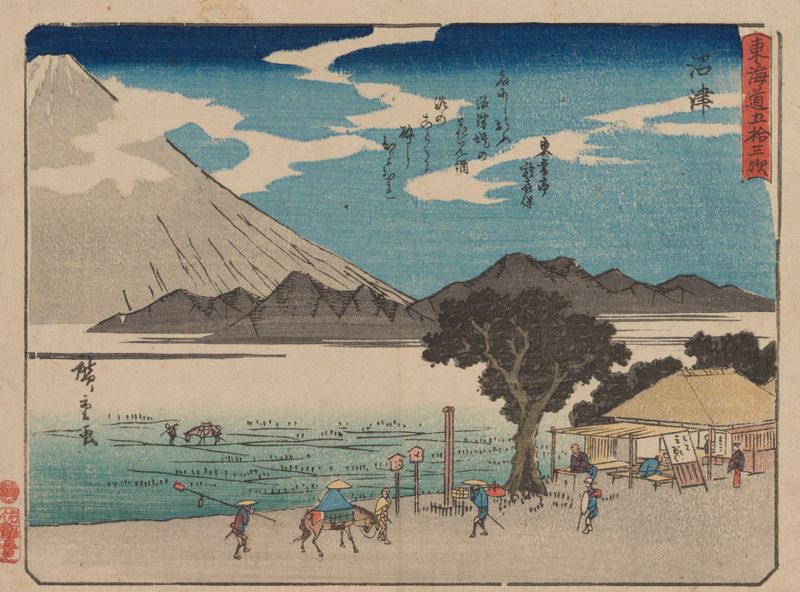
Tokaido gojusantsugi, Pl.13
Utagawa Hiroshige
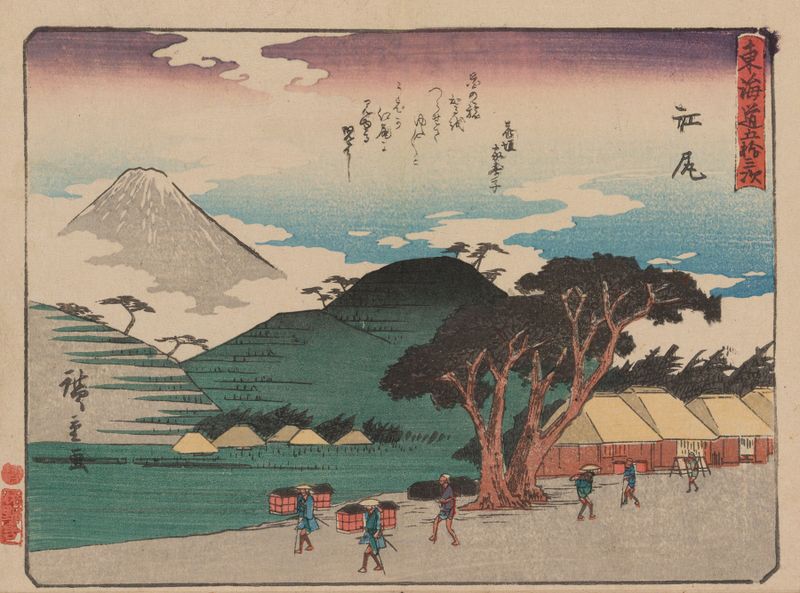
Tokaido gojusantsugi, Pl.19
Utagawa Hiroshige
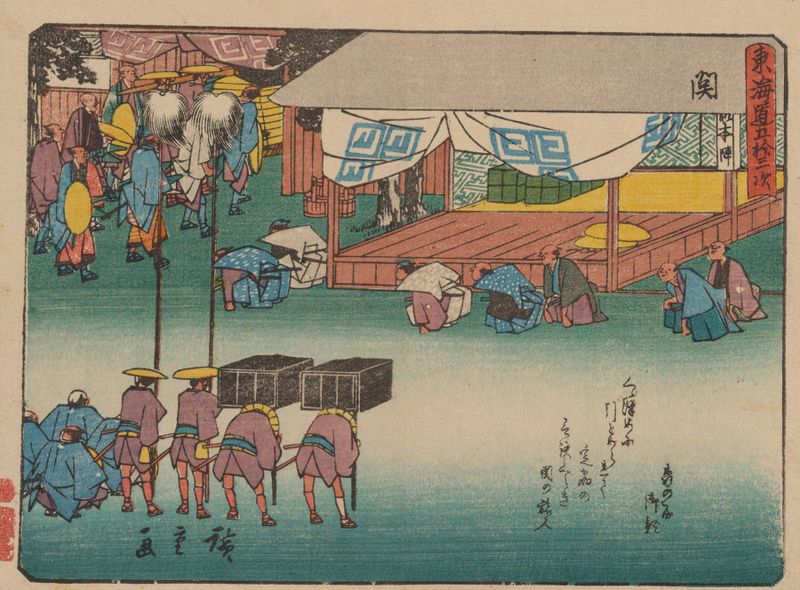
Tokaido gojusantsugi, Pl.48
Utagawa Hiroshige
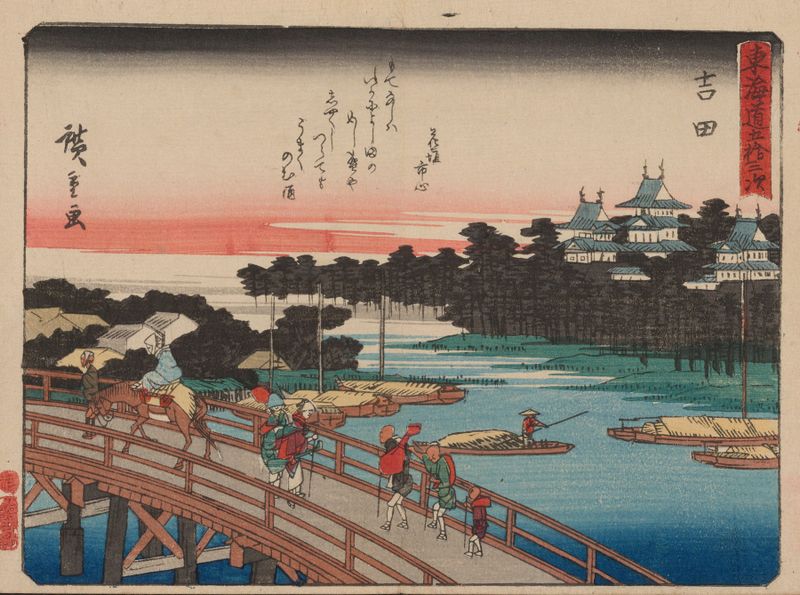
Tokaido gojusantsugi, Pl.35
Utagawa Hiroshige
Tokaido gojusantsugi, Pl.49
Utagawa Hiroshige





