
Nissaka — History & Facts
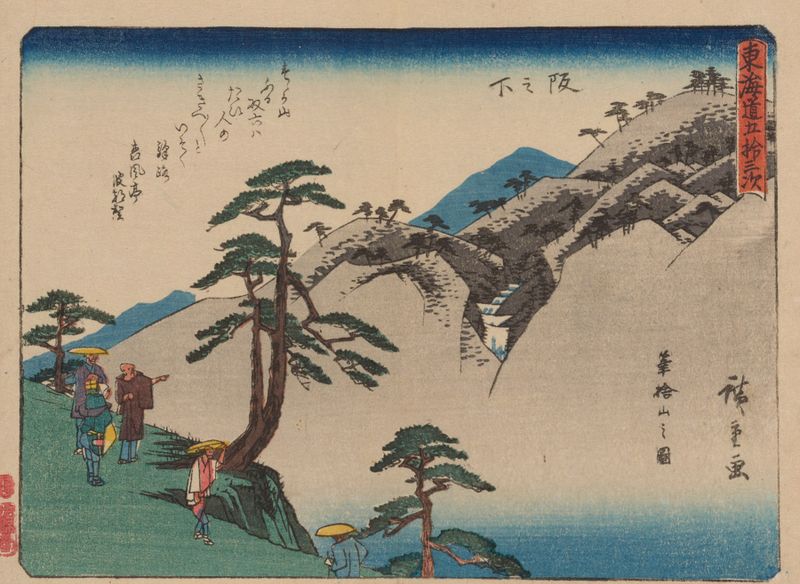
Who listens when art speaks of silence? In Nissaka, the viewer is invited to feel the weight of solitude, where each brushstroke carries the burden of melancholy. Look to the foreground, where the delicate silhouette of a lone traveler meanders along the riverbank. Notice how the muted blues and greys create an atmosphere of quiet introspection, while the gentle ripples of the water reflect the muted colors of dawn. This serene palette draws one’s eyes across the canvas, inviting contemplation.
The distant mountains, rendered in ethereal hues, seem almost to whisper the secrets of the landscape. Beneath the surface of this tranquil scene lies a poignant contrast. The solitary figure against the expansive backdrop evokes both freedom and isolation, suggesting a journey that is both physical and emotional. Each ripple in the water mirrors the traveler’s thoughts, hinting at the burdens carried within.
The interplay of light and shadow captures a fleeting moment, one that resonates with the deep sense of longing and introspection inherent in the human experience. During the years 1841-1842, Hiroshige painted this piece while living in Edo, a time when ukiyo-e was flourishing yet beginning to face the influences of Western art. The artist was deeply engaged in capturing the beauty of nature and the ephemeral moments of everyday life, reflecting a world in transition as the Edo period drew to a close. His sensitivity to the subtleties of human emotion and connection to the landscape is captured in this work, inviting viewers to reflect on their own silent journeys.
More Artworks by Utagawa Hiroshige
Browse all →
Sudden Shower over Shin Ohashi Bridge and Atake (Ohashi Atake no yudachi), from the series "One Hundred Famous Views of Edo (Meisho Edo hyakkei)"
Utagawa Hiroshige
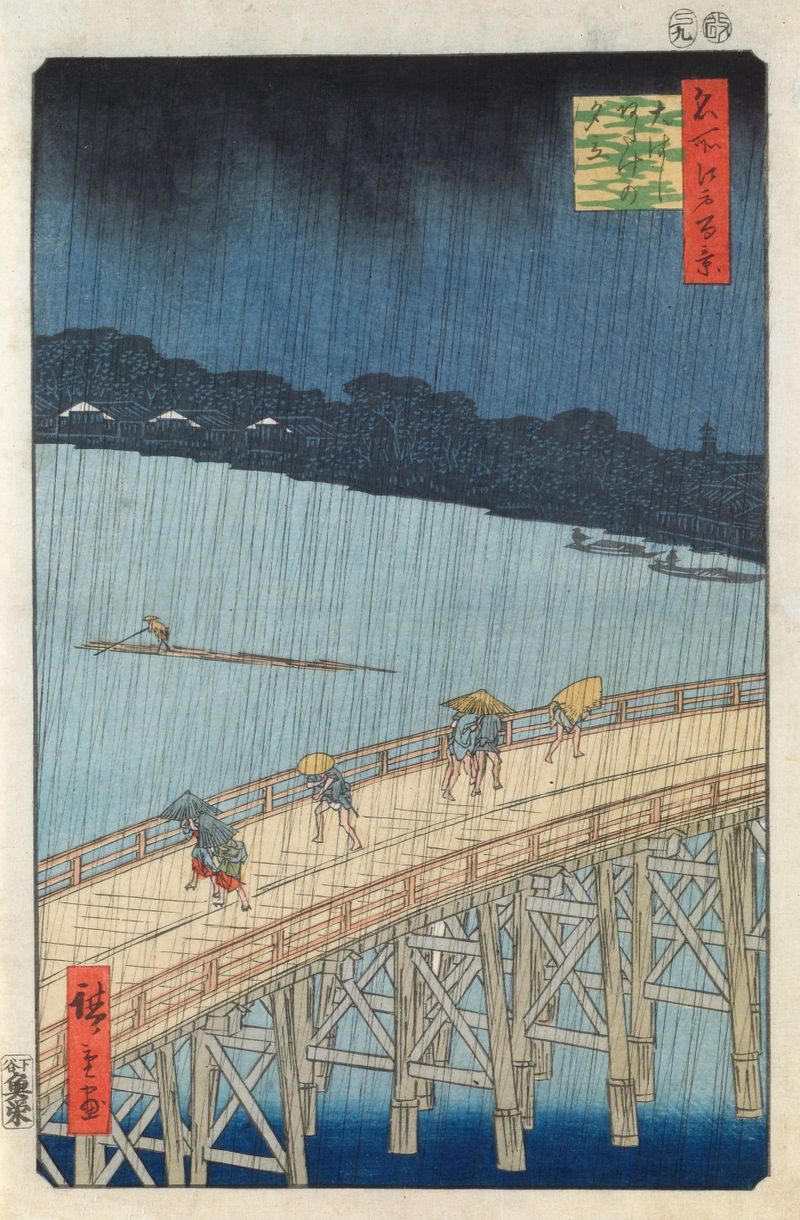
Sudden Shower Over Ohashi Bridge and Atake
Utagawa Hiroshige
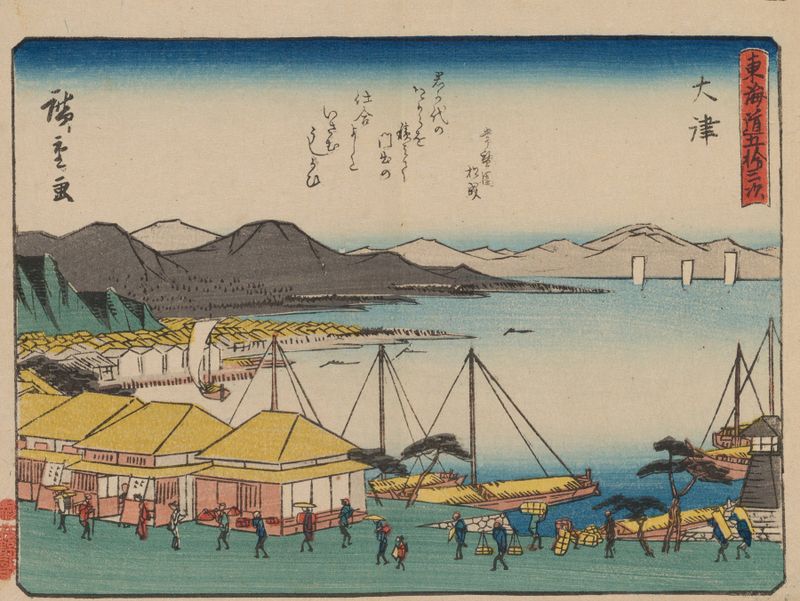
Tokaido gojusantsugi, Pl.54
Utagawa Hiroshige
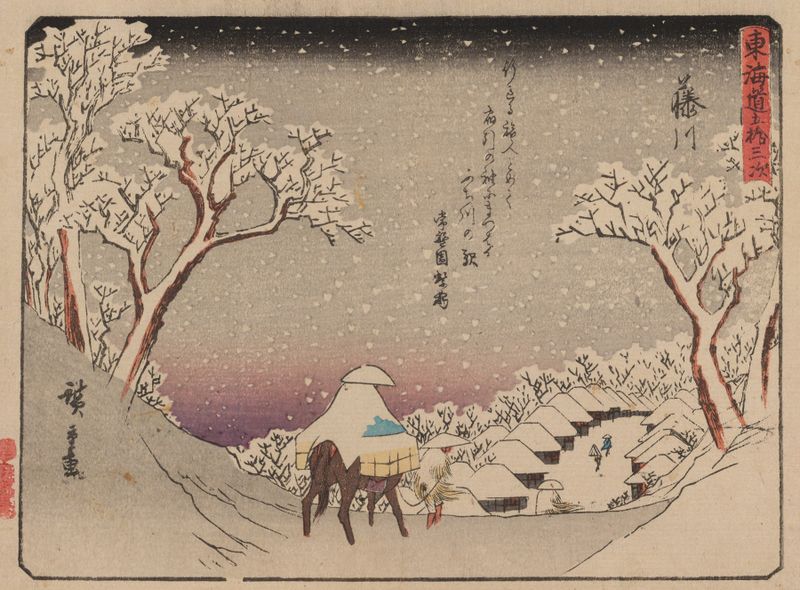
Tokaido gojusantsugi, Pl.38
Utagawa Hiroshige
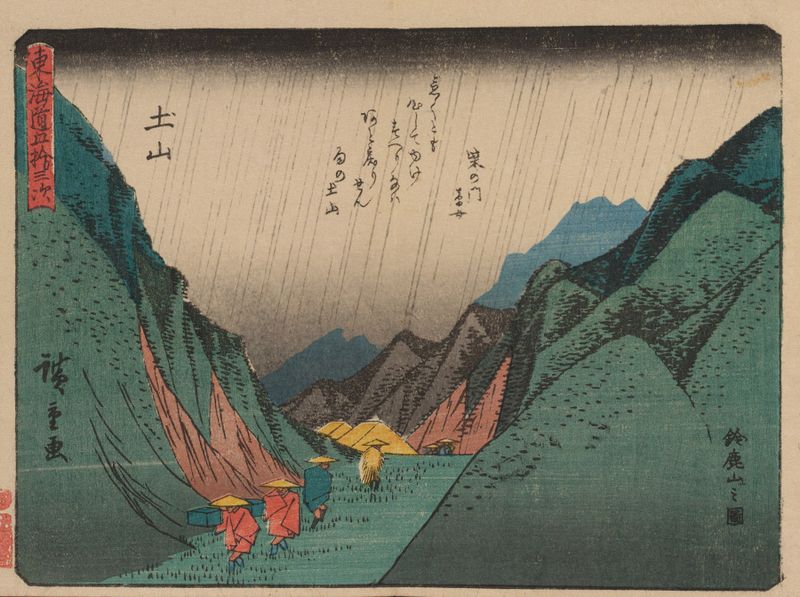
Tokaido gojusantsugi, Pl.50
Utagawa Hiroshige
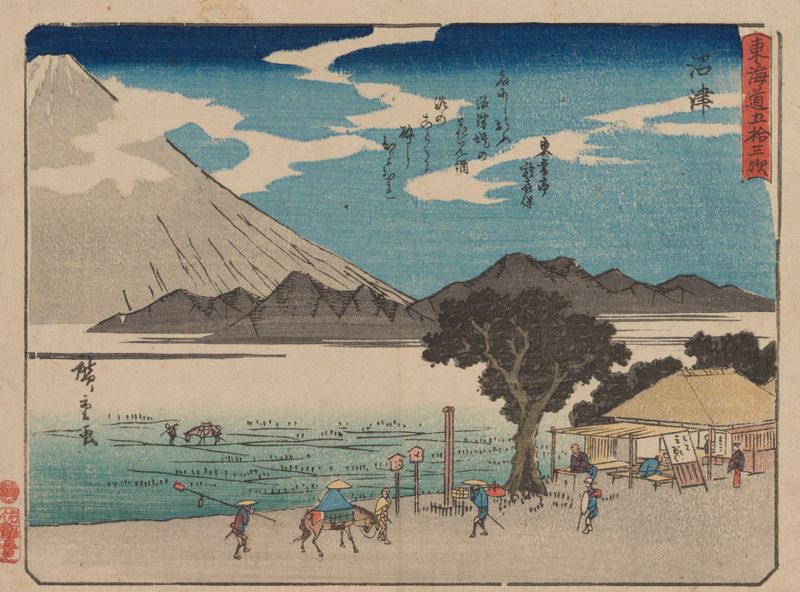
Tokaido gojusantsugi, Pl.13
Utagawa Hiroshige
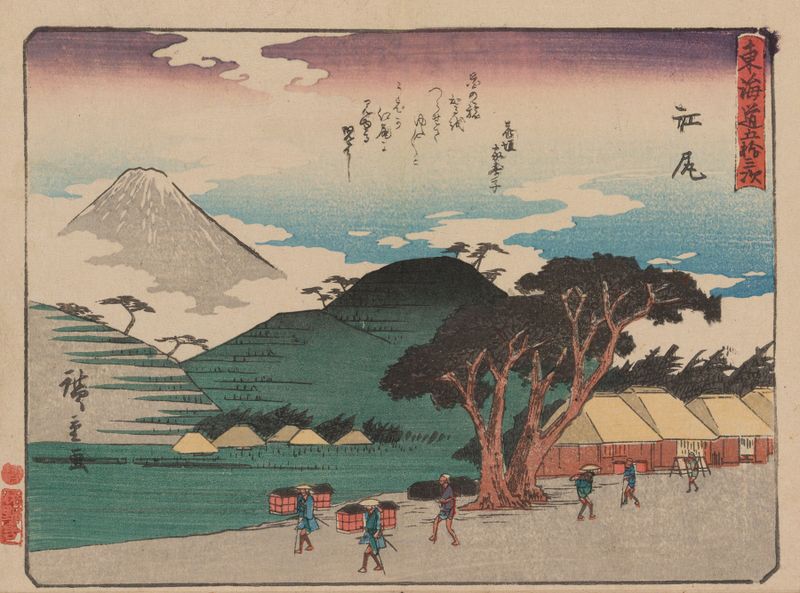
Tokaido gojusantsugi, Pl.19
Utagawa Hiroshige
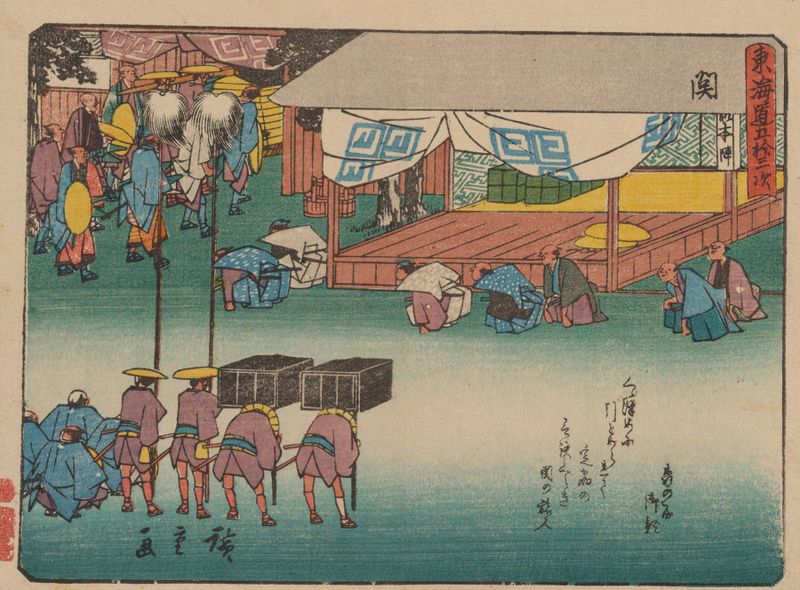
Tokaido gojusantsugi, Pl.48
Utagawa Hiroshige
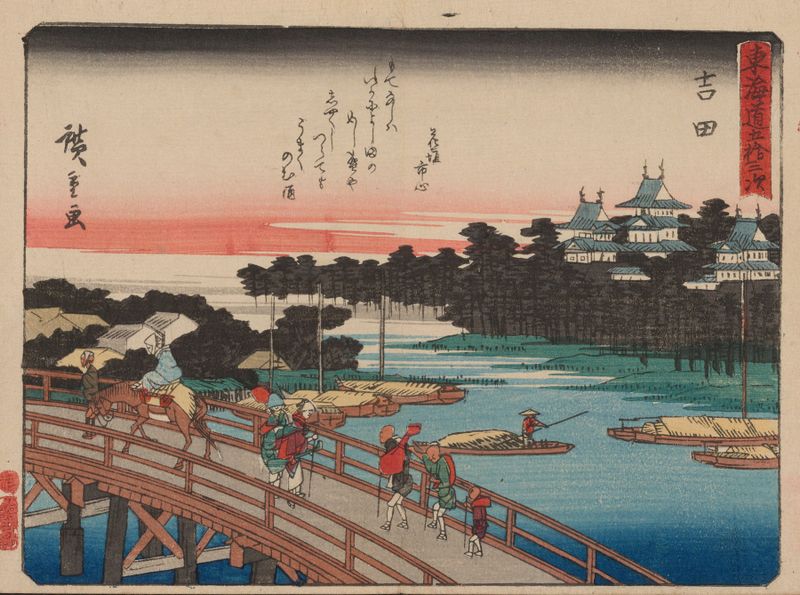
Tokaido gojusantsugi, Pl.35
Utagawa Hiroshige
Tokaido gojusantsugi, Pl.49
Utagawa Hiroshige





