
Nocturnal landscape — History & Facts
It's in the quiet spaces that grief lingers, transforming unspoken words into a haunting presence. Look to the center of the canvas, where a somber moon casts a pale glow across the softly undulating hills. The deep blues and muted greens blend seamlessly, creating an atmosphere that feels both serene and heavy with unexpressed sorrow. Notice how the delicate brushstrokes evoke a sense of stillness, almost as if time has paused to honor the weight of loss.
The sparse composition, devoid of figures, invites the viewer to fill the void with their own memories and emotions. As you explore the edges of the landscape, subtle contrasts begin to emerge. The tangle of dark trees creates a sharp boundary against the luminous sky, reflecting the duality of hope and despair. The soft light shimmering on the water’s surface serves as a reminder of fleeting moments, hinting at the beauty that exists even in sadness.
Each element in this nocturnal scene embodies a tension between tranquility and a lingering sense of absence, urging a deeper introspection on the nature of grief. Painted between 1890 and 1900, this work captures a pivotal moment in Roman Kazimierz Kochanowski’s career, as he grapples with personal loss amidst the evolving art world of post-impressionism. During this period, he was influenced by the changing artistic movements in Europe, seeking to convey profound emotions through his landscapes. The serenity of Nocturnal Landscape offers a reflection of his inner turmoil, inviting viewers to confront their own experiences with silence and sorrow.
More Artworks by Roman Kazimierz Kochanowski
Browse all →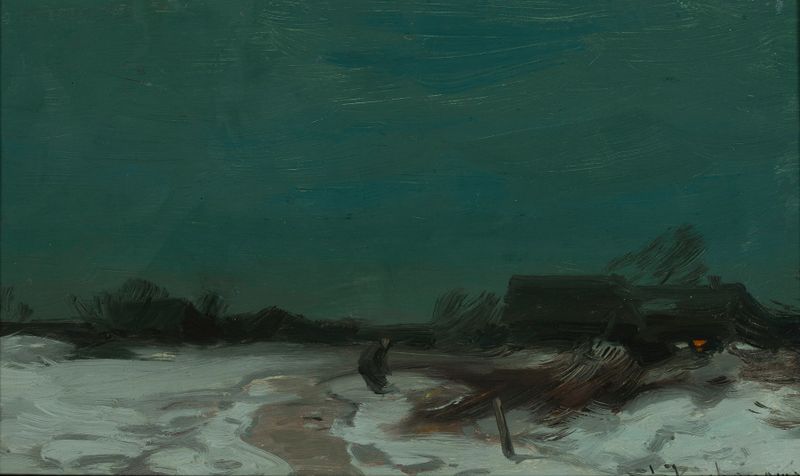
Winter landscape with cottages
Roman Kazimierz Kochanowski
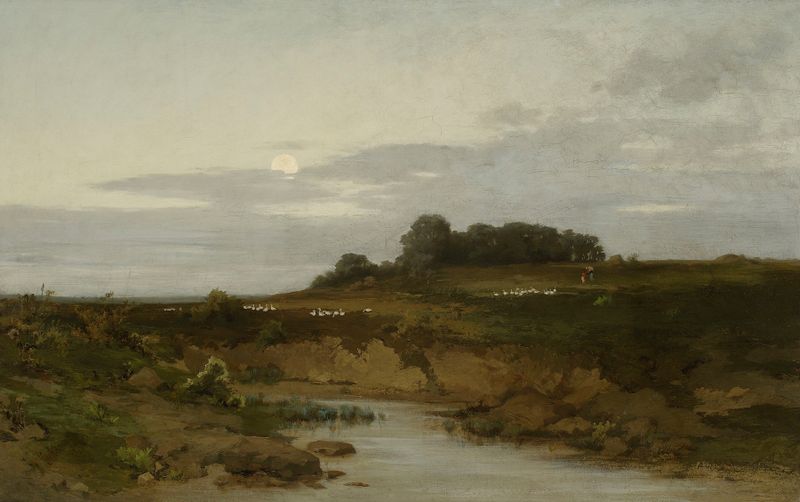
Evening
Roman Kazimierz Kochanowski
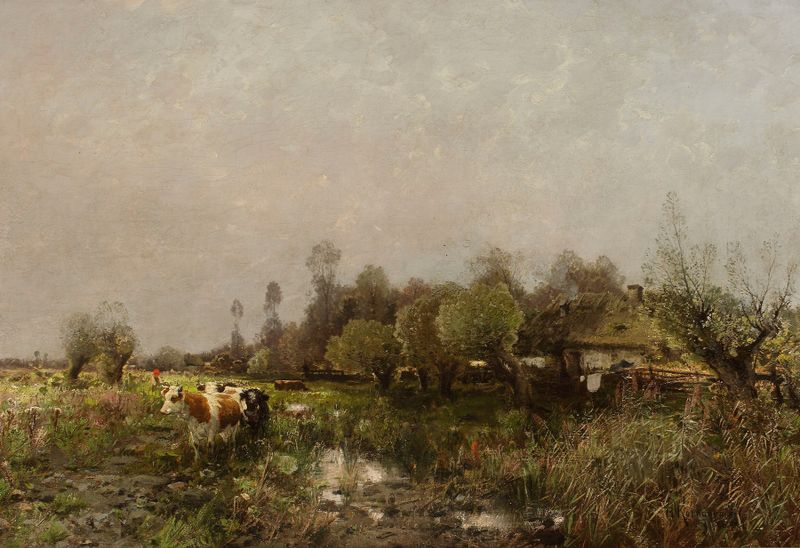
Summer landscape with a cottage on marshland
Roman Kazimierz Kochanowski
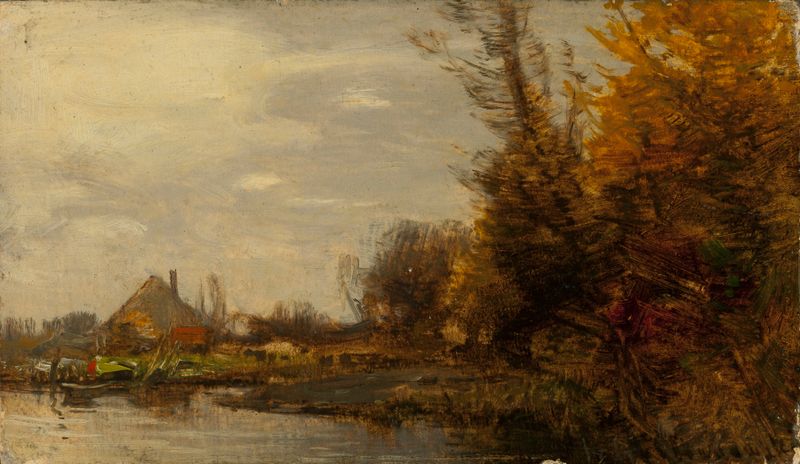
Autumn landscape with a cottage at waterside
Roman Kazimierz Kochanowski
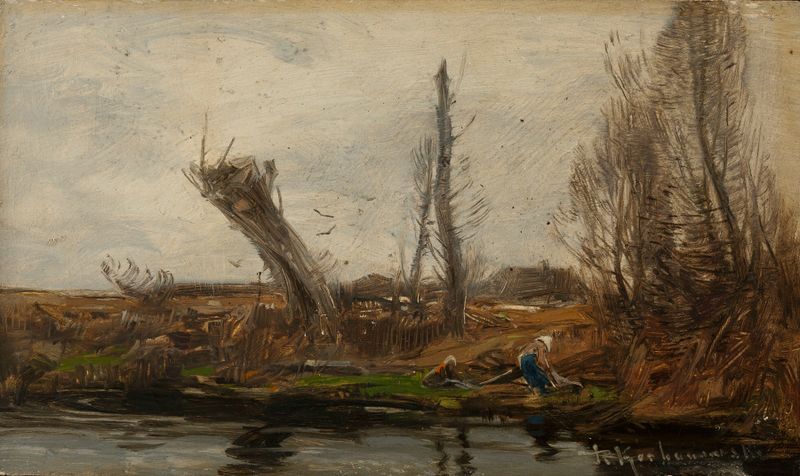
Willows at waterside
Roman Kazimierz Kochanowski
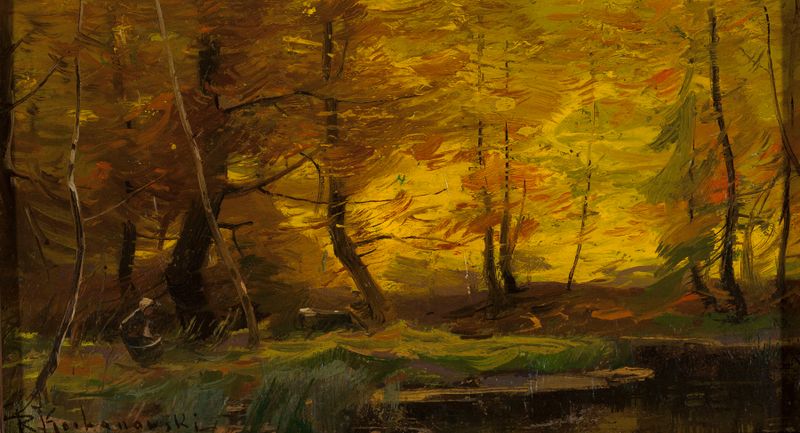
Forest landscape
Roman Kazimierz Kochanowski
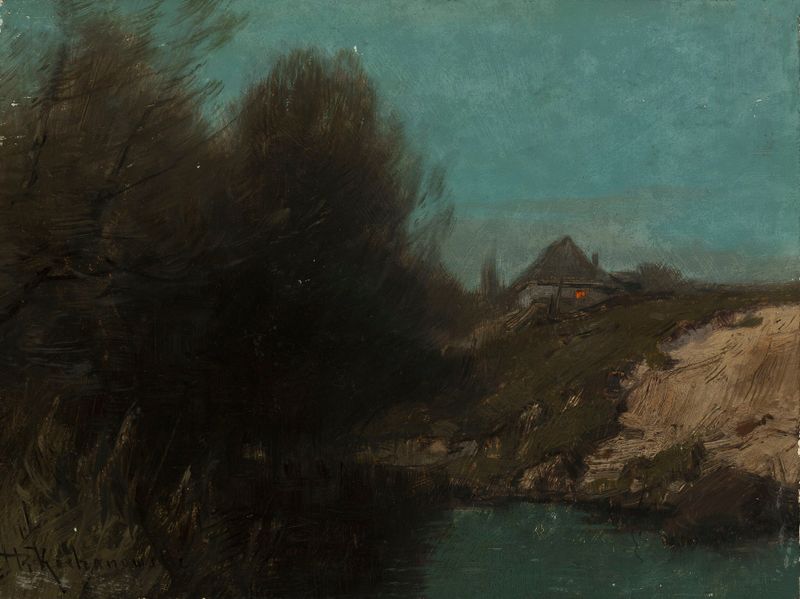
Landscape with a cottage
Roman Kazimierz Kochanowski
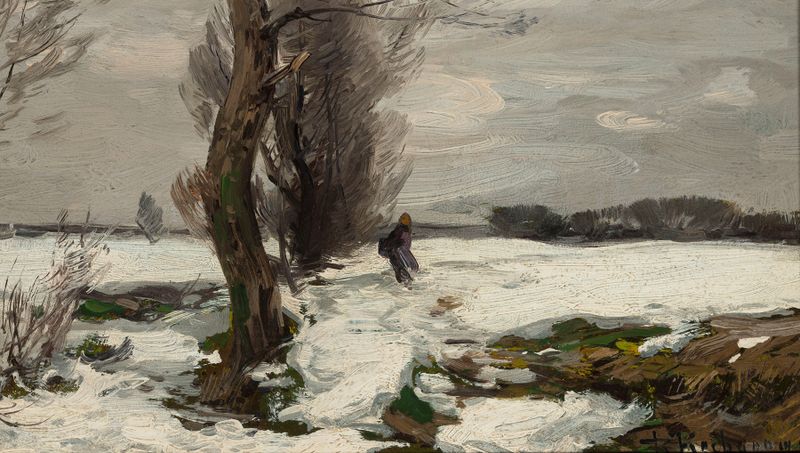
Winter landscape
Roman Kazimierz Kochanowski
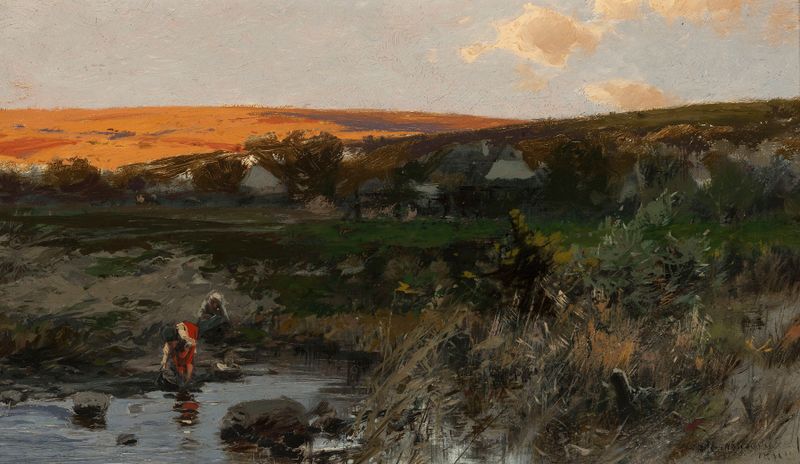
Landscape at sunset
Roman Kazimierz Kochanowski
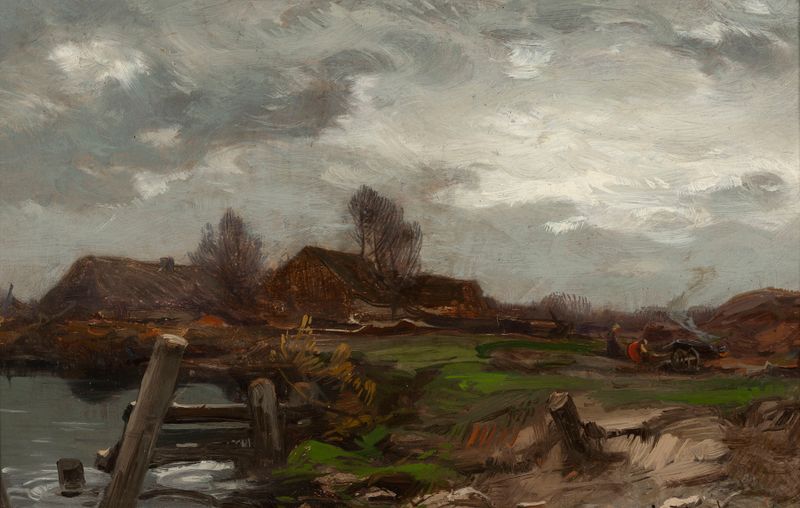
Landscape – Cottages at waterside
Roman Kazimierz Kochanowski





