
Notre-Dame de Paris — History & Facts
What if silence could speak through light? The interplay of shadow and illumination in this artwork draws us into a realm of longing and introspection, whispering tales of history and devotion. Look to the left at the towering Gothic spires, their intricate details carved with a reverence that feels almost alive. Notice how the golden glow of the setting sun kisses the stone façade, bathing it in a warm embrace, while the delicate reflections ripple in the Seine below. Each brushstroke contributes to a sense of stillness, inviting us to linger on the textures and colors that evoke a deep emotional resonance. As you explore further, the contrast between light and shadow reveals the tensions of time—one side bathed in warmth, the other cloaked in the cool blue of dusk.
The figures on the banks of the river, small and almost insignificant against the grandeur of the cathedral, suggest a universal theme of yearning: a search for connection amidst the eternal. MacLaughlan’s choice of palette and perspective underscores a moment suspended between the past and present, a longing for something just out of reach. In 1900, MacLaughlan painted this scene in a period where artists were increasingly drawn to capturing the essence of architecture through light. Living in Paris during a time of artistic innovation, he was influenced by the Impressionists who paved the way for seeing the world through different lenses.
This work not only reflects his technical prowess but also his emotional engagement with the iconic structure, allowing viewers to experience a personal connection to a place steeped in history.
More Artworks by Donald Shaw MacLaughlan
Browse all →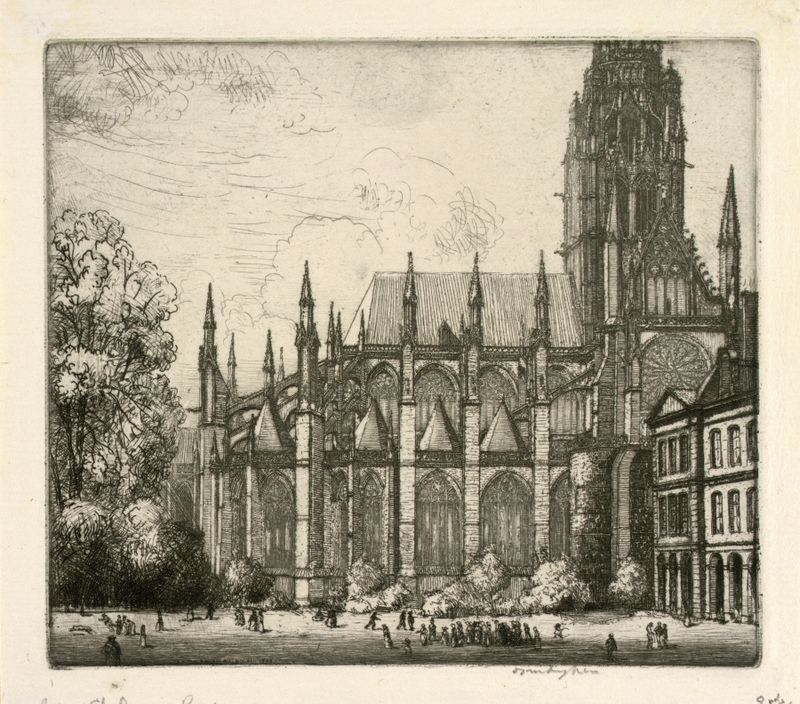
Saint-Ouen, Rouen
Donald Shaw MacLaughlan

Ruelle des Pigeons, Rouen
Donald Shaw MacLaughlan
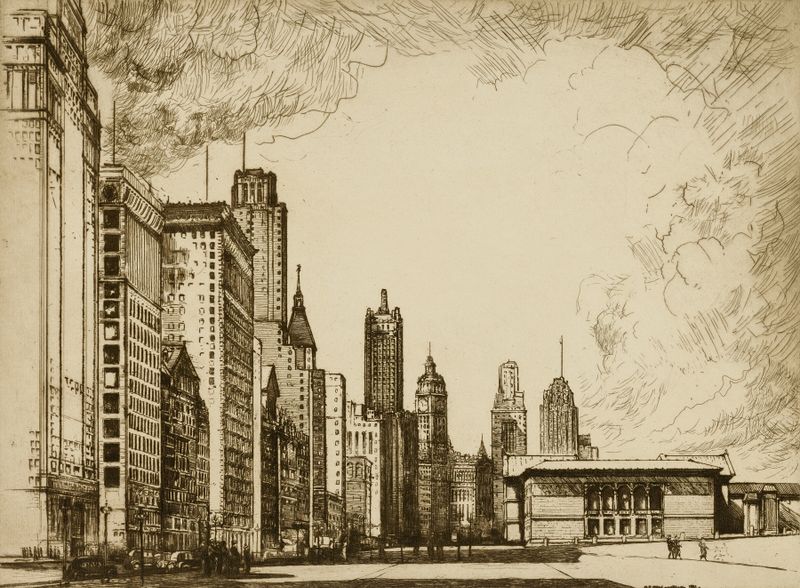
Chicago, Michigan Avenue no. 2
Donald Shaw MacLaughlan
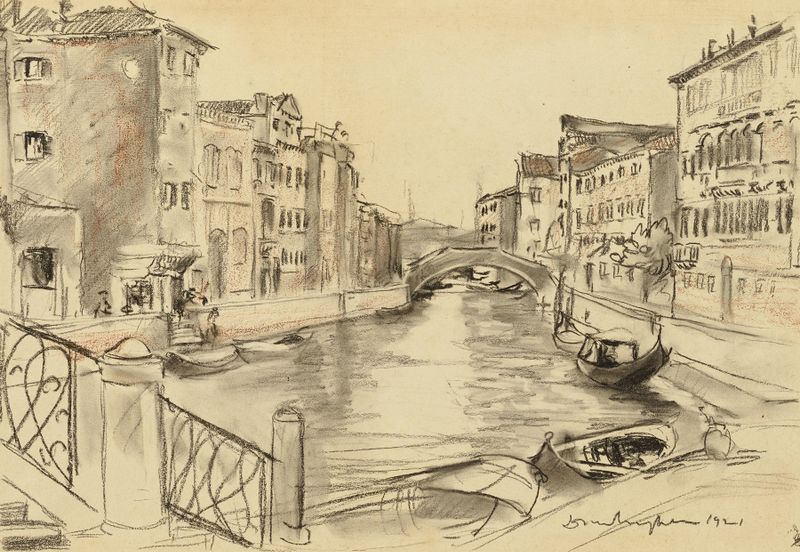
A Canal at Venice
Donald Shaw MacLaughlan
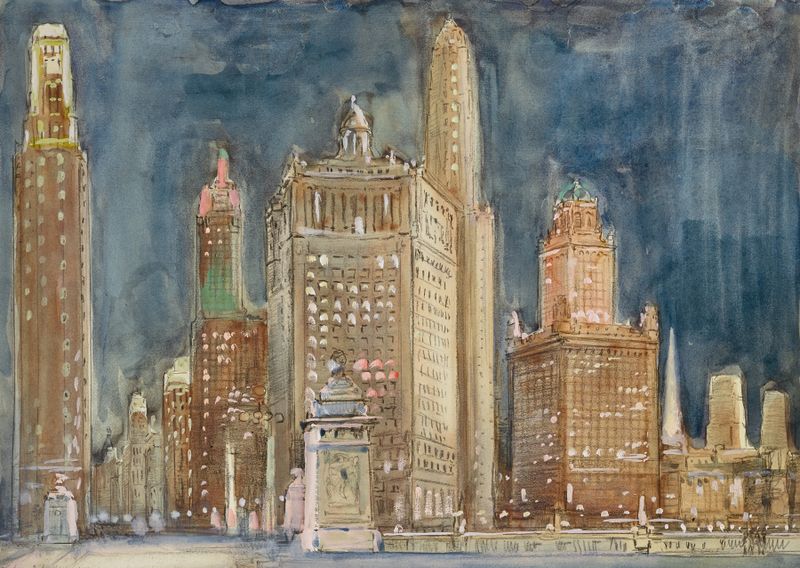
Chicago, London Guaranty Building
Donald Shaw MacLaughlan
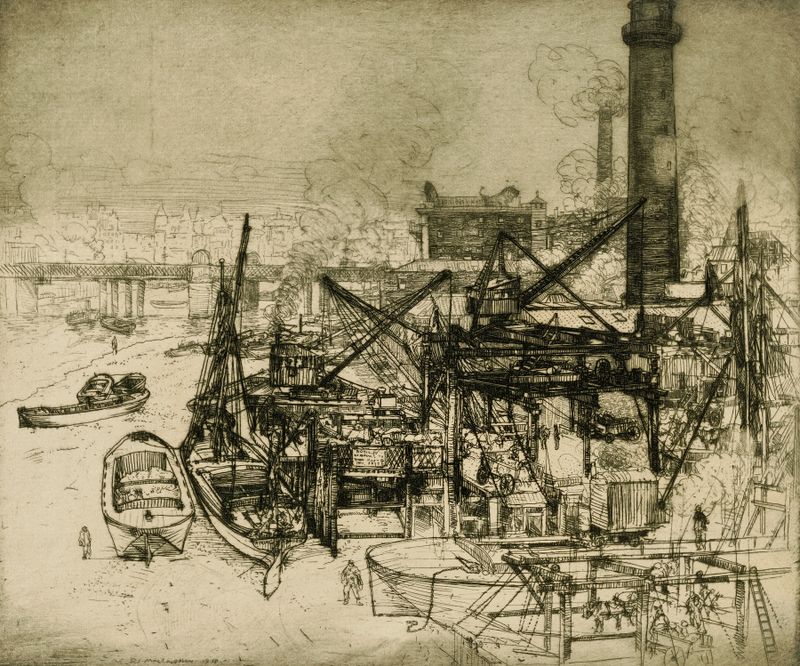
Chimneys and Cranes on the Thames
Donald Shaw MacLaughlan

London on the Thames
Donald Shaw MacLaughlan
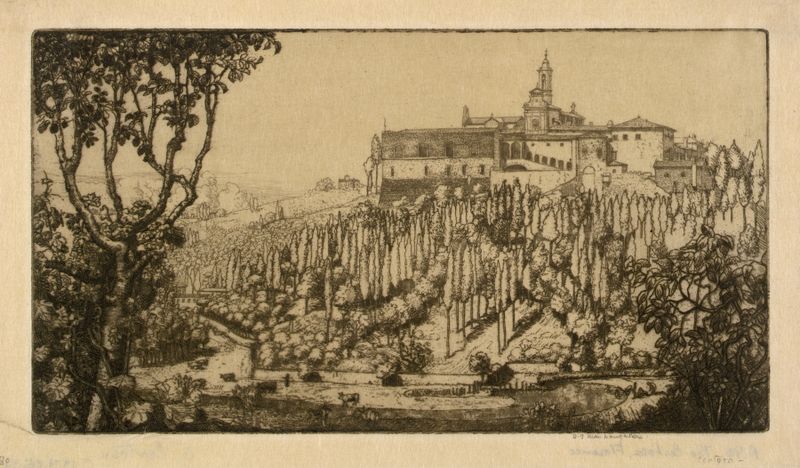
The Certosa, Florence
Donald Shaw MacLaughlan
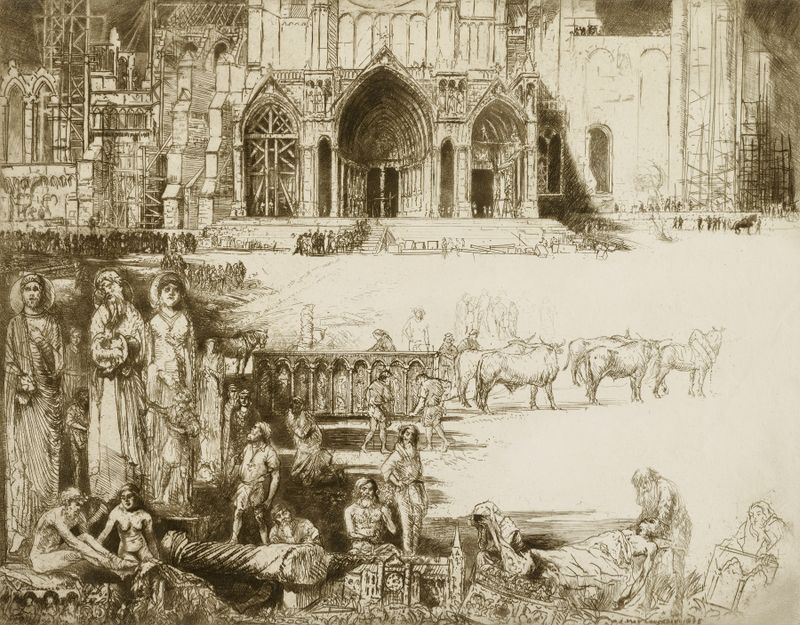
The Builders of Chartres Cathedral
Donald Shaw MacLaughlan

The Canal Life, Venice
Donald Shaw MacLaughlan
More Architecture Art
Browse all →
The statue of Liberty
Frédéric Auguste Bartholdi

View of Houses in Delft, Known as ‘The Little Street’
Johannes Vermeer

View of Houses in Delft, Known as ‘The Little Street’
Johannes Vermeer

The Cathedral in Rouen. The portal, Grey Weather
Claude Monet

The yellow house
Vincent van Gogh

The Church in Auvers-sur-Oise, View from the Chevet
Vincent van Gogh