
Notre-Dame de Paris — History & Facts
What first catches the eye in Notre-Dame de Paris by Achille Laugé is the hush that seems to hang in the air, as if the cathedral and its garden have paused to bask in the gentle blue of a Parisian morning. The cathedral rises not as a monument to power, but as a familiar presence, softened by the artist’s mosaic of pastel strokes. Laugé’s technique dissolves the hard lines of architecture into a shimmering atmosphere, where stone and sky blend at their edges.
The foreground, dappled with yellows and lavenders, draws the viewer along a sunlit path, flanked by statues that stand like silent witnesses. Every brushmark seems chosen to evoke the sensation of light itself, rather than the objects it touches. Created before 1925, this work belongs to a moment when artists like Laugé, influenced by Impressionism and Pointillism, sought to capture the fleeting qualities of light and color in the modern city. Such paintings were often made for collectors eager to bring the mood of Paris into their homes, or for regional museums like the Musée Petiet de Limoux, where this oil on panel now resides.
Laugé’s choice of Notre-Dame as his subject places him in a long tradition, yet his treatment is distinctly of his time—more concerned with sensation than with narrative or monumentality. History has kept few traces of this particular painting’s journey, but its surface still invites us to linger, to watch how the day unfolds across the stones of Paris.
More Artworks by Achille Laugé

Ruelle au balcon fleuri
Achille Laugé
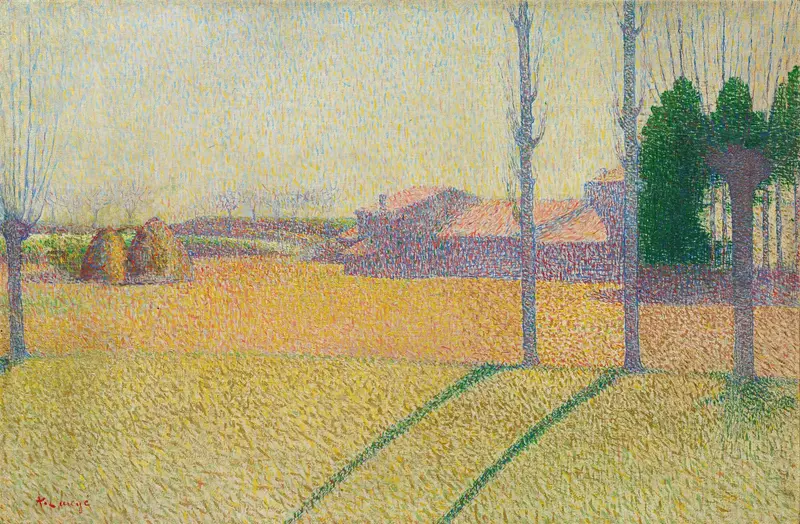
L’hort À Cailhau
Achille Laugé
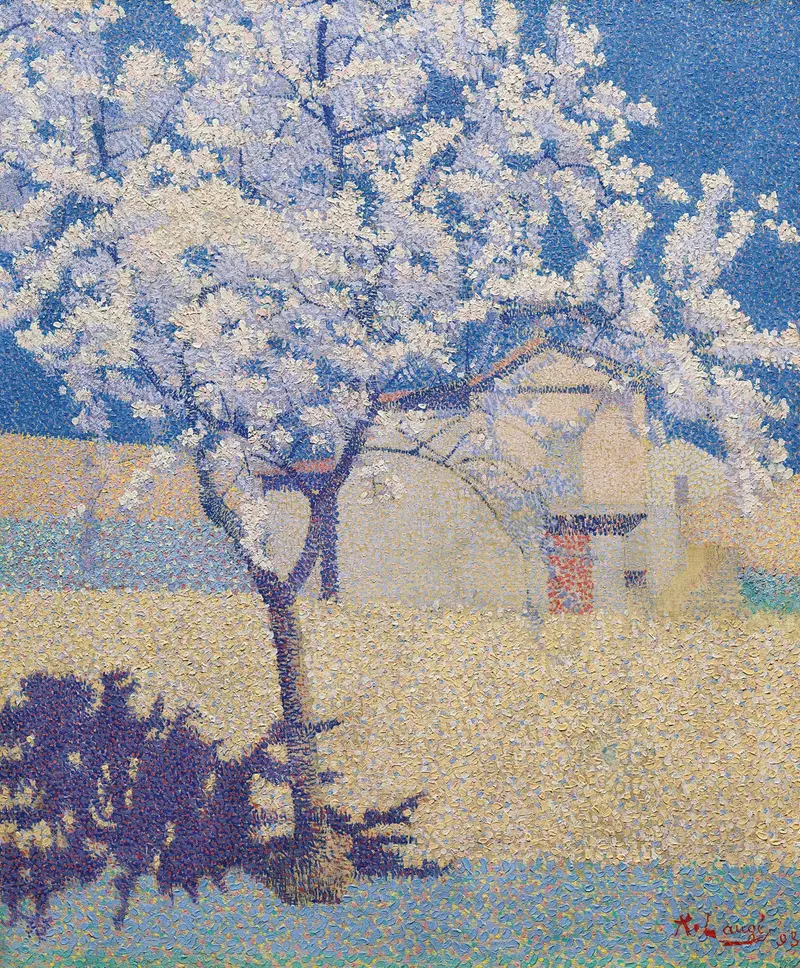
L’Arbre En Fleur
Achille Laugé
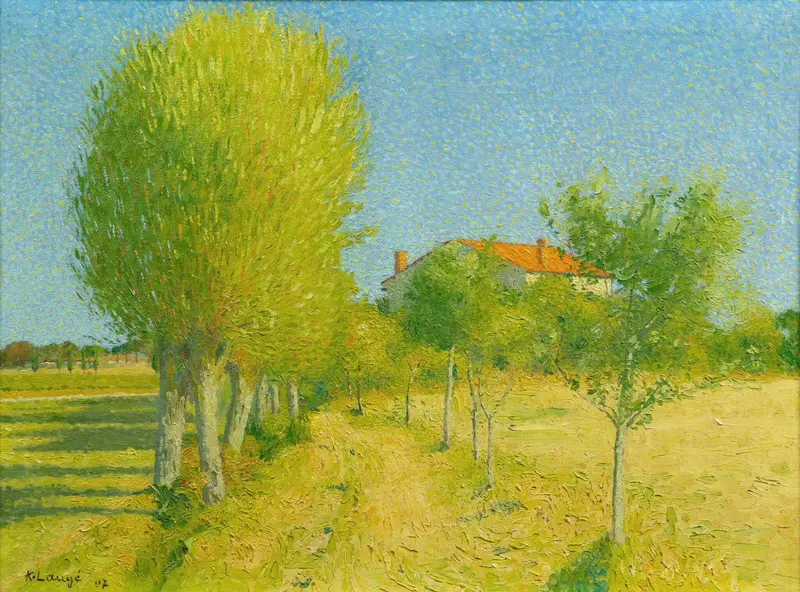
L’allée de saules derrière l’Alouette à Cailhau
Achille Laugé
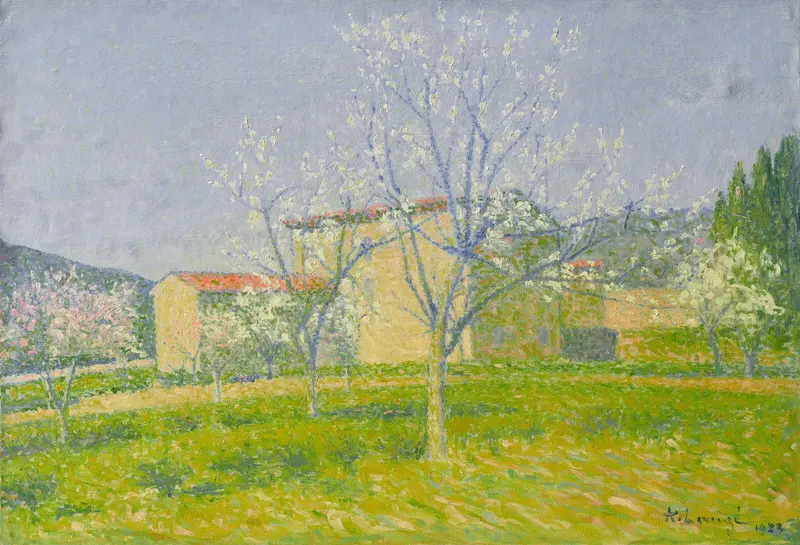
Verger en fleurs à Alet-les-Bains (Aude)
Achille Laugé
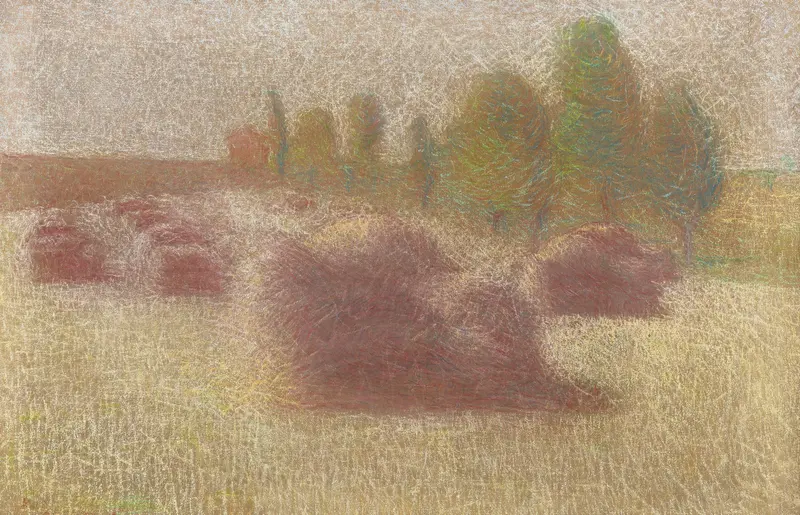
Les Gerbes
Achille Laugé
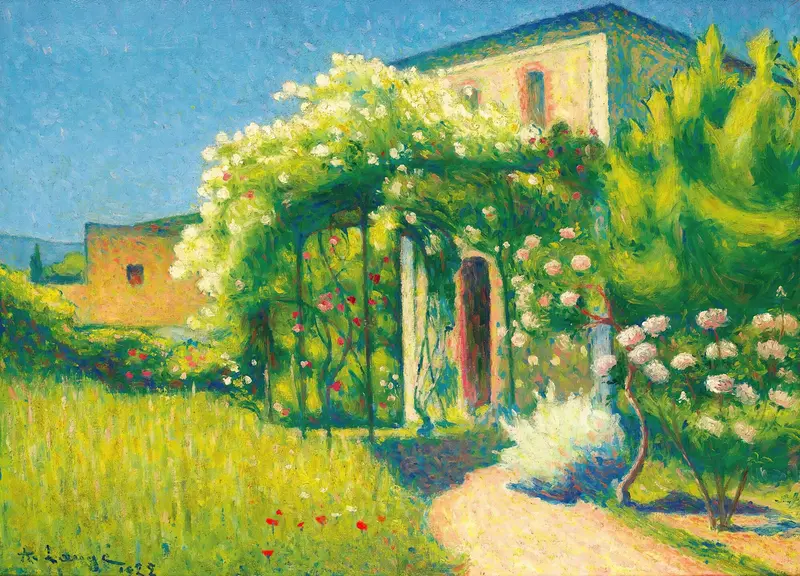
L’Atelier À Alet-Les-Bains
Achille Laugé
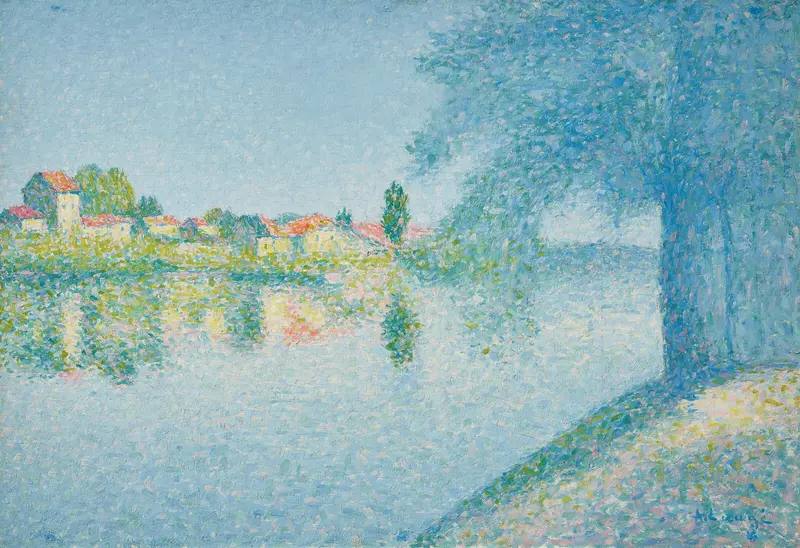
Vue des quais de la Garonne
Achille Laugé
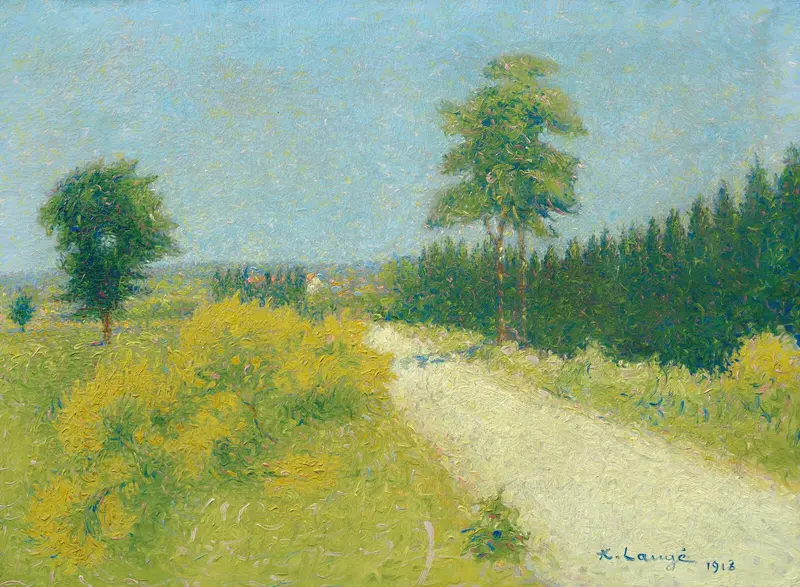
La route de Belvèze vers le relais
Achille Laugé
La route (The Road)
Achille Laugé





