
Notre Dame, Paris, from the Left Bank — History & Facts
In moments of loss, the brush speaks louder than words, whispering truths that often remain unspoken. Focus first on the serene silhouette of Notre Dame, rising majestically against the soft hues of dawn. The gentle wash of pastel colors envelops the scene, illuminating the intricate details of its Gothic architecture. Notice how the reflections dance in the Seine, mirroring the quiet beauty and timelessness of the cathedral, creating a harmonious balance between water and stone.
The artist's deft use of light infuses the canvas with a sense of hope amid the shadows of the past. Yet beneath this picturesque facade lies a deeper tension. The tranquil waters suggest a fleeting moment, a reminder of impermanence, while the cathedral stands as a testament to endurance. The juxtaposition of the stillness around Notre Dame hints at a world that has moved on, acknowledging a loss that lingers in the air.
Each brushstroke encapsulates both reverence for the past and a quiet longing for what was, inviting viewers to reflect on their own experiences of absence. In 1840, while residing in Paris, the artist captured this iconic scene at a time when the city was undergoing significant transformations. The mid-19th century marked a period of social change and artistic innovation, as the Romantic movement began to influence the landscape of French art. Duncan's work reflects both the beauty of the moment and the undercurrents of an evolving world, echoing the sentiments of loss and resilience that define the human experience.
More Artworks by Edward Duncan
Browse all →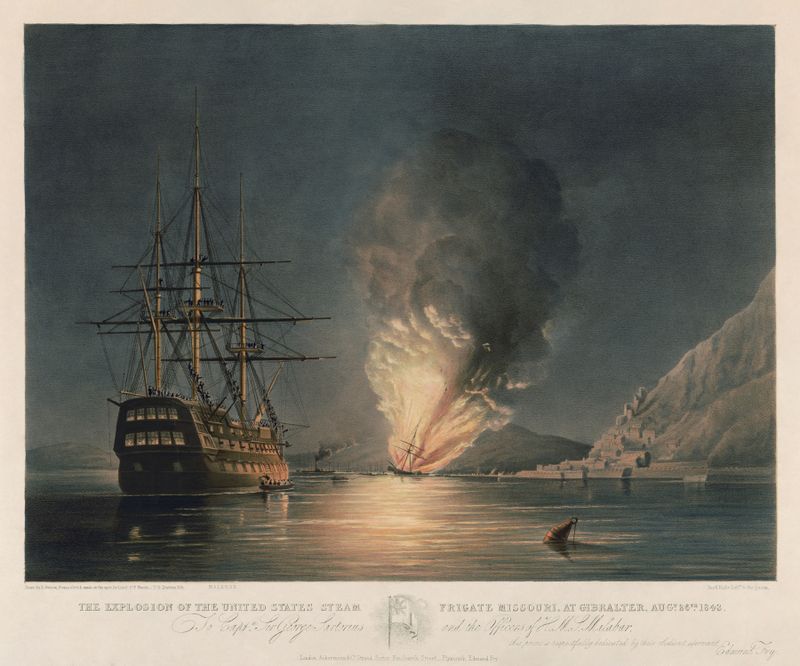
The Explosion of the United States Steam Frigate Missouri
Edward Duncan
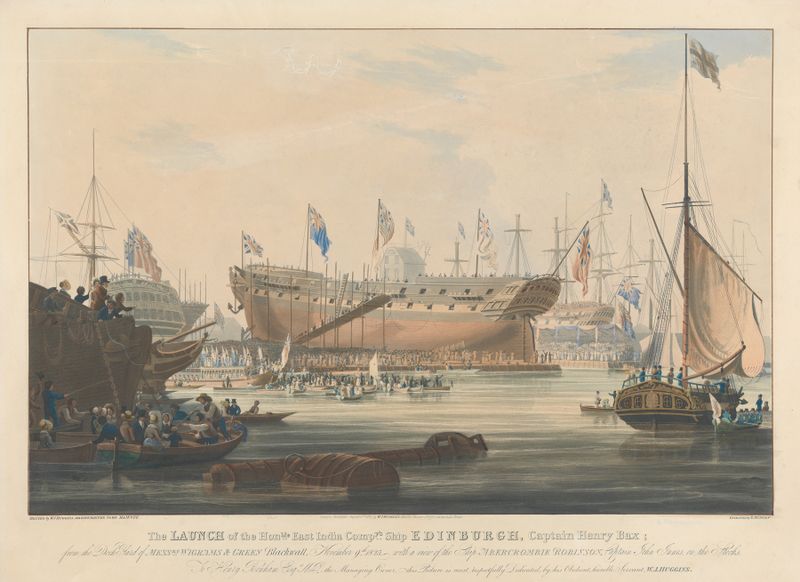
Launch of the ‘Edinburgh’, Blackwall, Nov. 9, 1825
Edward Duncan
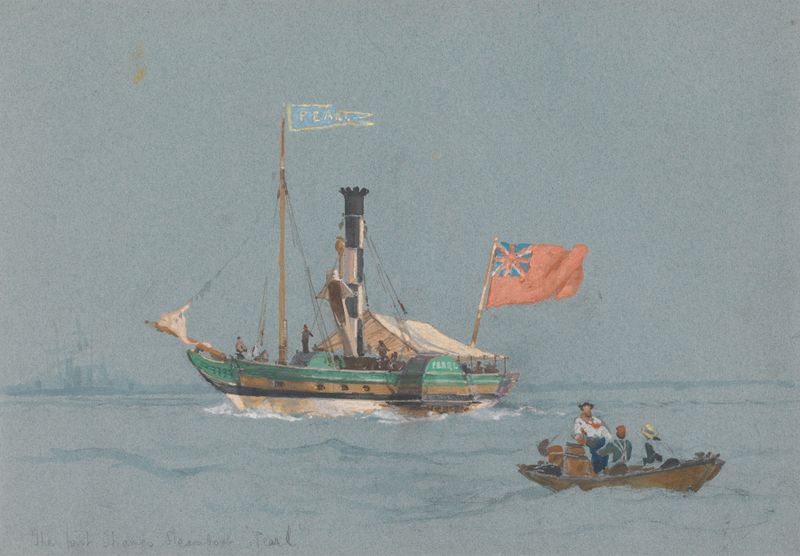
The First Thames Steamboat: Pearl
Edward Duncan
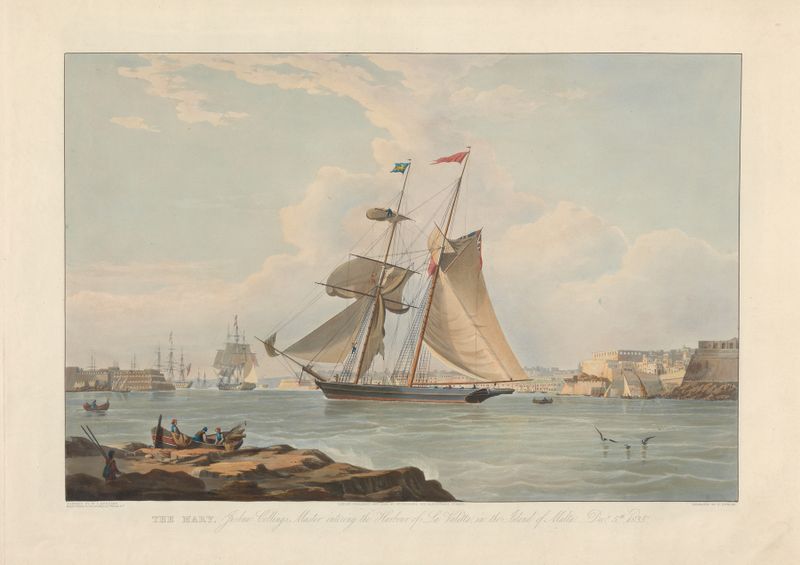
The Mary, Joshua Collings, Master, Entering the Harbour of La Valletta, in the Island of Malta, Dec. 5, 1835
Edward Duncan
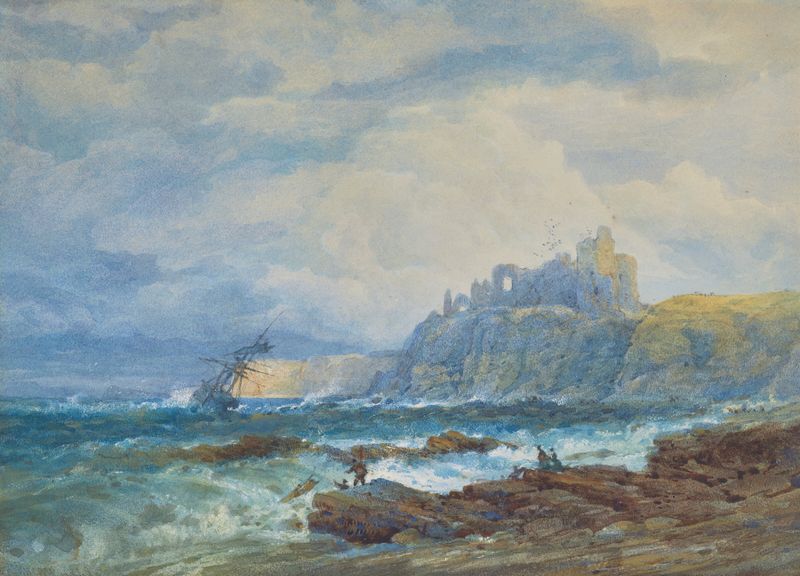
A ship in distress off Tantallon Castle, Scotland
Edward Duncan
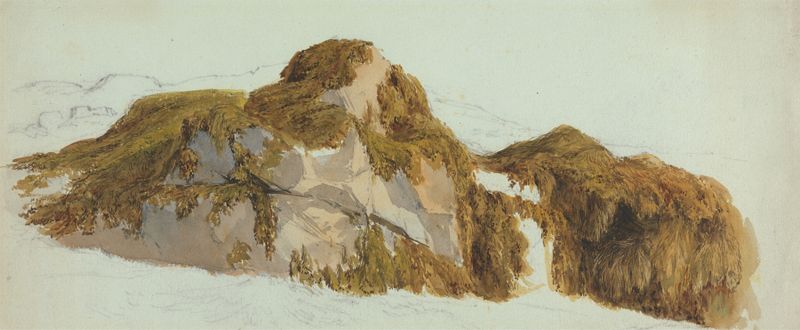
Study of Rocks Covered with Seaweed
Edward Duncan
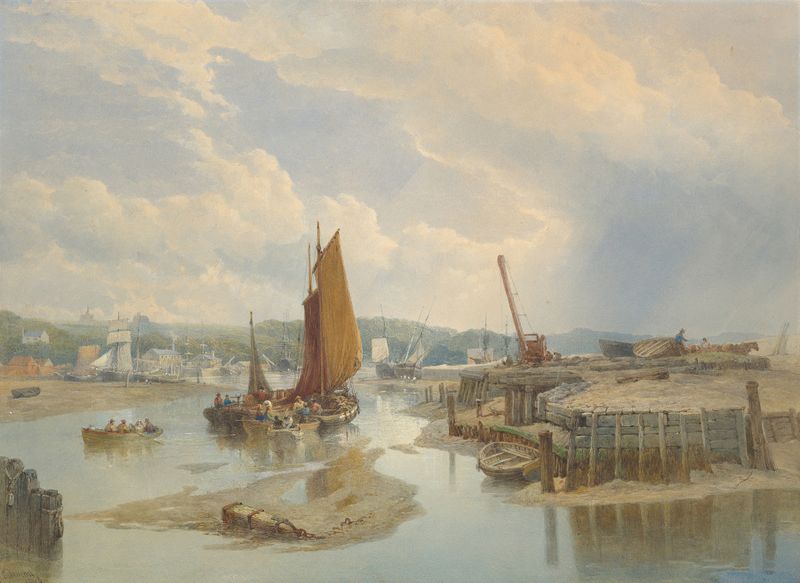
A Town on an Estuary at Low Tide
Edward Duncan
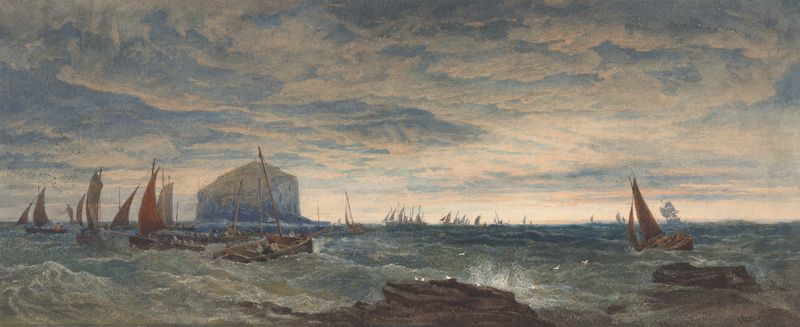
The Bass Rock at Dawn
Edward Duncan
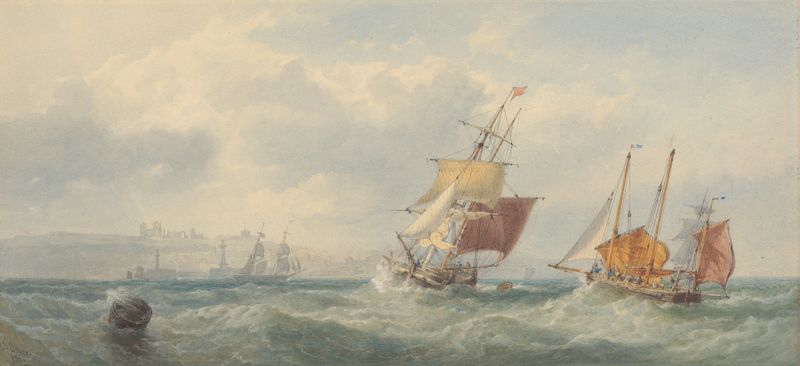
Off Whitby
Edward Duncan
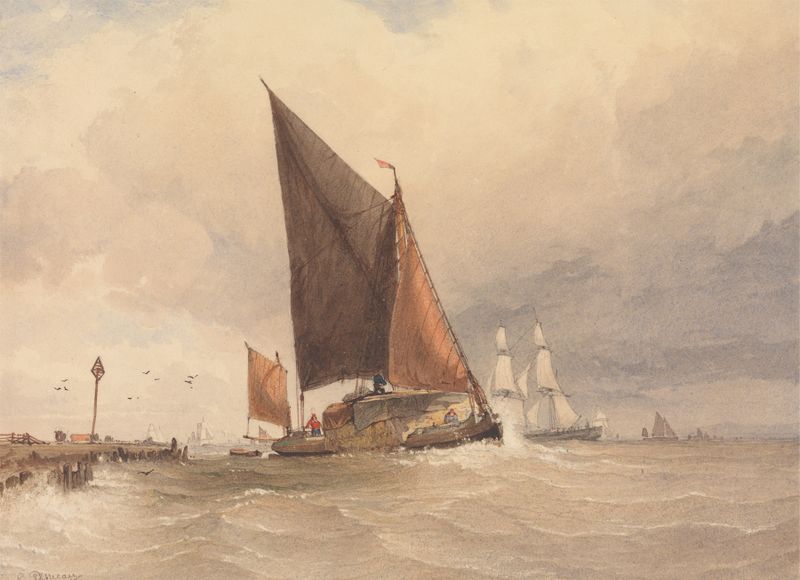
Sailing Barge at Sea
Edward Duncan
More Architecture Art
Browse all →
The statue of Liberty
Frédéric Auguste Bartholdi

View of Houses in Delft, Known as ‘The Little Street’
Johannes Vermeer

View of Houses in Delft, Known as ‘The Little Street’
Johannes Vermeer

The Cathedral in Rouen. The portal, Grey Weather
Claude Monet

The yellow house
Vincent van Gogh

The Church in Auvers-sur-Oise, View from the Chevet
Vincent van Gogh