
The Explosion of the United States Steam Frigate Missouri — History & Facts
What secret hides in the quiet of the canvas? A moment of chaos and destruction is captured in the stillness, revealing the truths lurking beneath the surface. Look to the left at the swirling smoke emanating from the vessel, its dark tendrils curling into the sky. The contrasting colors of the fire’s orange flames against the blue waves pull your gaze toward the chaos of the explosion, while the billowing shadows create a sense of foreboding. Notice how the artist skillfully utilizes light to form an eerie glow around the ship, highlighting the fragility of life against the immensity of disaster.
The composition draws you in, with the stark division between the tumultuous ocean and the calmness of the distant horizon, emphasizing the tragic juxtaposition of nature and human endeavor. The painting evokes a mixture of awe and horror, inviting contemplation on the fragility of human achievements amidst the unpredictability of fate. The ship, a symbol of progress and strength, is engulfed in flames, provoking questions about the cost of such advancements. The figures in the foreground, caught in mid-action, reveal the panic and desperation of those facing imminent disaster, while the calm sea hints at nature's indifference to human suffering.
Each detail whispers stories of bravery, loss, and the inevitable consequences of ambition. Created between 1843 and 1850, this work emerged during a period marked by technological advancements in naval warfare and exploration. Edward Duncan, influenced by Romanticism, sought to evoke emotional responses through dramatic narratives. This painting, depicting the tragic explosion of the U.S.
Steam Frigate Missouri, reflects both the pride of maritime progress and the haunting reminder of its catastrophic potential, encapsulating a pivotal moment in history.
More Artworks by Edward Duncan
Browse all →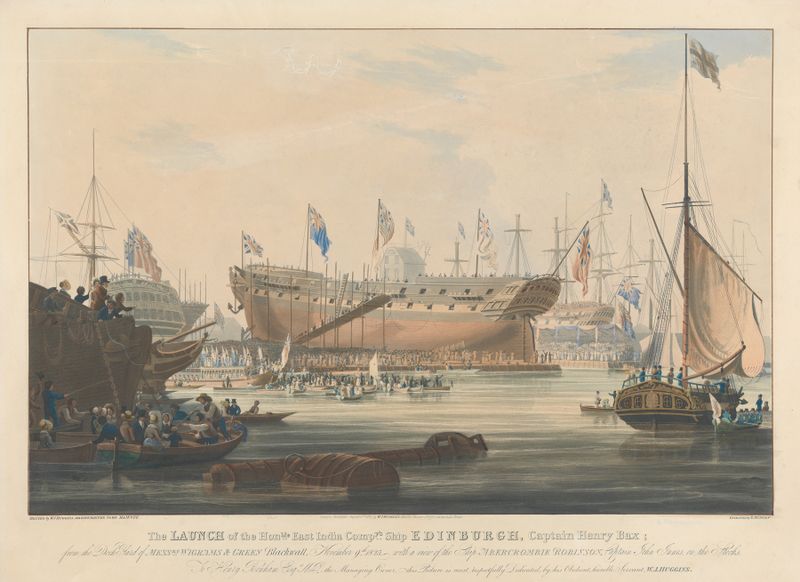
Launch of the ‘Edinburgh’, Blackwall, Nov. 9, 1825
Edward Duncan
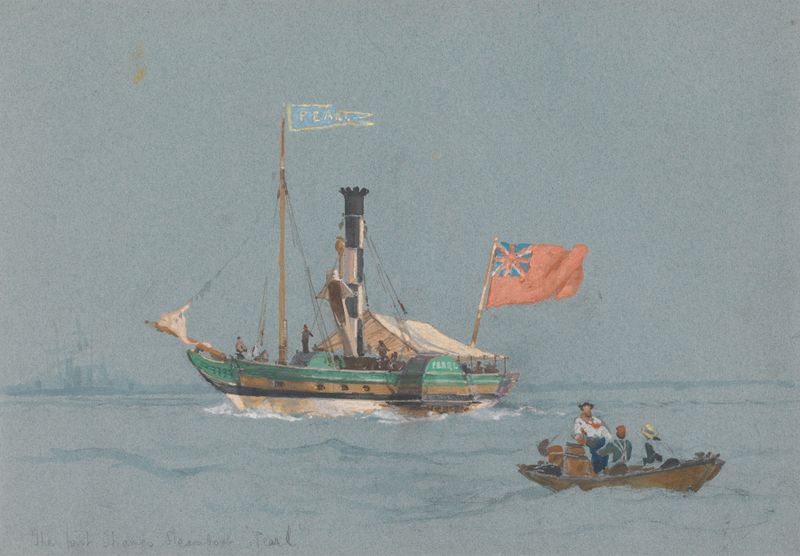
The First Thames Steamboat: Pearl
Edward Duncan
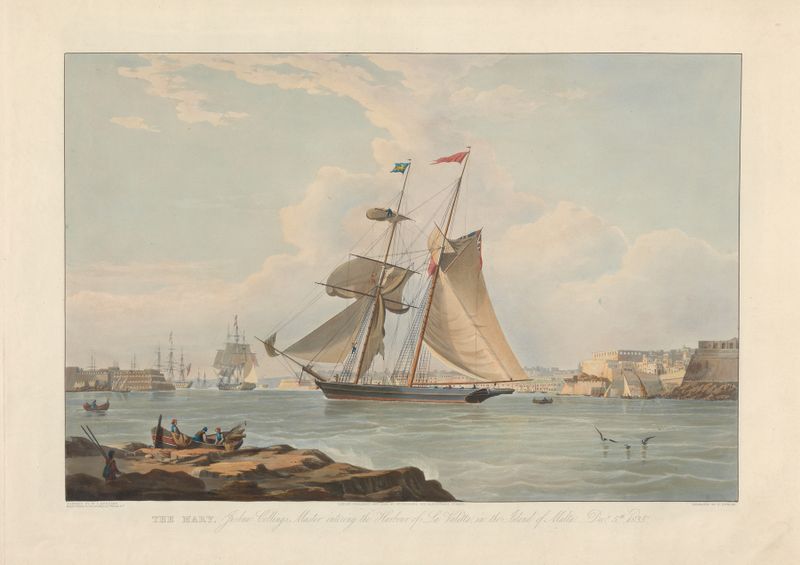
The Mary, Joshua Collings, Master, Entering the Harbour of La Valletta, in the Island of Malta, Dec. 5, 1835
Edward Duncan
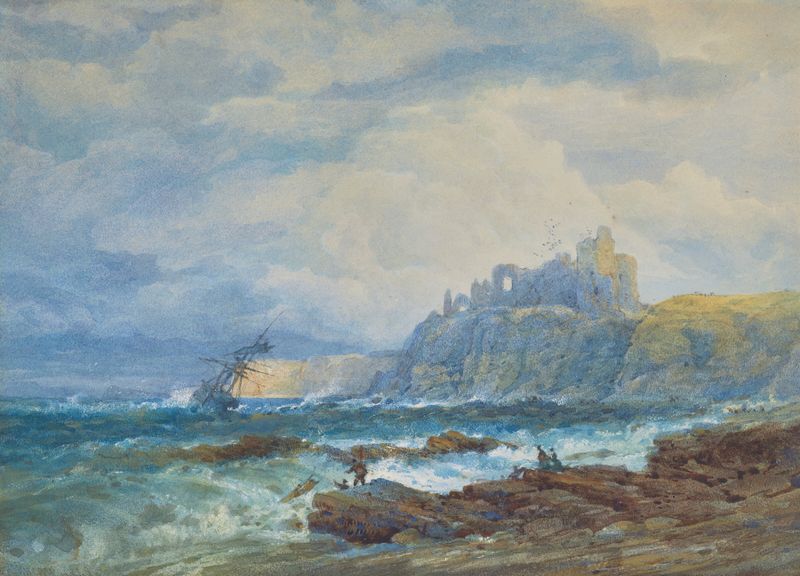
A ship in distress off Tantallon Castle, Scotland
Edward Duncan
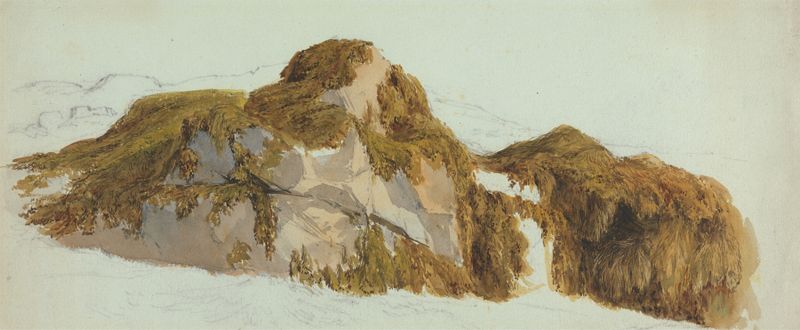
Study of Rocks Covered with Seaweed
Edward Duncan
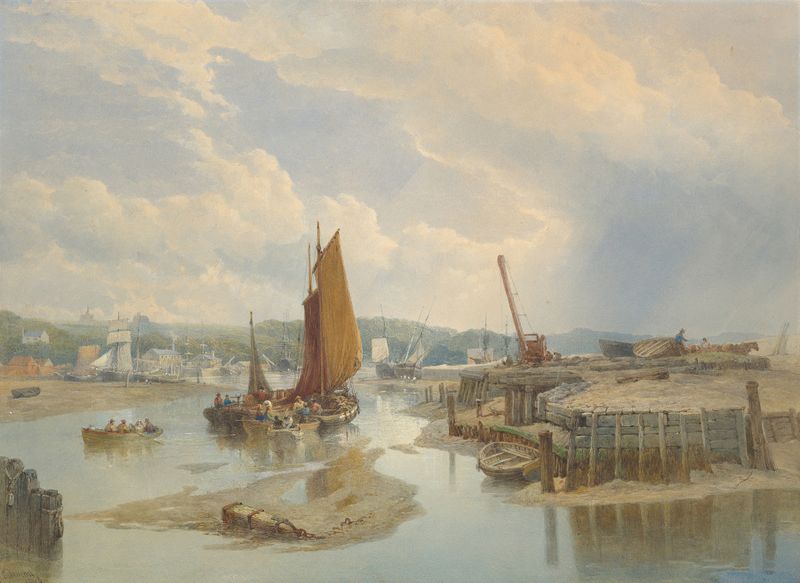
A Town on an Estuary at Low Tide
Edward Duncan
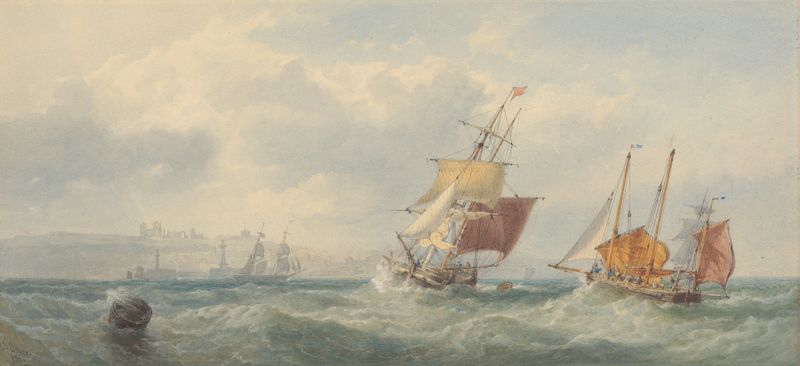
Off Whitby
Edward Duncan
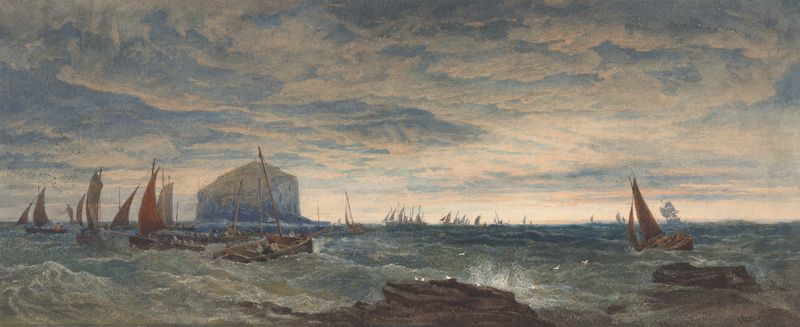
The Bass Rock at Dawn
Edward Duncan
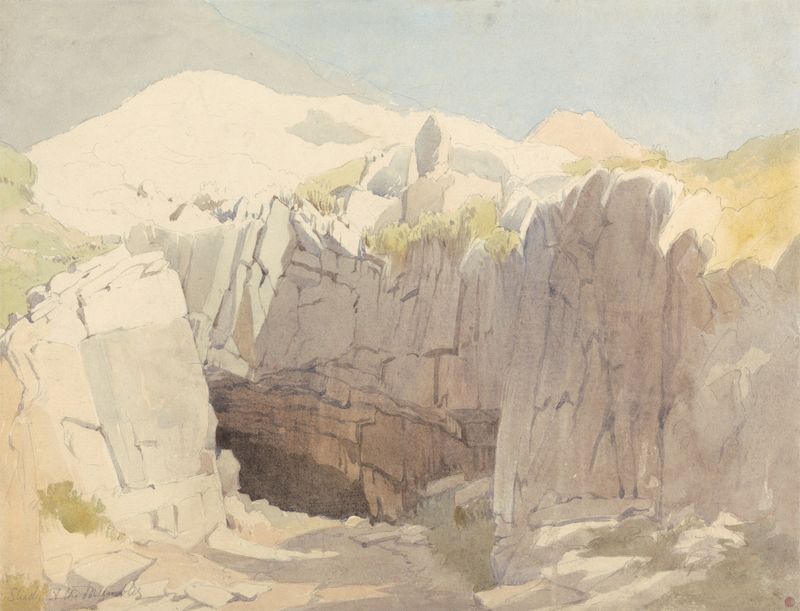
Study of Rocks at Mumbles
Edward Duncan
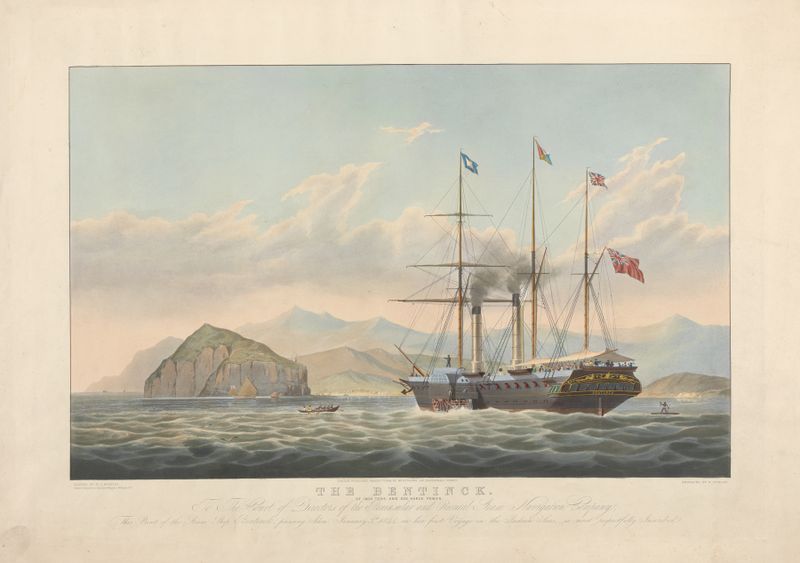
The Bentinck
Edward Duncan
More Historical Art
Browse all →
The Night Watch Militia Company of District II under the Command of Captain Frans Banninck Cocq
Rembrandt van Rijn

Lincoln Memorial
Henry Bacon

The Third of May 1808
Francisco de Goya

Isaac and Rebecca, Known as ‘The Jewish Bride’
Rembrandt van Rijn

The Charge of the Mamelukes (1814)
Francisco de Goya

De vier ruiters van de apocalyps
Albrecht Dürer