
Off Whitby — History & Facts
Can beauty exist without sorrow? In Edward Duncan's Off Whitby, the delicate interplay between innocence and melancholy invites us to ponder this profound question. Look closely at the tranquil waters, where soft waves lap against the hull of a diminutive fishing vessel. Focus on the subtle hues of blue and green that seem to breathe with the light, while the nearly cloudless sky casts a gentle warmth upon the scene. The distant cliffs stand sentinel, painted in soft browns and muted greys, grounding the moment.
Each brushstroke whispers tales of life at sea, revealing the calm before the storm — a deceptive stillness that envelops the viewer. Emotional tension simmers in the juxtaposition of the serene waters and the looming cliffs, which suggest the ever-present dangers that accompany maritime life. The fragile innocence of the boat, seemingly unprotected, contrasts with the powerful forces of nature that surround it. This duality prompts a reflection on the vulnerability of human endeavors, where beauty and peril coexist harmoniously, reminding us that joy is often laced with an undercurrent of risk. In 1870, Duncan painted this work while immersed in the artistic revival of the British landscape, capturing not only the nautical essence of Whitby but also the burgeoning fascination with realism.
This period marked a shift in the art world, as artists sought to document the everyday lives of people while grappling with the changing tides of society. The tranquility of Off Whitby encapsulates a moment of stillness amidst an era of rapid transformation.
More Artworks by Edward Duncan
Browse all →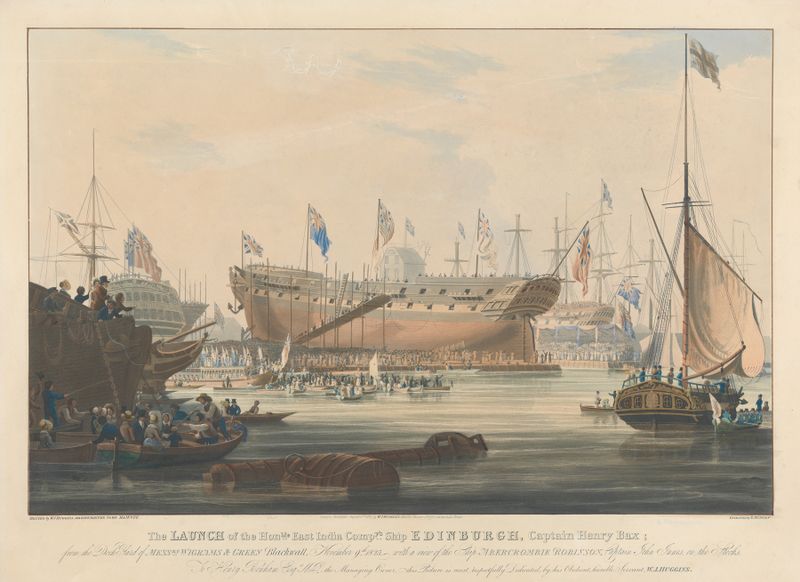
Launch of the ‘Edinburgh’, Blackwall, Nov. 9, 1825
Edward Duncan
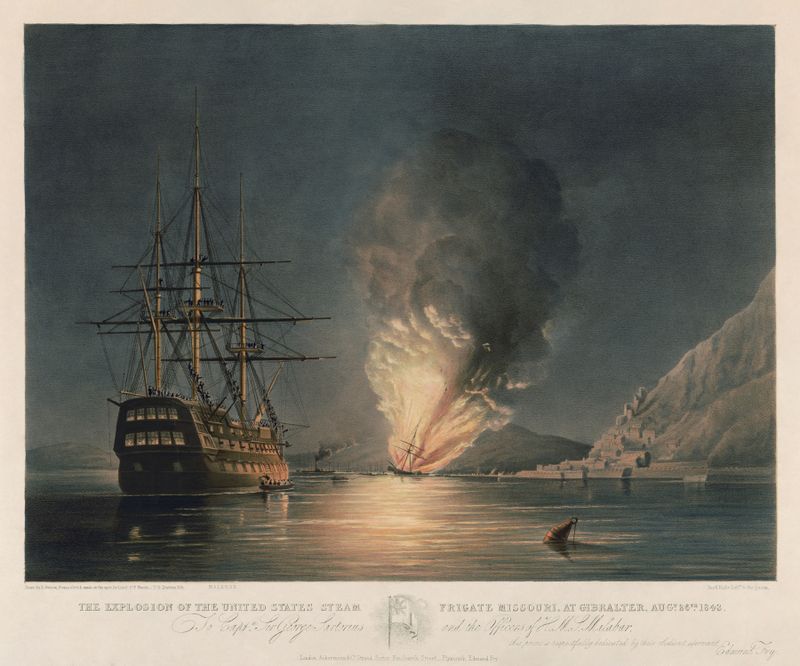
The Explosion of the United States Steam Frigate Missouri
Edward Duncan
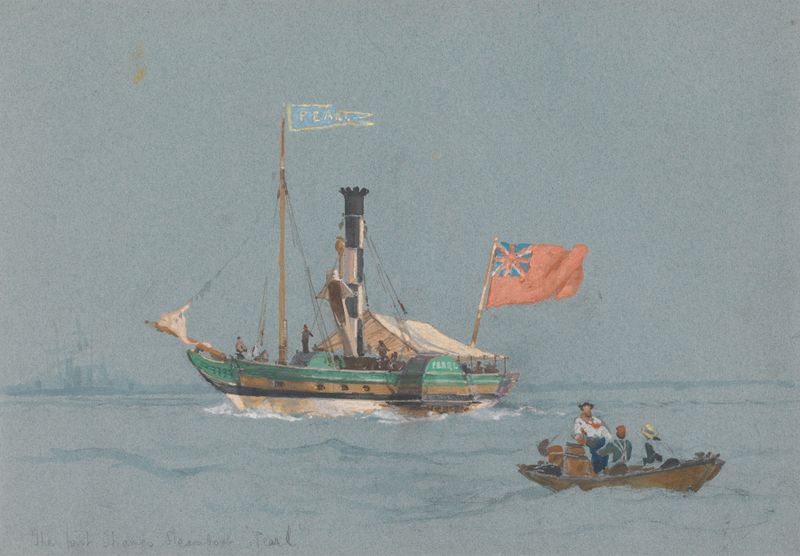
The First Thames Steamboat: Pearl
Edward Duncan
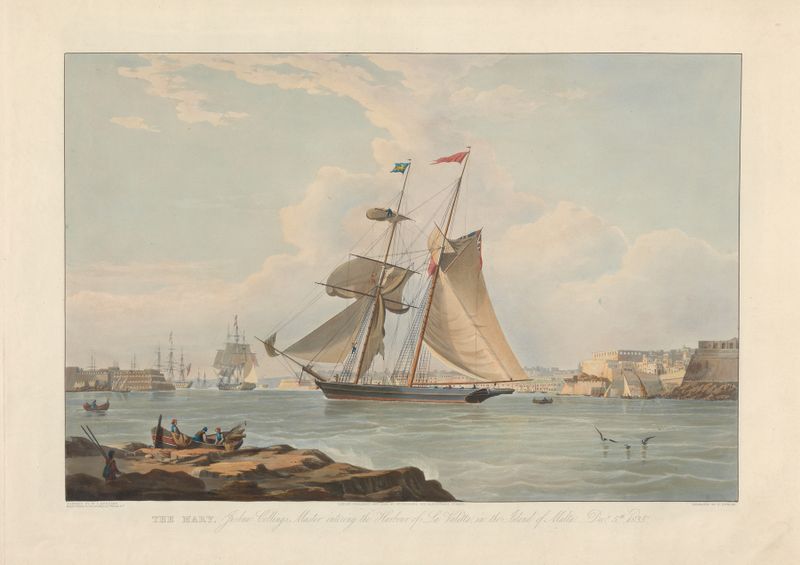
The Mary, Joshua Collings, Master, Entering the Harbour of La Valletta, in the Island of Malta, Dec. 5, 1835
Edward Duncan
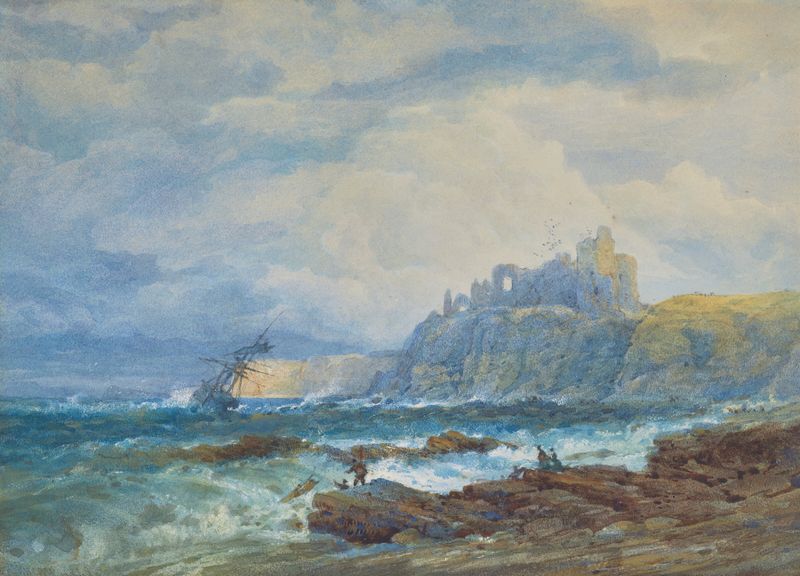
A ship in distress off Tantallon Castle, Scotland
Edward Duncan
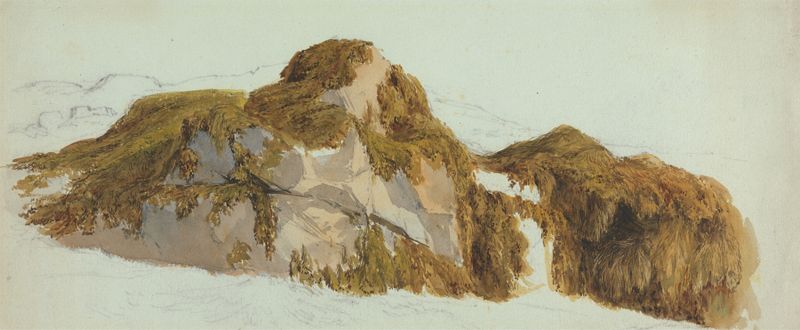
Study of Rocks Covered with Seaweed
Edward Duncan
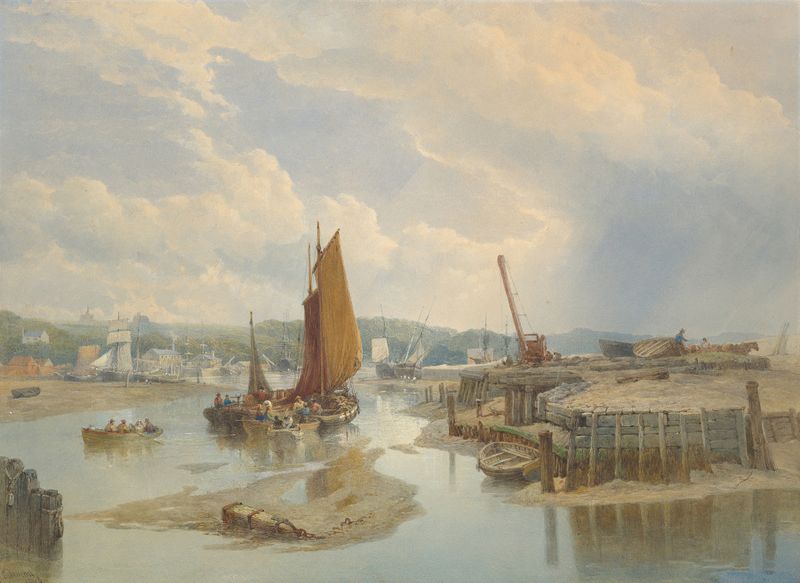
A Town on an Estuary at Low Tide
Edward Duncan
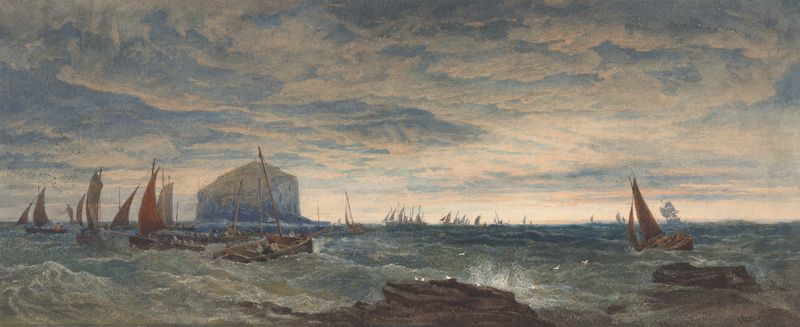
The Bass Rock at Dawn
Edward Duncan
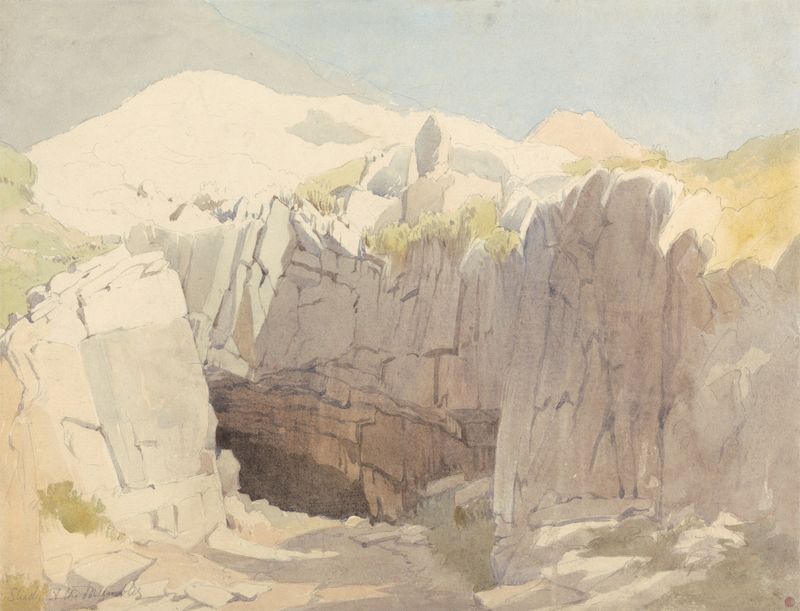
Study of Rocks at Mumbles
Edward Duncan
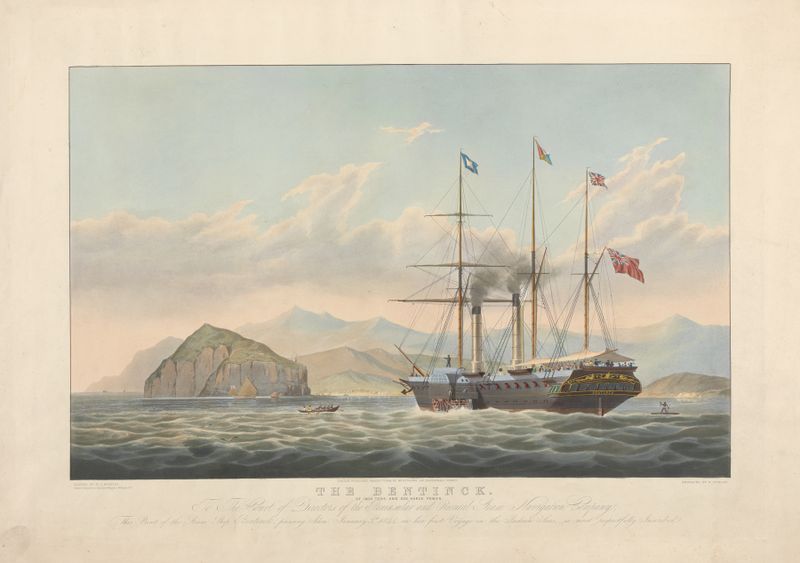
The Bentinck
Edward Duncan





