
Nude Study and Drapery Details — History & Facts
In Nude Study and Drapery Details, we see a nude figure elegantly posed, surrounded by flowing drapery. The artist employs a soft color palette, primarily using warm tones of beige and cream. The figure's musculature is rendered with careful attention, showcasing Batoni's skill in anatomical accuracy.
The drapery adds a sense of movement and depth to the composition. This drawing is executed in a precise manner, highlighting Batoni's mastery of line and form. The use of shading enhances the three-dimensional quality of the figure, making it appear lifelike. The details in the drapery are particularly noteworthy, demonstrating the artist's ability to capture texture and light.
Overall, the work reflects the neoclassical style, emphasizing clarity and harmony. Pompeo Batoni was a prominent Italian painter of the 18th century, known for his portraits and historical scenes. This particular work, likely created in the 1760s, showcases his interest in the human form and drapery. An interesting fact about this drawing is that it may have served as a preparatory study for a larger painting.
Batoni's influence can be seen in the works of later artists who admired his technique and style.
More Artworks by Pompeo Batoni
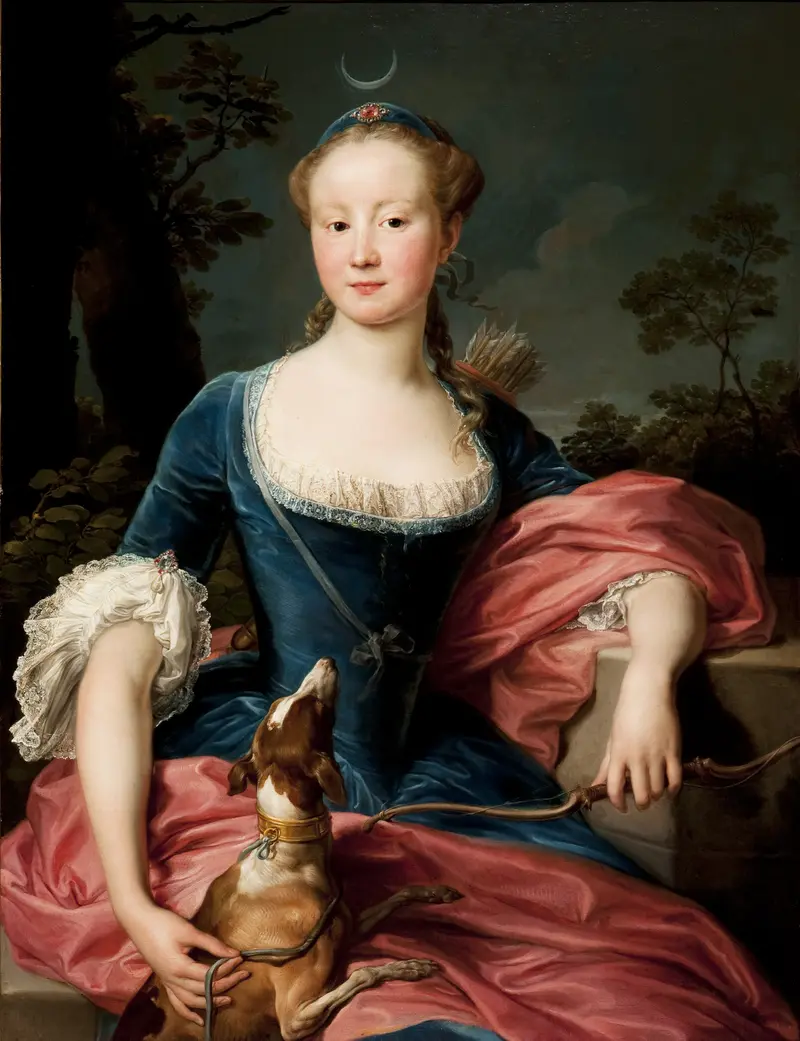
Portrait of a Lady as Diana the Huntress
Pompeo Batoni
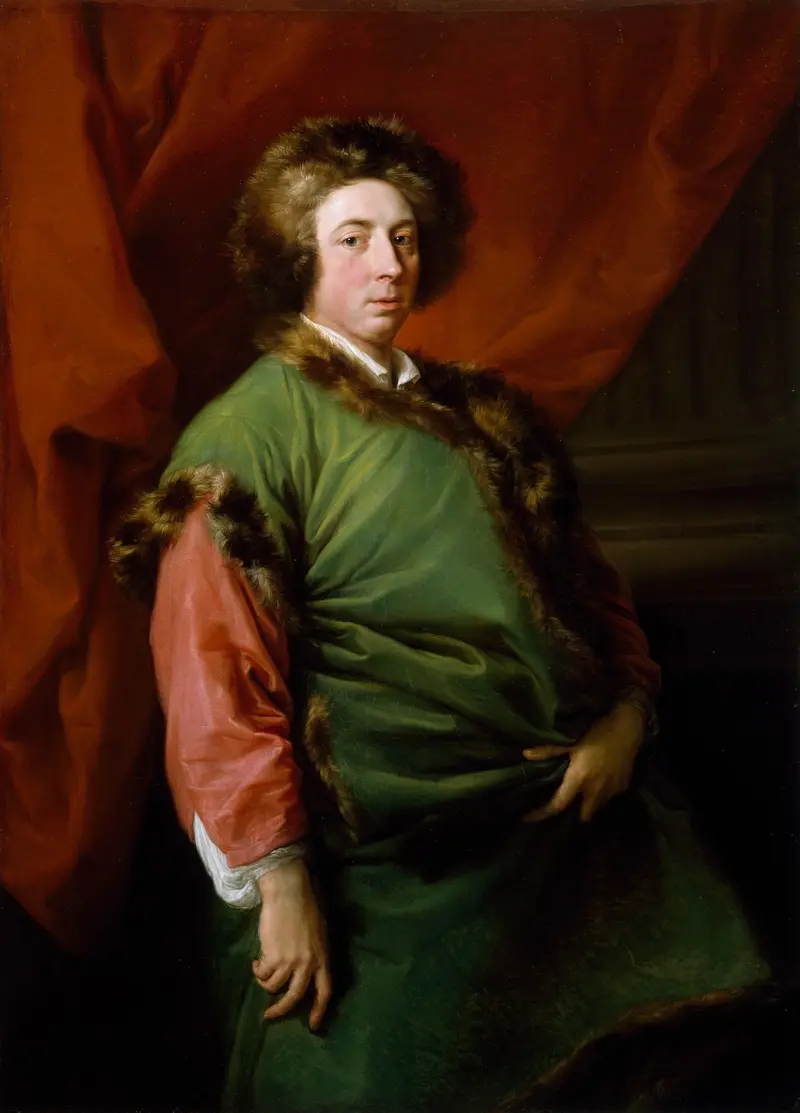
Portrait of Joseph Leeson, later 1st Earl of Milltown (1711-1783)
Pompeo Batoni
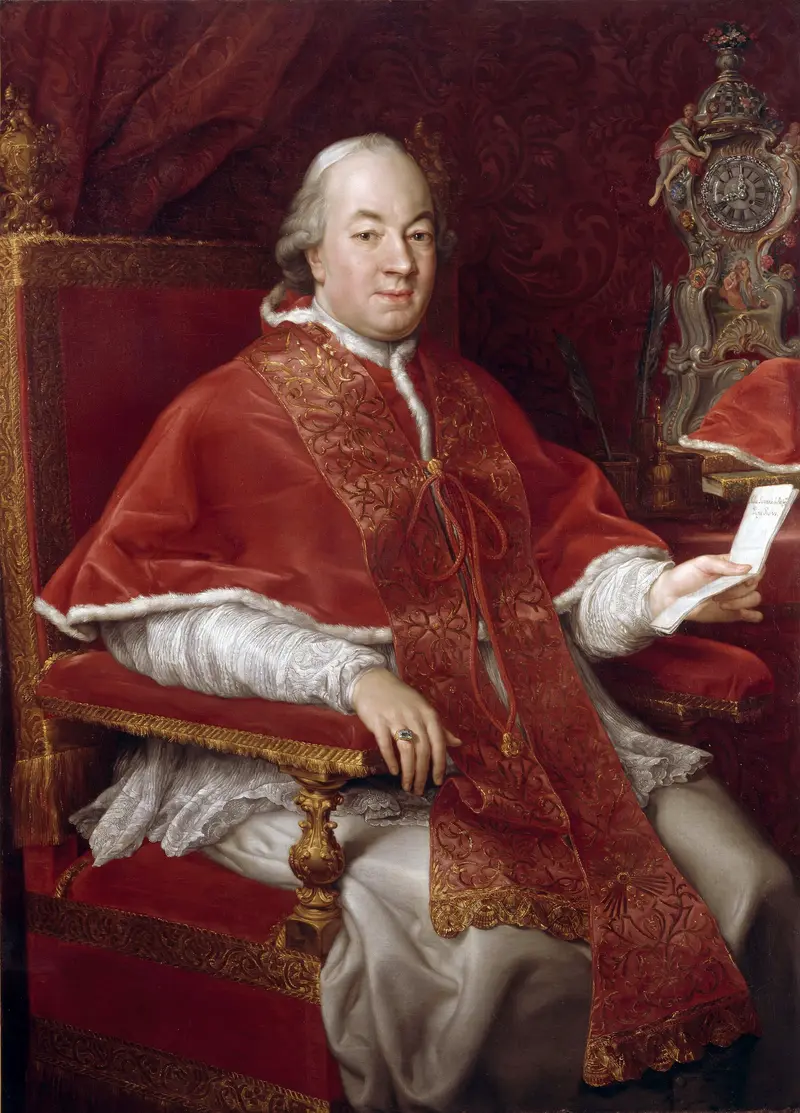
Portrait of Pope Pius VI, Giovanni Angelo Braschi (1717-1799)
Pompeo Batoni
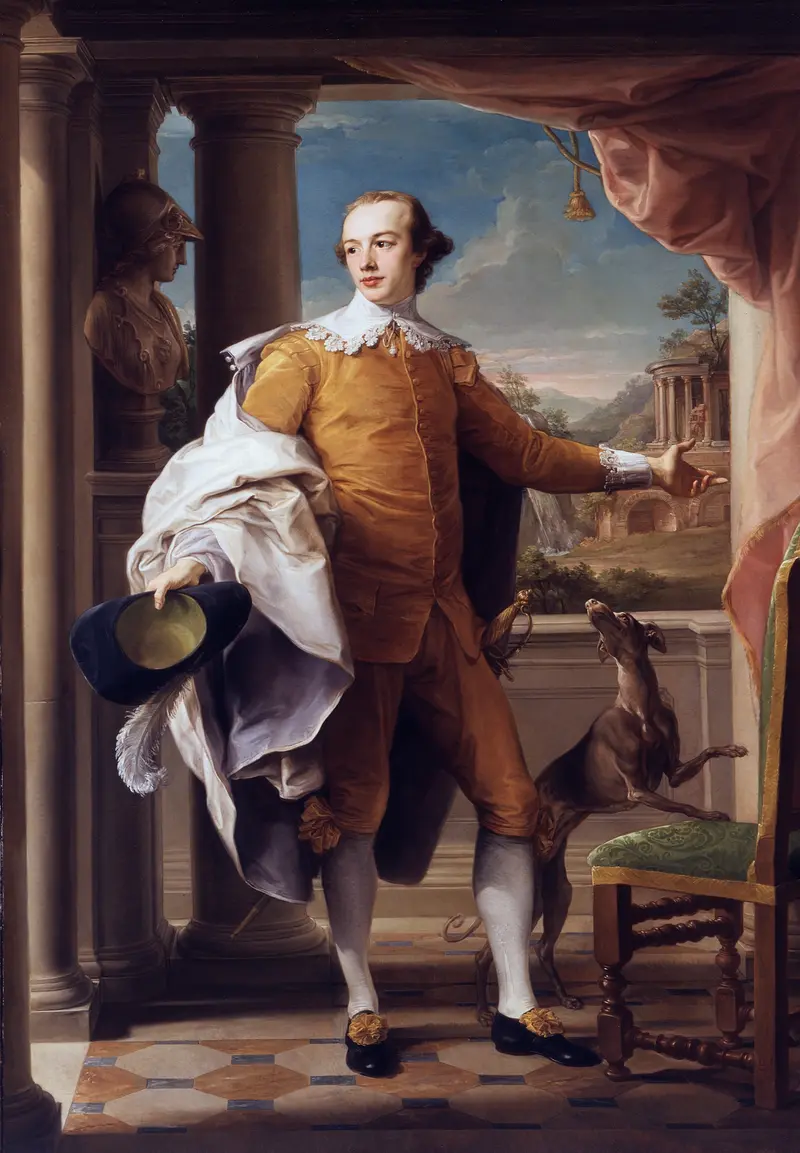
Portrait of Sir Wyndham Knatchbull-Wyndham
Pompeo Batoni
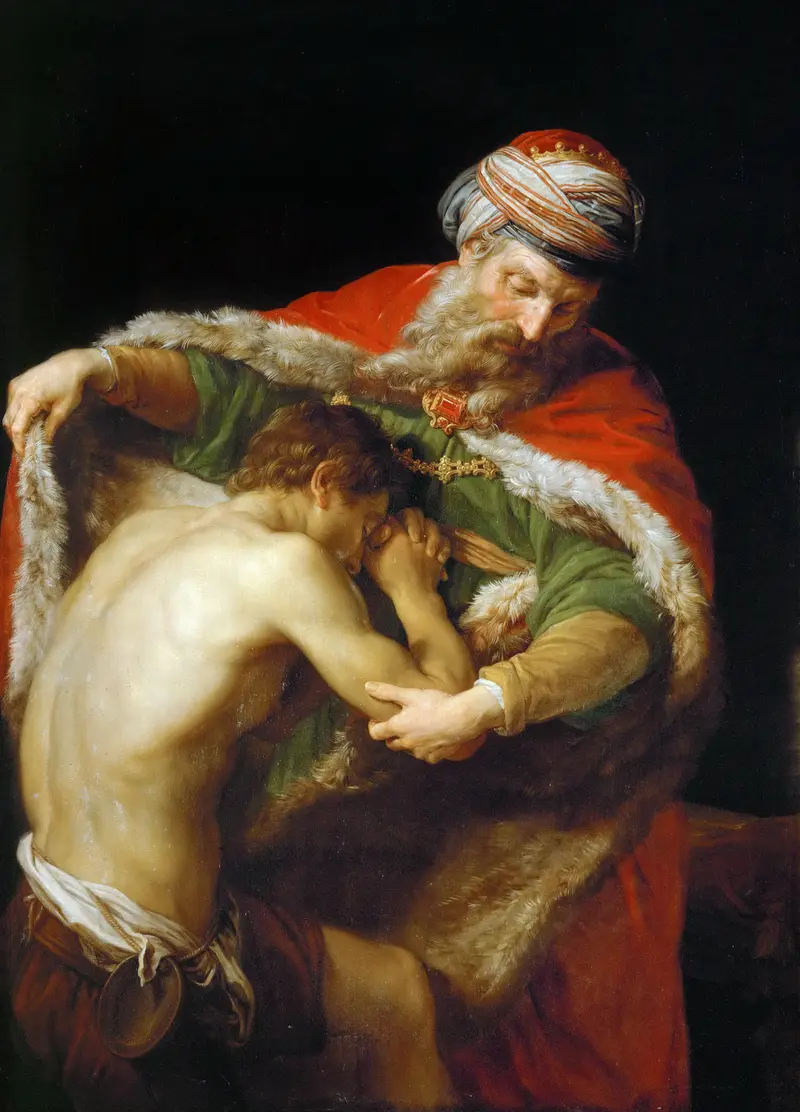
The Return Of The Prodigal Son
Pompeo Batoni
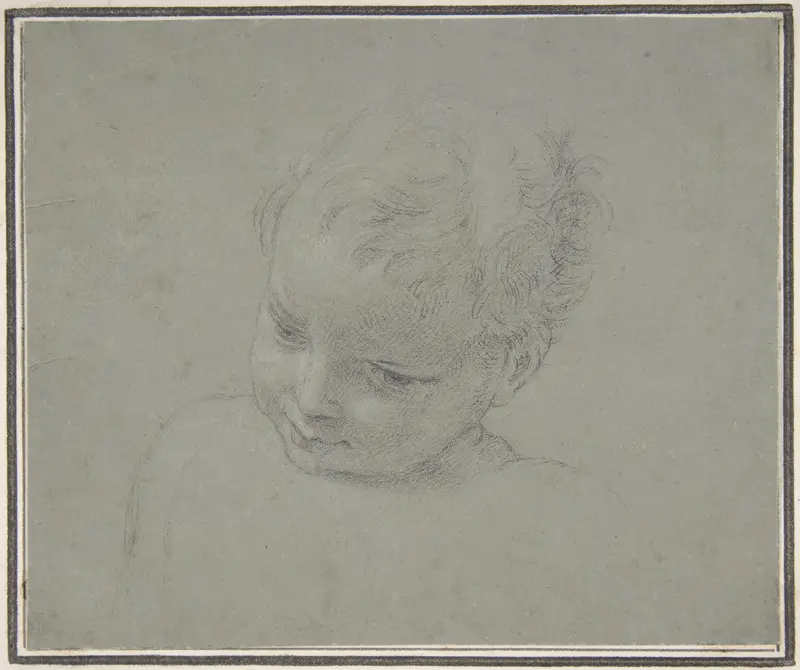
Bust-Length Study of a Child
Pompeo Batoni
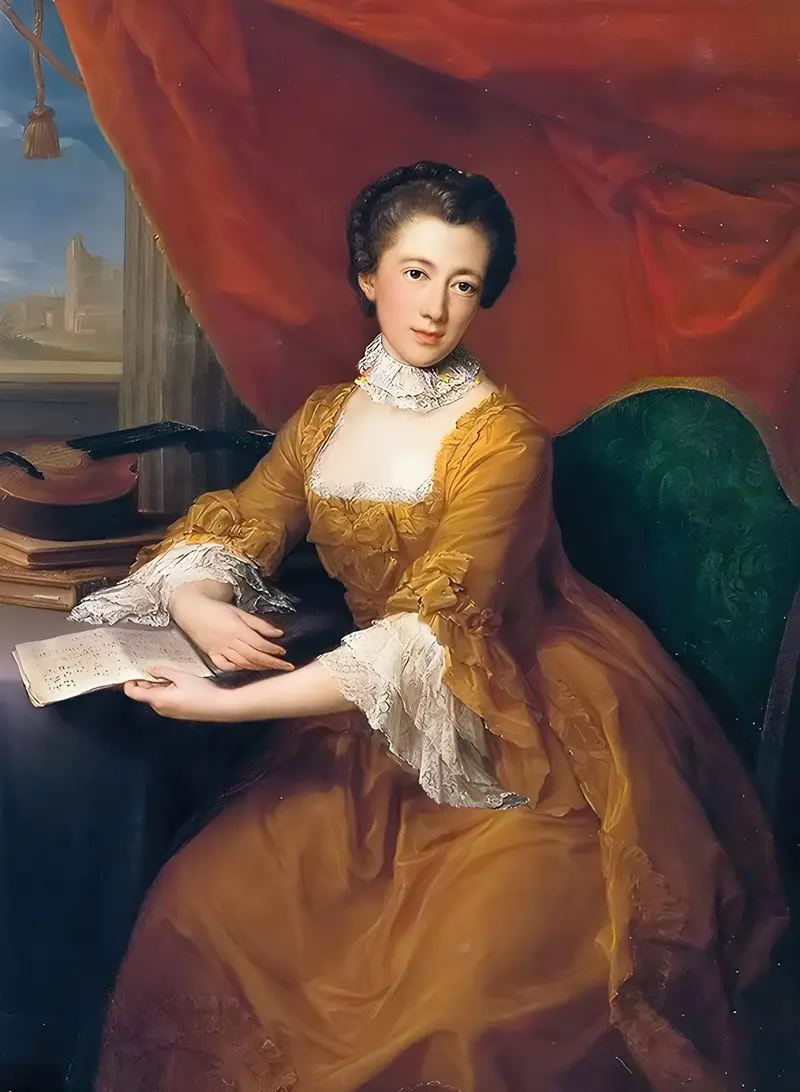
Portrait of Lady Margaret Georgiana Poyntz
Pompeo Batoni
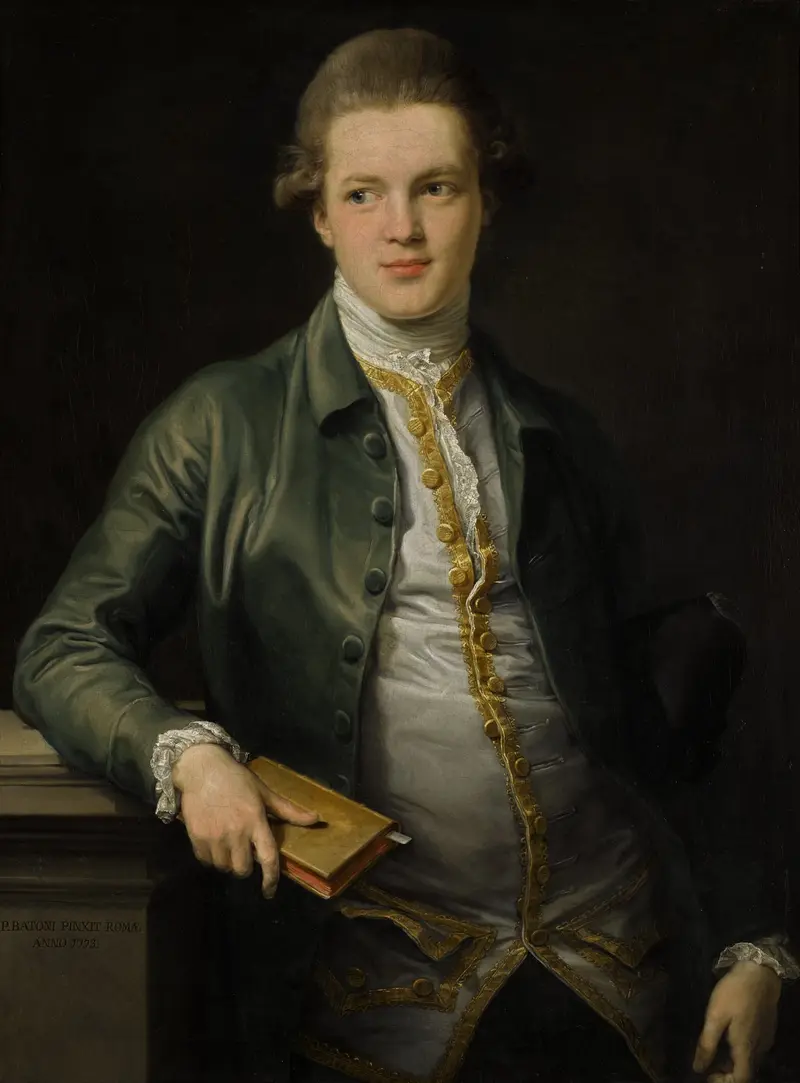
Portrait of Thomas Orde, later Orde-Powlett and 1st Baron Bolton
Pompeo Batoni

Male Nude Reclining on a Bed
Pompeo Batoni
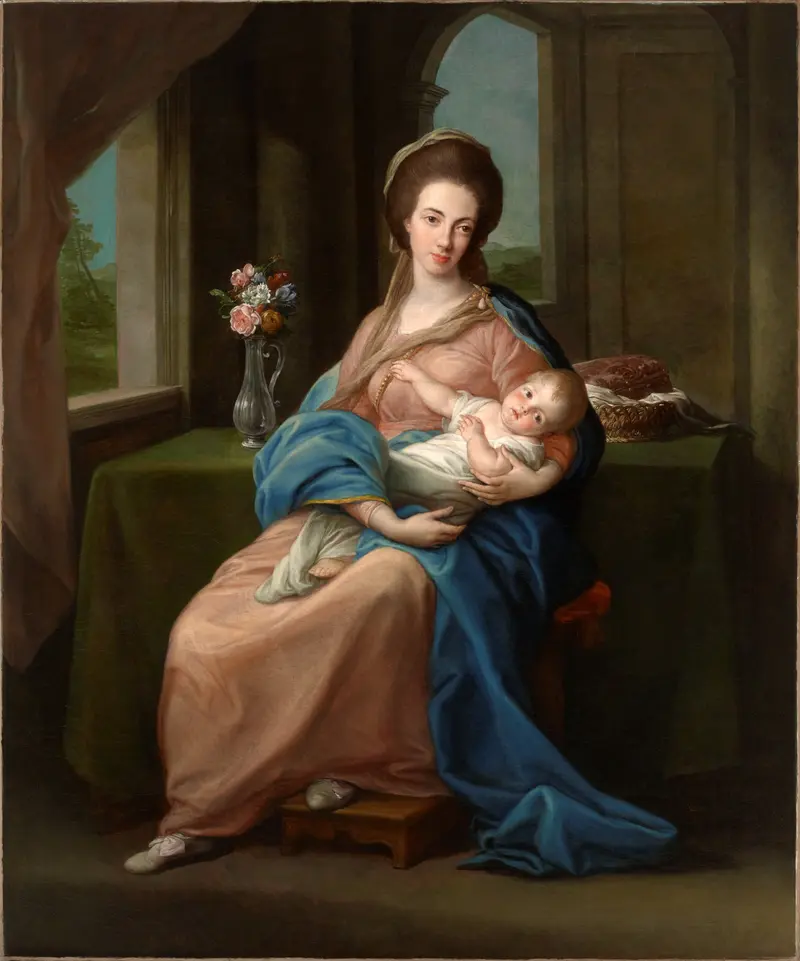
Mary Taylour, Viscountess of Headfort, later Countess of Bective and Marchioness of Headfort
Pompeo Batoni




