
The Return Of The Prodigal Son — History & Facts
In The Return of the Prodigal Son, Pompeo Batoni presents a rich palette of colors, primarily warm tones of gold, brown, and soft reds. The central figures include the prodigal son, who appears weary and humbled, and his father, who expresses joy and forgiveness. The setting is intimate, likely within a home, with soft lighting that enhances the emotional atmosphere.
The background features subtle details that suggest a domestic space, contributing to the overall warmth of the scene. This painting is executed in oil on canvas, a medium that allows for rich color and texture. Batoni's technique showcases a mastery of light and shadow, creating depth and dimension in the figures. The composition is balanced, with the figures arranged in a way that draws the viewer's eye towards the emotional exchange between father and son.
The approximate dimensions of the artwork are 100 x 130 cm, making it a significant piece in size. Pompeo Batoni, an Italian painter of the 18th century, is known for his contributions to the Rococo style. This work, created around the 1760s, reflects the themes of forgiveness and familial love, common in religious art of the time. An interesting fact about this painting is that it was commissioned for a private collection, showcasing Batoni's popularity among the elite.
His ability to blend narrative with emotional depth makes this piece a notable example of Rococo art.
Sources: Wikidata Q12141207
More Artworks by Pompeo Batoni
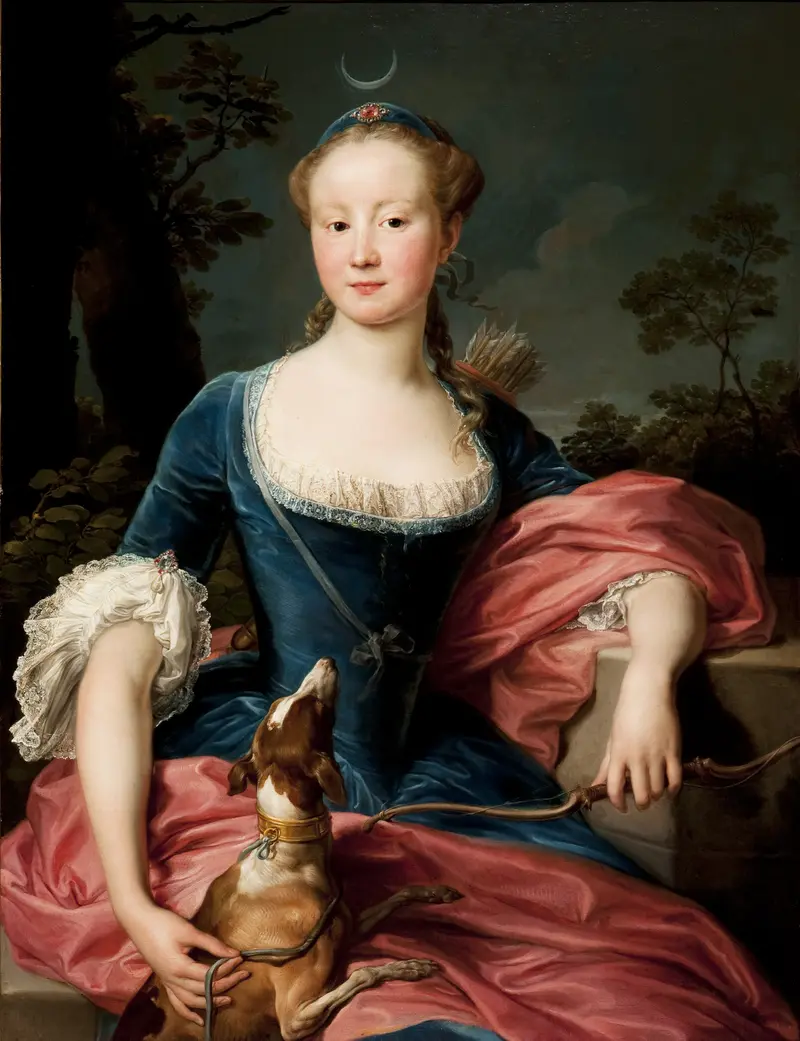
Portrait of a Lady as Diana the Huntress
Pompeo Batoni
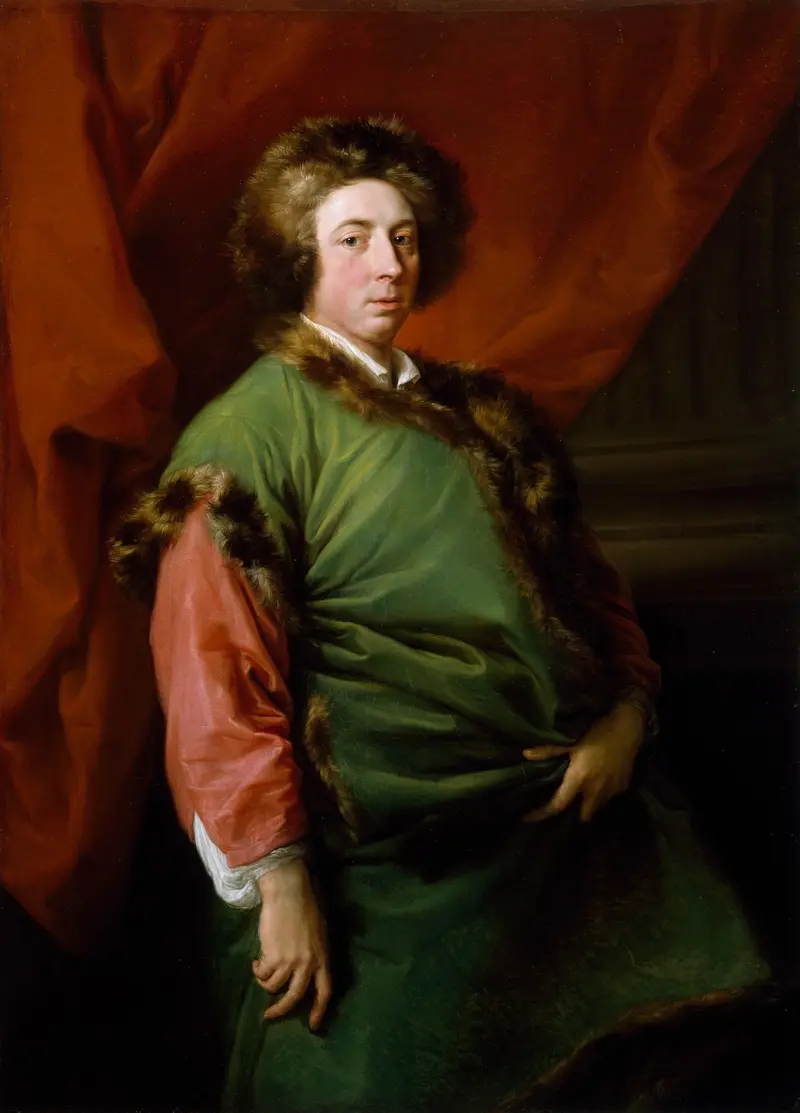
Portrait of Joseph Leeson, later 1st Earl of Milltown (1711-1783)
Pompeo Batoni
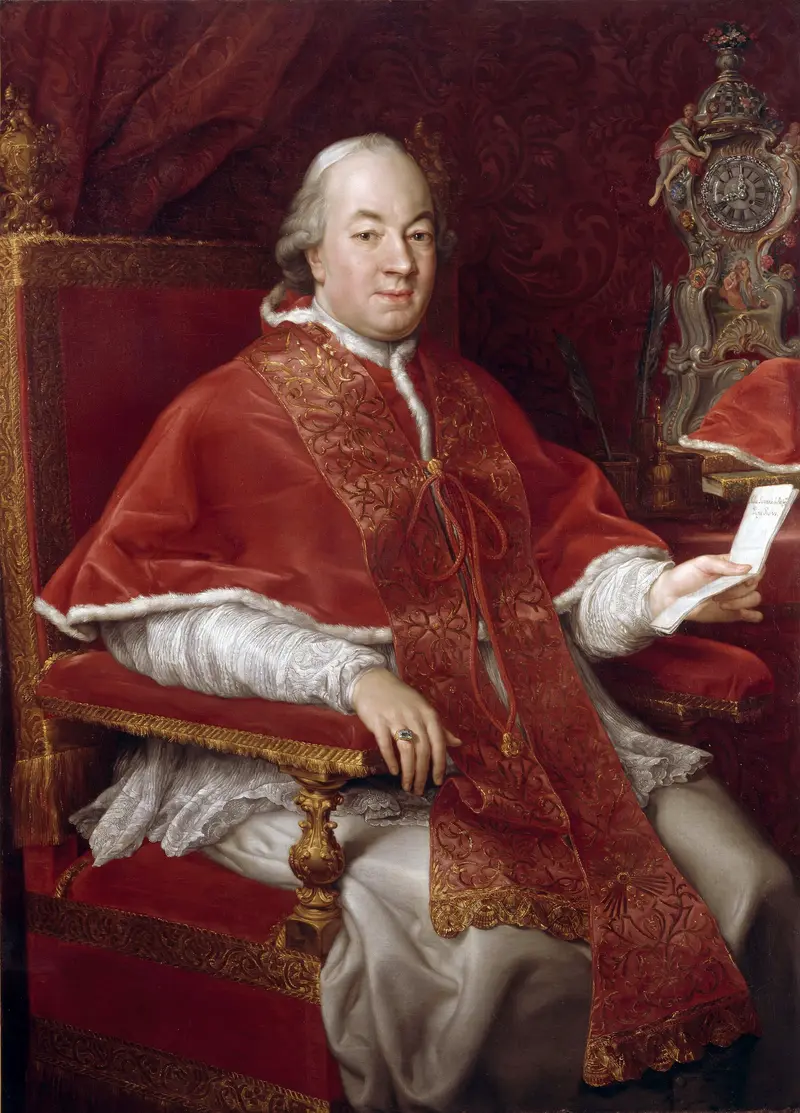
Portrait of Pope Pius VI, Giovanni Angelo Braschi (1717-1799)
Pompeo Batoni
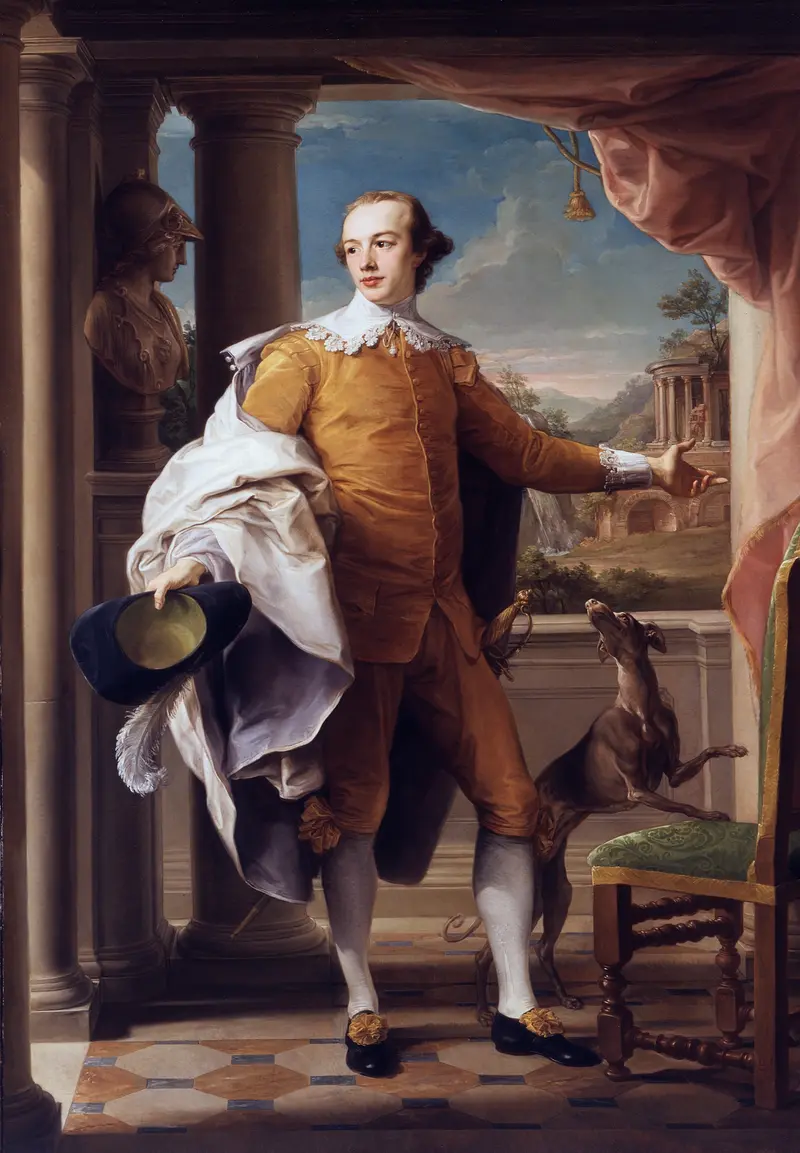
Portrait of Sir Wyndham Knatchbull-Wyndham
Pompeo Batoni
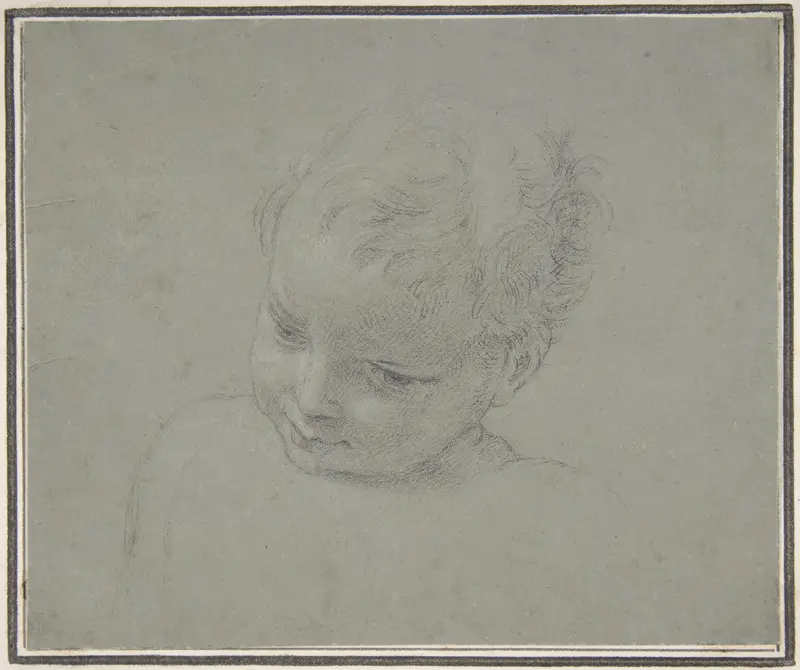
Bust-Length Study of a Child
Pompeo Batoni
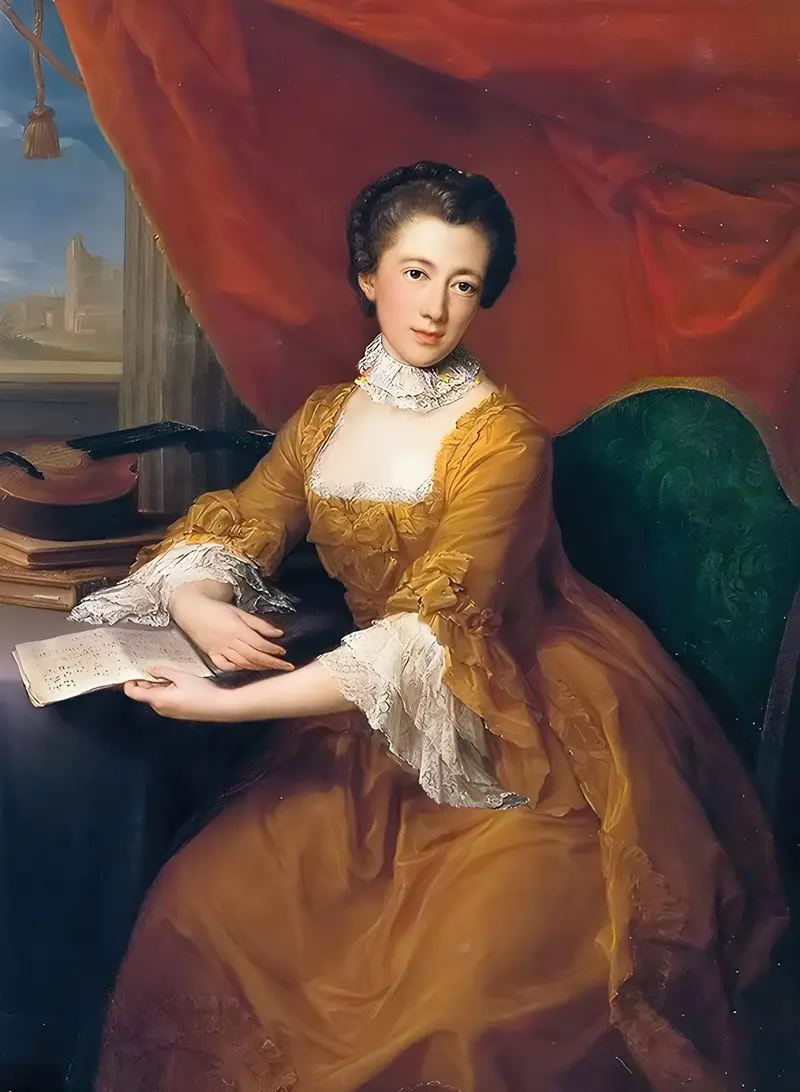
Portrait of Lady Margaret Georgiana Poyntz
Pompeo Batoni
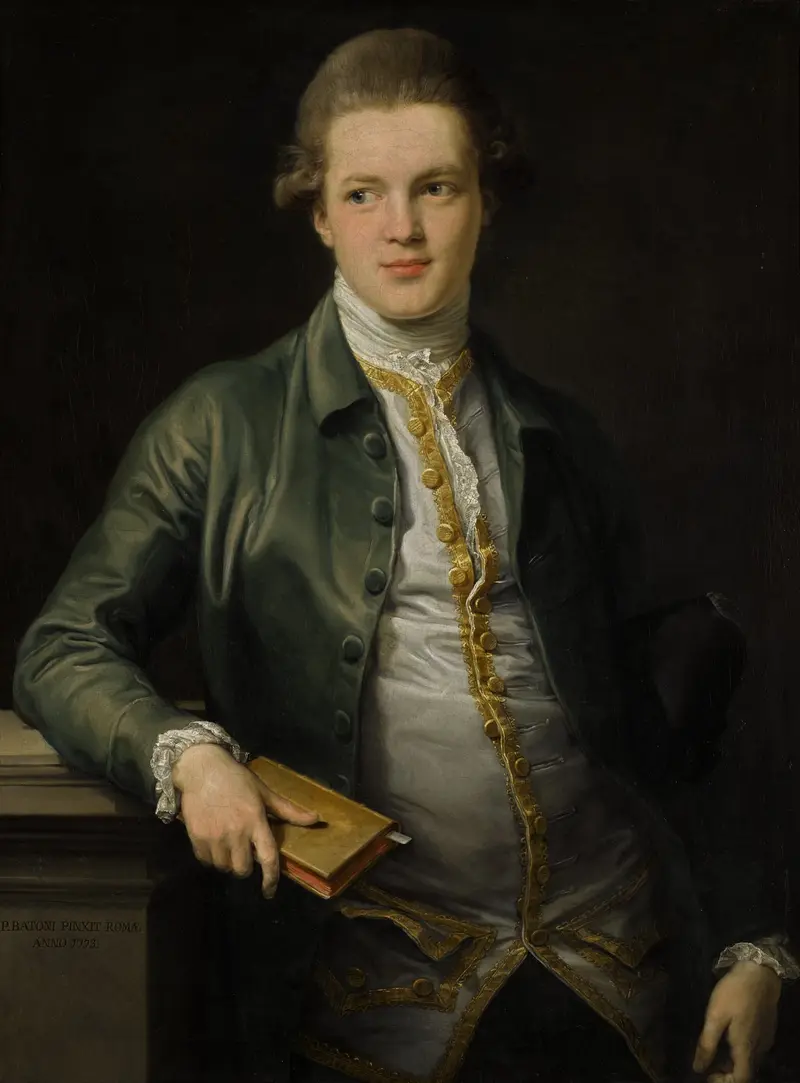
Portrait of Thomas Orde, later Orde-Powlett and 1st Baron Bolton
Pompeo Batoni

Male Nude Reclining on a Bed
Pompeo Batoni
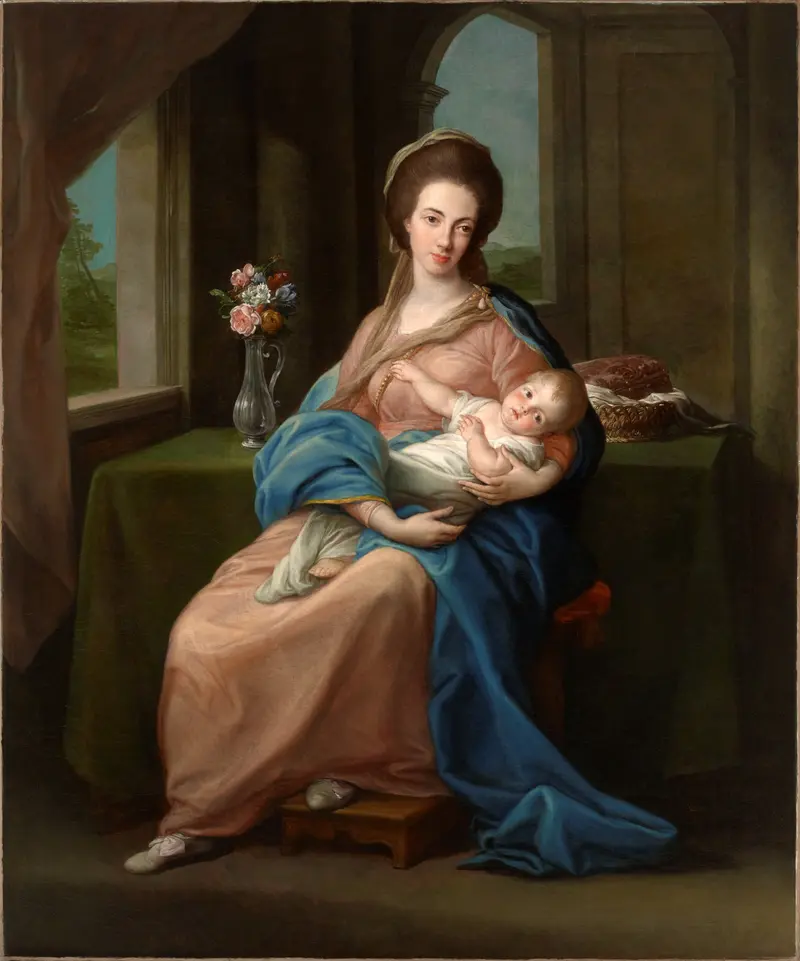
Mary Taylour, Viscountess of Headfort, later Countess of Bective and Marchioness of Headfort
Pompeo Batoni
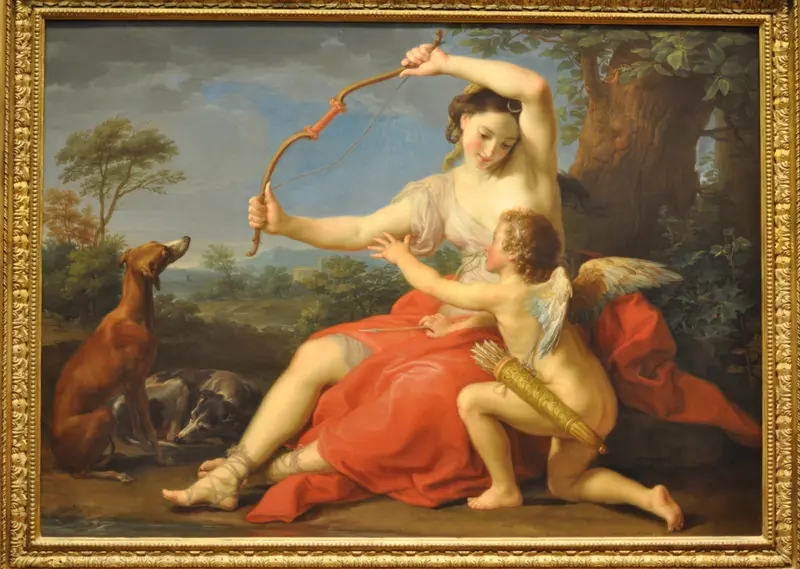
Diana and Cupid
Pompeo Batoni





