
O. Frohlicher – The Giessbach, opposite Brienz — History & Facts
Who listens when art speaks of silence? In The Giessbach, opposite Brienz, the stillness of nature resonates, inviting a reflection on the interplay between existence and creation. Look to the foreground where a gentle cascade tumbles down rocky slopes, each water droplet glistening like a tiny star under the soft embrace of sunlight. Notice how the artist deftly balances vibrant greens and deep browns, capturing the lush foliage that frames the scene. The hazy, distant mountains create a serene backdrop, their muted blues and grays harmonizing with the lively colors of the foreground, drawing the eye deeper into the tranquility of the landscape. The contrast between the tumultuous water and the steadfast rocks portrays a dialogue of tension, reflecting nature's resilience amidst constant change.
The play of light and shadow speaks of time's passage, while the delicately rendered clouds hint at an approaching storm, suggesting that creation is often accompanied by turmoil. This juxtaposition invites viewers to contemplate the duality of beauty and chaos inherent in both nature and artistic expression. In 1881, while residing in Switzerland, Gsell Fels painted this piece during a period when the Romantic movement was evolving into Impressionism. The era was marked by a growing appreciation for the sublime in nature, as artists sought to capture fleeting moments of light and emotion.
Gsell Fels was influenced by these currents, blending meticulous detail with a sense of spontaneity, reflecting the world around him and his quest for artistic creation.
More Artworks by Theodor Gsell Fels
Browse all →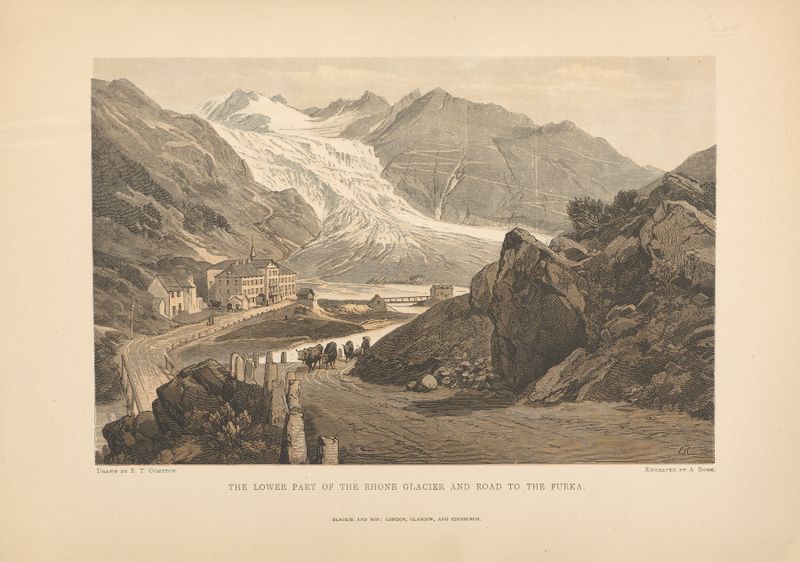
E. T. Compton – The Lower Part of the Rhone Glacier and Road to Furka
Theodor Gsell Fels

G. Closs – The Devil’s Bridge—St. Gothard Road, Schóllenen Gorge
Theodor Gsell Fels
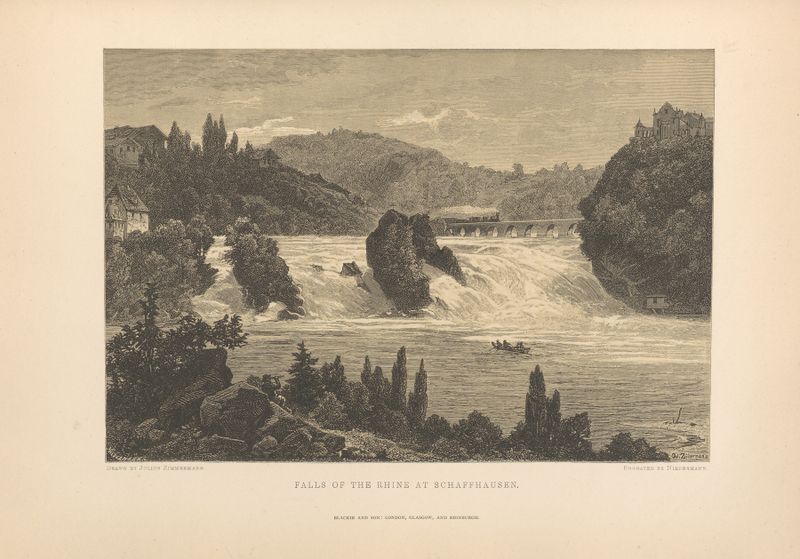
Julius Zimmermann – Falls of the Rhine at Schaffhausen
Theodor Gsell Fels
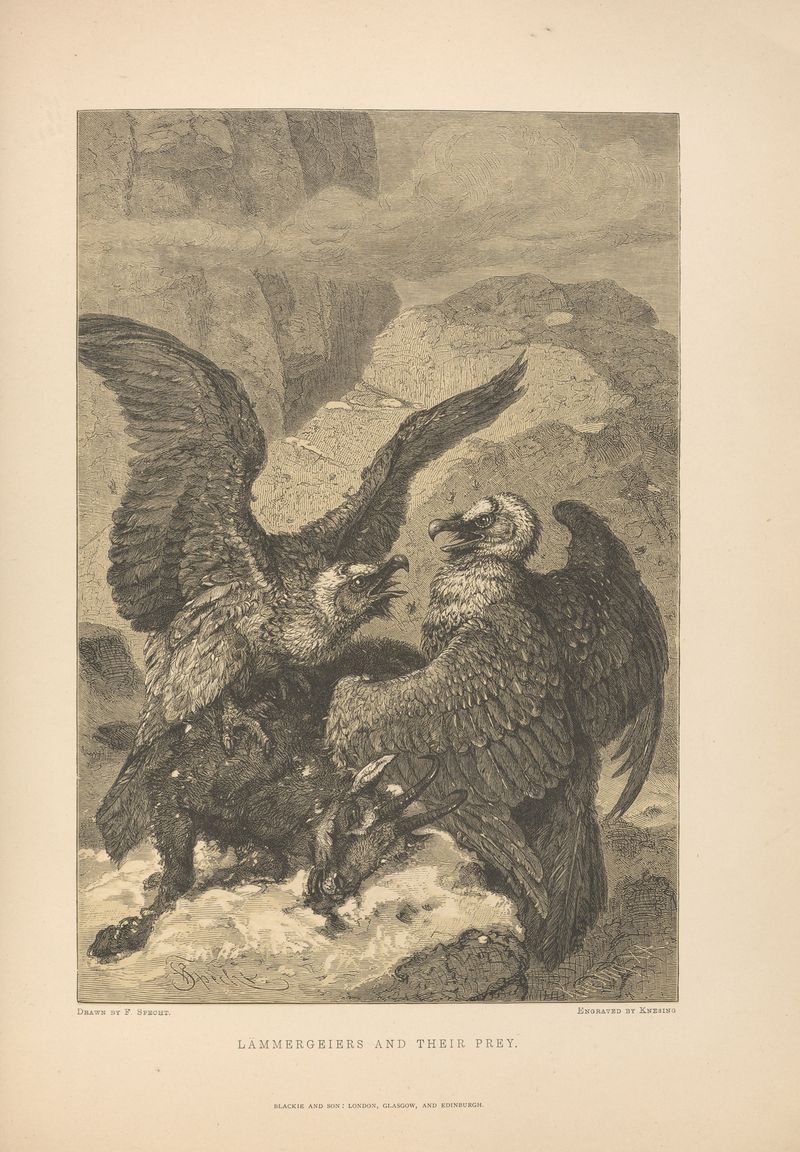
F. Specht – Lammergeiers and their Prey
Theodor Gsell Fels
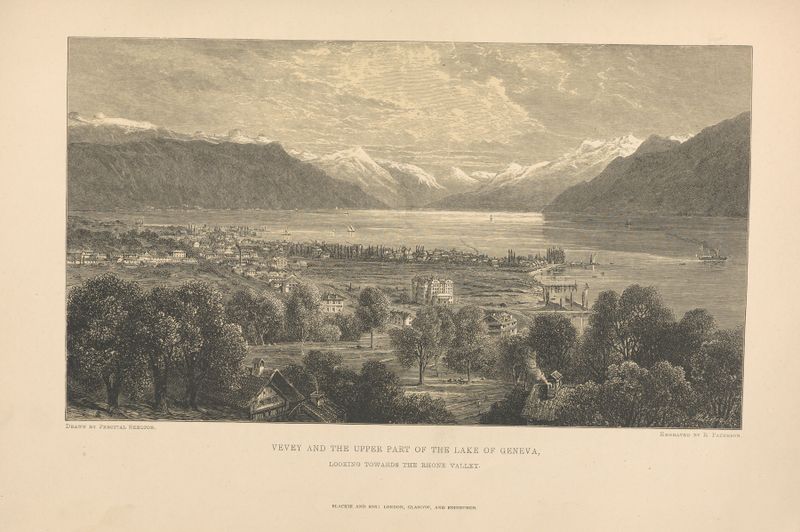
Percival Skelton – Vevay, and the Upper Part of the Lake of Geneva
Theodor Gsell Fels

E. T. Compton – The Jungfrau, and Opening of the Lauterbrunnen Valley
Theodor Gsell Fels

P. Weber – Departure of Steamer from Lucerne
Theodor Gsell Fels
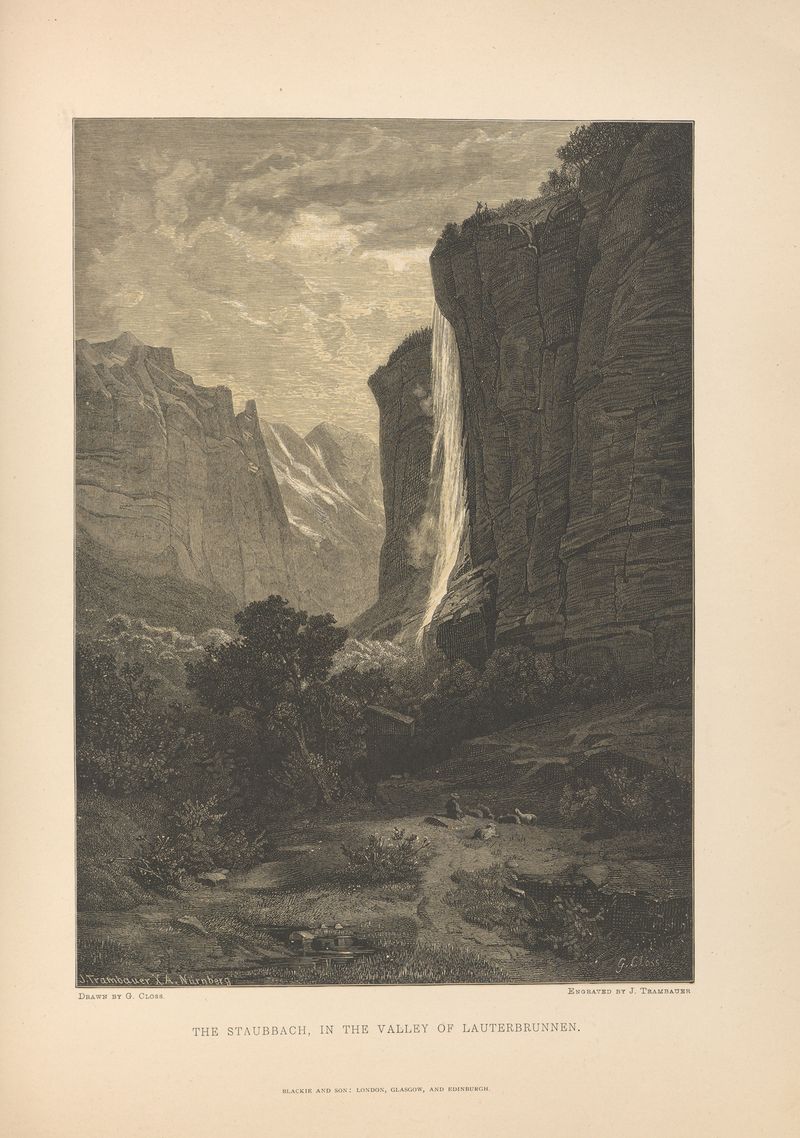
G. Closs – The Staubbach, in the Valley of Lauterbrunnen
Theodor Gsell Fels
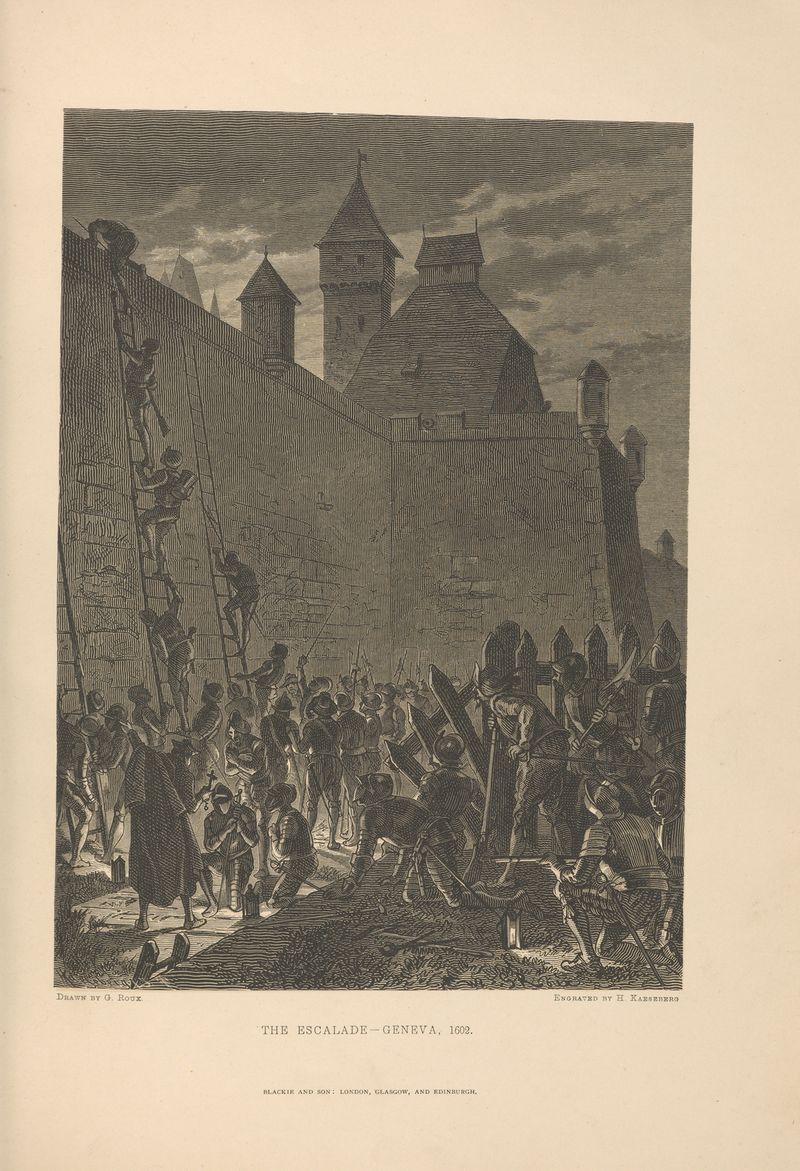
G. Roux – The Escalade, Geneva
Theodor Gsell Fels
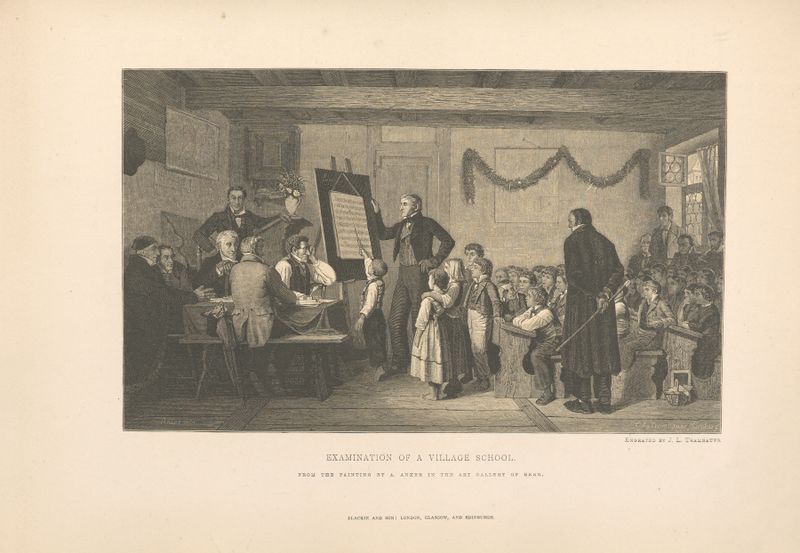
A. Anker – Examination of a Village School
Theodor Gsell Fels





