Obelisk — History & Facts
In the silence of an artist's studio, a chaos unfolds — an echo of a moment suspended in a frame, where the essence of history intertwines with the fragility of memory. Look to the center of the canvas, where the obelisk rises defiantly against a backdrop of swirling colors that dance between muted earth tones and vibrant bursts of blue. Notice the uneven brushstrokes that create an illusion of movement, suggesting a world in flux. The light, almost ethereal, captures the very texture of time, illuminating the obelisk’s weathered surface while casting deeper shadows around it, enhancing its monumental presence. Hidden beneath the surface, the chaos is palpable.
The obelisk, a symbol of endurance, stands firm amidst a turbulent swirl of abstracted forms, possibly representing the chaos of human existence. The interplay of light and shadow hints at conflicting emotions — the serenity of the monument juxtaposed with the unfurling chaos surrounding it. This duality reflects a broader commentary on the struggle to hold onto permanence in an ever-changing world. Created around the turn of the 18th century, this piece emerged from the workshop of De Metaale Pot during a time when Europe was grappling with the aftermath of significant social upheavals.
As artists sought new ways to depict their understanding of reality, this work represents a shift towards abstraction, reflecting both personal and societal chaos against the backdrop of a rapidly transforming cultural landscape.
More Artworks by De Metaale Pot
Browse all →
Bust of King-Stadtholder William III
De Metaale Pot
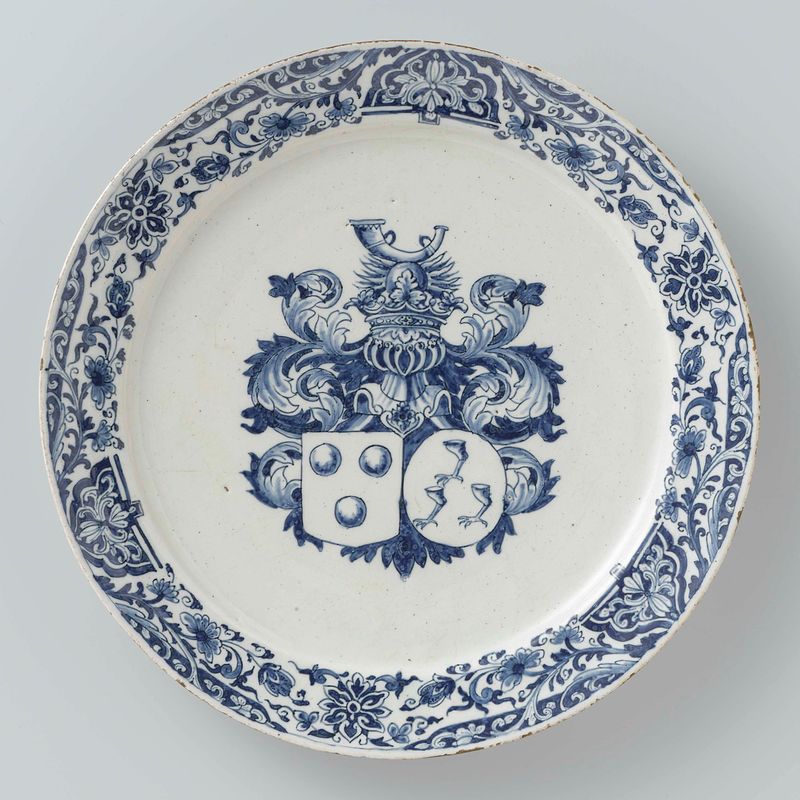
Plate with the alliance arms of Franc Evertsz van Bleiswijk and Anna van Hoogenhouck
De Metaale Pot

Pair of flower pyramids
De Metaale Pot
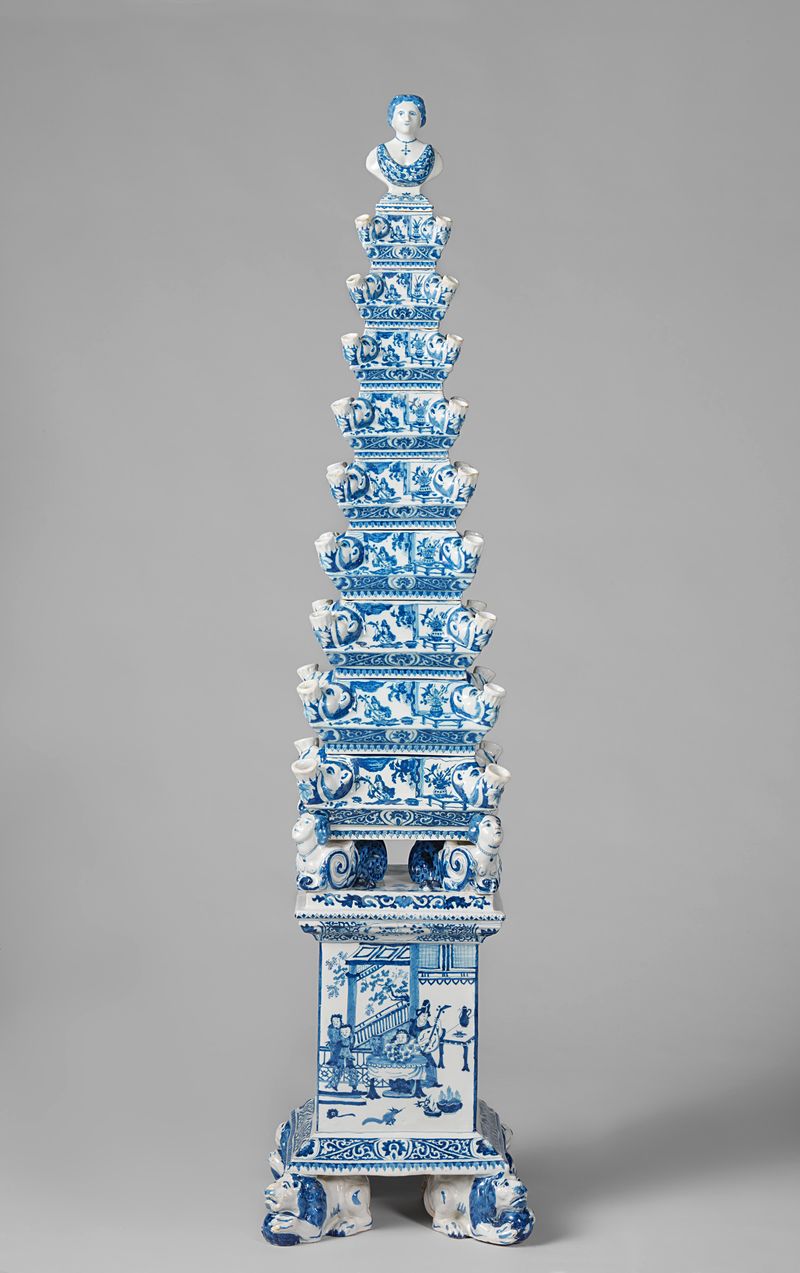
Bloempiramide
De Metaale Pot
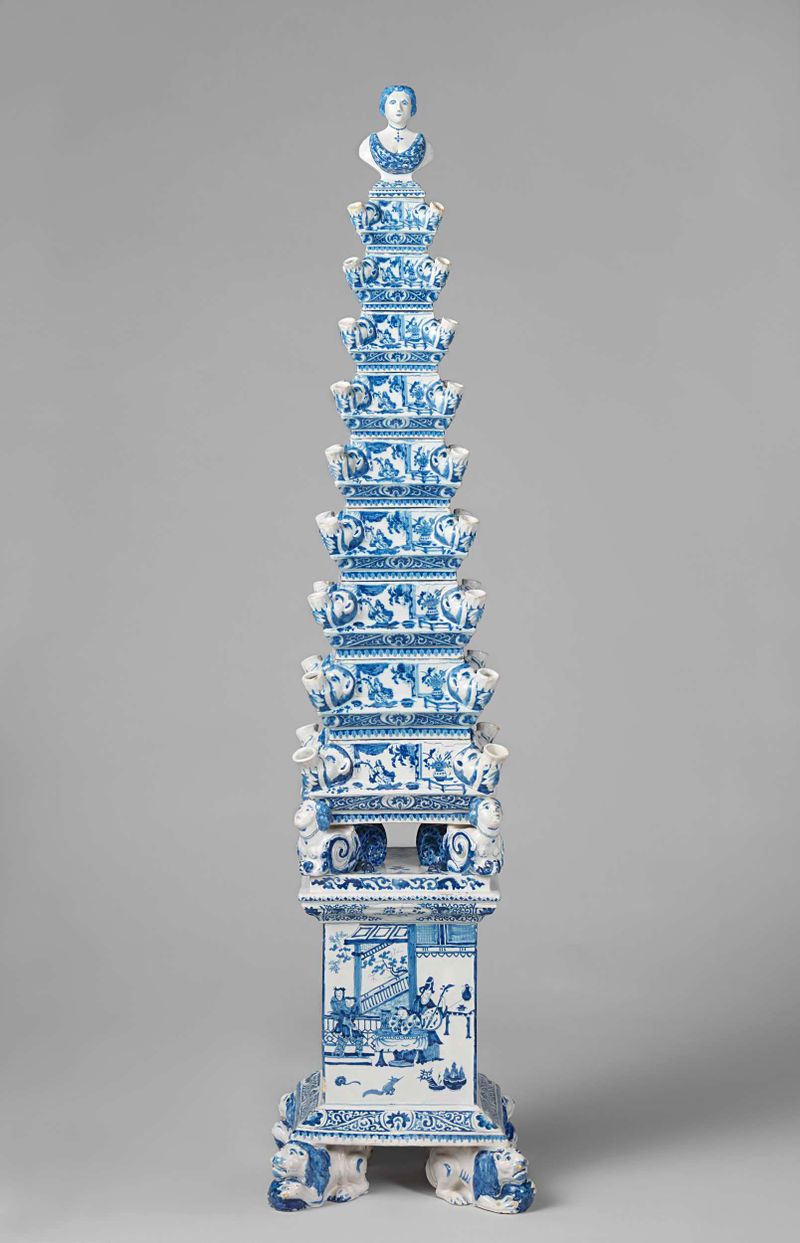
Flower pyramid
De Metaale Pot
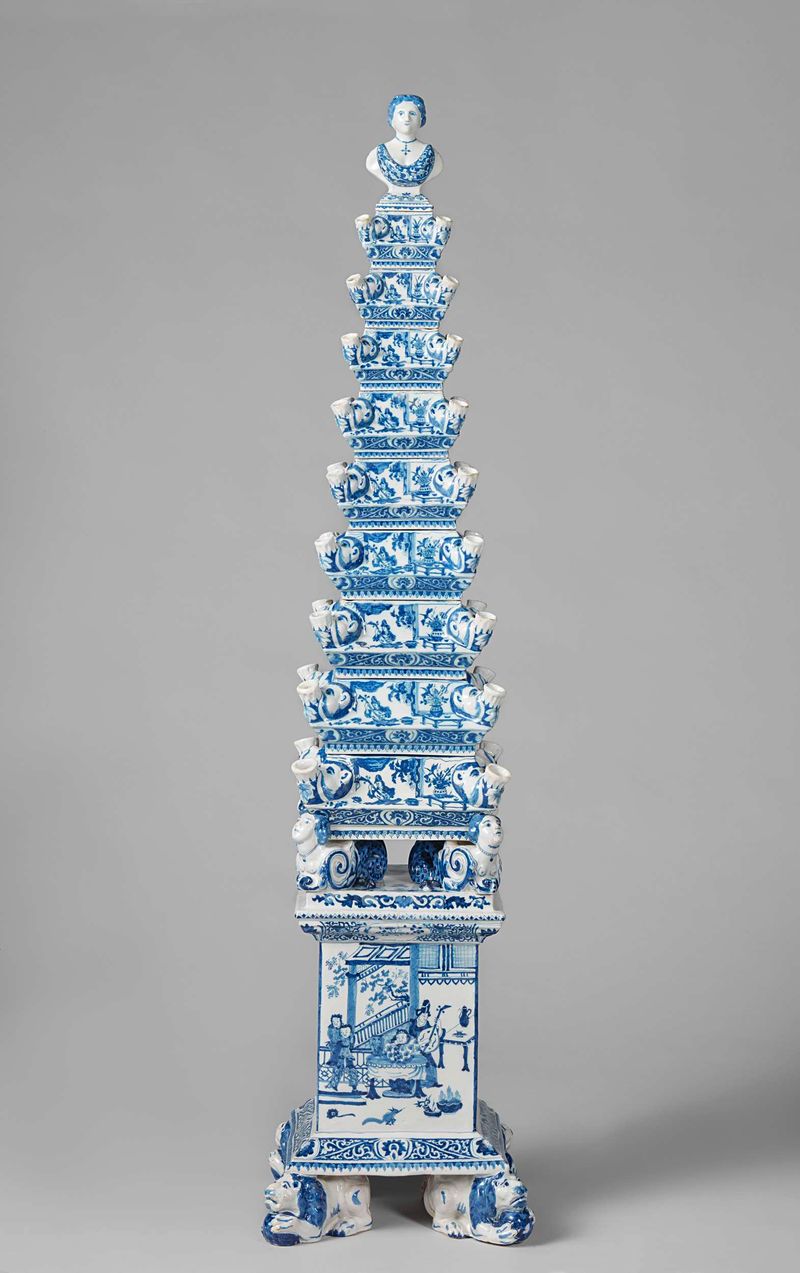
Flower pyramid
De Metaale Pot
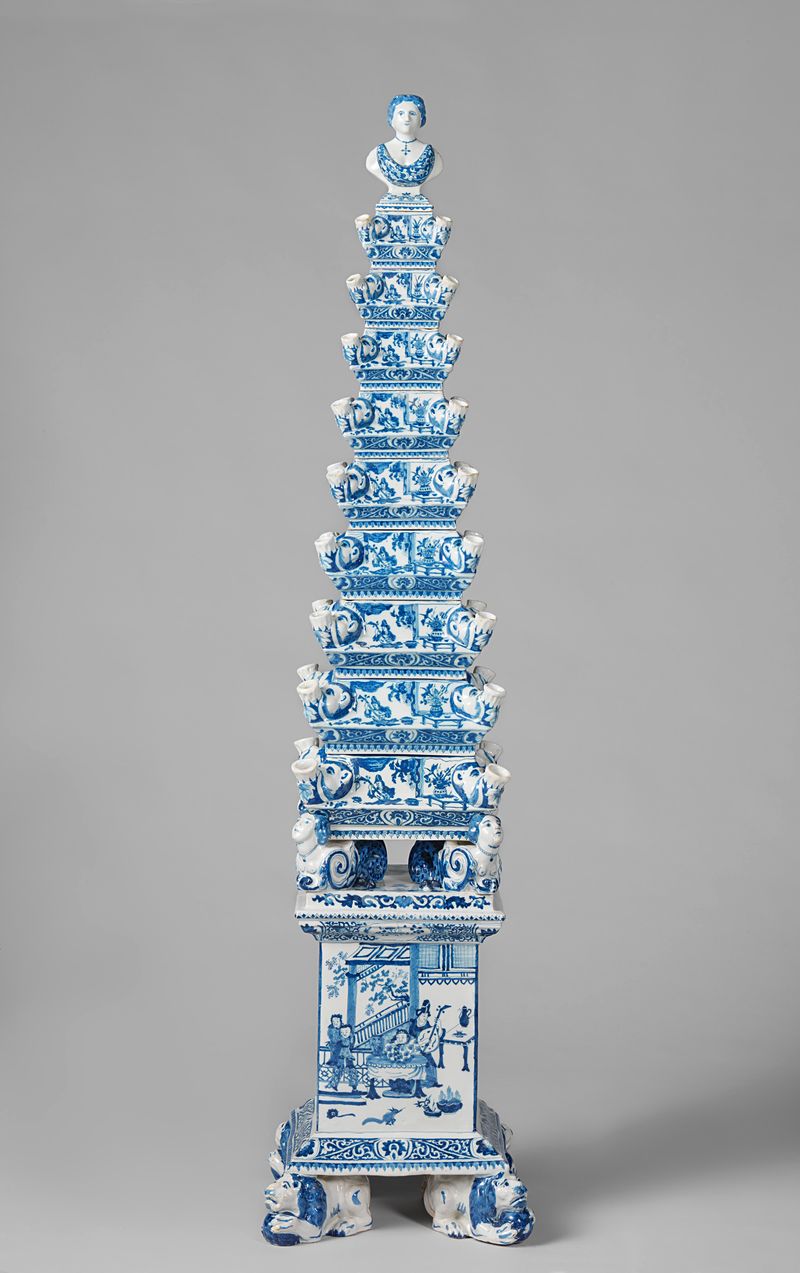
Bloempiramide
De Metaale Pot
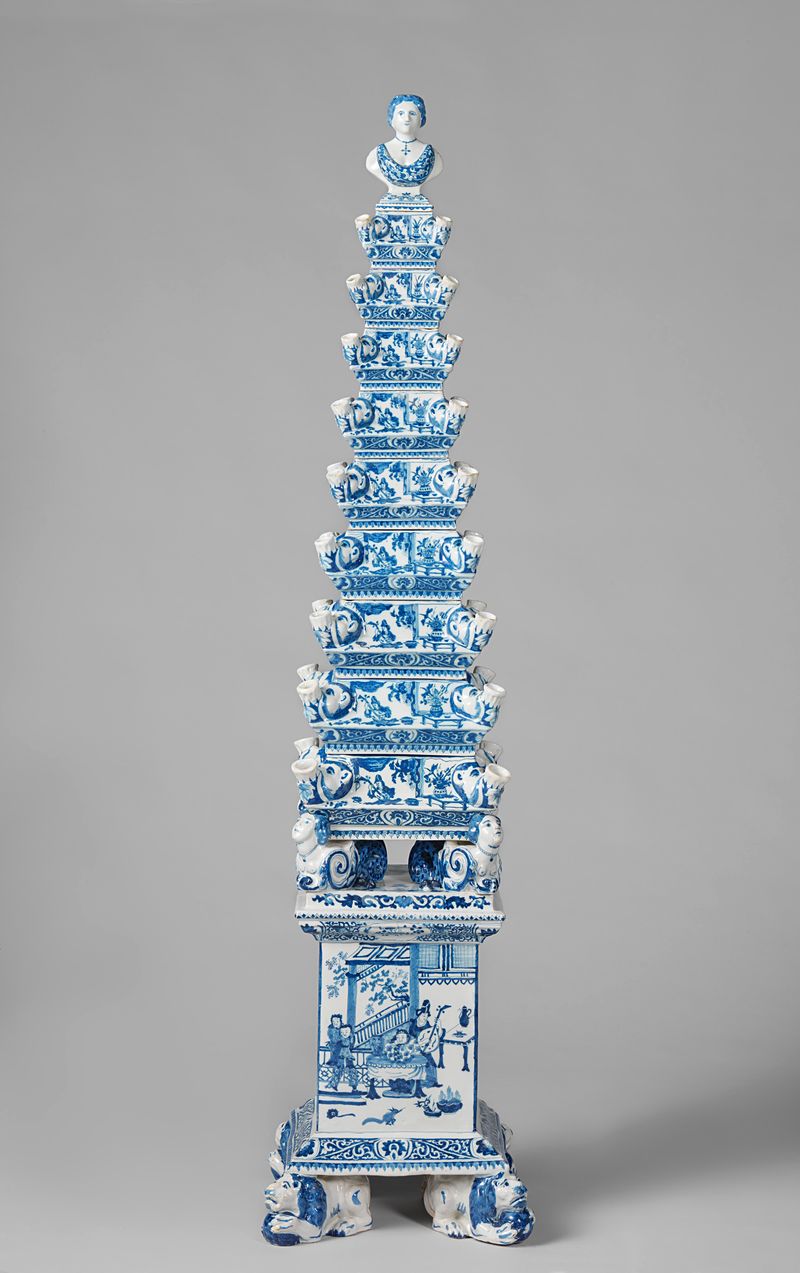
Bloempiramide
De Metaale Pot
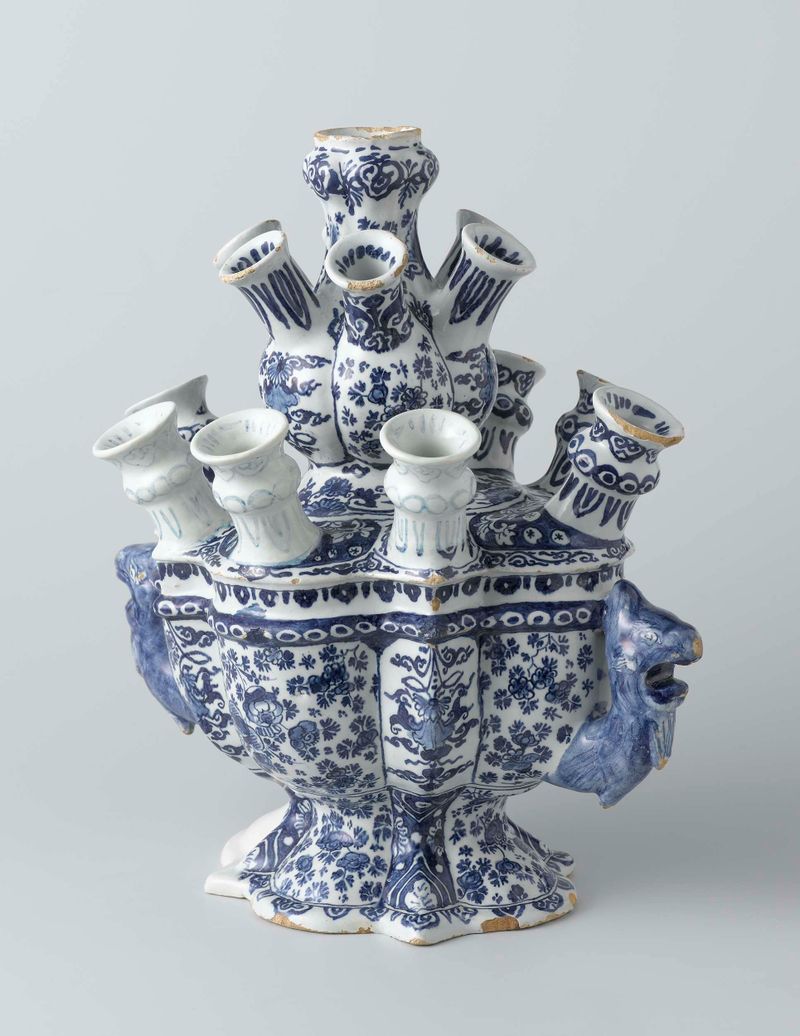
Flower holder
De Metaale Pot
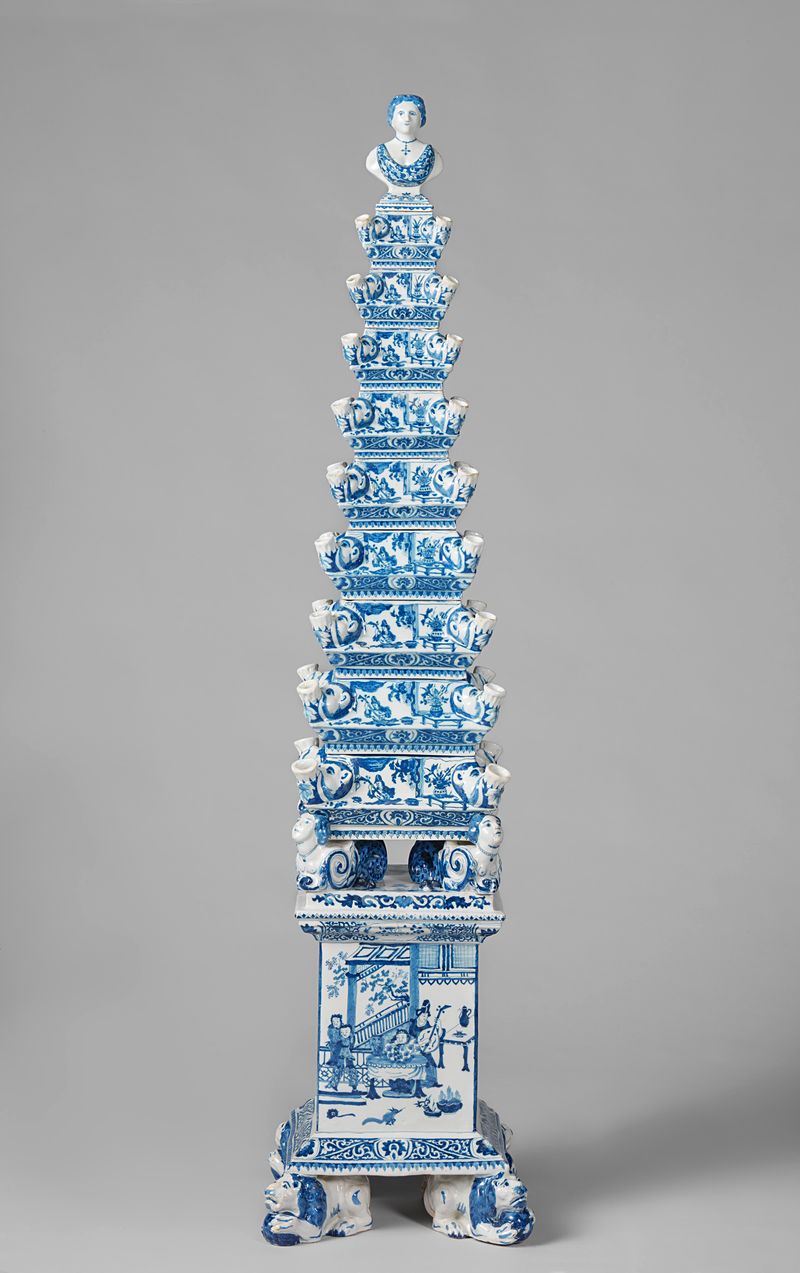
Bloempiramide
De Metaale Pot