Bloempiramide — History & Facts
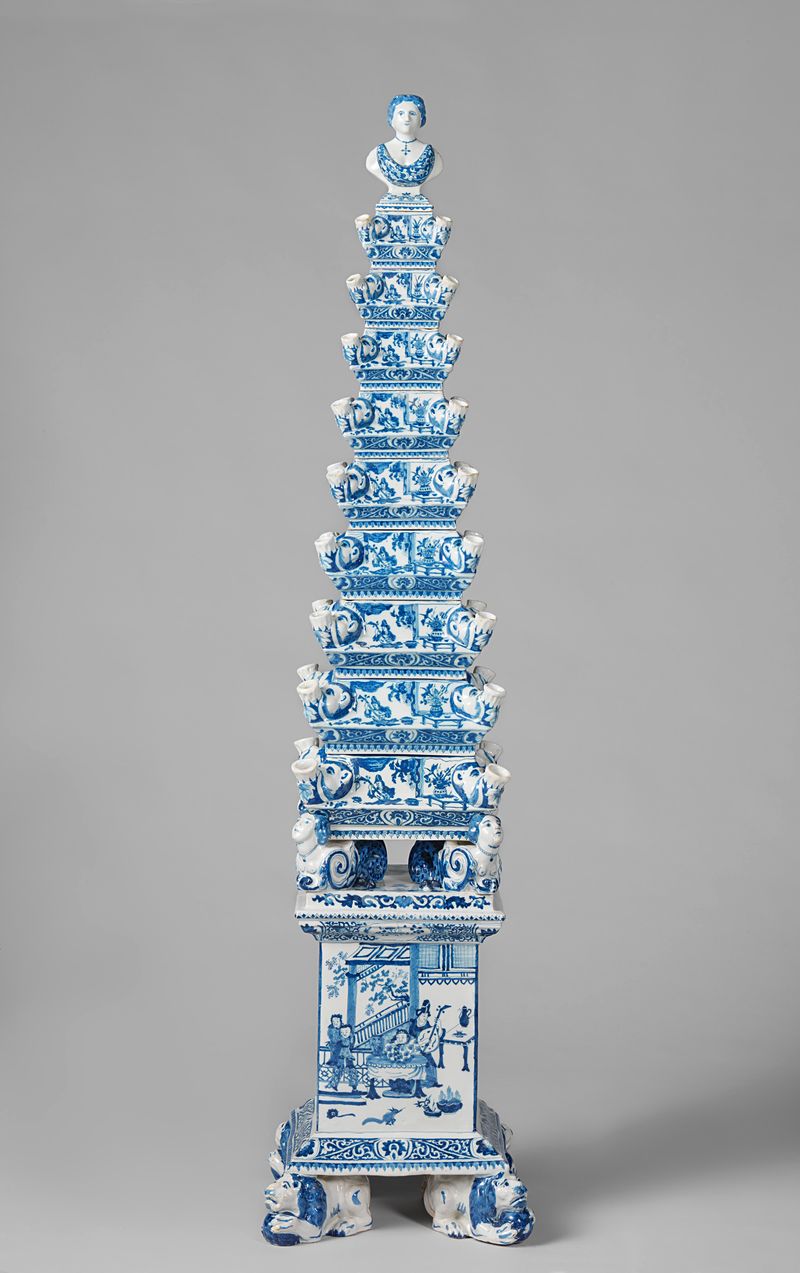
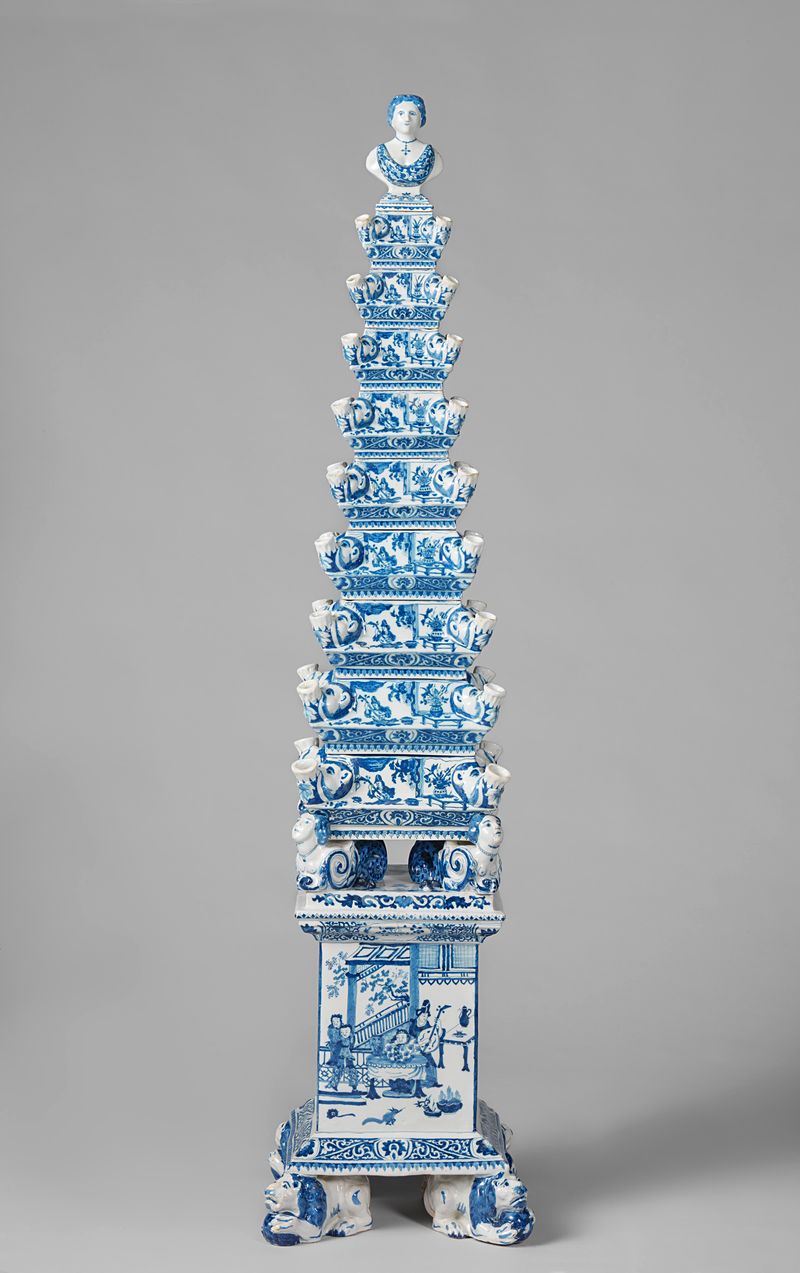
What if beauty was never meant to be finished? In Bloempiramide, the essence of serenity unfolds as an invitation to pause and reflect. Focus your gaze on the intricate arrangement of blooms, cascading like a gentle waterfall of petals. The vibrant colors — rich reds, soft pinks, and deep purples — clash and harmonize, drawing you into the layered complexity of nature. The pyramid shape rises majestically, guiding your eye upwards, where the light dances delicately across the surface, highlighting the intricacies of each flower and leaf.
Notice how the artist’s deft brushstrokes create a sense of movement, as if the blossoms might sway softly in a warm breeze. Beneath this tranquil beauty lies a deeper commentary on the transience of life. The pyramid, a symbol of stability and permanence, contrasts with the ephemeral nature of flowers, which bloom brilliantly but ultimately wither away. Each petal holds a whisper of time, evoking both the joy of fleeting moments and the melancholy of their inevitable end.
The artwork subtly encourages a meditation on the balance between beauty and decay, inviting viewers to appreciate the present while acknowledging its impermanence. Created between 1692 and 1700, this piece emerged during a time of flourishing artistic innovation in the Netherlands. The artist, associated with the renowned De Metaale Pot workshop, was part of a vibrant community exploring still-life painting. This era saw a keen interest in the natural world, as well as the philosophical reflections on beauty and mortality, infusing the art with a sense of purpose that resonates even today.
More Artworks by De Metaale Pot
Browse all →
Bust of King-Stadtholder William III
De Metaale Pot
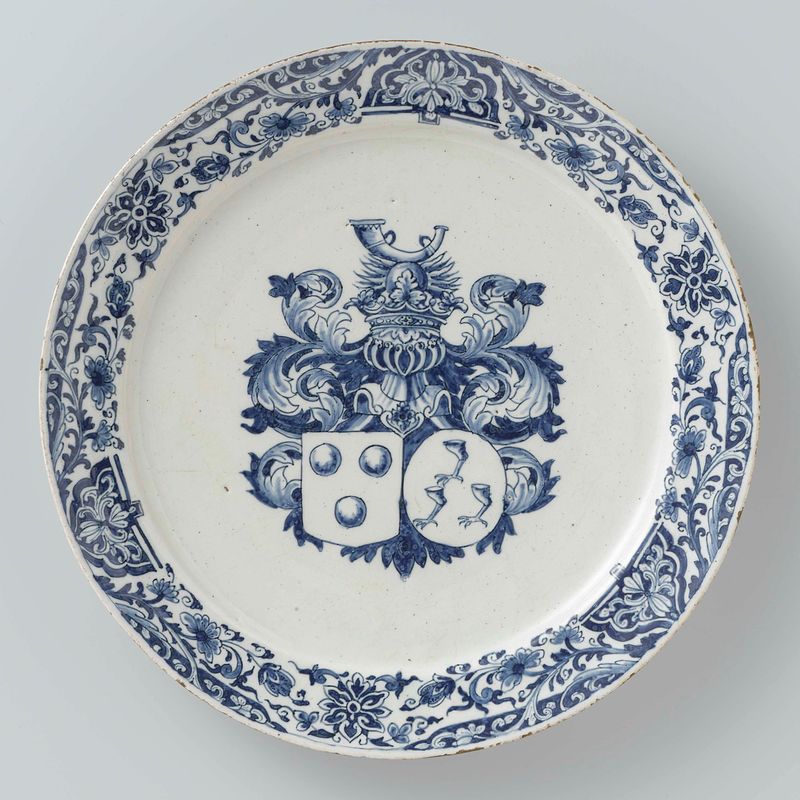
Plate with the alliance arms of Franc Evertsz van Bleiswijk and Anna van Hoogenhouck
De Metaale Pot

Pair of flower pyramids
De Metaale Pot
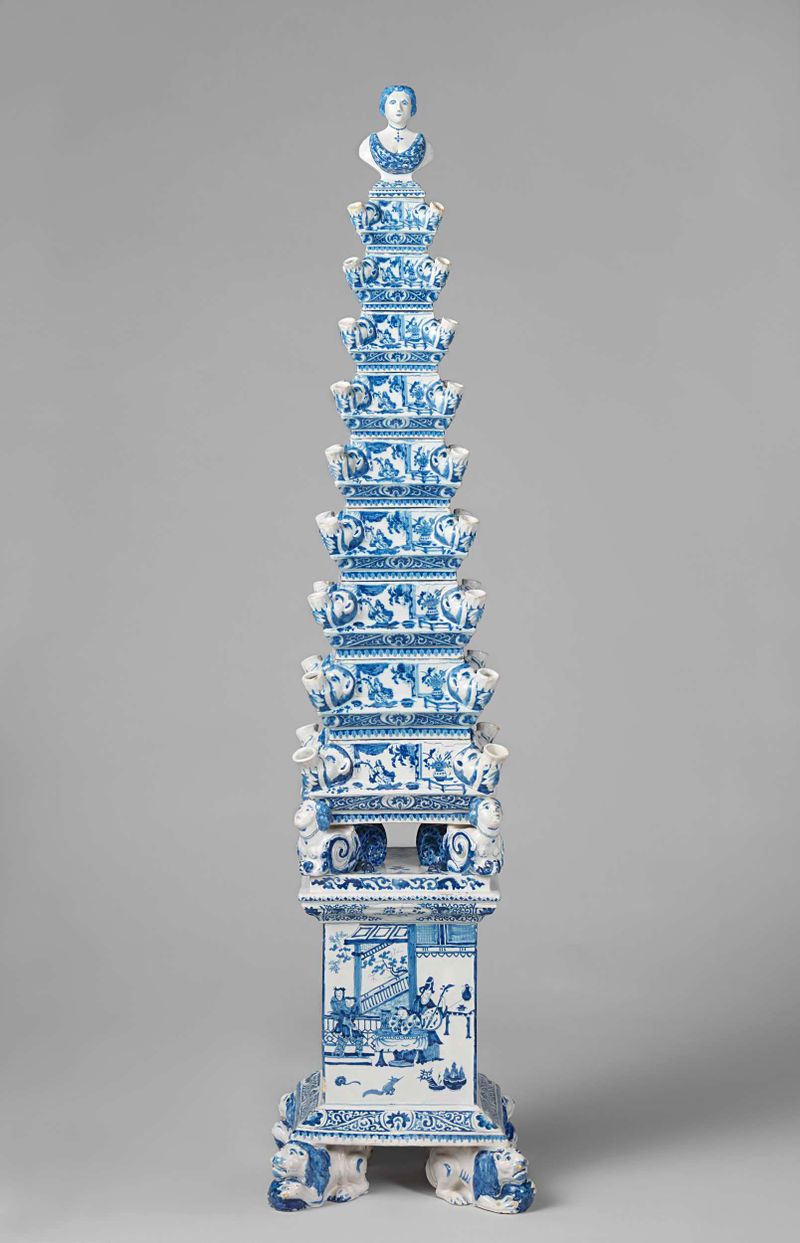
Flower pyramid
De Metaale Pot
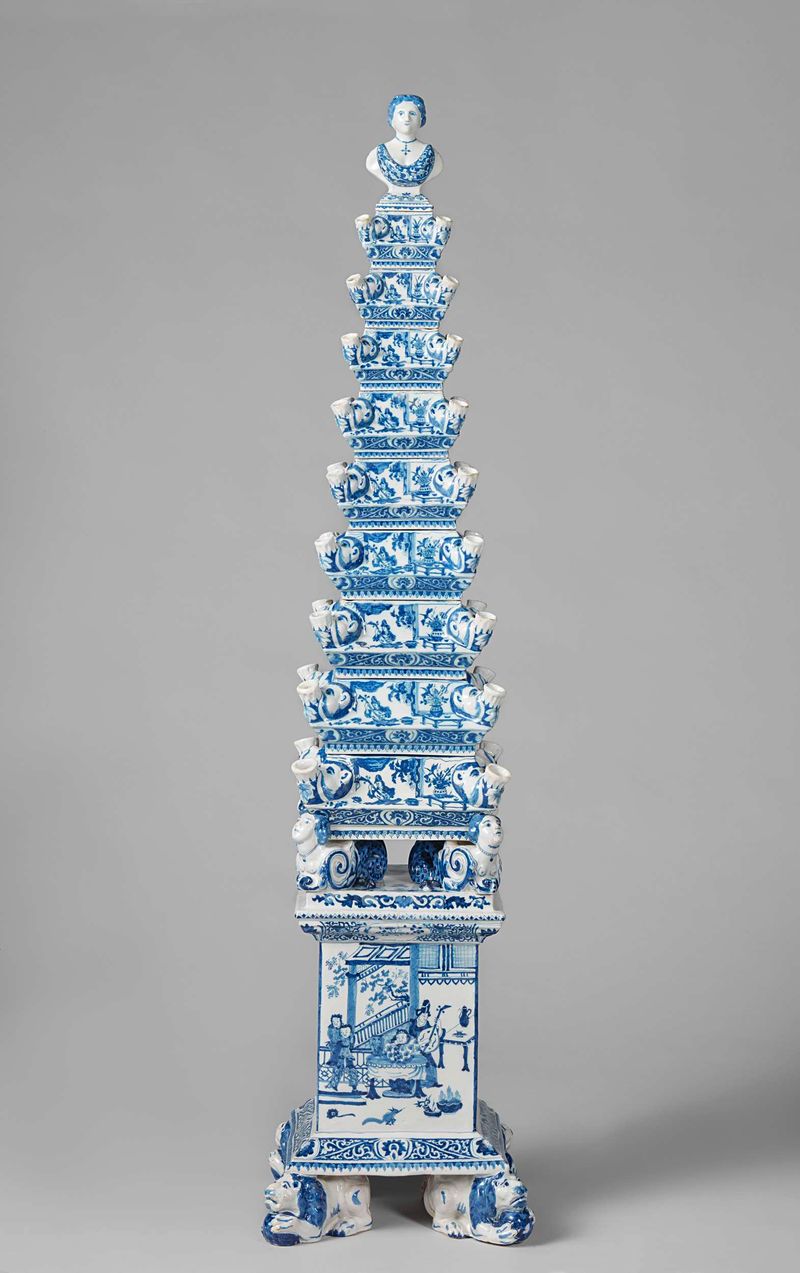
Flower pyramid
De Metaale Pot
Bloempiramide
De Metaale Pot
Bloempiramide
De Metaale Pot
Flower holder
De Metaale Pot
Obelisk
De Metaale Pot
Bloempiramide
De Metaale Pot