Plate with the alliance arms of Franc Evertsz van Bleiswijk and Anna van Hoogenhouck — History & Facts
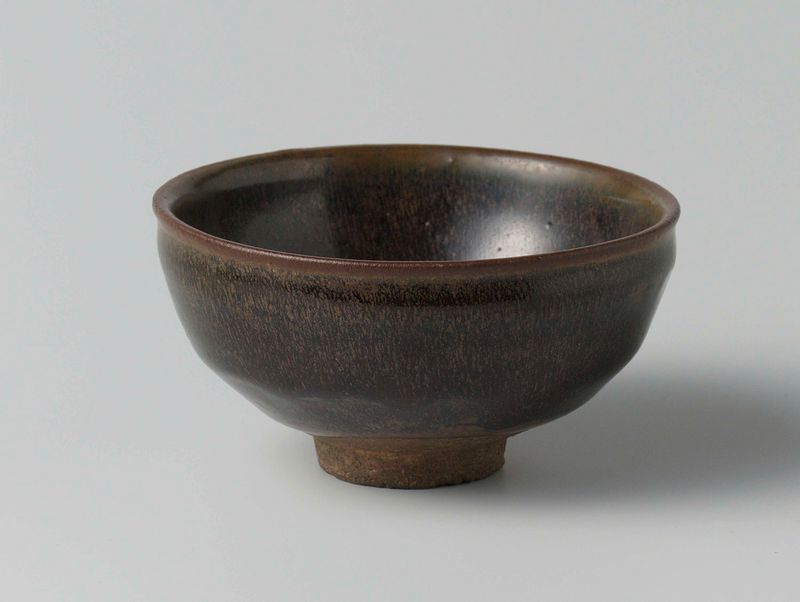
Can beauty exist without sorrow? This question resonates through the delicate craftsmanship of a plate that embodies love, legacy, and the weight of remembrance. Look closely at the intricate decorations that adorn the surface. The rich, muted colors of the glaze, a palette of soft blues and earthy browns, draw your gaze to the central coat of arms—a heraldic symbol of union and nobility. Notice the careful lines that delineate the ornate motifs, each stroke a testament to the artist’s dedication.
The juxtaposition of the two family crests hints at a merging of lives, their stories engraved for posterity with elegant precision. Delve deeper and consider how the plate serves as a tangible memory, a confluence of personal histories entwined with the passage of time. The ornate detailing can be seen as a contrast to the plainness of everyday life, suggesting that within the beauty of art lies a narrative of longing and sacrifice. Each element speaks of past joys and potential sorrows—an unspoken acknowledgment that every celebration carries the weight of what has been lost. Created in the late 17th century, this work emerges from a time when Dutch artisans were celebrated for their skill in decorative arts.
De Metaale Pot, a renowned workshop, contributed to the era's rich cultural tapestry, crafting pieces that not only served functional purposes but also acted as vessels for memory. As the world faced political upheaval, these creations encapsulated a longing for stability, making them poignant reflections of their time.