Bloempiramide — History & Facts
When did color learn to lie? In the stark beauty of Bloempiramide, a tension hangs palpably in the stillness, whispering fears that linger beneath the surface. Focus first on the apex of the pyramid, where vibrant blossoms explode in a riot of hues, seemingly defying gravity. Notice how the rich reds, deep blues, and vivid yellows contrast against the subtly muted greens and browns of the background. The meticulous arrangement draws the eye upward, creating a sense of wonder, yet a careful examination reveals a careful orchestration of decay—a creeping shadow that hints at an impending loss, underlining the fleeting nature of beauty. Hidden within the layers of floral abundance lies an unsettling dialogue between life and decay.
Each bloom, while radiant, is juxtaposed against signs of withering—petals curling ever so slightly, colors fading at the edges. This delicate balance between fervent life and inevitable decline speaks to a universal fear of transience, urging viewers to confront the unspoken truth that all beauty is but a momentary illusion. During the late 17th century, when this work was created, De Metaale Pot found himself amidst a burgeoning fascination with still life in the Netherlands. As artists explored the life cycle through floral arrangements, the balance of opulence and decay became a central theme.
Societal shifts towards realism and the celebration of the natural world framed this period, encouraging a deeper reflection on life’s ephemeral nature, as well as the fears that accompany beauty’s inevitable fade.
More Artworks by De Metaale Pot
Browse all →
Bust of King-Stadtholder William III
De Metaale Pot
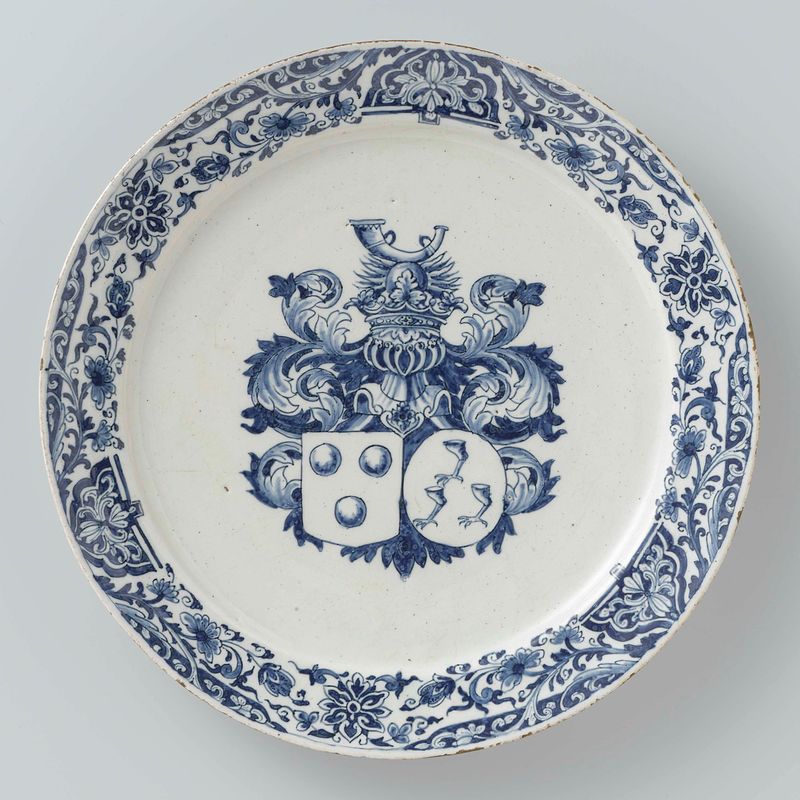
Plate with the alliance arms of Franc Evertsz van Bleiswijk and Anna van Hoogenhouck
De Metaale Pot

Pair of flower pyramids
De Metaale Pot
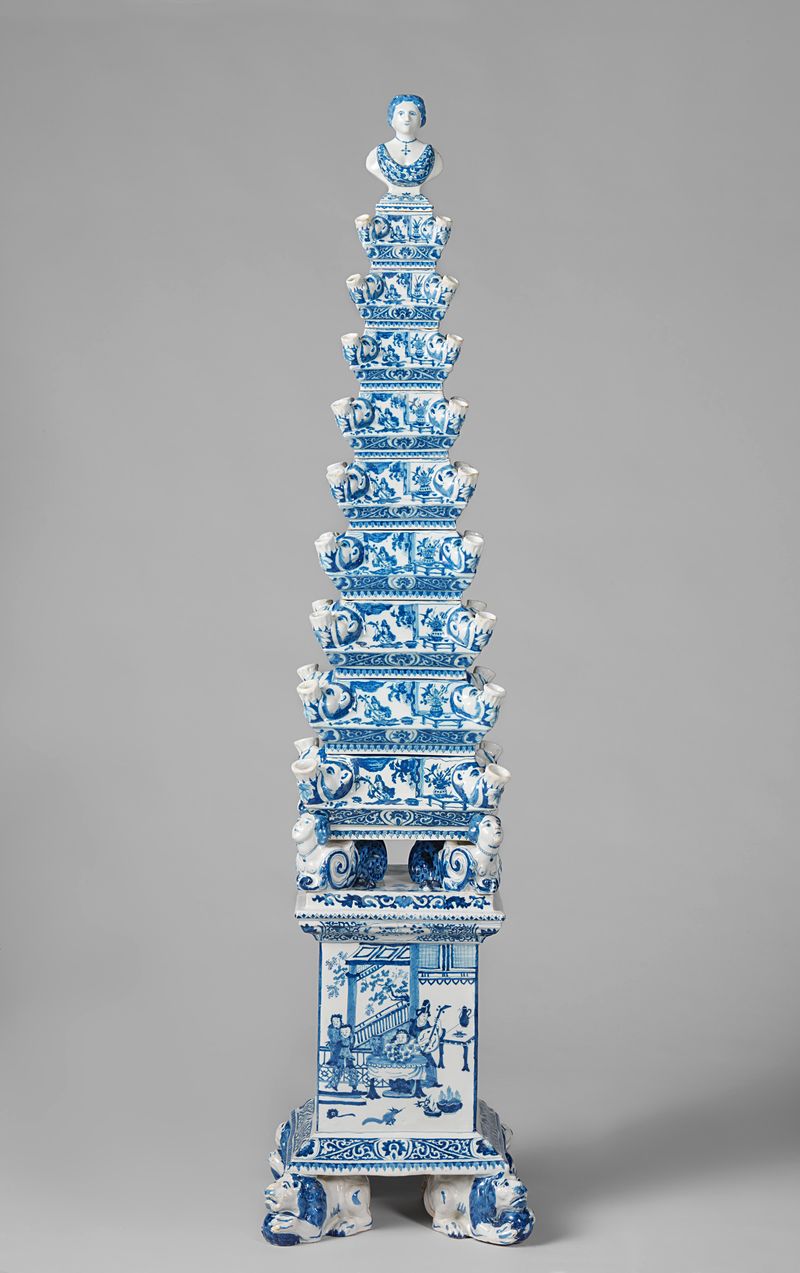
Bloempiramide
De Metaale Pot
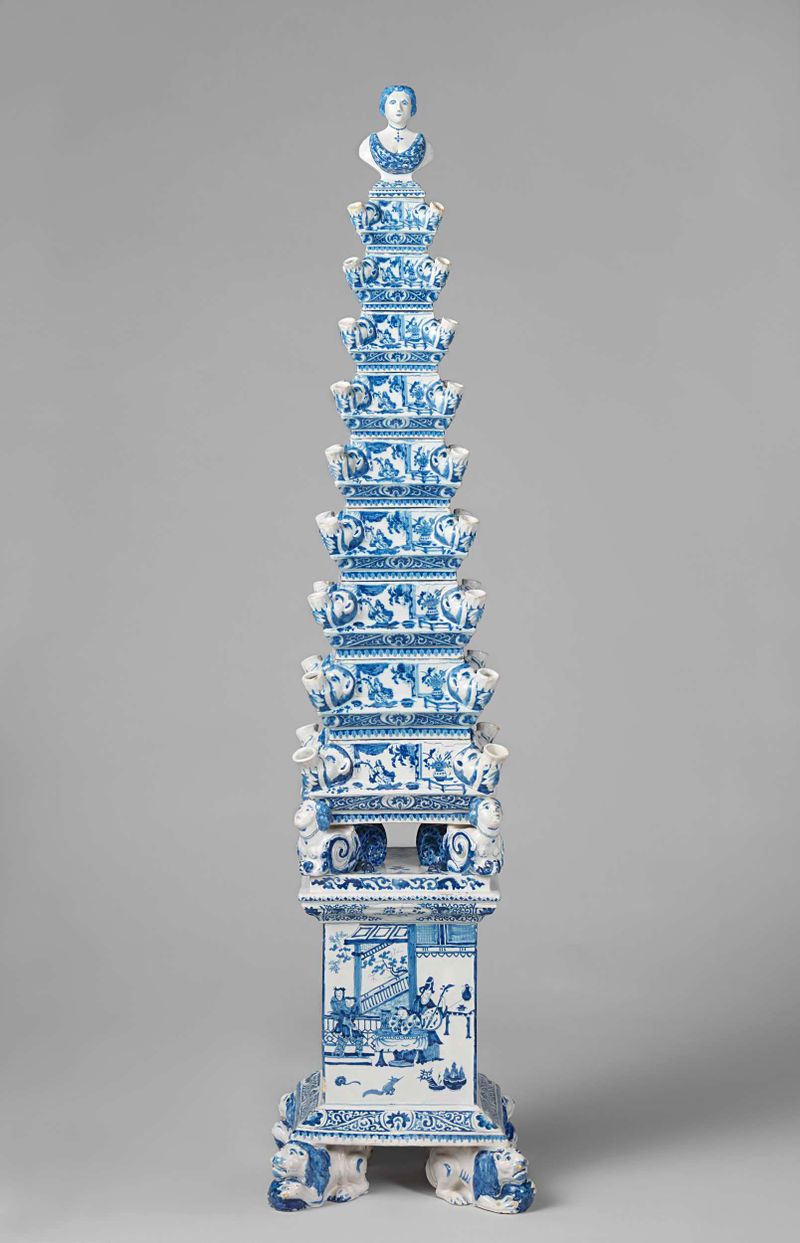
Flower pyramid
De Metaale Pot
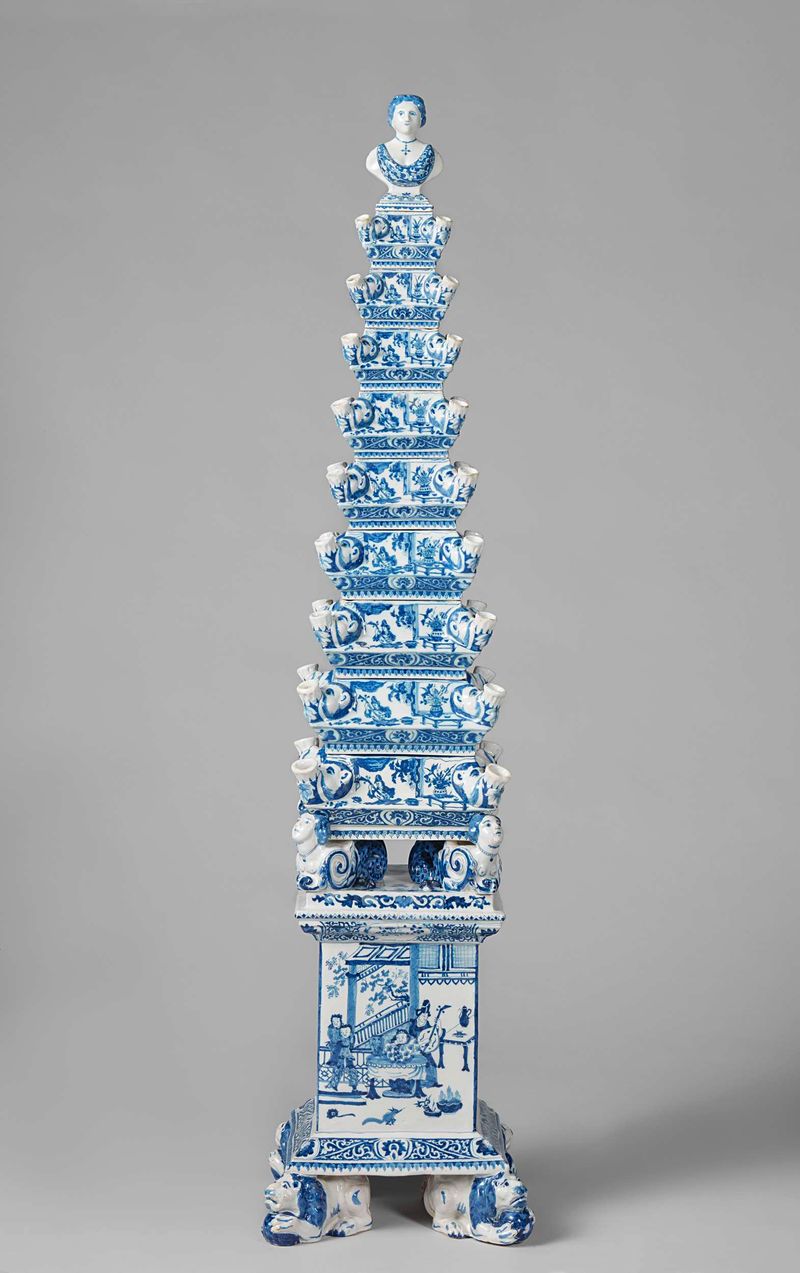
Flower pyramid
De Metaale Pot
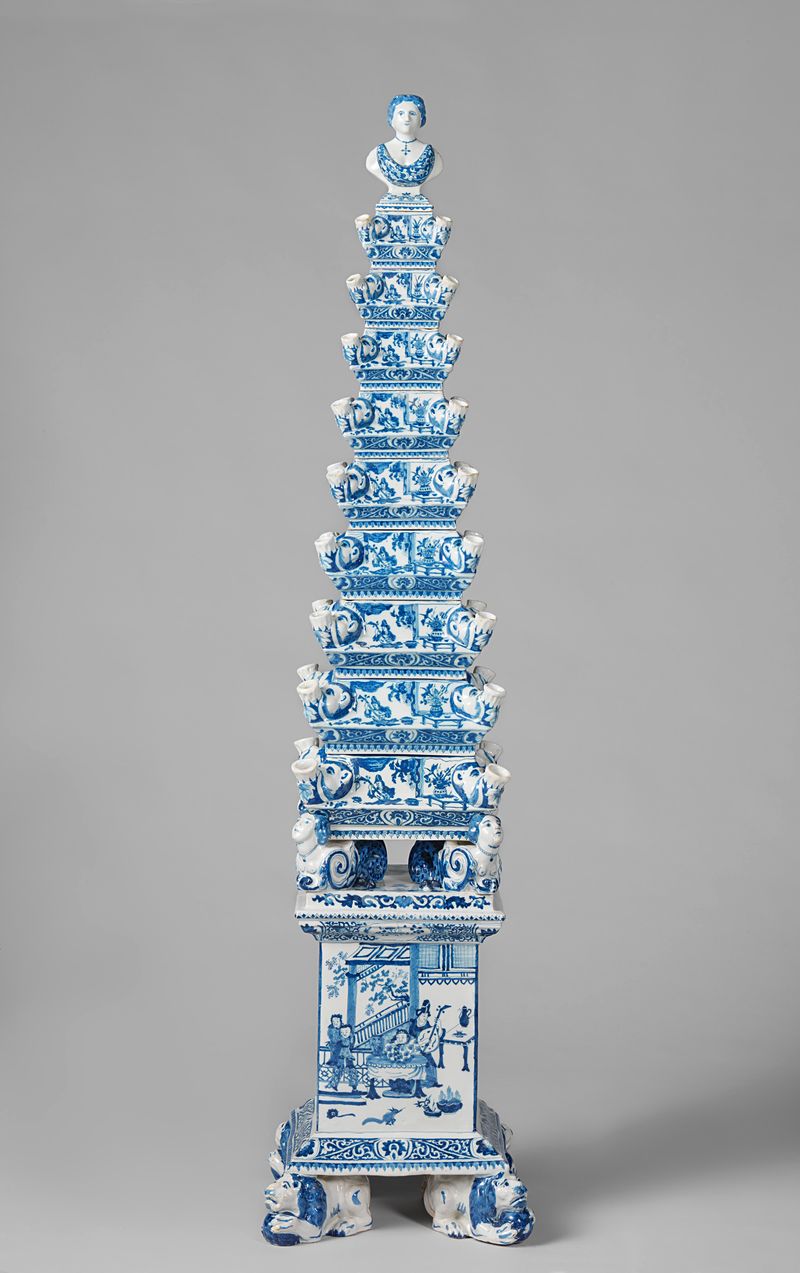
Bloempiramide
De Metaale Pot
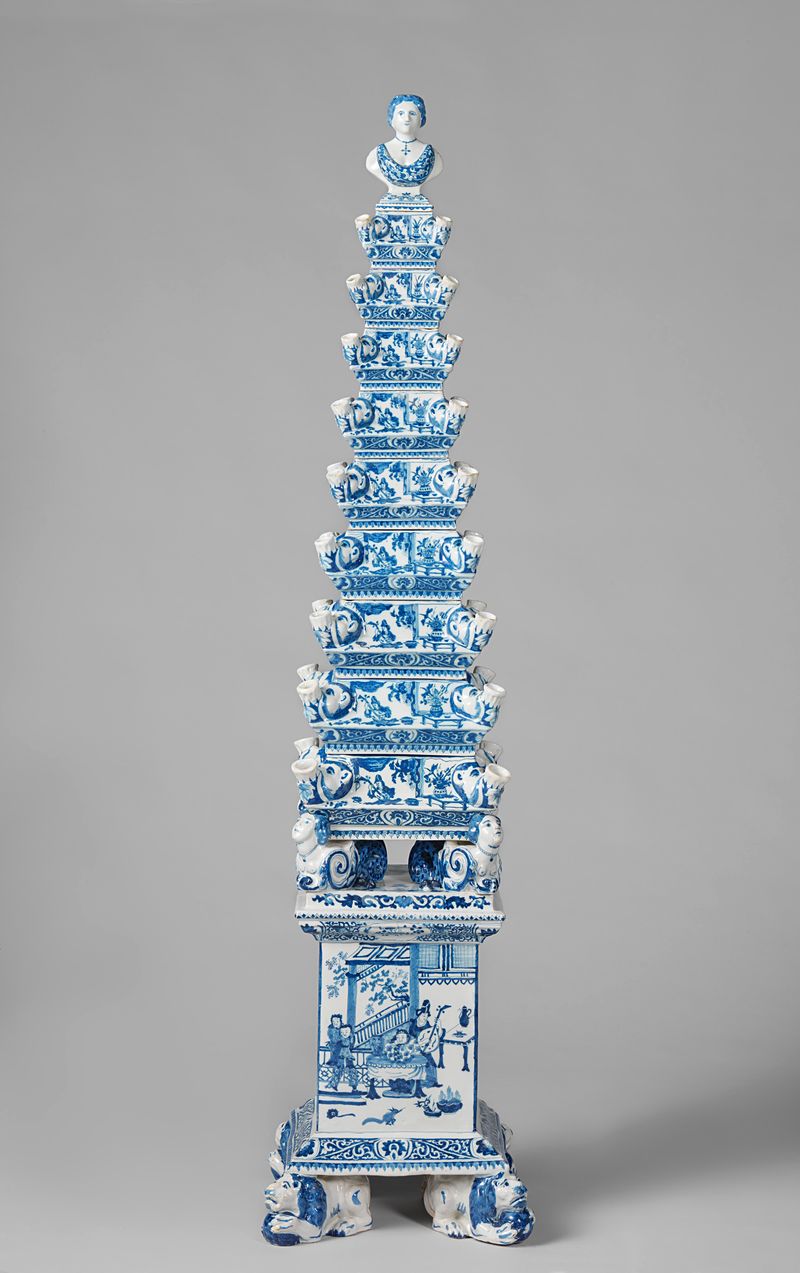
Bloempiramide
De Metaale Pot
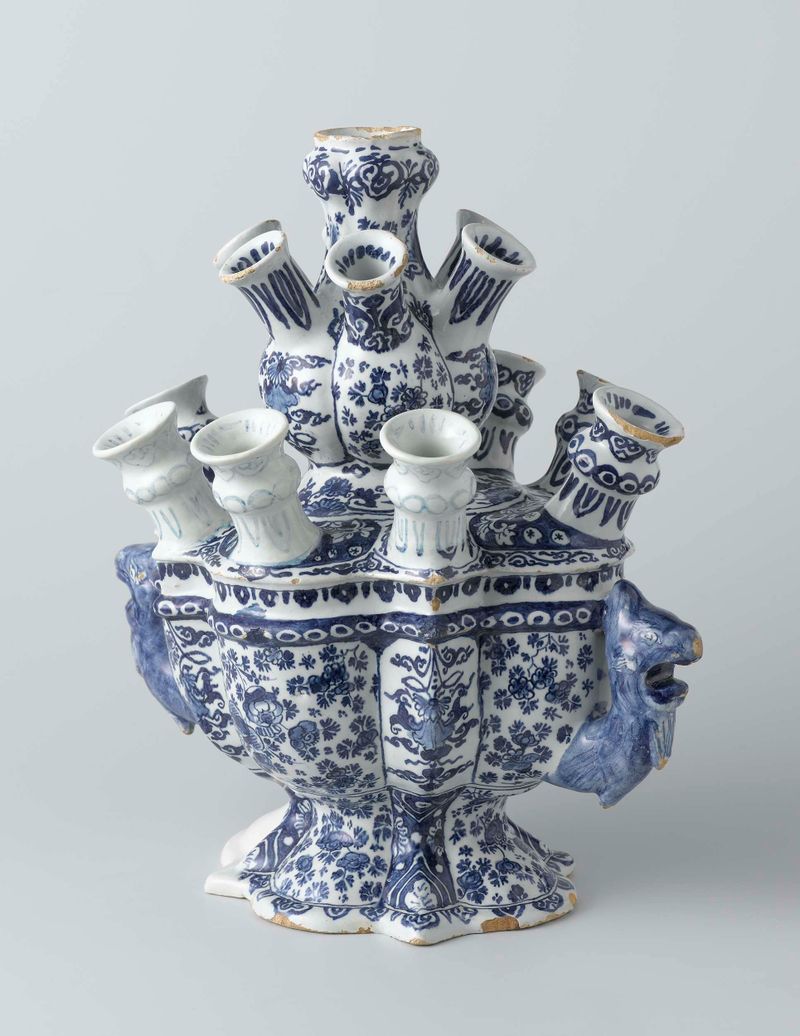
Flower holder
De Metaale Pot
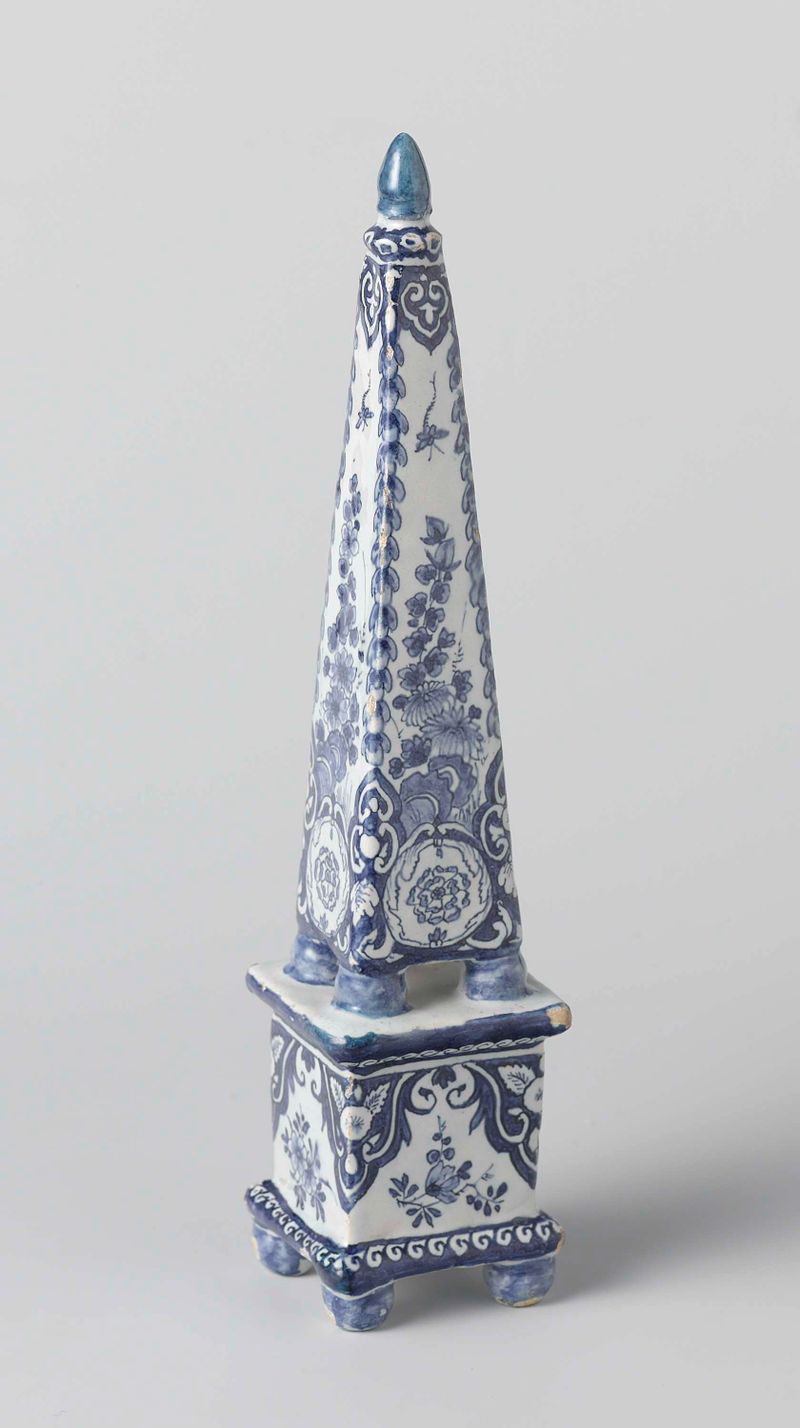
Obelisk
De Metaale Pot