
Ochanomizu Bridge — History & Facts
The canvas doesn’t lie — it simply waits. A bridge connects not just land but souls, carrying whispers of grief across the waters beneath it. Look towards the bridge, where delicate figures traverse the structure, their silhouettes softened by twilight. Notice how the muted blues and grays gently envelop the scene, imbuing it with a sense of melancholy.
The expertly rendered clouds drift lazily, allowing dappled light to filter through, illuminating the rippling water below. Each stroke resonates with a quiet, poignant beauty, inviting the viewer to linger in this transient moment. The juxtaposition of the bustling figures and the stillness of nature speaks to the duality of life and loss. The bridge serves as a metaphor for the connections we forge and the inevitable farewells that follow.
The gentle curvature of the bridge contrasts sharply with the heaviness of the sky, suggesting that even amid turmoil, there exists a path forward. Each figure, cloaked in their own story, contributes to a collective experience of sorrow and resilience. In the 19th century, while residing in Edo (present-day Tokyo), Utagawa Hiroshige created this work during a period of profound cultural transformation in Japan. The ukiyo-e style was flourishing, and the artist sought to capture the fleeting beauty of everyday life.
As the world around him rapidly changed, Hiroshige’s art became a refuge for reflection, allowing viewers to navigate the complexities of their own emotions.
More Artworks by Utagawa Hiroshige
Browse all →
Sudden Shower over Shin Ohashi Bridge and Atake (Ohashi Atake no yudachi), from the series "One Hundred Famous Views of Edo (Meisho Edo hyakkei)"
Utagawa Hiroshige
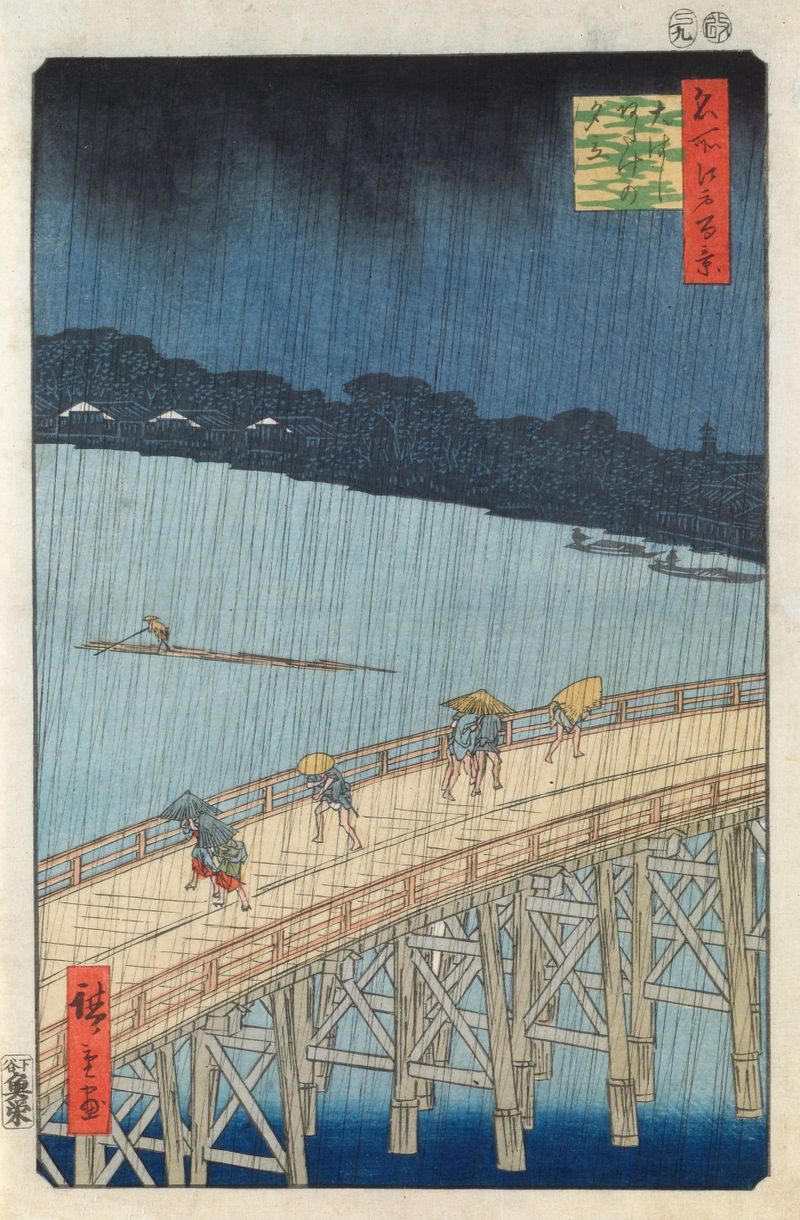
Sudden Shower Over Ohashi Bridge and Atake
Utagawa Hiroshige
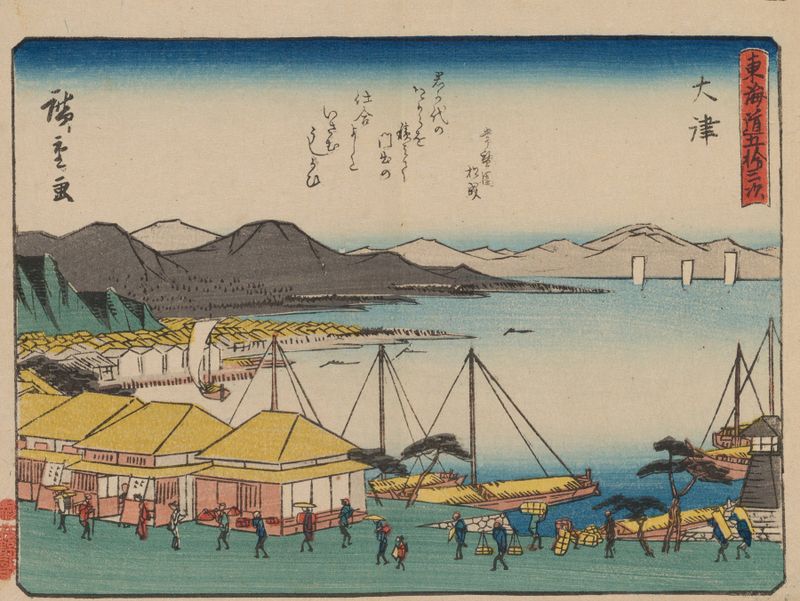
Tokaido gojusantsugi, Pl.54
Utagawa Hiroshige
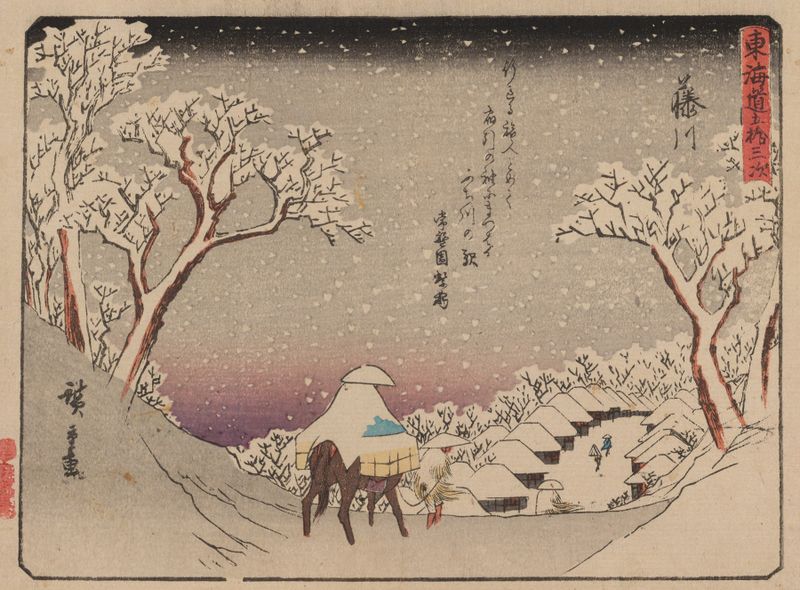
Tokaido gojusantsugi, Pl.38
Utagawa Hiroshige
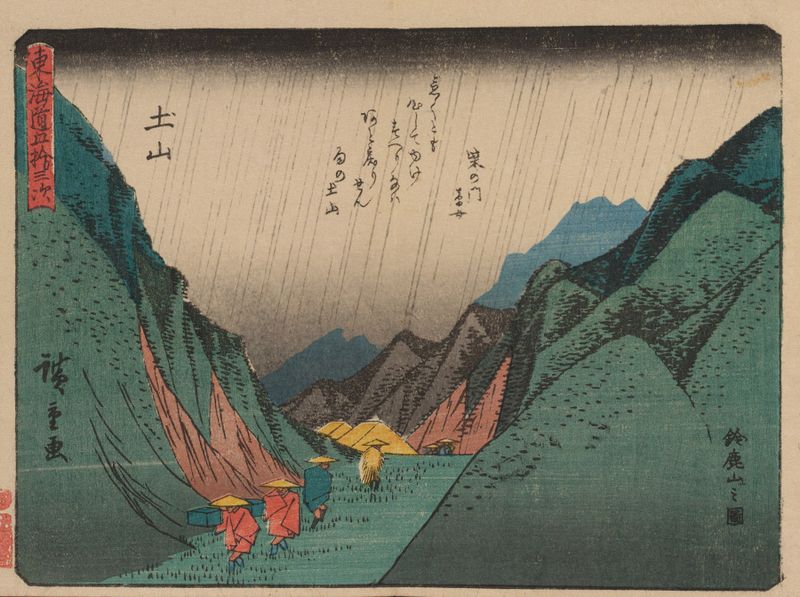
Tokaido gojusantsugi, Pl.50
Utagawa Hiroshige
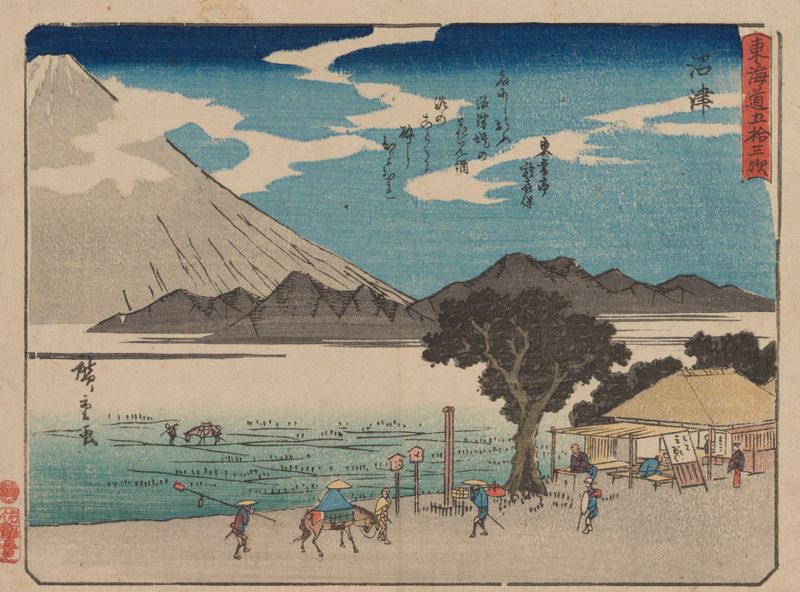
Tokaido gojusantsugi, Pl.13
Utagawa Hiroshige
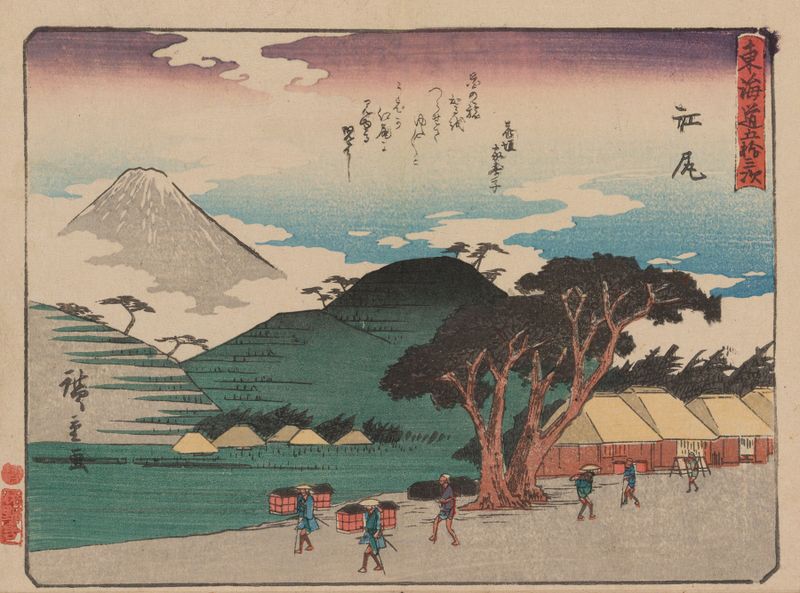
Tokaido gojusantsugi, Pl.19
Utagawa Hiroshige
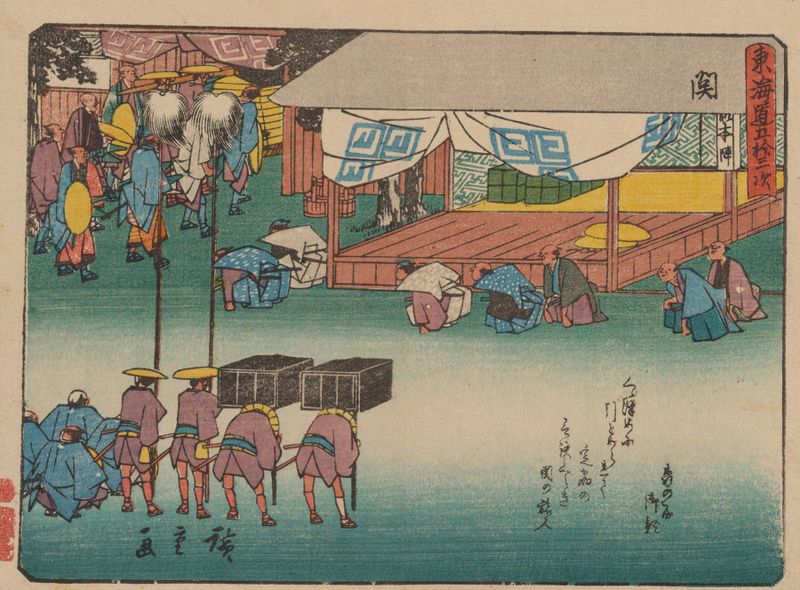
Tokaido gojusantsugi, Pl.48
Utagawa Hiroshige
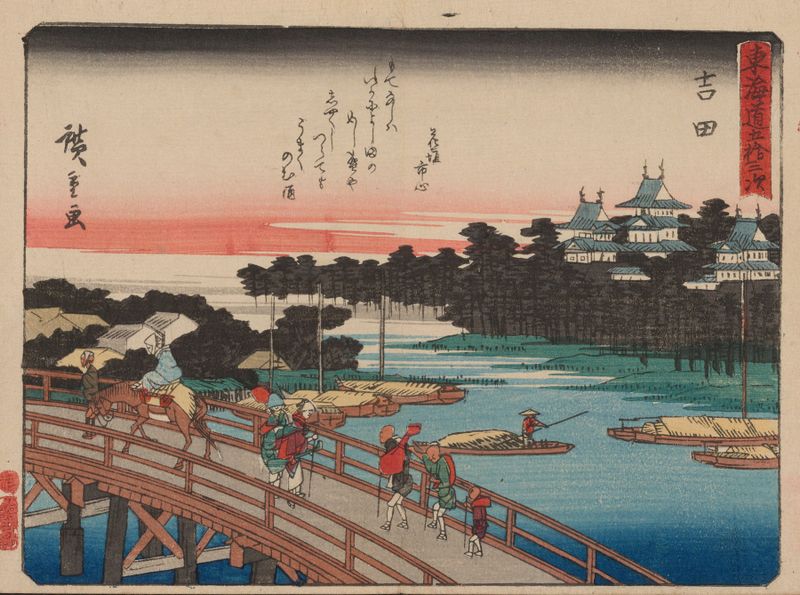
Tokaido gojusantsugi, Pl.35
Utagawa Hiroshige
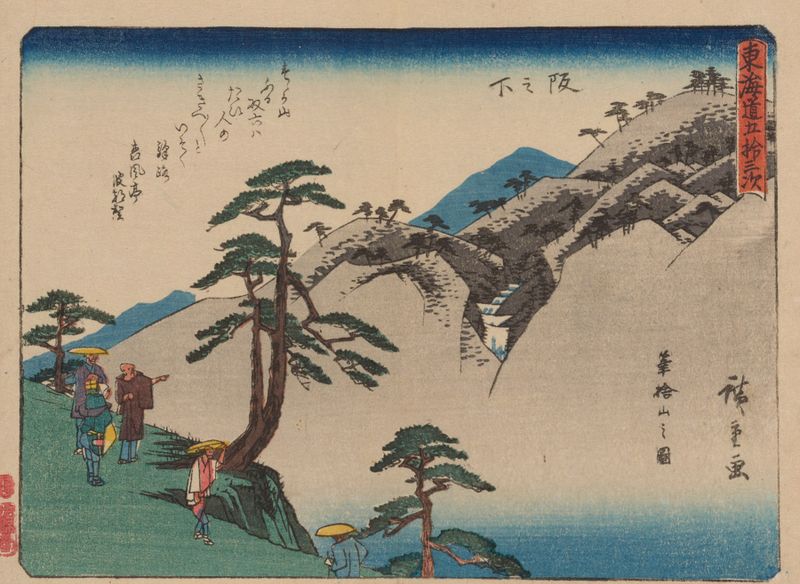
Tokaido gojusantsugi, Pl.49
Utagawa Hiroshige
More Architecture Art
Browse all →
The statue of Liberty
Frédéric Auguste Bartholdi

View of Houses in Delft, Known as ‘The Little Street’
Johannes Vermeer

View of Houses in Delft, Known as ‘The Little Street’
Johannes Vermeer

The Cathedral in Rouen. The portal, Grey Weather
Claude Monet

The yellow house
Vincent van Gogh

The Church in Auvers-sur-Oise, View from the Chevet
Vincent van Gogh