
Odawara — History & Facts
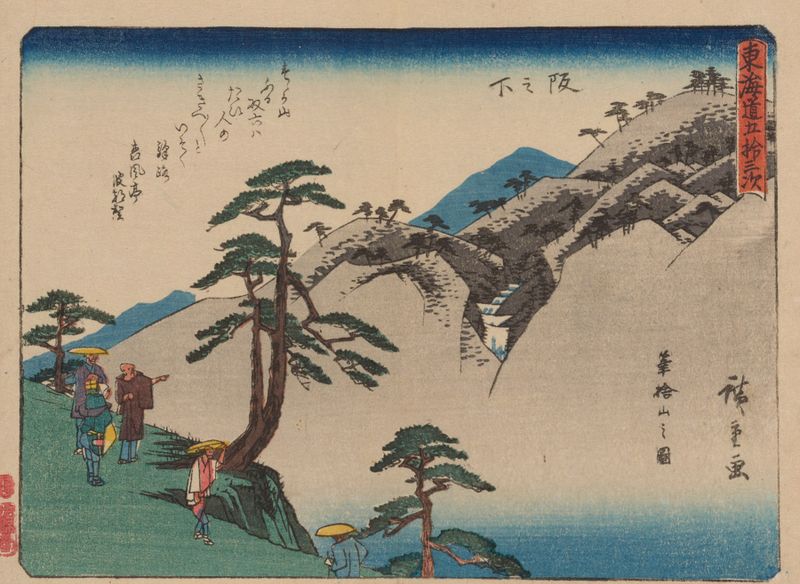
Could beauty survive in a century of chaos? This question resonates deeply within the layers of Utagawa Hiroshige's Odawara, a work where serene landscapes clash with the echoes of betrayal and unrest. Focus on the tranquil yet imposing mountains that rise majestically in the background, their peaks softened by a delicate mist. Notice how the artist employs a gentle palette of blues and greens, interspersed with warm earthen tones, creating a harmonious yet uneasy balance. The foreground draws you in with its intricate depiction of travelers navigating a winding path, their figures small against the vastness of nature, illustrating both human vulnerability and the continuity of life amidst turmoil. As you delve deeper, the juxtaposition of the travelers and the towering mountains suggests a profound tension.
The mountain's permanence contrasts with the transience of human life, hinting at the betrayals of time and fate. Subtle details, like the faint traces of a winding river, evoke a sense of movement and change, emphasizing how beauty persists even when threatened by chaos. Each brushstroke reveals Hiroshige’s understanding of nature’s duality—its ability to comfort and to overwhelm. In 1855, Hiroshige created Odawara as part of his renowned series depicting the Fifty-three Stations of the Tōkaidō Road.
At this time, Japan was undergoing significant social and political upheaval, shaping the artist's vision. His focus on landscapes, often capturing fleeting moments of beauty, served as both an escape and a reflection of the tumultuous period, allowing him to convey complex emotions through a seemingly peaceful facade.
More Artworks by Utagawa Hiroshige
Browse all →
Sudden Shower over Shin Ohashi Bridge and Atake (Ohashi Atake no yudachi), from the series "One Hundred Famous Views of Edo (Meisho Edo hyakkei)"
Utagawa Hiroshige
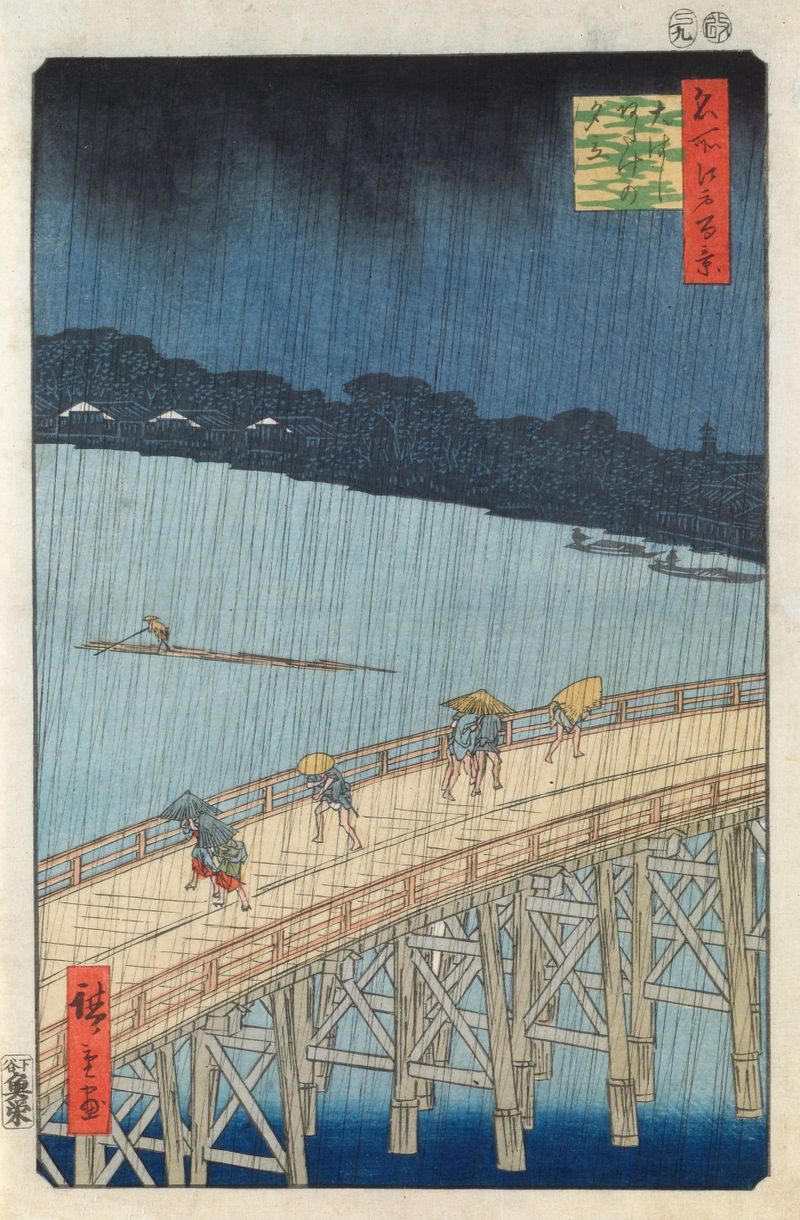
Sudden Shower Over Ohashi Bridge and Atake
Utagawa Hiroshige
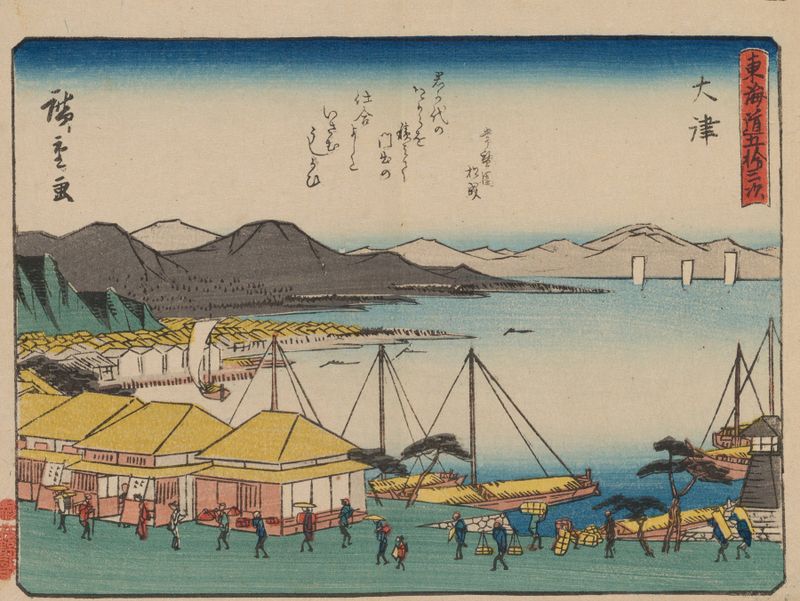
Tokaido gojusantsugi, Pl.54
Utagawa Hiroshige
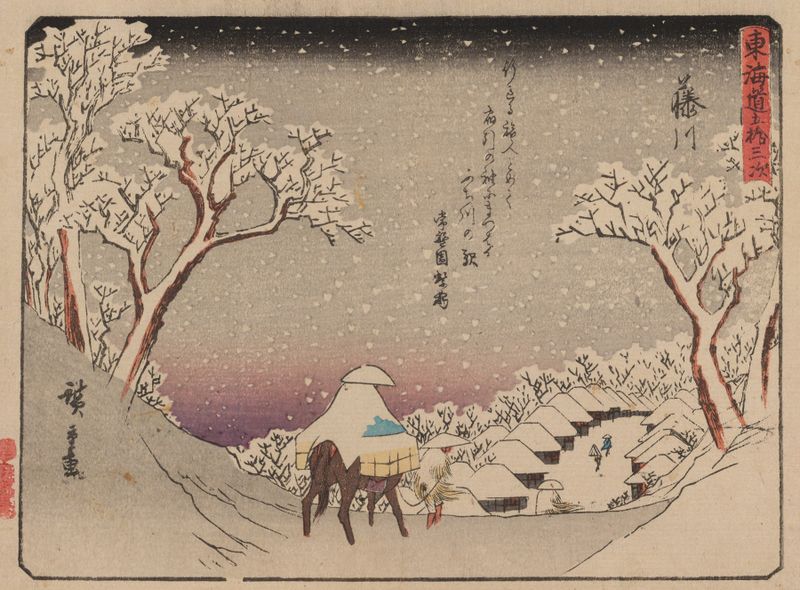
Tokaido gojusantsugi, Pl.38
Utagawa Hiroshige
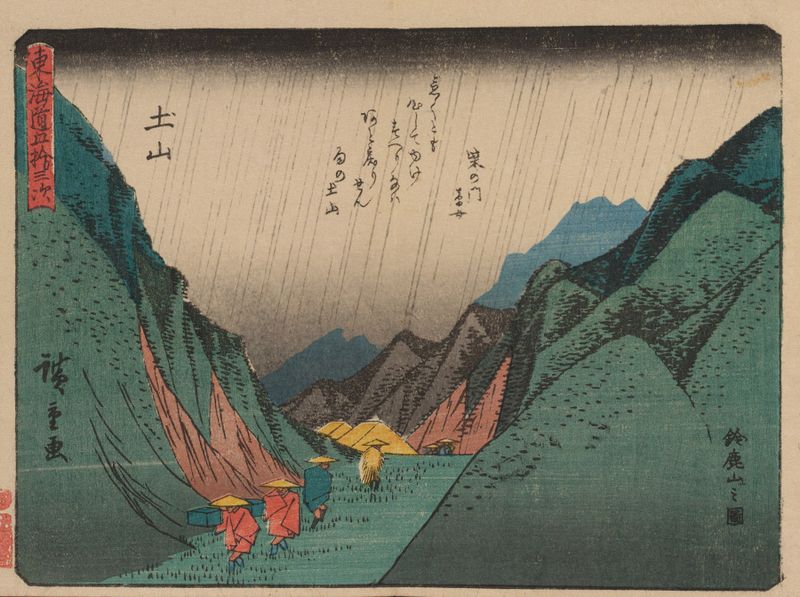
Tokaido gojusantsugi, Pl.50
Utagawa Hiroshige
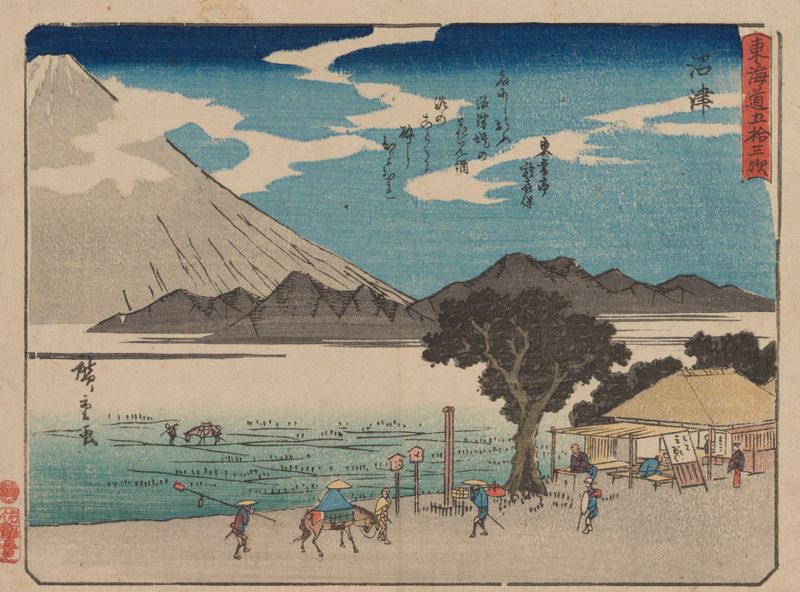
Tokaido gojusantsugi, Pl.13
Utagawa Hiroshige
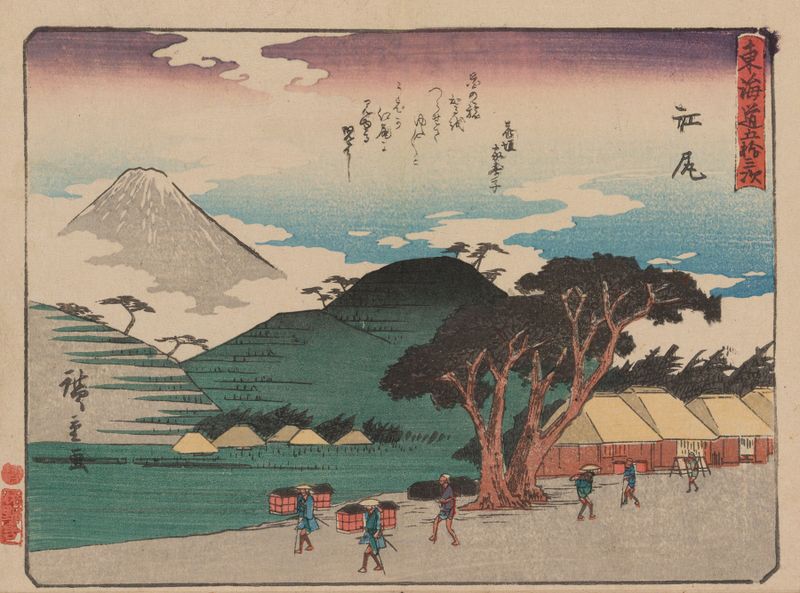
Tokaido gojusantsugi, Pl.19
Utagawa Hiroshige
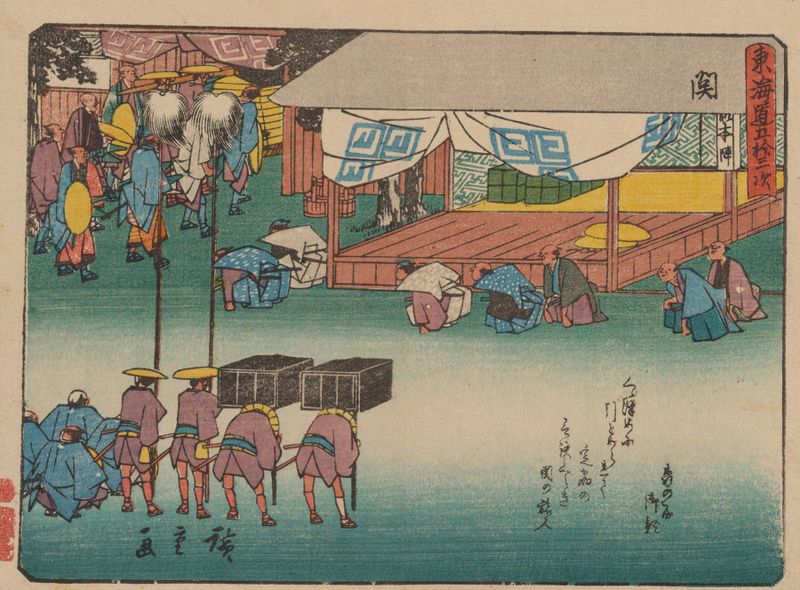
Tokaido gojusantsugi, Pl.48
Utagawa Hiroshige
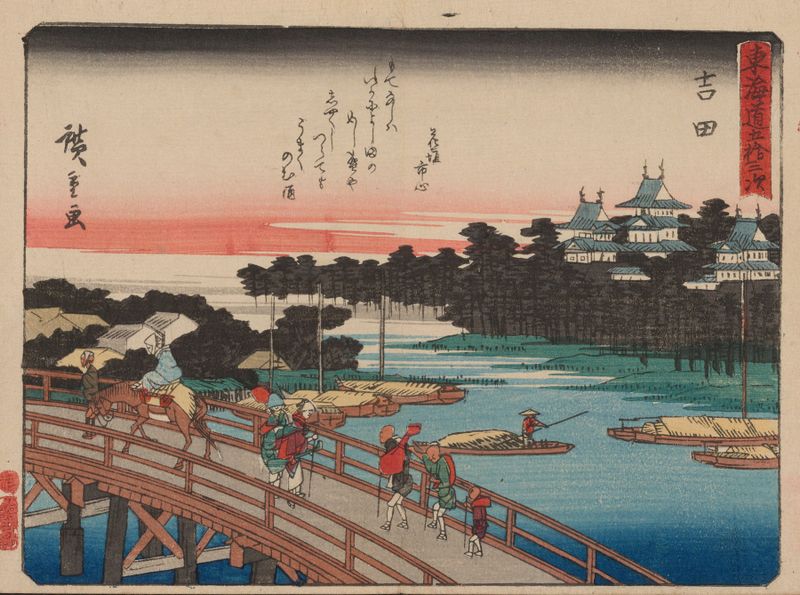
Tokaido gojusantsugi, Pl.35
Utagawa Hiroshige
Tokaido gojusantsugi, Pl.49
Utagawa Hiroshige





