
Odawara — History & Facts
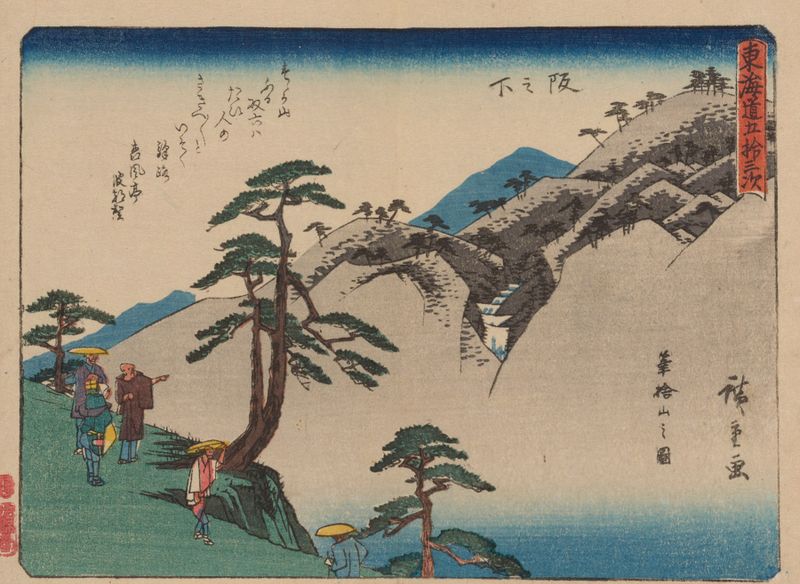
What if beauty was never meant to be finished? The fleeting moments that form the tapestry of life often slip through our fingers, yet they linger in memory like the delicate hues of a sunset. Focus first on the vibrant blue sky, where wisps of cloud flirt with the horizon. The river, a silver ribbon, draws the eye along its meandering path, while the distant mountains stand sentinel, cloaked in hues of green and brown. Notice how the subtle gradations of color in the trees create depth, suggesting the caress of a gentle breeze.
Each brushstroke reveals Hiroshige’s masterful technique, as layers of pigment build up to create a sense of atmosphere and tranquility. Beneath the surface of Odawara, echoes of memory and transience resonate. The juxtaposition of the serene landscape against the quiet activity of the boats hints at the delicate balance between nature and human endeavor. The vibrant colors symbolize the richness of life, yet there’s a sense of impermanence, as if the scene is just a breath away from disappearing.
Such contrasts invite the viewer to reflect on their own experiences and memories, drawn in by the beauty that is both eternal and ever-changing. During the years 1841–1842, Hiroshige was firmly established in Edo (now Tokyo), at the height of the ukiyo-e movement, which depicted the beauty of everyday life. Japan was experiencing a period of relative peace under the Tokugawa shogunate, allowing artists to explore their creativity. This work reflects not only his personal mastery of woodblock printing but also a cultural moment where nature and nostalgia intertwined beautifully in Japanese art.
More Artworks by Utagawa Hiroshige
Browse all →
Sudden Shower over Shin Ohashi Bridge and Atake (Ohashi Atake no yudachi), from the series "One Hundred Famous Views of Edo (Meisho Edo hyakkei)"
Utagawa Hiroshige
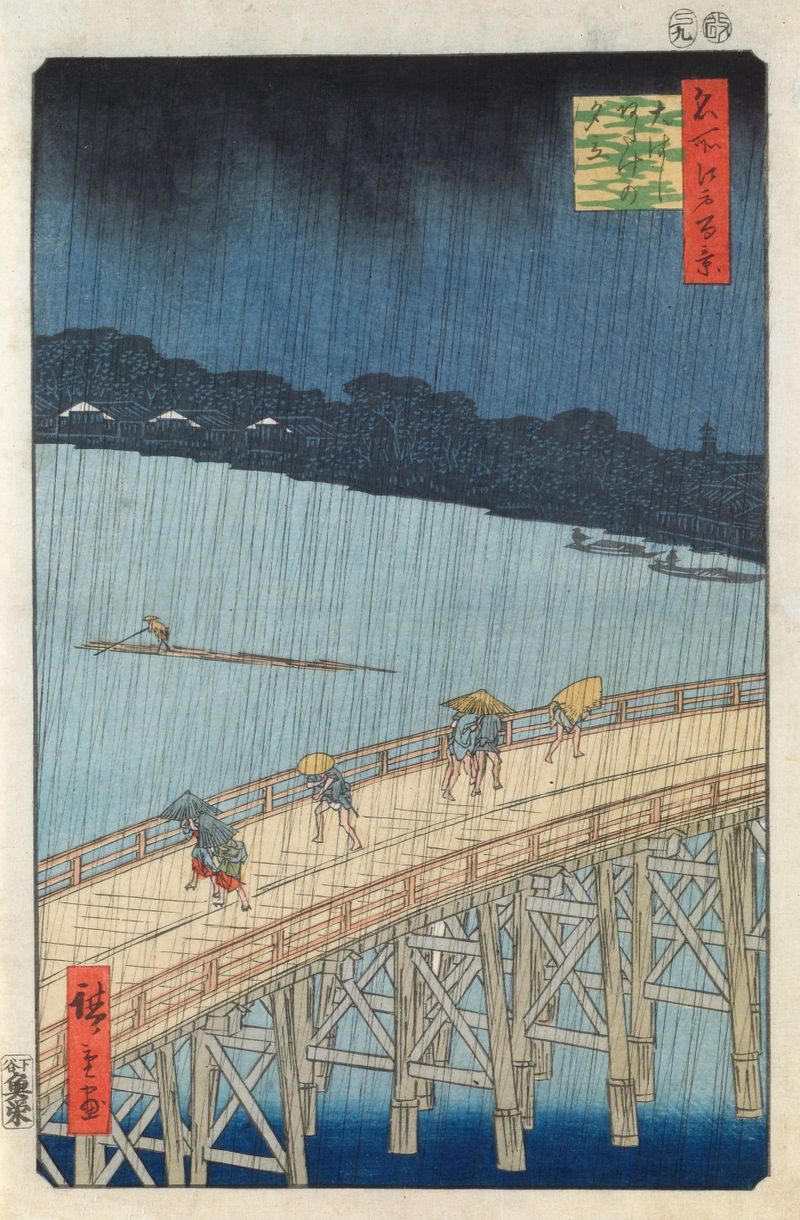
Sudden Shower Over Ohashi Bridge and Atake
Utagawa Hiroshige
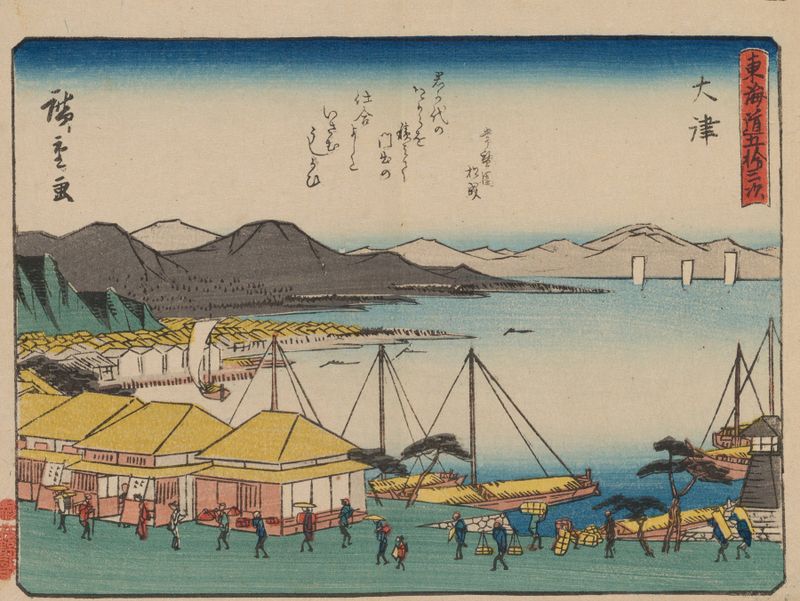
Tokaido gojusantsugi, Pl.54
Utagawa Hiroshige
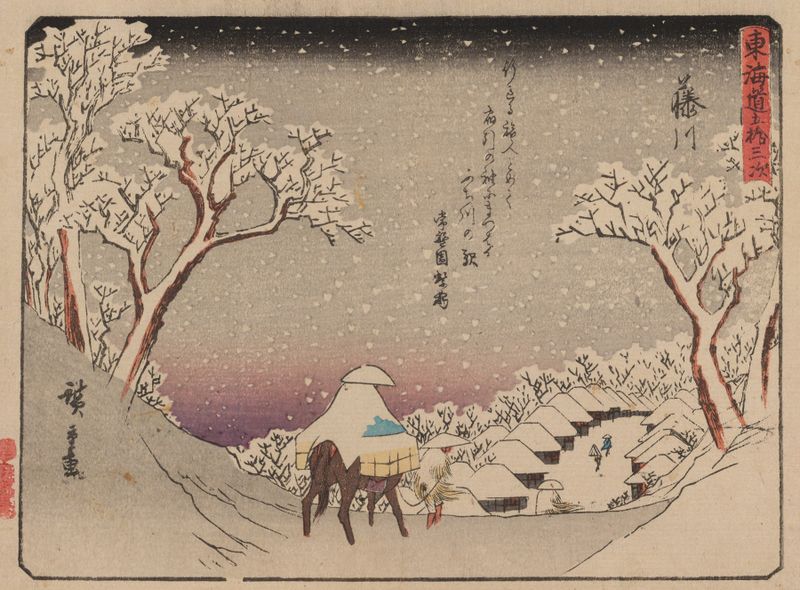
Tokaido gojusantsugi, Pl.38
Utagawa Hiroshige
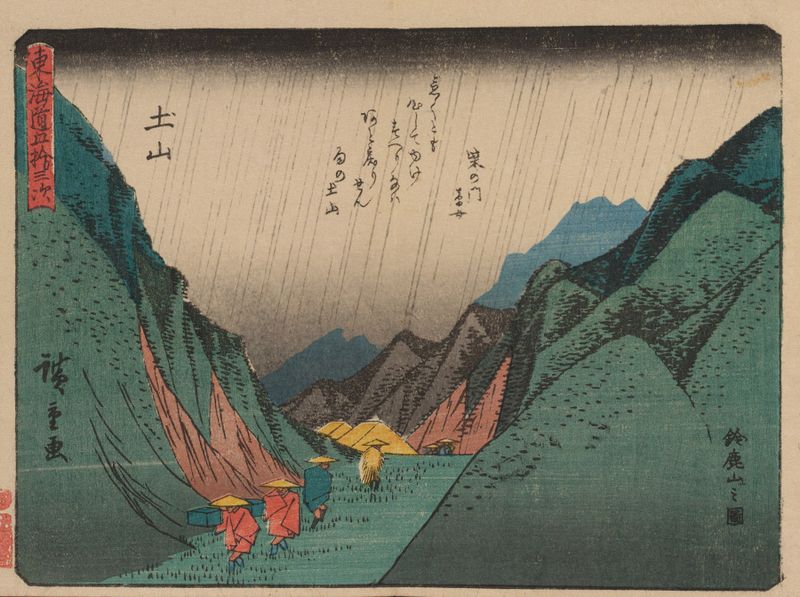
Tokaido gojusantsugi, Pl.50
Utagawa Hiroshige
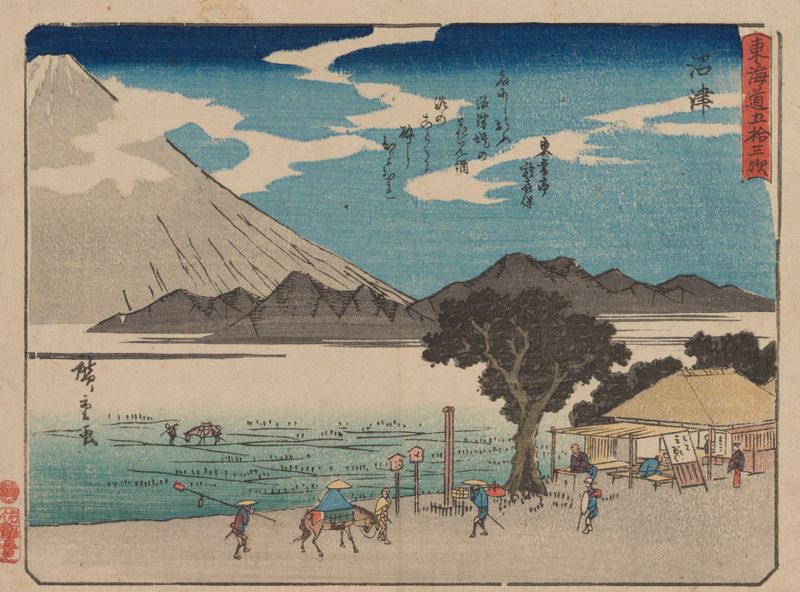
Tokaido gojusantsugi, Pl.13
Utagawa Hiroshige
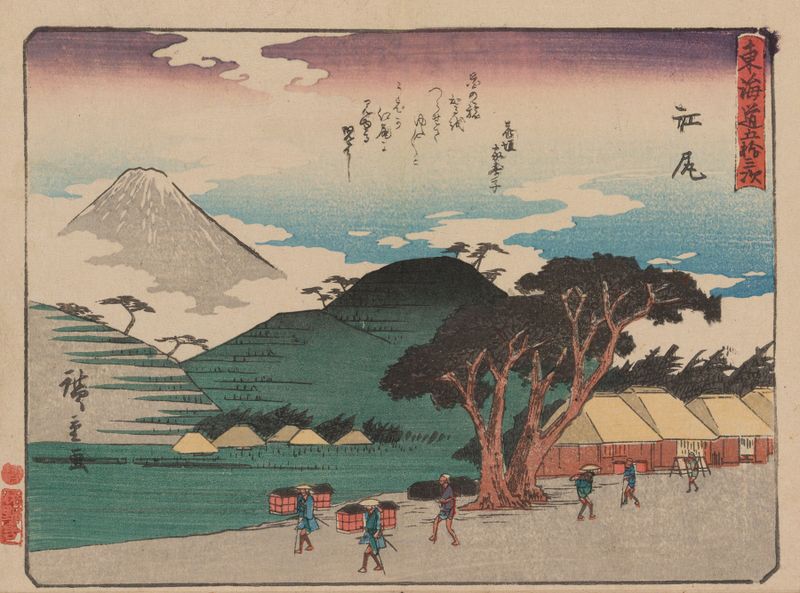
Tokaido gojusantsugi, Pl.19
Utagawa Hiroshige
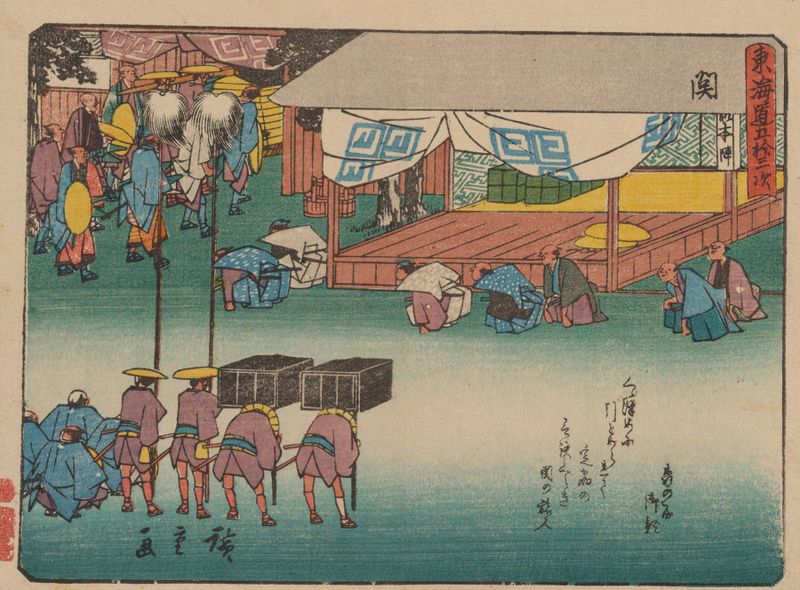
Tokaido gojusantsugi, Pl.48
Utagawa Hiroshige
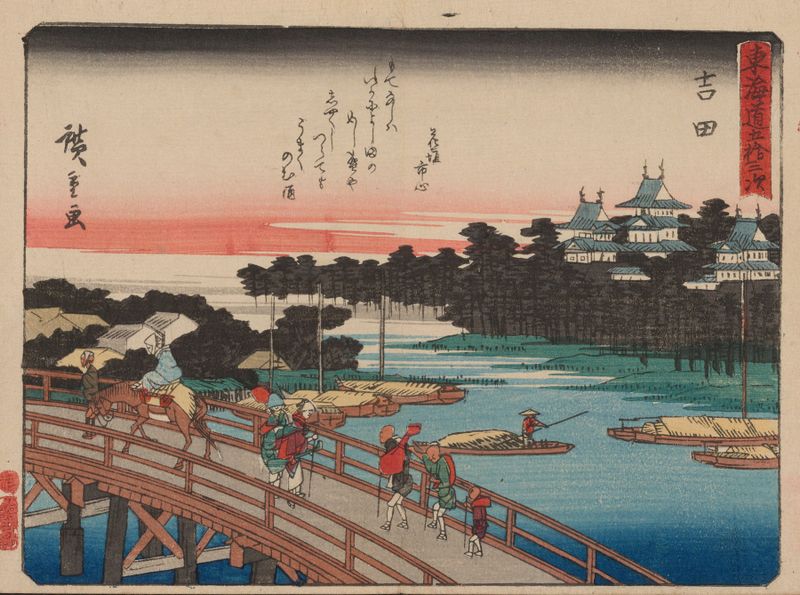
Tokaido gojusantsugi, Pl.35
Utagawa Hiroshige
Tokaido gojusantsugi, Pl.49
Utagawa Hiroshige





