
Offer van Gideon — History & Facts
In this stillness, we confront the delicate dance between life and mortality, an exploration of that which flickers before the extinguishing light. Focus on the central figure of Gideon, who stands resolutely, arm extended in a solemn gesture. His face, shrouded in shadows, reveals a stoic resolve layered with doubt. The rich ochres and deep reds envelop the scene, creating a warmth that paradoxically hints at the impending chill of fate.
Notice how the light plays across the other figures, their forms receding into the dimness, echoing the quiet urgency of Gideon's offering. The meticulous brushwork invites the eye to linger, revealing the texture of the garments, each fold a whisper of history and purpose. Beneath the surface, a tension brews. Gideon’s act of sacrifice is not just a ritual but a confrontation with destiny, inviting reflections on duty and the weight of choice.
The contrasting expressions of the bystanders add depth — some gaze in reverence, while others seem to recoil from the gravity of the moment. Bol captures this interplay of emotions, suggesting that every decision in life carries the shadow of mortality, each choice a step closer to the inevitable conclusion. Created between 1640 and 1644, the artist found himself in a dynamic period of Dutch painting, deeply influenced by the baroque style that imbued his work with drama and intensity. While residing in Amsterdam, Bol was expanding his practice, moving from the tutelage of Rembrandt towards his own interpretation of light and form.
The world around him was thriving with art, yet beneath this vibrancy lay an ever-present awareness of mortality, a theme that resonated profoundly in Offer van Gideon.
More Artworks by Ferdinand Bol
Browse all →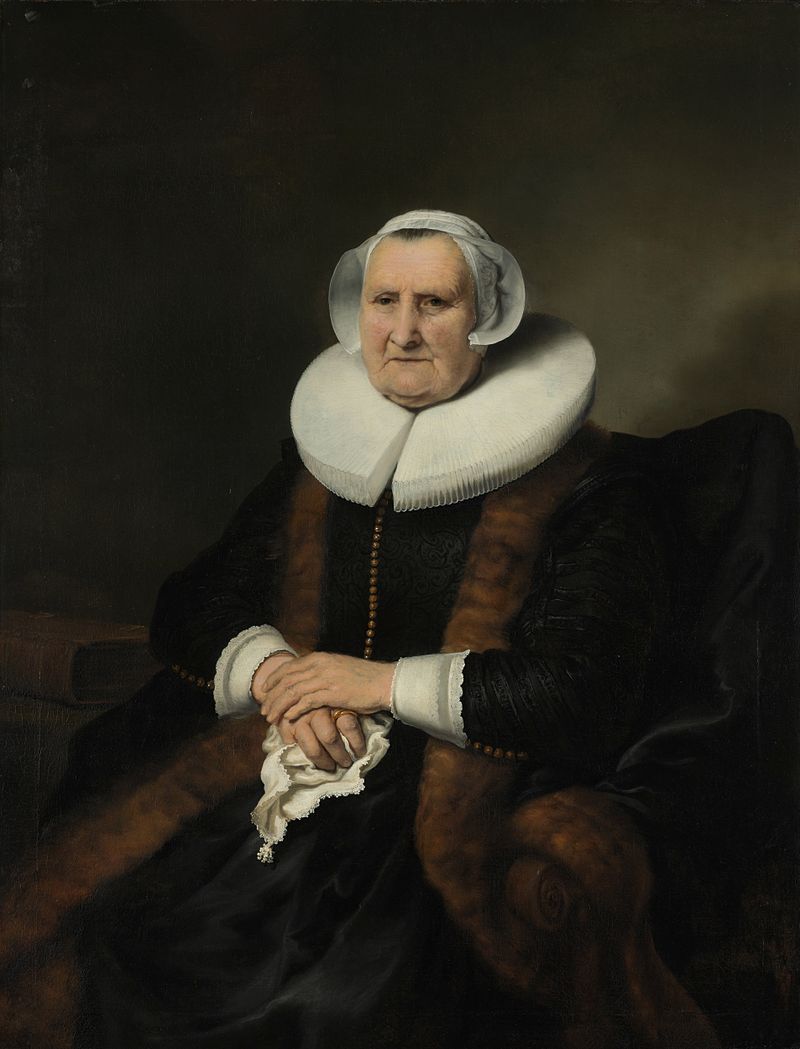
Portrait of an Old Lady, possibly Elisabeth Bas
Ferdinand Bol
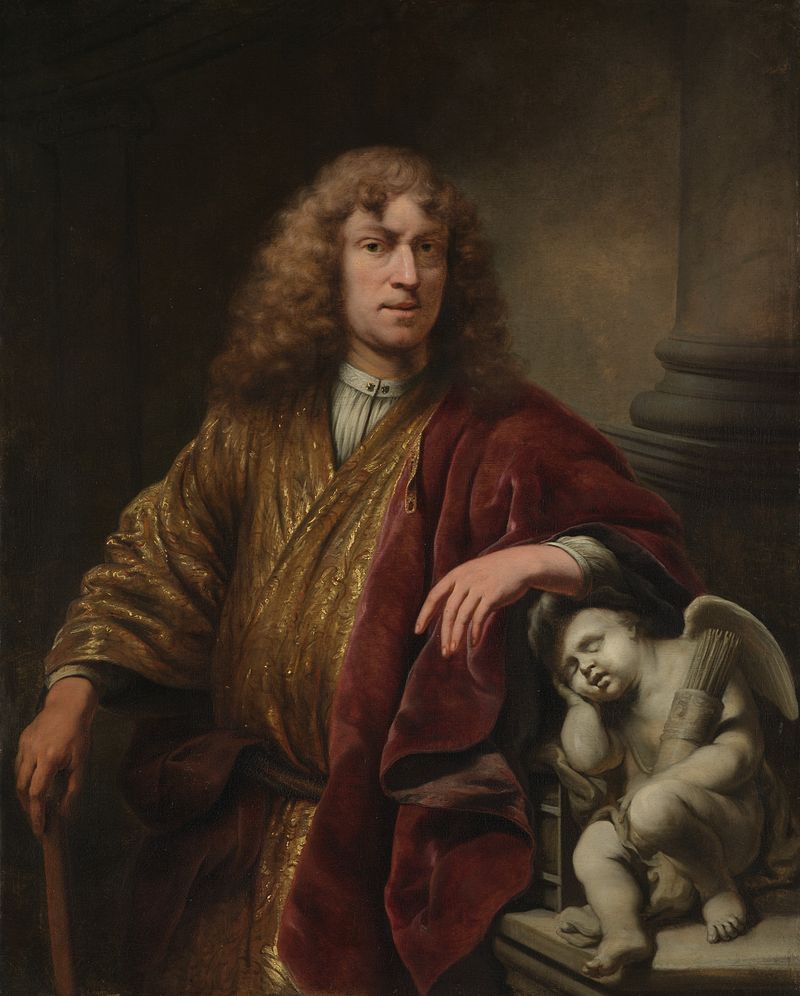
Self-Portrait
Ferdinand Bol

Portrait of Roelof Meulenaer
Ferdinand Bol
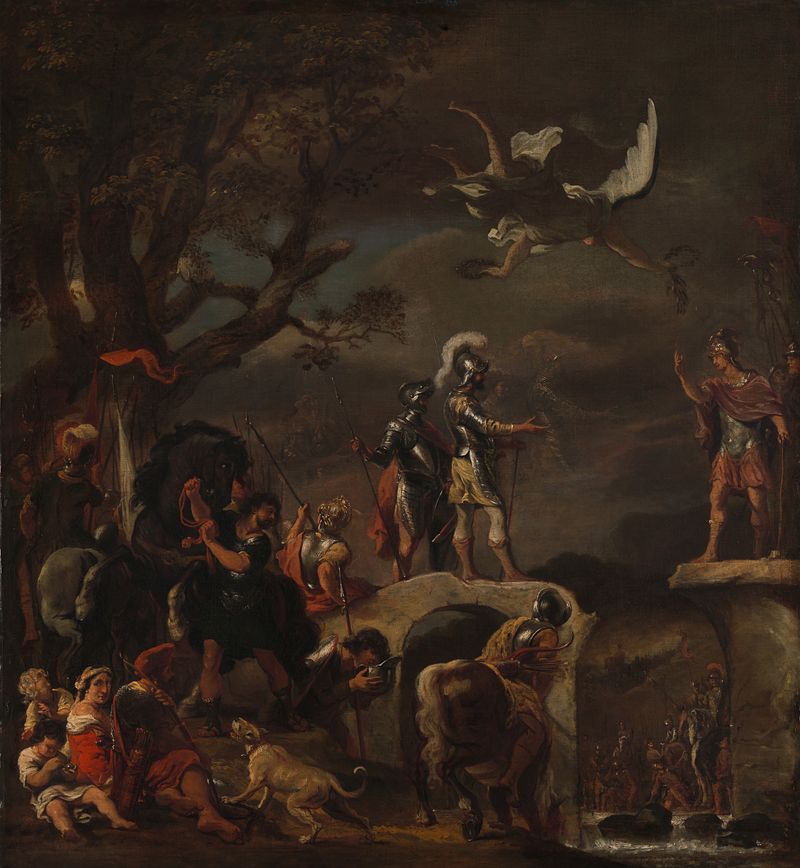
The Peace Negotiations between Claudius Civilis and Quintus Petillius Cerealis on the Demolished Bridge.
Ferdinand Bol
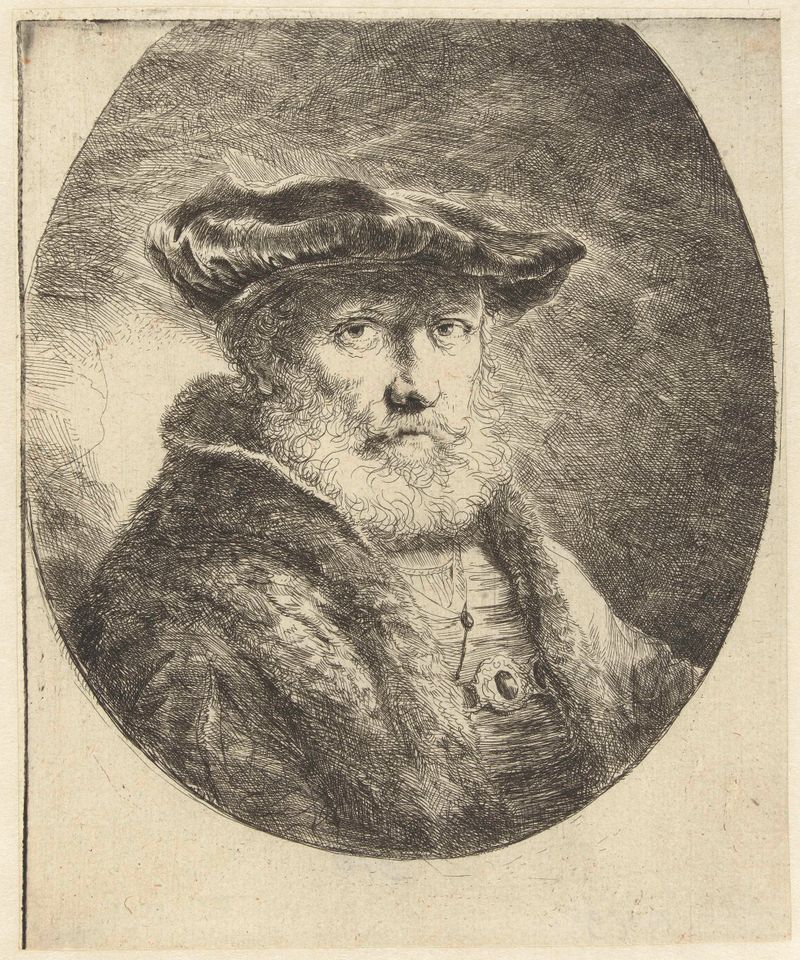
Buste van een oude man met fluwelen baret
Ferdinand Bol

Zelfportret
Ferdinand Bol
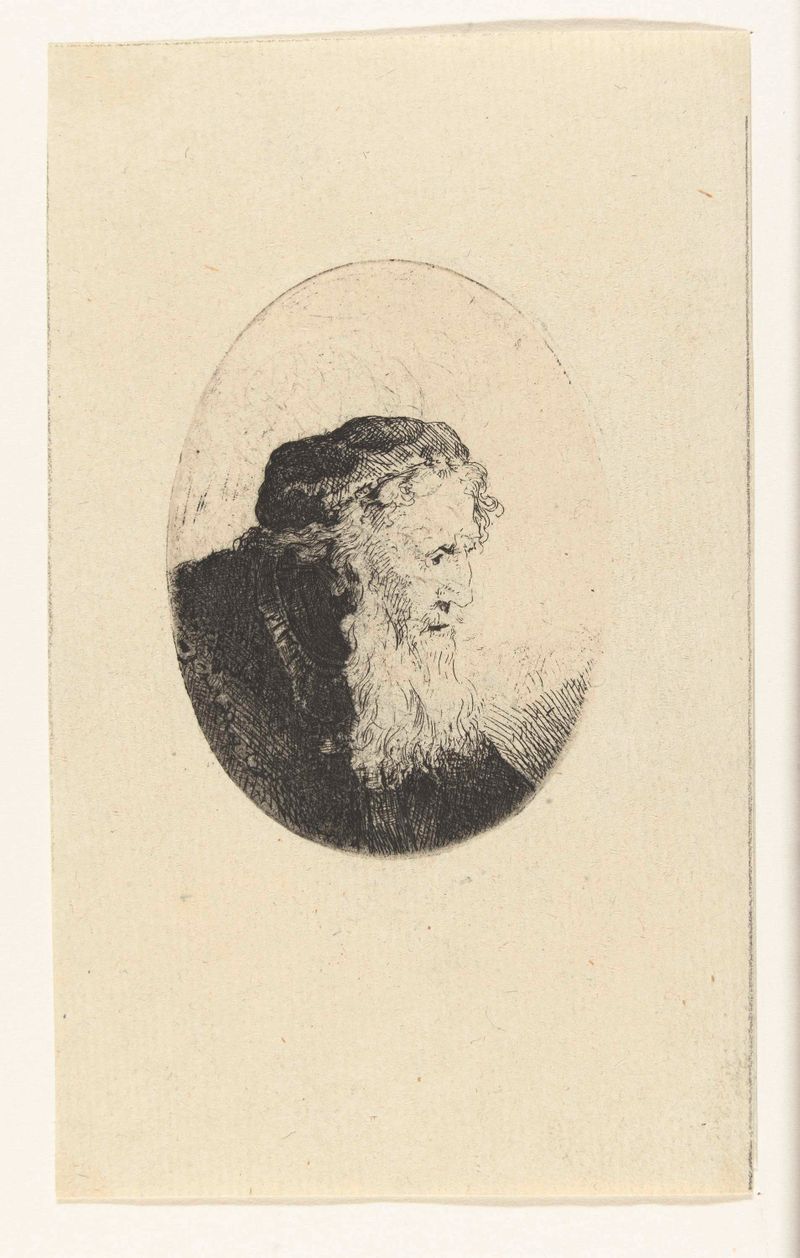
Oude man met baard
Ferdinand Bol

Jozef stelt zijn vader aan de Farao voor
Ferdinand Bol

Venus and Adonis
Ferdinand Bol

Filosoof
Ferdinand Bol
More Religious Art
Browse all →
The Return of the Prodigal Son
Rembrandt van Rijn

The Garden of Earthly Delights
El Bosco

Count Orgaz’ funeral
El Greco

The Hundred Guilder Print: the central piece with Christ preaching, the plate arched
Rembrandt van Rijn

The Descent from the Cross
Rogier van der Weyden

The return of the prodigal son
Rembrandt van Rijn