
Okabe — History & Facts
Is this a mirror — or a memory? In Okabe, Utagawa Hiroshige invites us to consider the delicate interplay between the present and the past, the fleeting and the eternal, as destiny unfolds along a tranquil riverside. Focus on the sweeping curves of the river winding through the landscape, drawing your eyes toward the horizon. Notice how Hiroshige masterfully employs soft blues and greens, creating a sense of serenity that envelops the viewer. The subtle contrasts in the sky, shifting from a gentle pale to a deeper twilight, echo the passage of time, while the delicate brushwork captures the rustling foliage and the intricate details of the distant mountains.
Each stroke seems to whisper tales of journeys taken and those yet to come. At the edge of the scene, small figures traverse the riverbank, their silhouettes merging with the environment, emphasizing the insignificance of individual lives against the vastness of nature. This subtle inclusion suggests the interconnected paths we walk, hinting at the invisible threads of destiny that bind us. The tranquil setting juxtaposes the heavy contemplation of fate, inviting viewers to reflect on their own journeys and the moments that shape their existence. Hiroshige painted Okabe during the early 1840s, a period marked by Japan’s transition from isolation to engagement with the world.
Living in Edo (modern-day Tokyo), he was deeply influenced by the Ukiyo-e movement, which celebrated the beauty of ephemeral moments. As he captured this serene riverscape, the artist was not only illustrating a moment in time but also exploring themes of impermanence, which resonate throughout the cultural shifts occurring in Japan and the wider world.
More Artworks by Utagawa Hiroshige
Browse all →
Sudden Shower over Shin Ohashi Bridge and Atake (Ohashi Atake no yudachi), from the series "One Hundred Famous Views of Edo (Meisho Edo hyakkei)"
Utagawa Hiroshige
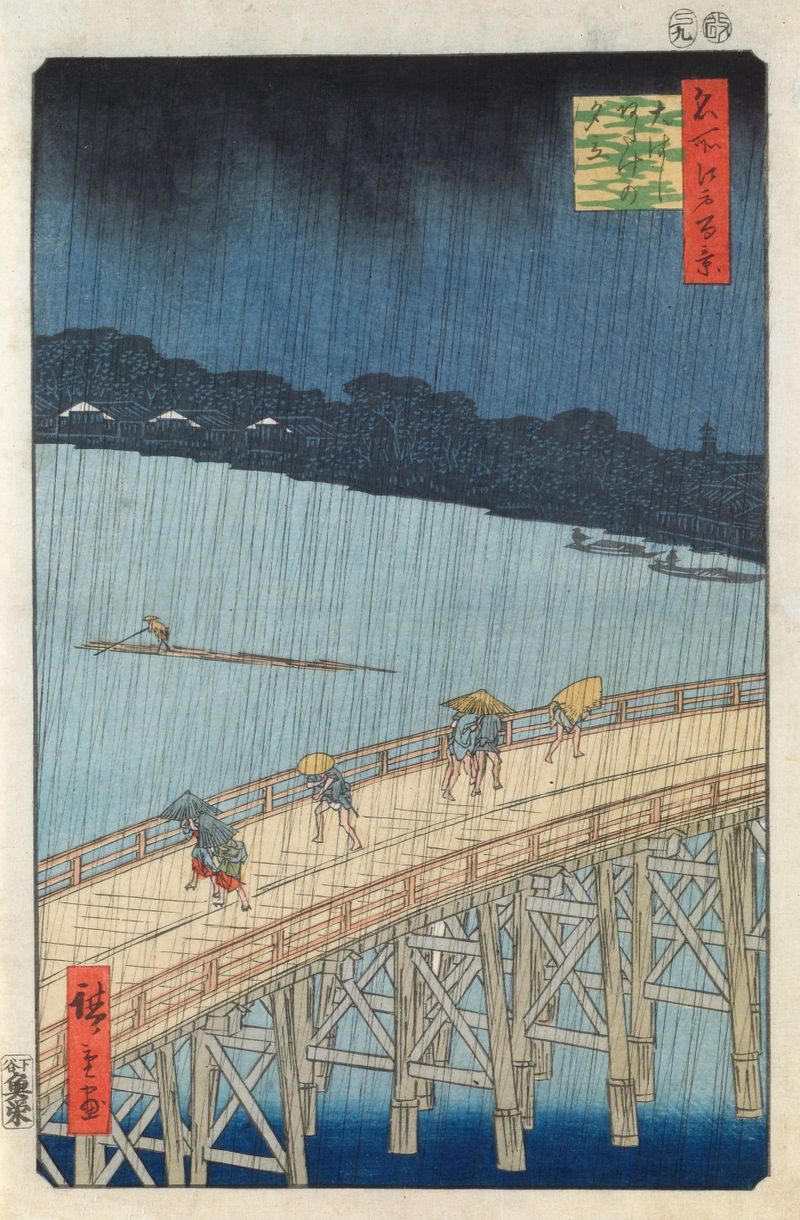
Sudden Shower Over Ohashi Bridge and Atake
Utagawa Hiroshige
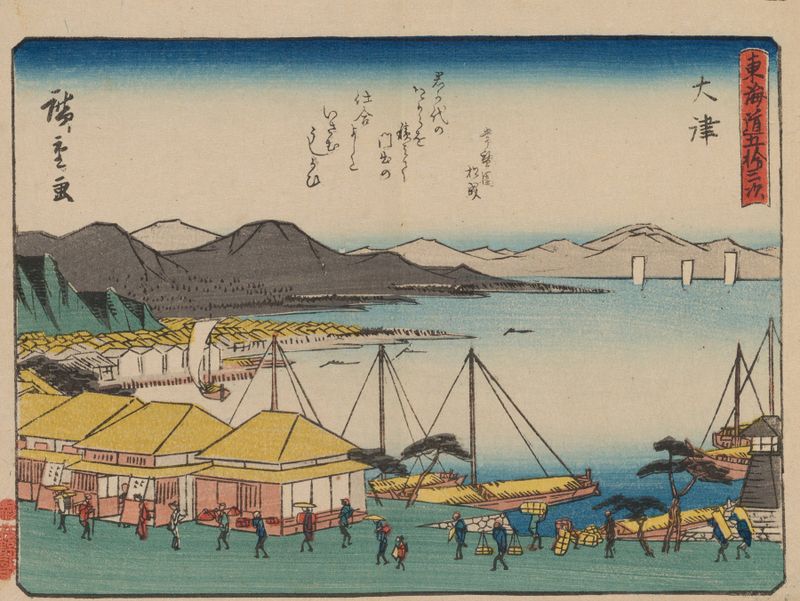
Tokaido gojusantsugi, Pl.54
Utagawa Hiroshige
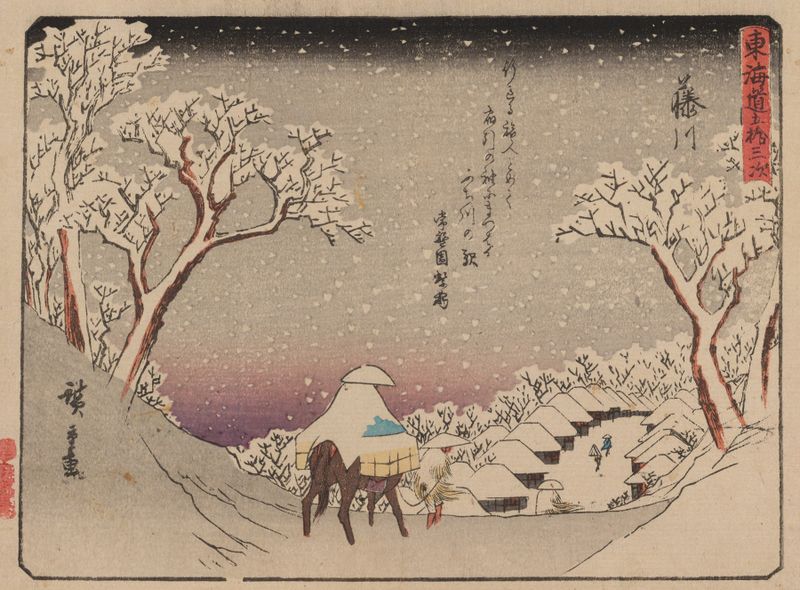
Tokaido gojusantsugi, Pl.38
Utagawa Hiroshige
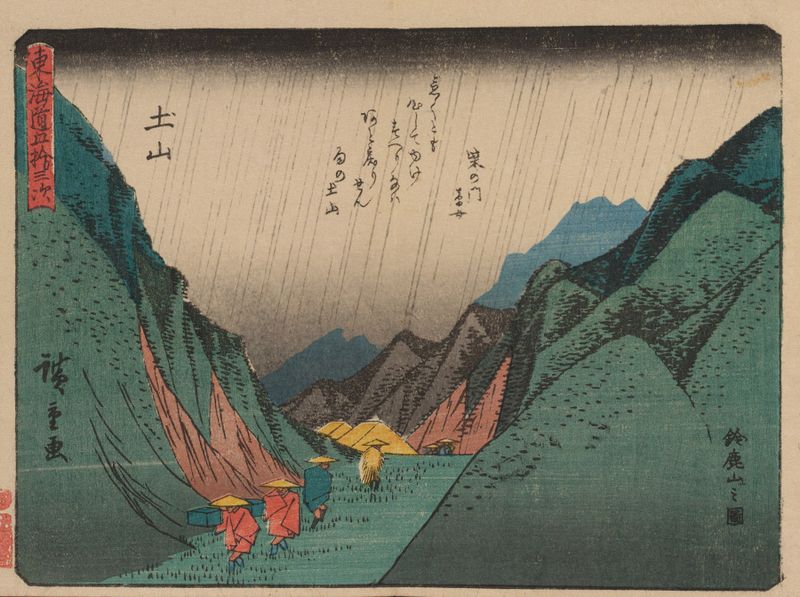
Tokaido gojusantsugi, Pl.50
Utagawa Hiroshige
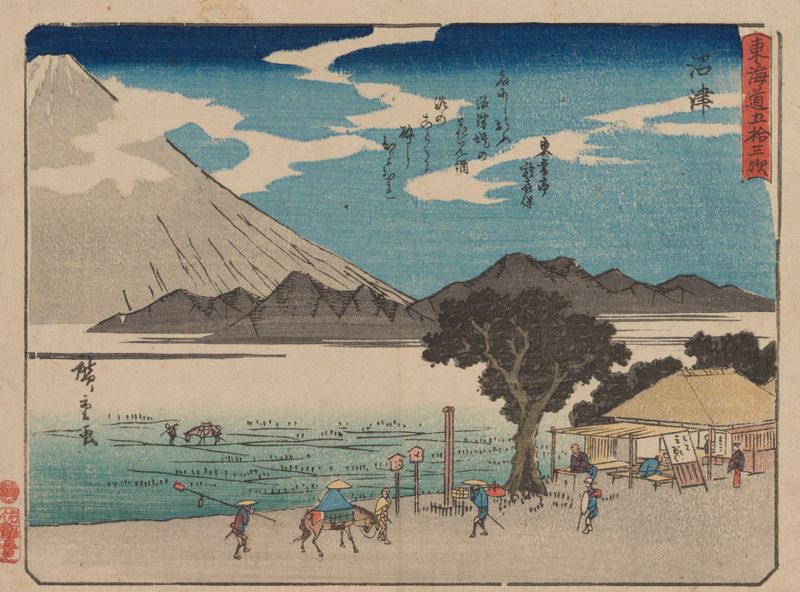
Tokaido gojusantsugi, Pl.13
Utagawa Hiroshige
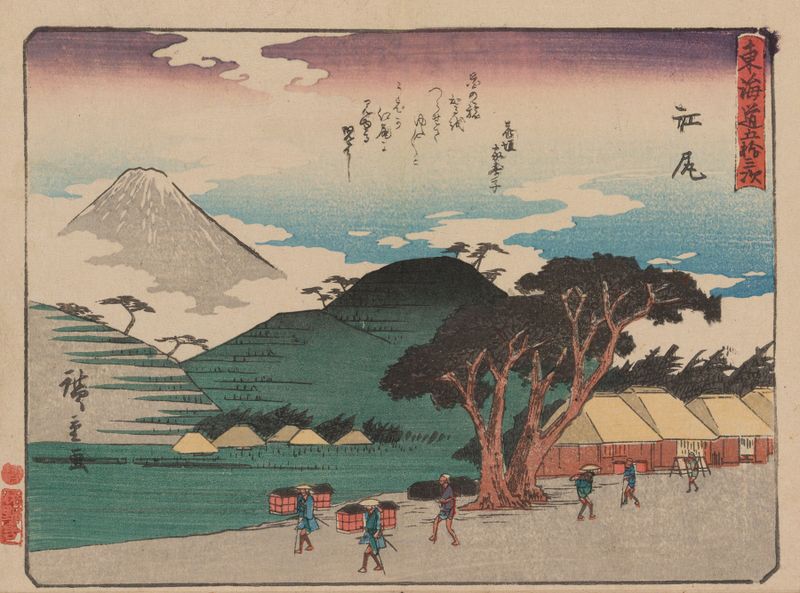
Tokaido gojusantsugi, Pl.19
Utagawa Hiroshige
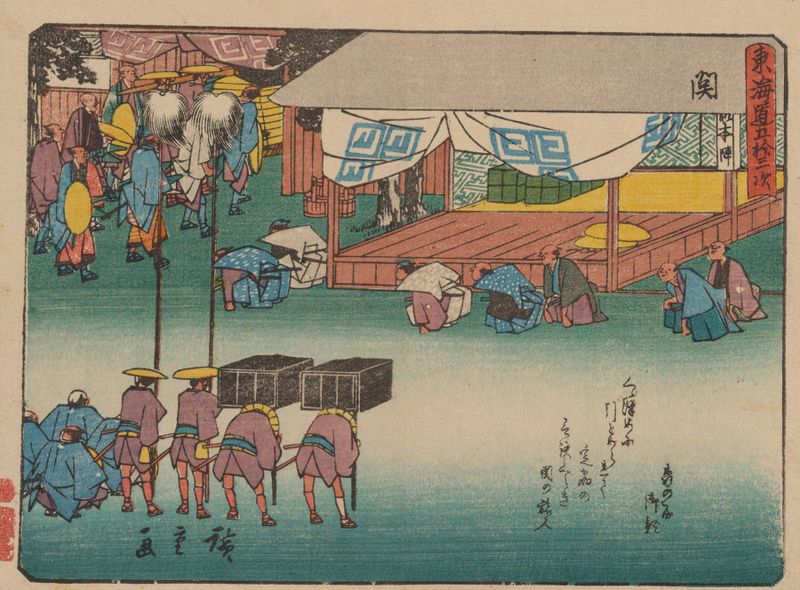
Tokaido gojusantsugi, Pl.48
Utagawa Hiroshige
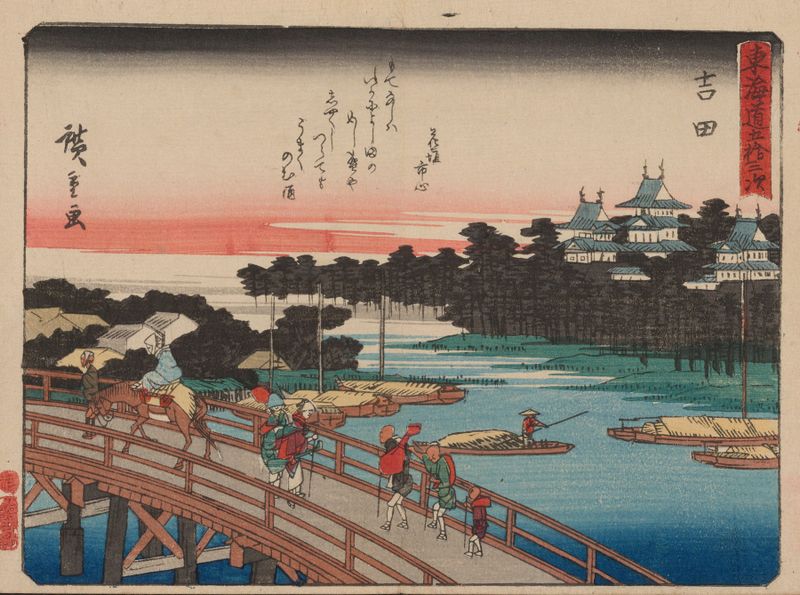
Tokaido gojusantsugi, Pl.35
Utagawa Hiroshige
Tokaido gojusantsugi, Pl.49
Utagawa Hiroshige





