
On the Brenta — History & Facts
Where does light end, and longing begin? In On the Brenta, layers of luminous color weave a narrative that transcends mere observation, inviting contemplation of truth and beauty in harmony. Look to the left at the delicate interplay of sunlight glinting off the water’s surface, setting a shimmering path that draws the eye towards the horizon. Notice how the artist employs soft brushstrokes in varying shades of blue and green, creating a lush landscape that feels alive and breathing. A delicate arch of trees frames the waterway, the reflections in the gently rippling surface inviting viewers to ponder the depths beneath the placid exterior. As you gaze deeper into the canvas, observe the serene juxtaposition of stillness and movement.
The boats, though anchored, seem poised as if about to glide forward, embodying a yearning for freedom. The gentle whispers of the wind captured through the trees speak of stories untold, while the fading light evokes a sense of nostalgia, preparing the viewer for the inevitable transition from day to night—a metaphor for life's fleeting moments. In 1913, the artist was immersed in the vibrant art scene of early 20th-century Europe, painting in Italy where the beauty of the landscape inspired his work. At this time, MacLaughlan sought to capture the essence of light and its transformative power, reflecting the broader movements in art towards impressionism and a focus on impression over detail.
His approach in On the Brenta stands as a testament to this evolution, merging nature's truth with human emotion.
More Artworks by Donald Shaw MacLaughlan
Browse all →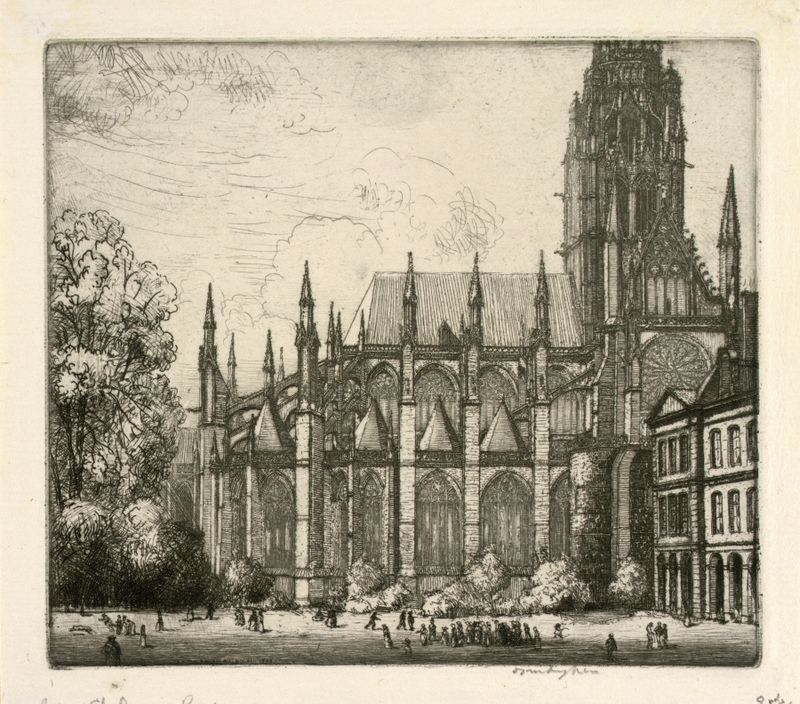
Saint-Ouen, Rouen
Donald Shaw MacLaughlan

Ruelle des Pigeons, Rouen
Donald Shaw MacLaughlan
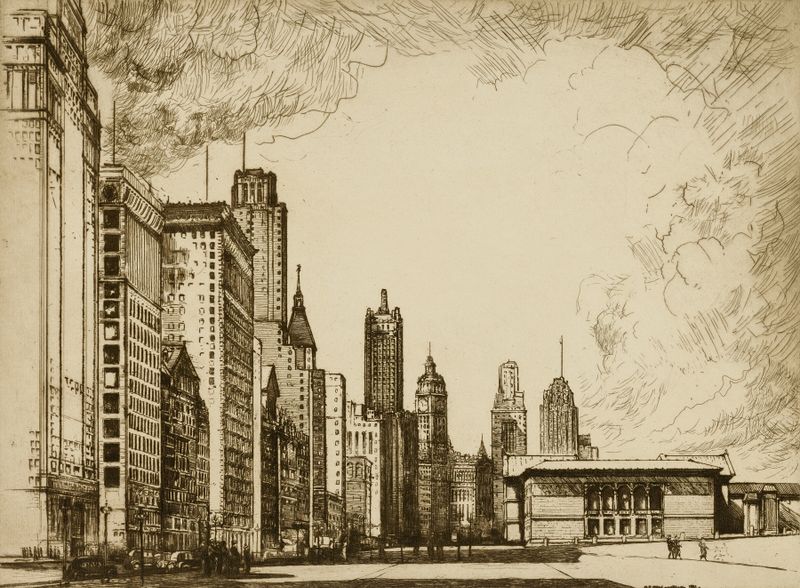
Chicago, Michigan Avenue no. 2
Donald Shaw MacLaughlan
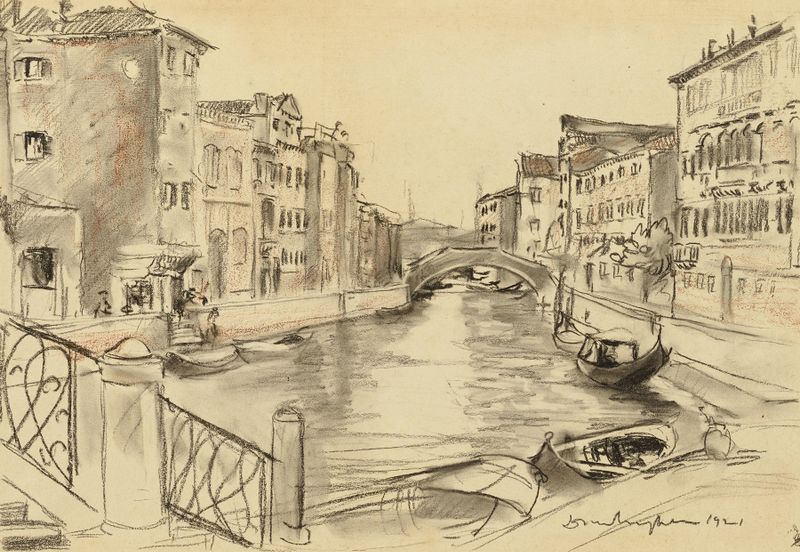
A Canal at Venice
Donald Shaw MacLaughlan
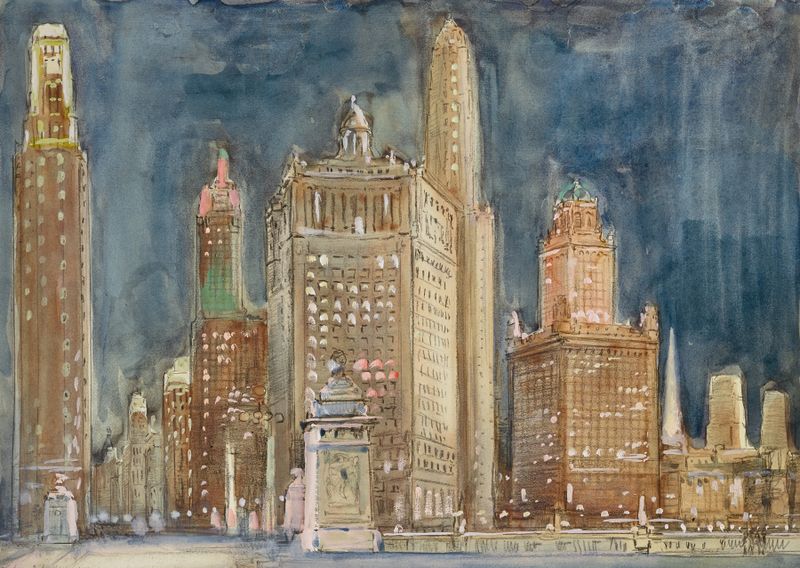
Chicago, London Guaranty Building
Donald Shaw MacLaughlan
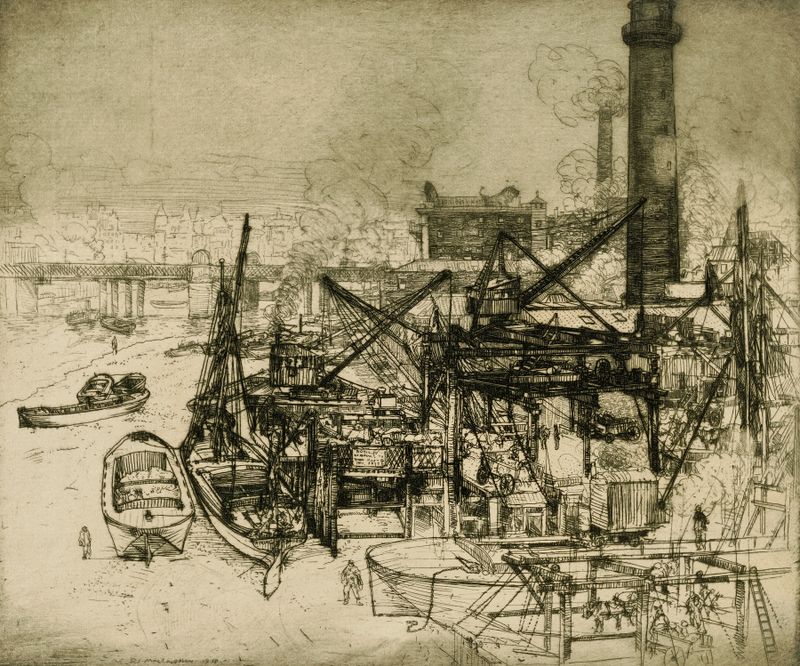
Chimneys and Cranes on the Thames
Donald Shaw MacLaughlan

London on the Thames
Donald Shaw MacLaughlan
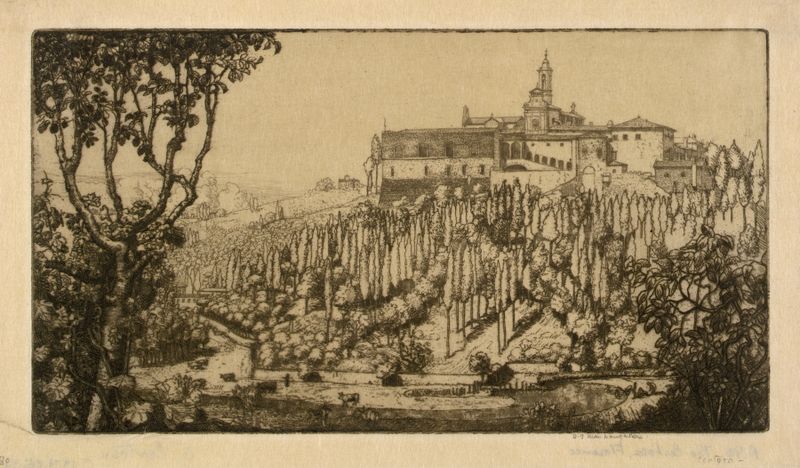
The Certosa, Florence
Donald Shaw MacLaughlan
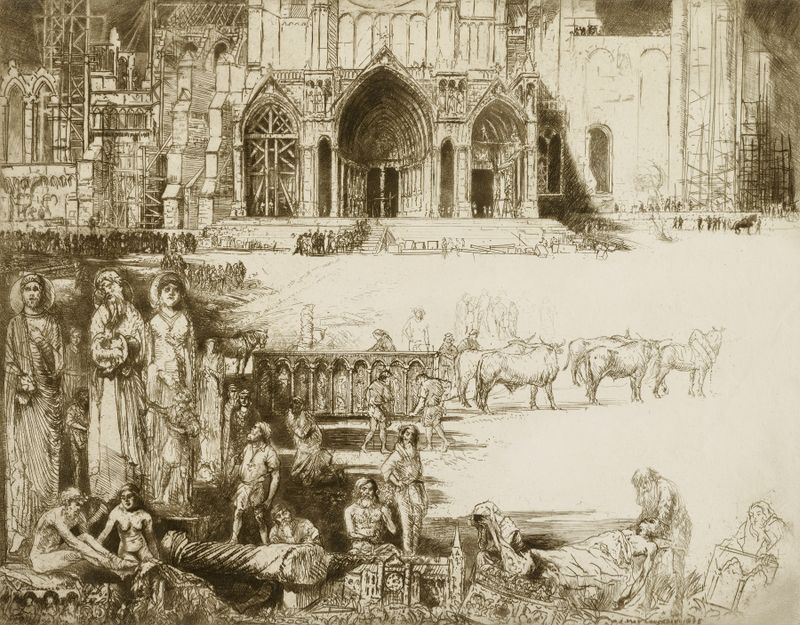
The Builders of Chartres Cathedral
Donald Shaw MacLaughlan

The Canal Life, Venice
Donald Shaw MacLaughlan





