On The Lower Rhine — History & Facts
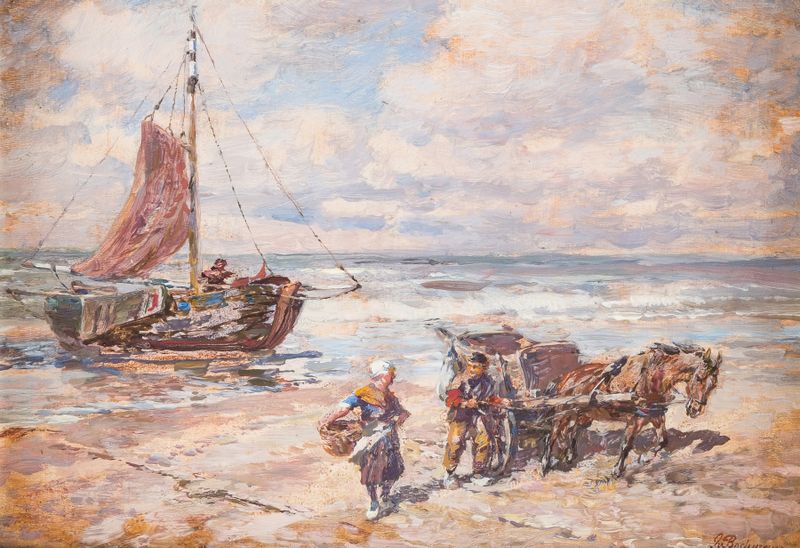
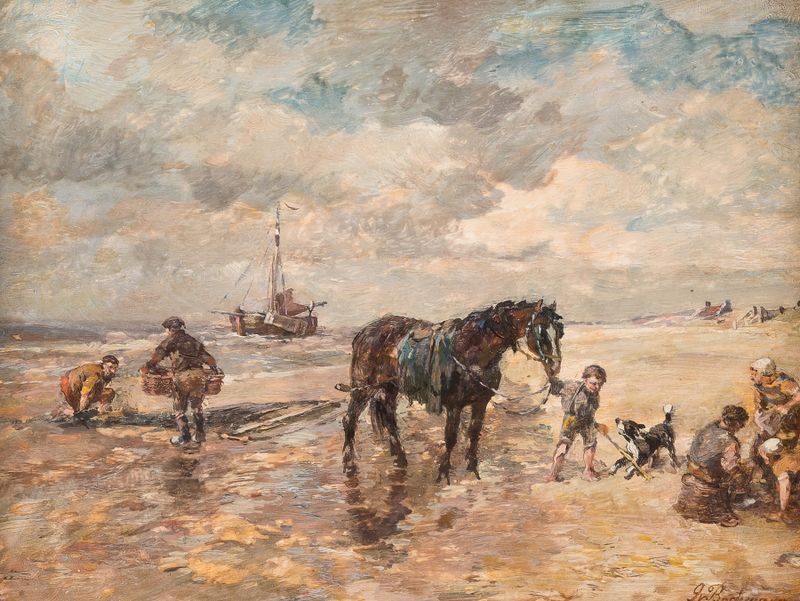
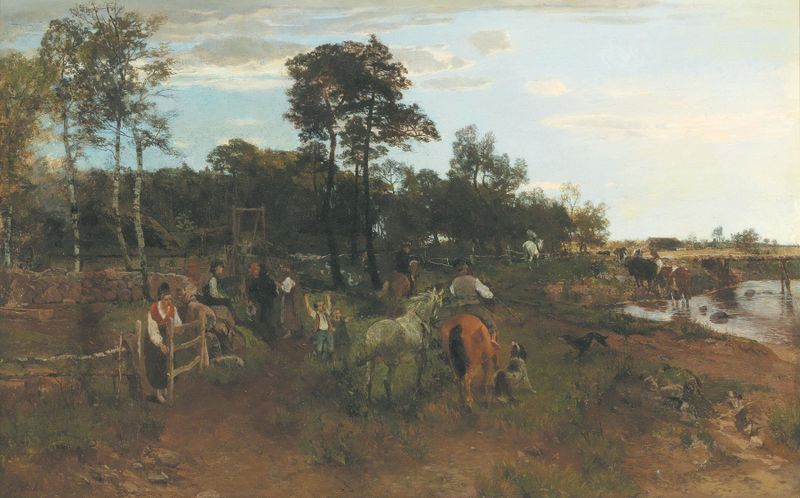
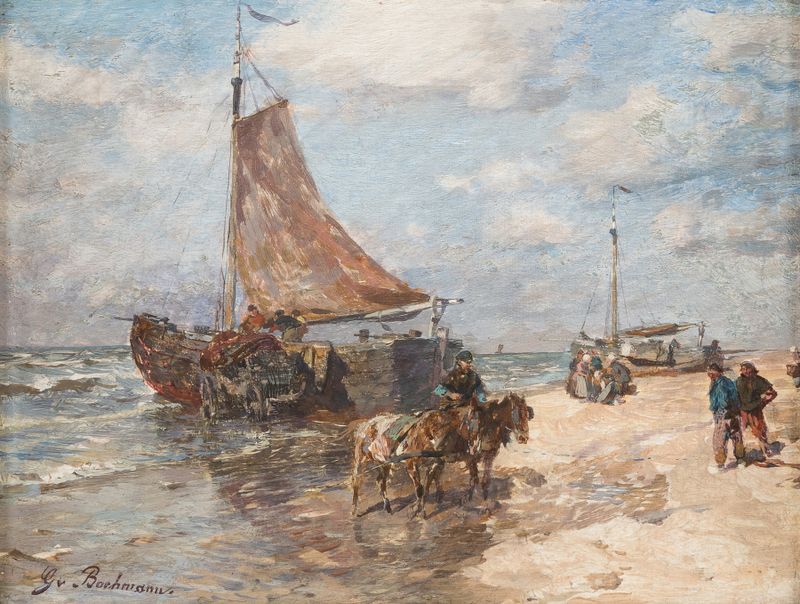
What if silence could speak through light? In On The Lower Rhine, the interplay of ethereal hues and soft forms evokes an innocence that transcends mere observation, inviting us to listen closely. Look to the gentle curves of the river, flowing from the left edge of the canvas. The subtle blues and greens blend seamlessly, creating a harmonious composition that draws the eye to the tranquil water. Notice how the light falls upon the surface, glistening like whispers of the past, while the distant trees, cloaked in misty shadows, suggest a serene retreat into nature.
Here, the artist employs a delicate touch, with pastel shades that breathe a sense of calmness into the scene. As you delve deeper, consider the enigmatic presence of the figures along the shore. Their silhouettes are mere echoes against the landscape, representing fleeting moments of joy and connection. The contrast between their stillness and the flowing water embodies a tension between the transitory and the eternal, urging viewers to reflect on the fragility of innocence.
Each brushstroke seems to resonate with the weight of unspoken thoughts, an invitation to explore the deeper layers of human experience amidst nature's embrace. Created in 1910, this piece arrived during a transformative period for Gregor von Bochmann, who was refining his style within the vibrant world of German Impressionism. At this time, he was living in the Rhineland, a region that provided ample inspiration, as industrialization began to reshape the landscape. Bochmann's fascination with light and color flourished as he sought to capture both the beauty of his surroundings and the essence of human emotion, finding solace in nature amid the tumultuous changes of the era.