
On the Thames at Barnes — History & Facts
In the quiet embrace of the Thames, nature and humanity intertwine, captured in fleeting moments that speak to the heart's obsessions. Look to the left at the gentle curve of the riverbank, where lush greenery dances with the light, creating a tapestry of deep greens and soft browns. The brushwork is delicate yet assured, coaxing forth textures that feel almost tactile. Notice how the dappled sunlight filters through the leaves, casting playful shadows on the water's surface, while boats quietly glide by, their reflections whispering secrets of the past.
The composition is inviting, luring the viewer into a tranquil sanctuary, yet the vibrant palette pulses with an undercurrent of longing. There’s a poignant contrast between the serene landscape and the subtle signs of human encroachment. The presence of the boats suggests a life continually in motion, hinting at the conflicts between nature and progress. Each stroke carries the weight of memory and desire, revealing an obsession with capturing the transitory beauty of the scene.
Look closely at the figures depicted—they seem to exist in a world of contemplation, their gaze lost in thought, suggesting a deeper yearning for connection with both nature and each other. In 1773, the artist found inspiration along the banks of the Thames, amid the Enlightenment's fervor for observation and representation of the natural world. At this time, Grimm was deeply engaged in landscape painting, focusing on capturing the essence of rural life and the elegance of the English countryside. His work reflects not only personal passion but also the broader artistic movements of the era, as landscapes became a vehicle for exploring the relationship between humanity and nature.
More Artworks by Samuel Hieronymus Grimm
Browse all →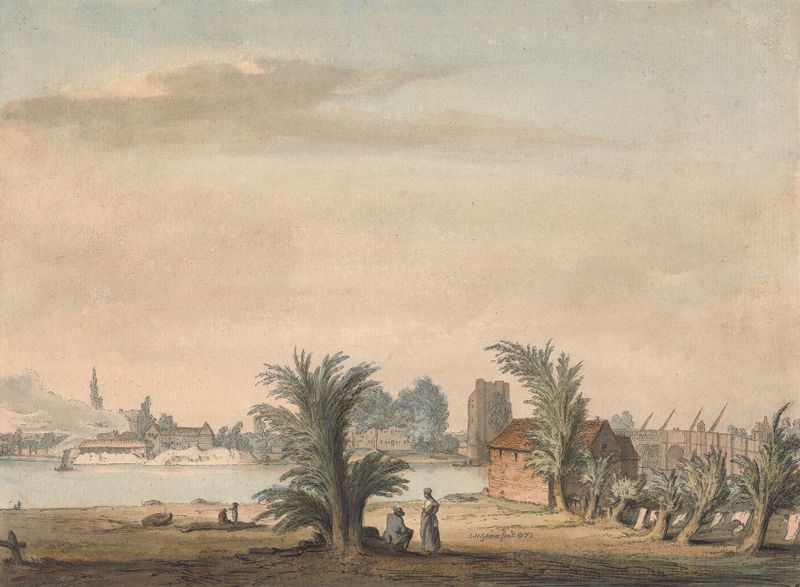
Putney Church and Bridge
Samuel Hieronymus Grimm

Between Chiswick and Brentford
Samuel Hieronymus Grimm
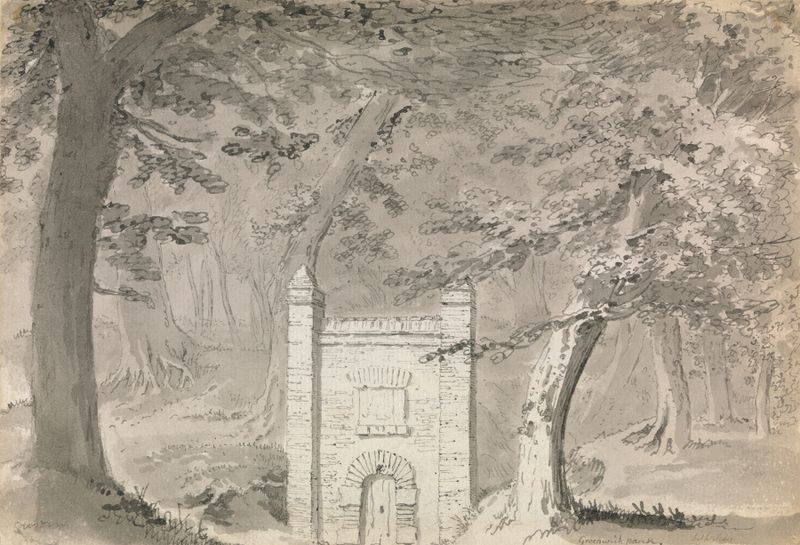
Greenwich Park
Samuel Hieronymus Grimm
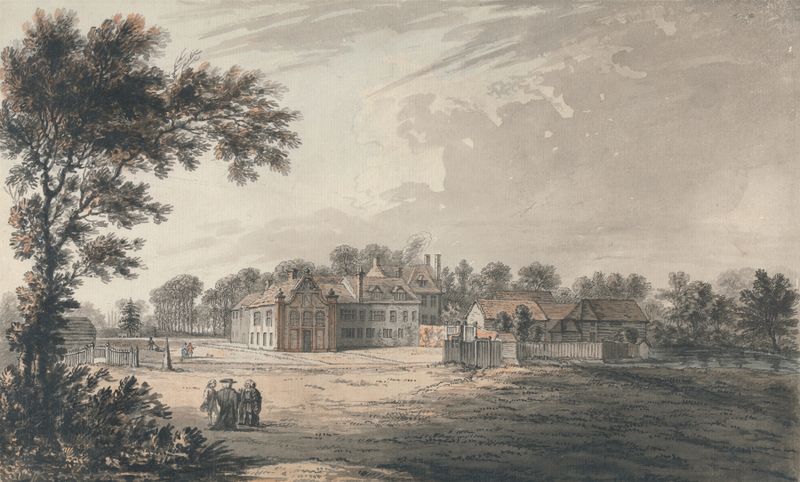
The Bishop’s Palace, Bromley
Samuel Hieronymus Grimm

View of a Village alongside a River
Samuel Hieronymus Grimm
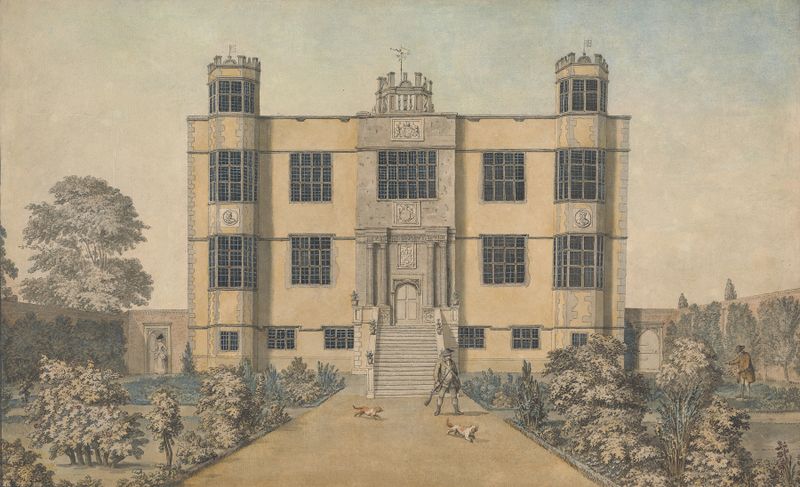
Barlborough Hall, near Chesterfield, Derbyshire; the Main Front of the Hall
Samuel Hieronymus Grimm

Haverfordwest, Pembrokeshire
Samuel Hieronymus Grimm
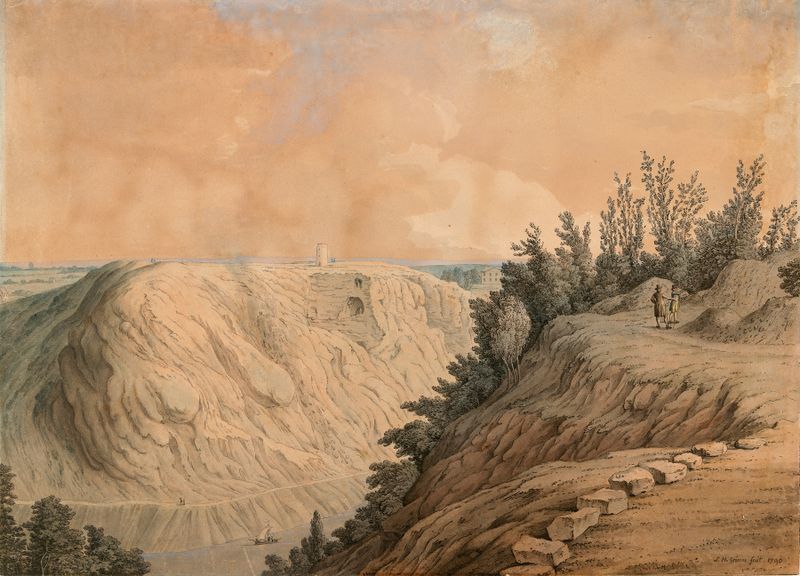
Saint Vincent’s Rock and Cave (The Giant’s Hole) on the River Avon, Somerset
Samuel Hieronymus Grimm

The Gatehouse, Reading Abbey
Samuel Hieronymus Grimm
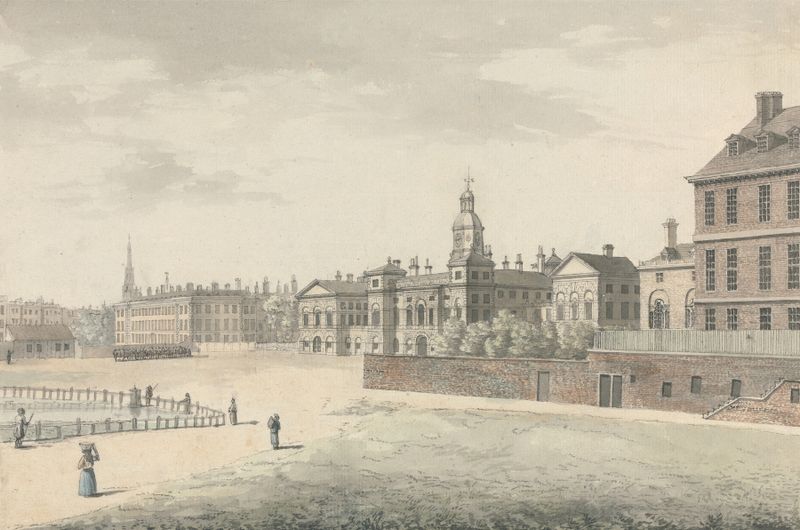
The Horse Guard’s Parade, Whitehall
Samuel Hieronymus Grimm





