
Saint Vincent’s Rock and Cave (The Giant’s Hole) on the River Avon, Somerset — History & Facts
Did the painter know this moment would outlive them? A fleeting breath of light captured on canvas, forever illuminating the wild, rugged beauty of nature. Look to the left where towering cliffs rise dramatically, casting shadows over the shimmering waters of the River Avon. The gentle strokes of soft greens and earthy browns create a harmonious balance, while dappled sunlight dances upon the surface, inviting the eye to wander. Notice how the foreground brims with texture and detail, drawing you closer to the jagged rocks, as you are enveloped by the tranquil yet powerful presence of nature. Amidst the serene landscape, a stark contrast emerges between the steadfast cliffs and the flowing river, echoing the tension between permanence and transience.
The interplay of light and shadow not only defines the contours of the rocks but also symbolizes the ephemeral nature of time. The delicate wisps of cloud above suggest a momentary stillness, a pause in the endless cycle of rush and retreat, where peace resides in the heart of the wild. In 1790, Samuel Hieronymus Grimm painted this piece during a period of profound change in the art world, characterized by a growing interest in natural landscapes. Living in England, he was influenced by the Romantic movement, which emphasized emotion and the sublime aspects of nature.
As he painted, he was surrounded by both the picturesque beauty of the British countryside and the ripple effects of the Enlightenment, which encouraged exploration and appreciation of the natural world.
More Artworks by Samuel Hieronymus Grimm
Browse all →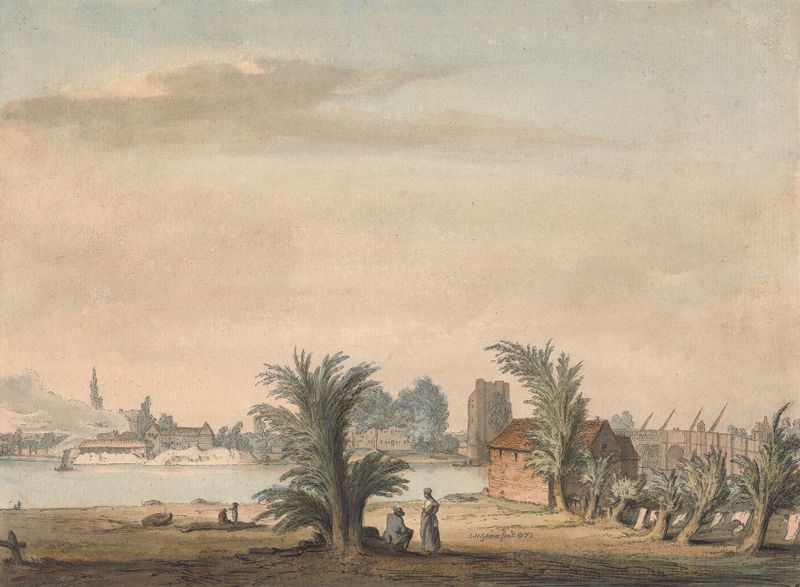
Putney Church and Bridge
Samuel Hieronymus Grimm

Between Chiswick and Brentford
Samuel Hieronymus Grimm
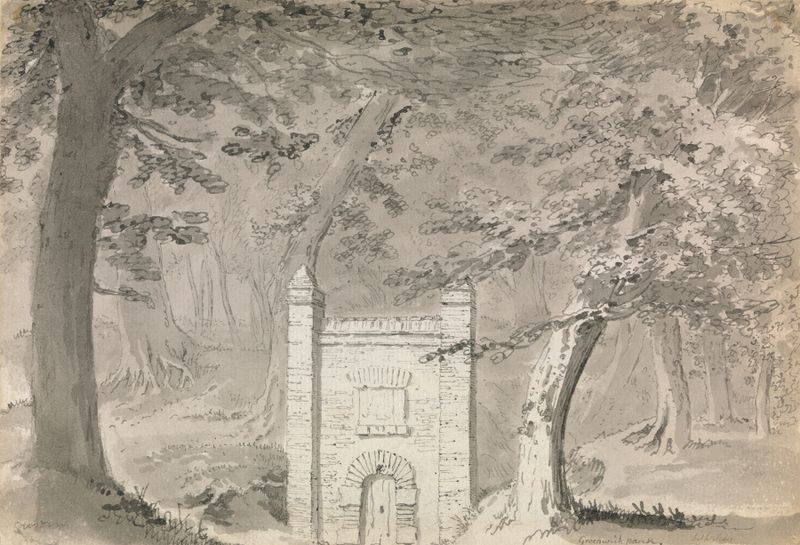
Greenwich Park
Samuel Hieronymus Grimm
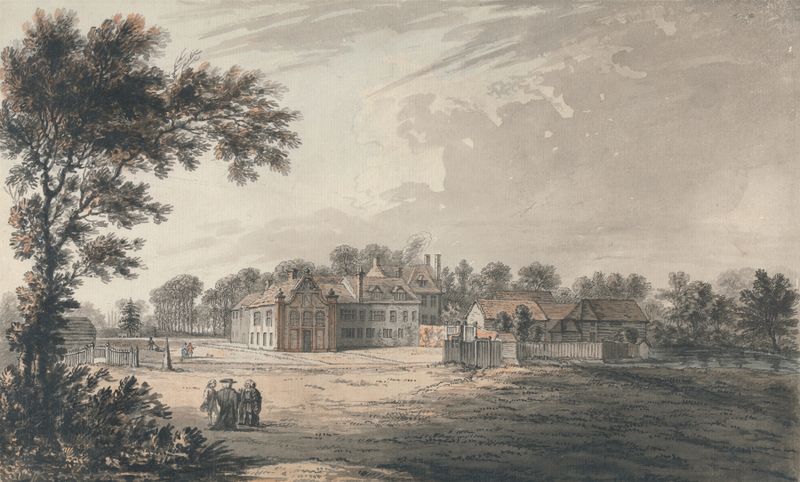
The Bishop’s Palace, Bromley
Samuel Hieronymus Grimm
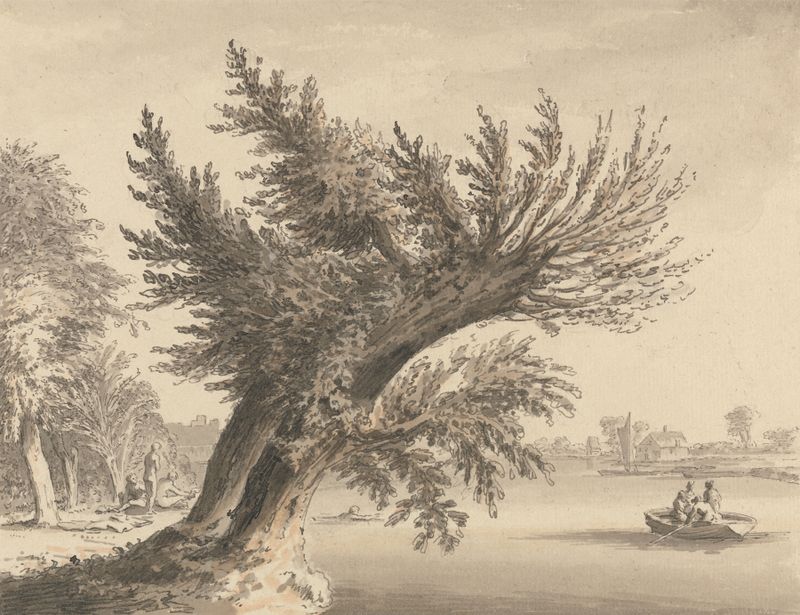
On the Thames at Barnes
Samuel Hieronymus Grimm

View of a Village alongside a River
Samuel Hieronymus Grimm
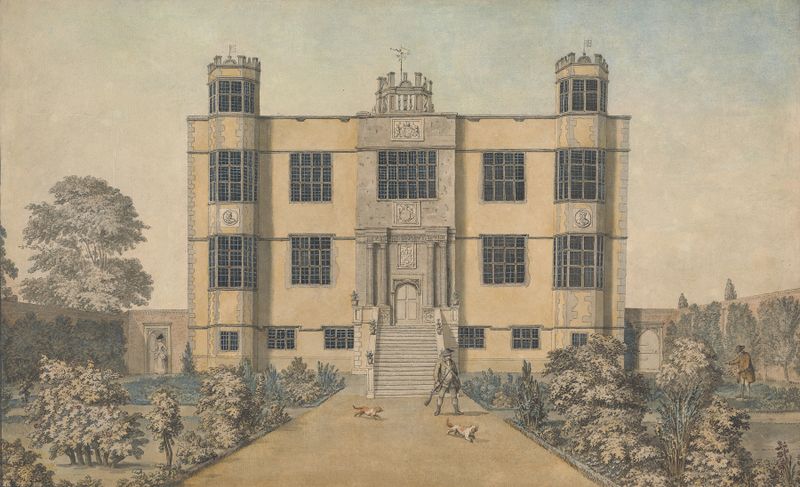
Barlborough Hall, near Chesterfield, Derbyshire; the Main Front of the Hall
Samuel Hieronymus Grimm

Haverfordwest, Pembrokeshire
Samuel Hieronymus Grimm

The Gatehouse, Reading Abbey
Samuel Hieronymus Grimm
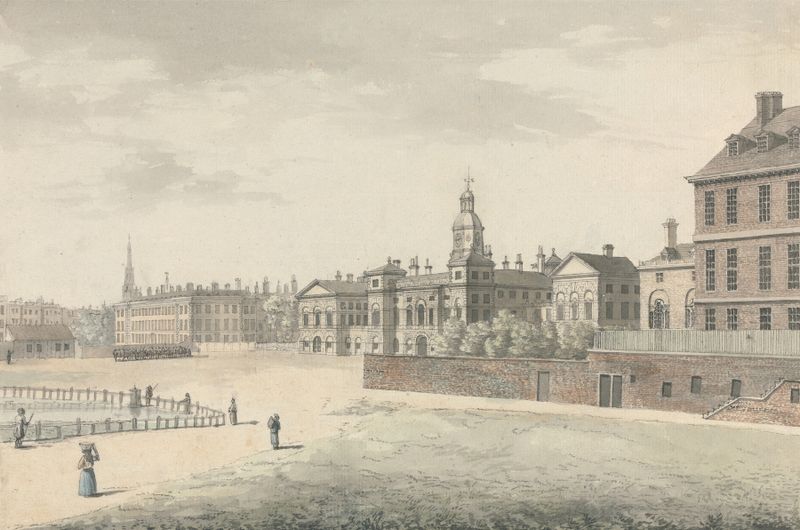
The Horse Guard’s Parade, Whitehall
Samuel Hieronymus Grimm





