
One-Eyed Karelian — History & Facts
What first seizes the viewer in One-Eyed Karelian is the unflinching directness of the sitter’s gaze—or rather, the gaze of his one seeing eye. The rough-hewn face, marked by the passage of time and hardship, emerges from a pale, almost clinical background that offers no distractions. The brushwork is brisk and confident, especially in the rendering of the man’s weathered skin and coarse hair, giving the portrait a sense of immediacy and presence.
The sitter’s coat and scarf, rendered in muted earth tones, place him in the world of the everyday, but it is the asymmetry of his eyes that draws us in: one alert and blue, the other clouded, hinting at stories untold. The artist’s signature, boldly inscribed, anchors the work in its moment of creation. Painted in 1879, this portrait belongs to a period when artists like Albert Edelfelt were turning their attention to the real people of their native landscapes, capturing not just likeness but character. In the late nineteenth century, such portraits were often created to document local types, preserve vanishing ways of life, or simply to study the human face in all its variety.
While history has kept few traces of this particular sitter, the work survives in the collection of the Vasa Art Association, a testament to the enduring power of close observation. Look again at the sitter’s face: every brushstroke is a record of a moment, a life, and an artist’s encounter with the world.
More Artworks by Albert Edelfelt

The Day of Rest
Albert Edelfelt
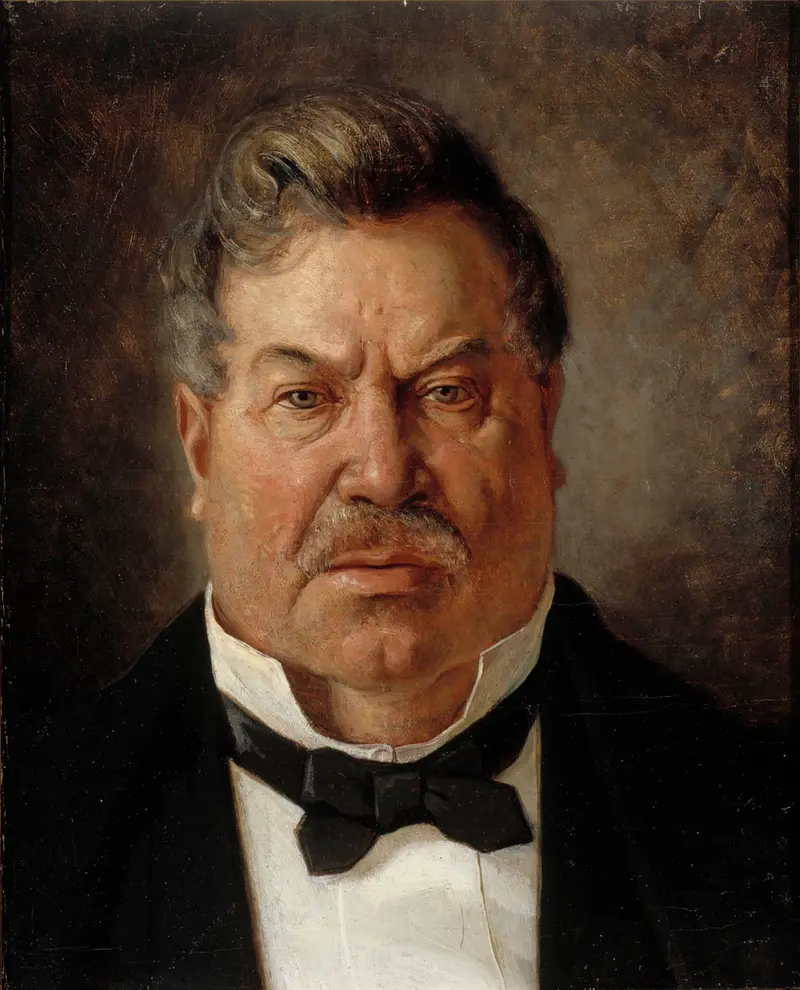
Portrait of August Streng
Albert Edelfelt
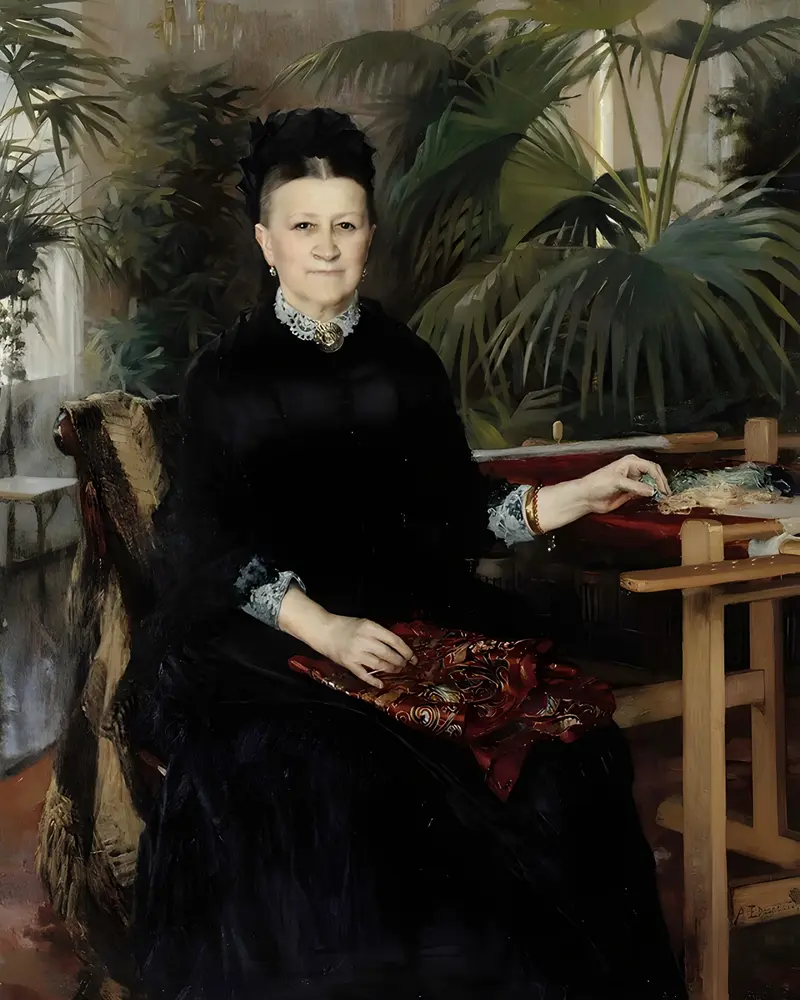
Portrait Of Mrs. Anna Sinebrychoff
Albert Edelfelt

The Poet, Larin Paraske
Albert Edelfelt

Parisian lady in a Peignoir
Albert Edelfelt
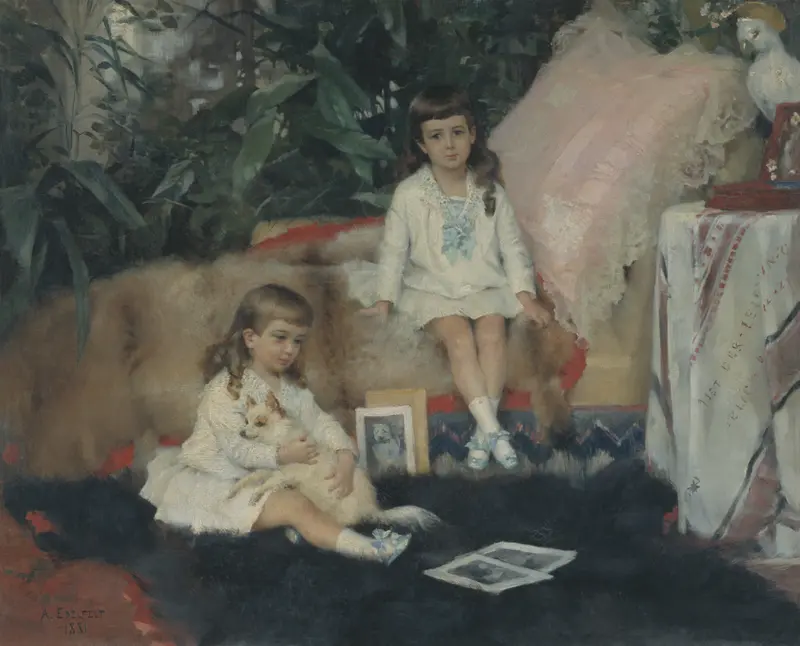
The Grand Dukes Boris and Kirill Vladimirovich as Children
Albert Edelfelt
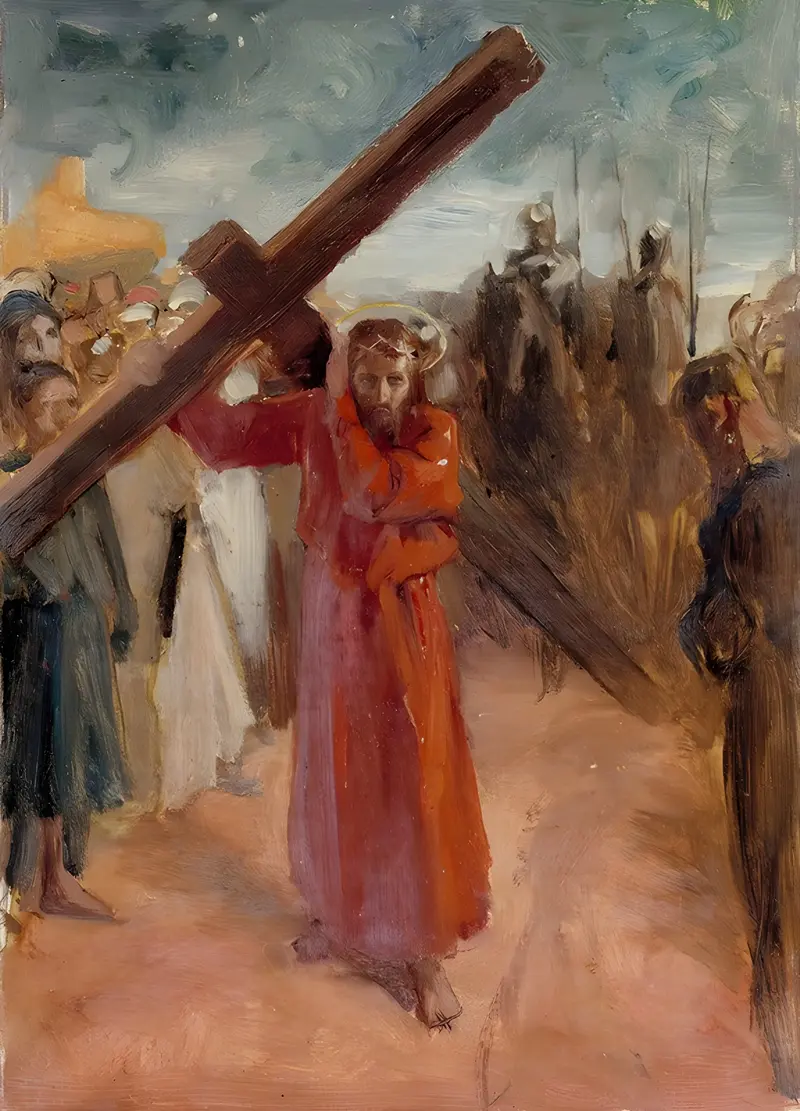
Christ Bears The Cross
Albert Edelfelt
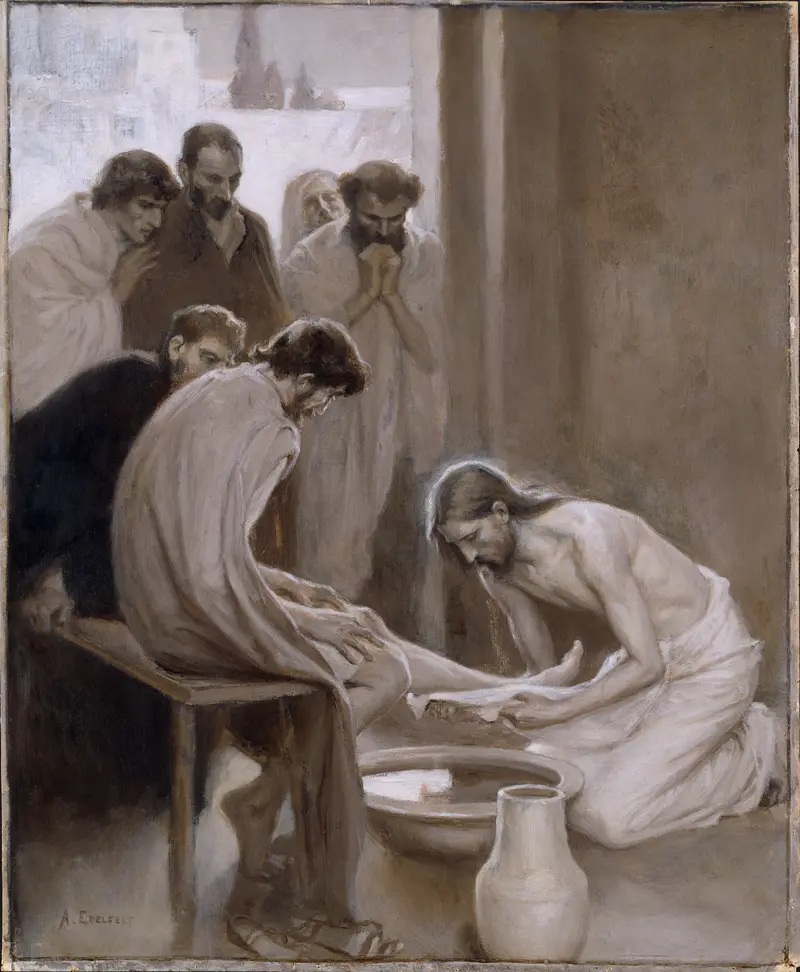
Jesus Washing the Feet of his Disciples
Albert Edelfelt

Larin Paraske with Kantele
Albert Edelfelt
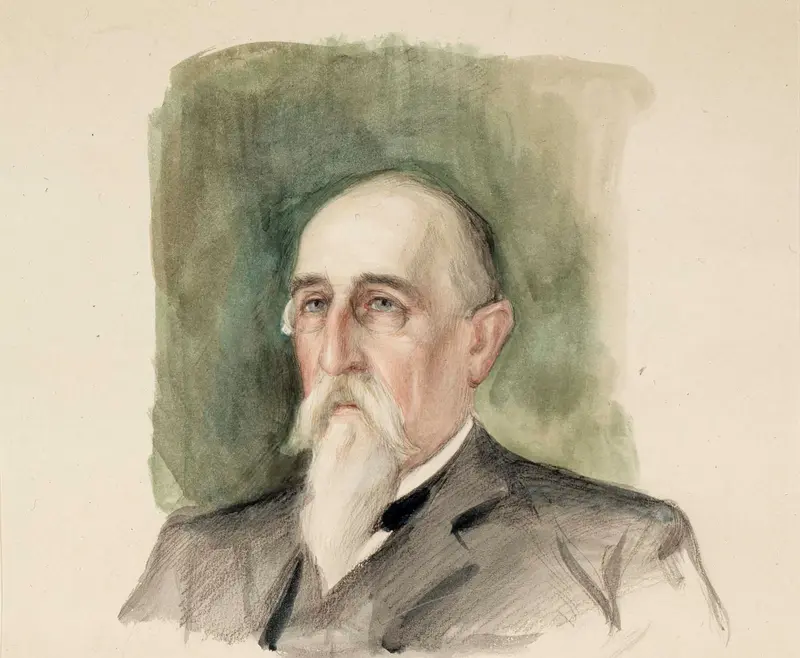
Leo Mechelin, Portrait Study
Albert Edelfelt





