
Ongeluk (Infortunio) — History & Facts
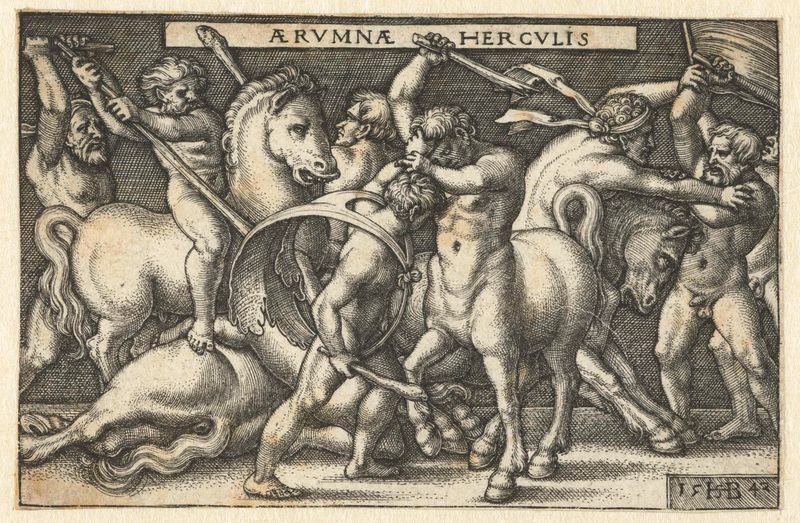
Did the painter know this moment would outlive them? In the tender embrace of light, Ongeluk (Infortunio) captures a fleeting tragedy, an echo of life’s most poignant struggles. Look closely at the central figure, fragile yet resolute, illuminated by a soft glow that emphasizes their vulnerability. The delicate interplay of shadow and light highlights the expressions of those surrounding, revealing silent pleas and whispered fears. The muted color palette, dominated by earthy tones, is pierced by splashes of brightness, drawing your gaze to the emotional core of the scene.
Notice how the tension in the figures’ gestures aligns them in a dance of despair, creating a palpable sense of urgency. Within the artwork, contrasts emerge that deepen its narrative: the ethereal light against the somber backdrop symbolizes hope amidst despair, while the finely detailed textures evoke both realism and a dreamlike quality. Each element—the stoic faces, the haunting expressions—reflects a collective human experience, a meditation on the inevitability of suffering. This moment, so intimately captured, invites contemplation on the fragility of existence and the shared journey of humanity. Created between 1510 and 1550, this work comes from the hand of Hans Sebald Beham, a notable figure of the German Renaissance.
Known for his intricate engravings, Beham was part of a larger movement that sought to blend the natural with the ideal, reflecting the complexities of life during a period of profound social and religious transformation. His ability to convey deep emotion through light and shadow marks Ongeluk as a testament to both his artistic skill and the human condition.
More Artworks by Hans Sebald Beham
Browse all →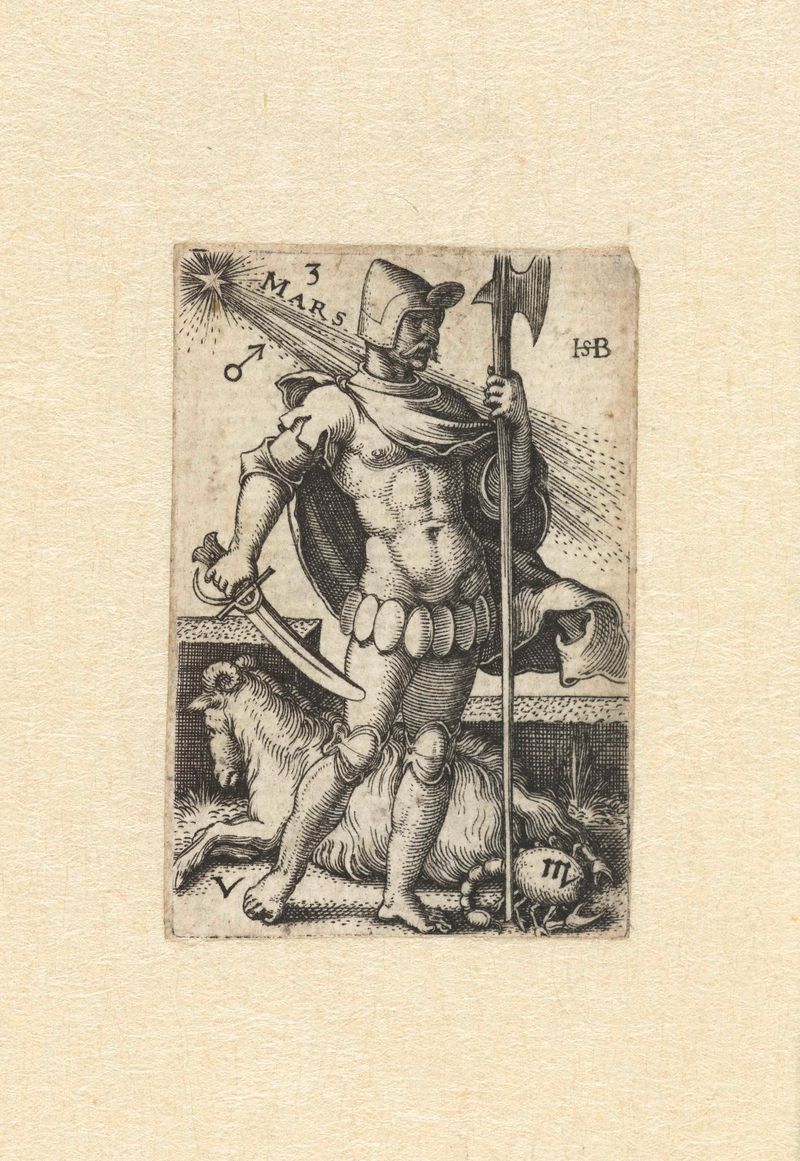
Mars met sterrenbeelden Ram en Schorpioen
Hans Sebald Beham

Achilles in gevecht met Hector
Hans Sebald Beham
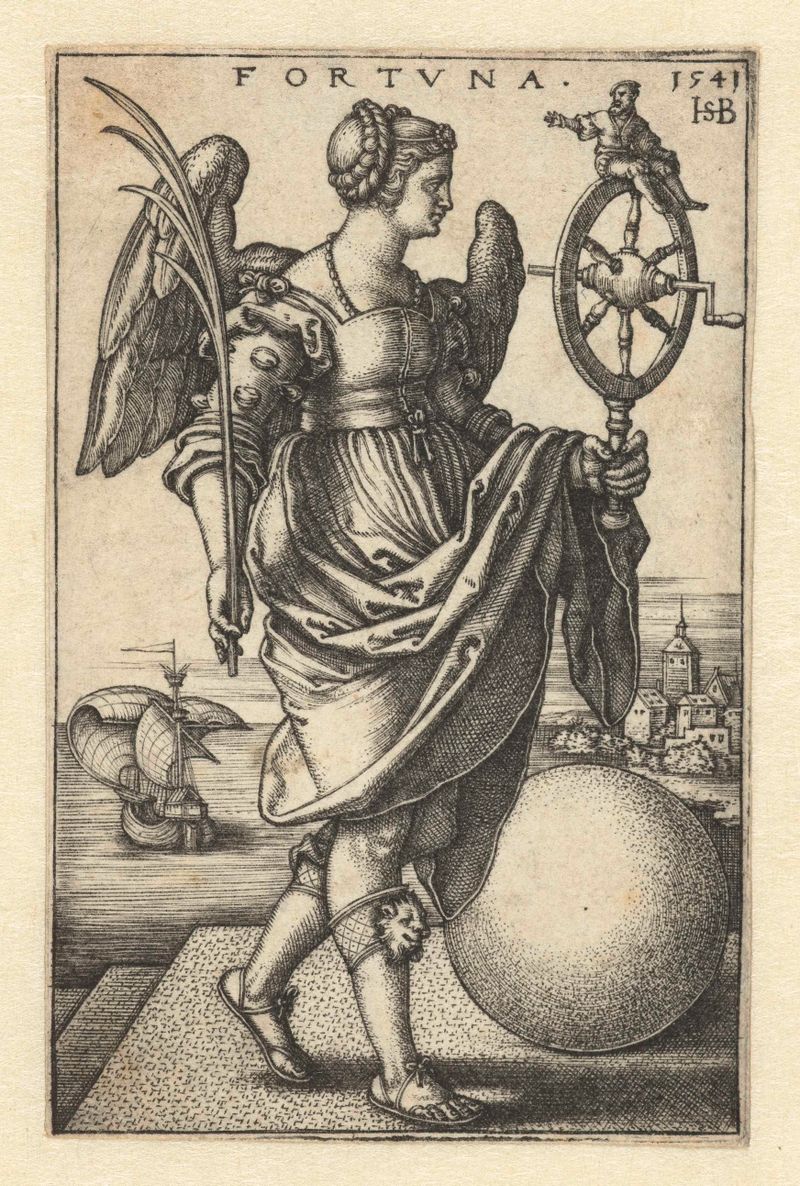
Fortuna
Hans Sebald Beham

Hercules worstelt met Antaeus
Hans Sebald Beham

Twee muzikanten met schalmey en doedelzak
Hans Sebald Beham

Voorzichtigheid (Prudentia)
Hans Sebald Beham

Hercules in gevecht met de Trojanen
Hans Sebald Beham
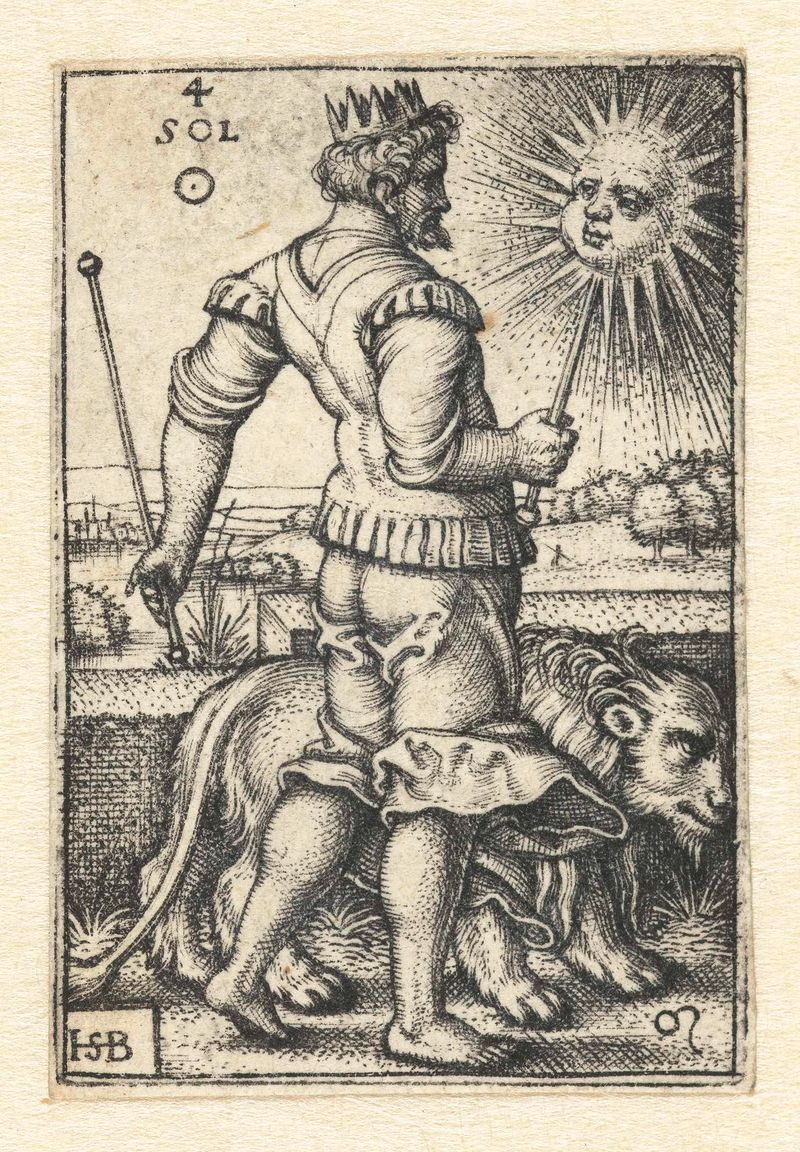
Apollo (Sol) met sterrenbeeld Leeuw
Hans Sebald Beham
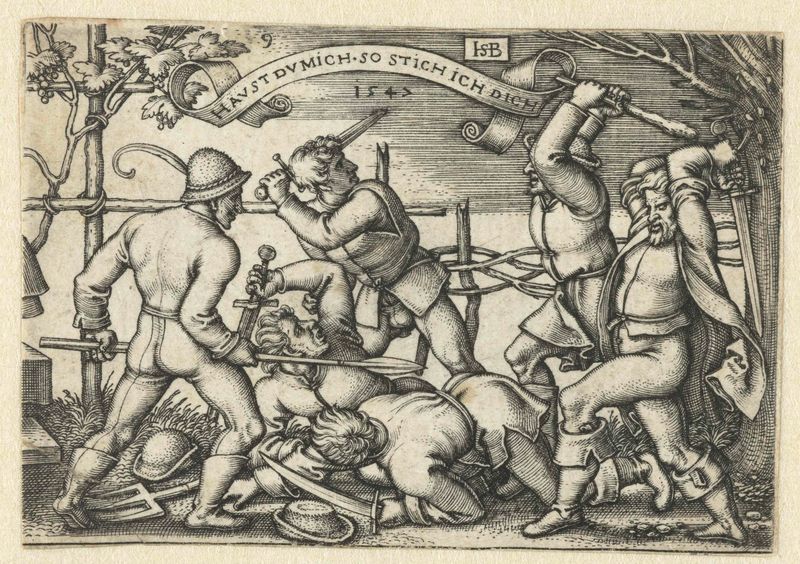
Vechtende boeren met zwaarden
Hans Sebald Beham
Hercules in gevecht met centaurs
Hans Sebald Beham





