Ongeluk (Infortunio) — History & Facts
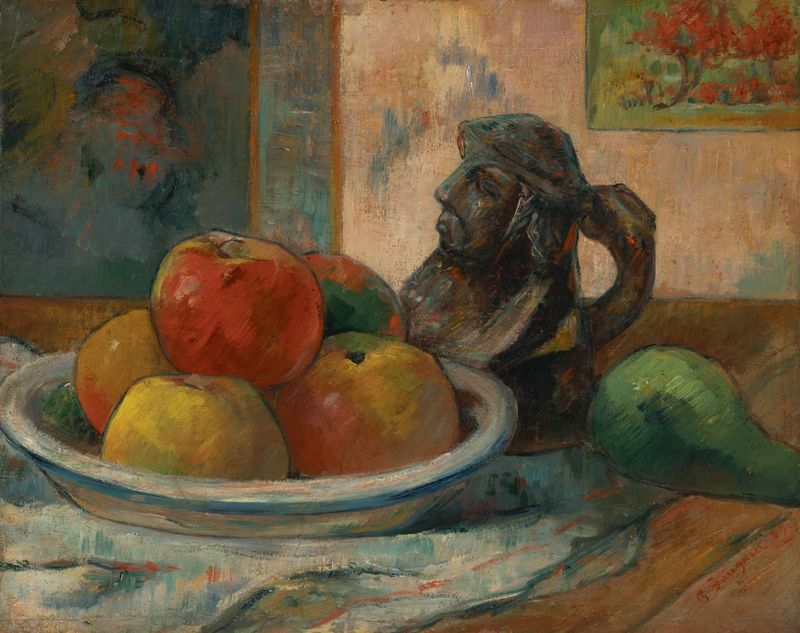
In the hands of the diligent artist, it transforms chaos into beauty, offering glimpses into a world layered with meaning and emotion. Focus first on the carefully arranged still life, where scraps of broken pottery lay juxtaposed against vibrant fruits. Notice how the light spills gently across the tableau, igniting the colors and creating shadows that dance delicately on the surface. The meticulous detailing of each object draws the eye, revealing Beham’s skillful brushwork and his ability to imbue the inanimate with a soft, haunting presence. Beneath this serene surface lies an undercurrent of tension, as the ruin of the shattered pottery hints at fragility and loss.
The luscious fruits, ripe and inviting, contrast sharply with the remnants of destruction, embodying the dual nature of existence—beauty and calamity intertwined. This dichotomy invites contemplation on the transient nature of life, urging viewers to reflect on their own experiences of beauty amid disaster. Created between 1510 and 1550, this work emerged during a time of great change in Europe, marked by the Renaissance's flourishing artistic and intellectual currents. Beham, a prominent figure within the German Renaissance, often explored themes of morality and beauty in his pieces.
His still lifes, deeply rooted in the human experience, reflect not just the aesthetics of the time but also the complexities of human existence, mirroring societal shifts and personal introspection.
More Artworks by Hans Sebald Beham
Browse all →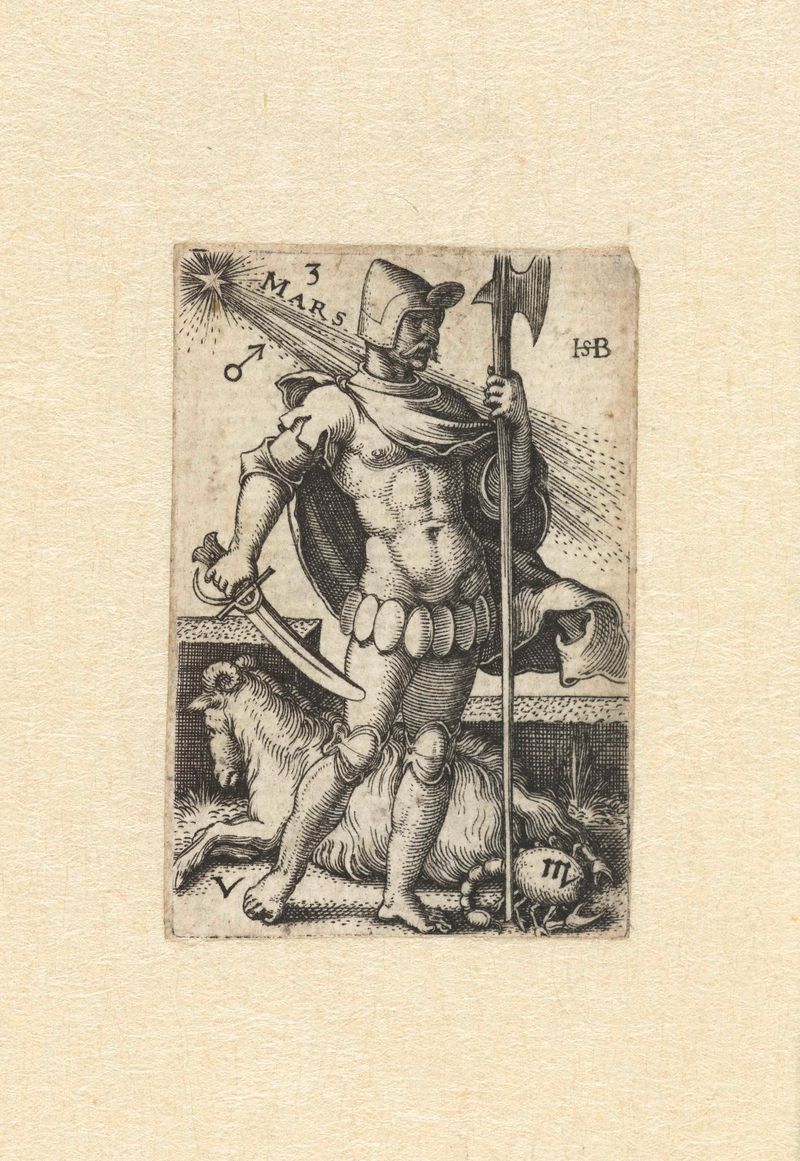
Mars met sterrenbeelden Ram en Schorpioen
Hans Sebald Beham

Achilles in gevecht met Hector
Hans Sebald Beham
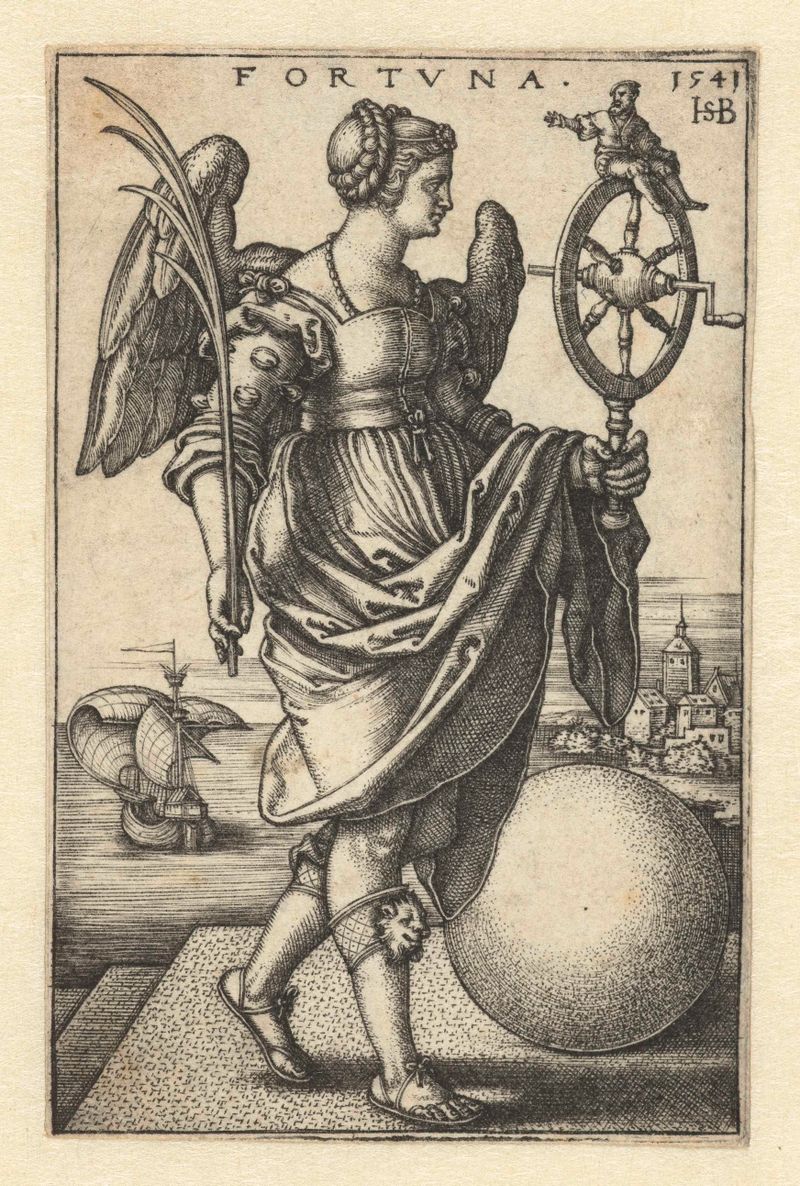
Fortuna
Hans Sebald Beham

Hercules worstelt met Antaeus
Hans Sebald Beham

Twee muzikanten met schalmey en doedelzak
Hans Sebald Beham

Voorzichtigheid (Prudentia)
Hans Sebald Beham

Hercules in gevecht met de Trojanen
Hans Sebald Beham
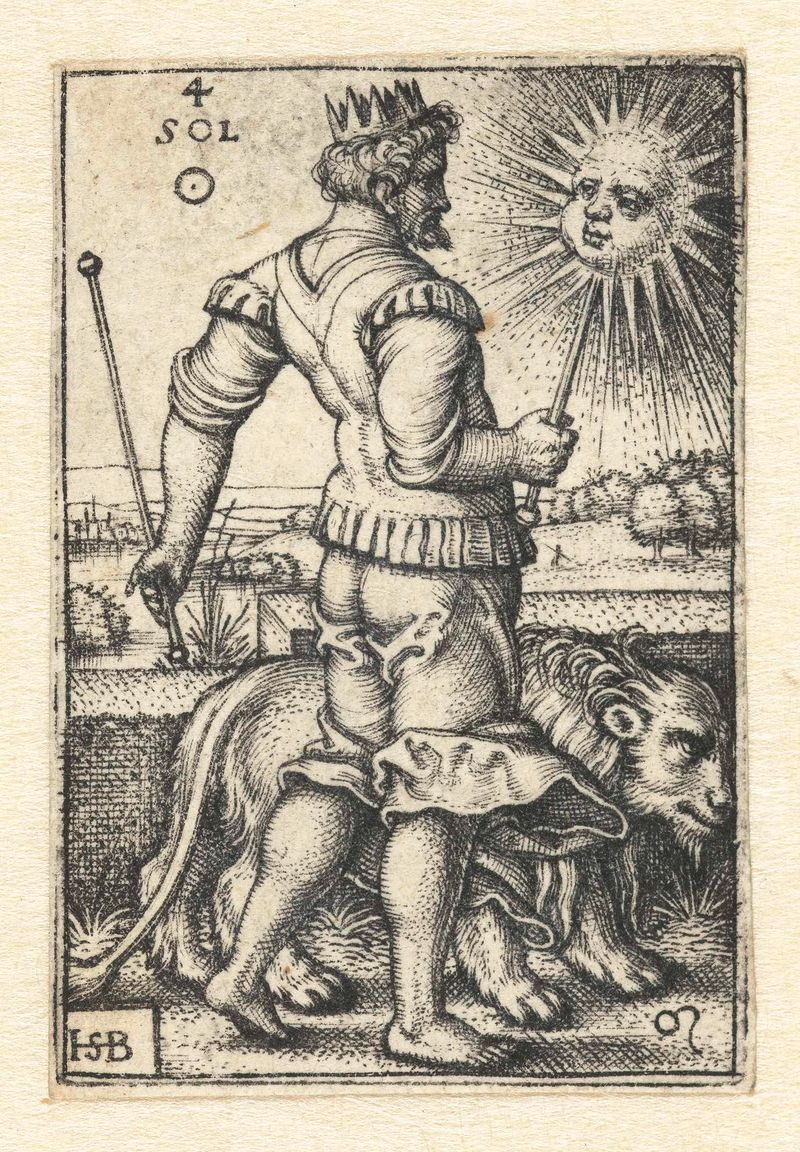
Apollo (Sol) met sterrenbeeld Leeuw
Hans Sebald Beham
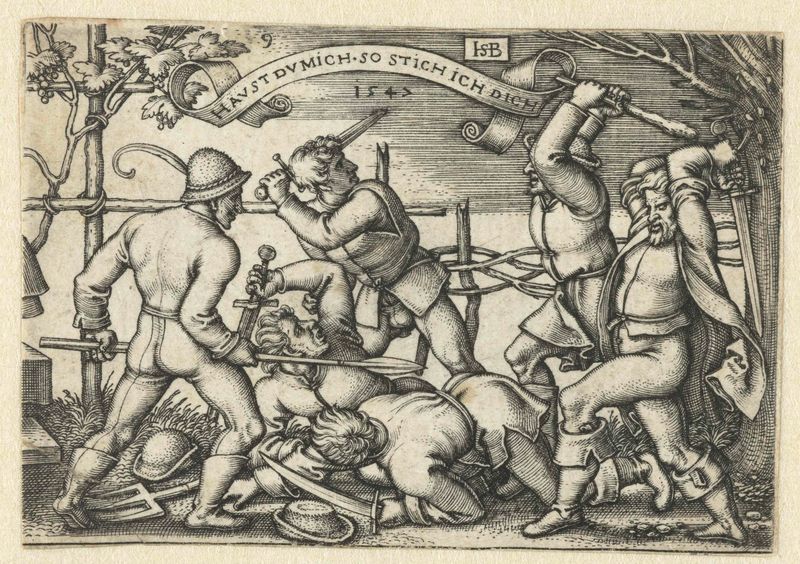
Vechtende boeren met zwaarden
Hans Sebald Beham
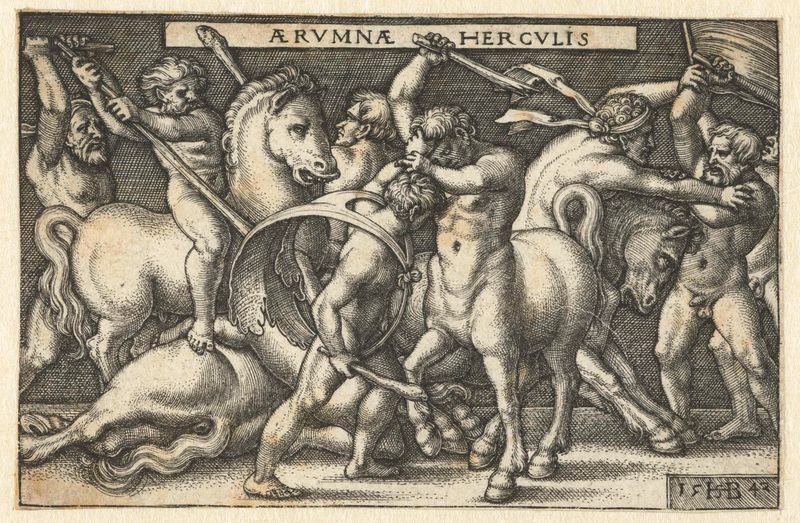
Hercules in gevecht met centaurs
Hans Sebald Beham