
Onmogelijkheid — History & Facts
In the realm of dreams, contradictions weave the fabric of existence, inviting us to explore the impossible depths of our subconscious. In Hans Sebald Beham's Onmogelijkheid, an ethereal landscape emerges, challenging our perception of reality and the boundaries of the human experience. Look to the center where the delicate interplay of shadow and light creates a hauntingly beautiful horizon, drawing the eye into an enigmatic expanse. This is where the artist’s meticulous attention to detail manifests, revealing intricate lines and forms that bob and weave like whispers caught in a gentle breeze.
The muted palette of earthy tones interspersed with celestial blues evokes a sense of mystery, while the fragmented shapes hint at a world both familiar and alien, reminiscent of a dream that lingers just beyond our grasp. As your gaze travels, notice the juxtaposition of the serene background against the chaotic foreground, suggesting a deep emotional tension. The ethereal figures seem to float, trapped between the realms of the tangible and the intangible, representing the conflict between aspiration and despair. Each element holds significance; the erratic lines mirror the chaotic nature of dreams, while the stillness of the landscape evokes a profound sense of longing. In 1549, Beham was navigating the complex artistic landscape of the Northern Renaissance, a time marked by the transition from medieval themes to more humanistic expressions.
Working in Nuremberg, he was deeply influenced by his contemporaries, yet sought to carve out a personal vision that reflected both societal upheaval and the intricacies of human emotion. This work encapsulates that journey, inviting viewers to ponder the nature of impossibility within their own dreams.
More Artworks by Hans Sebald Beham
Browse all →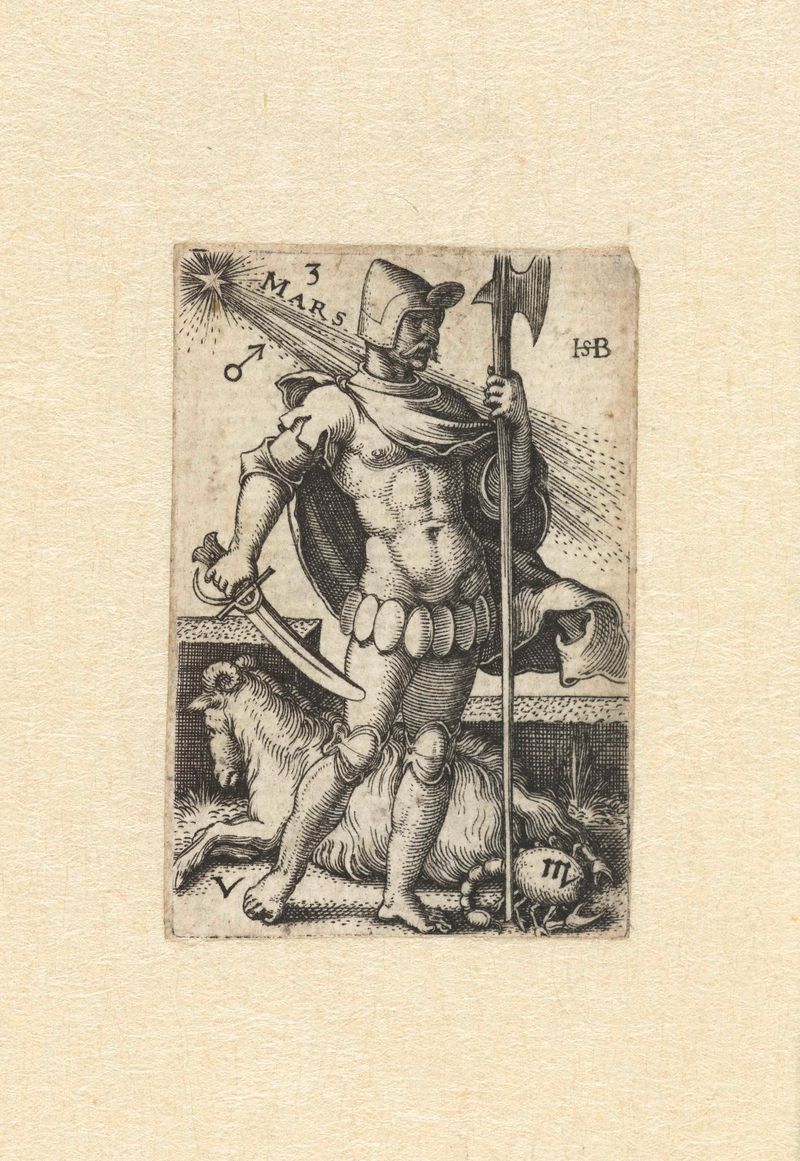
Mars met sterrenbeelden Ram en Schorpioen
Hans Sebald Beham

Achilles in gevecht met Hector
Hans Sebald Beham
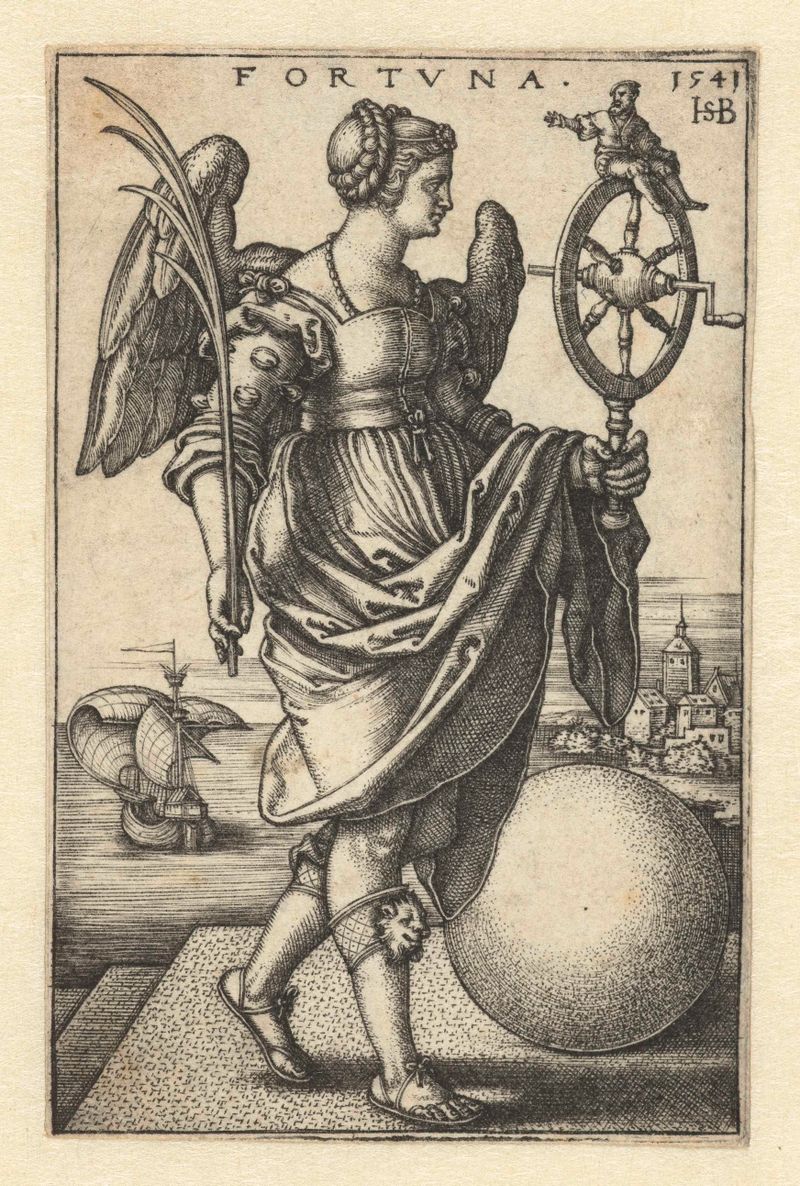
Fortuna
Hans Sebald Beham

Hercules worstelt met Antaeus
Hans Sebald Beham

Twee muzikanten met schalmey en doedelzak
Hans Sebald Beham

Voorzichtigheid (Prudentia)
Hans Sebald Beham

Hercules in gevecht met de Trojanen
Hans Sebald Beham
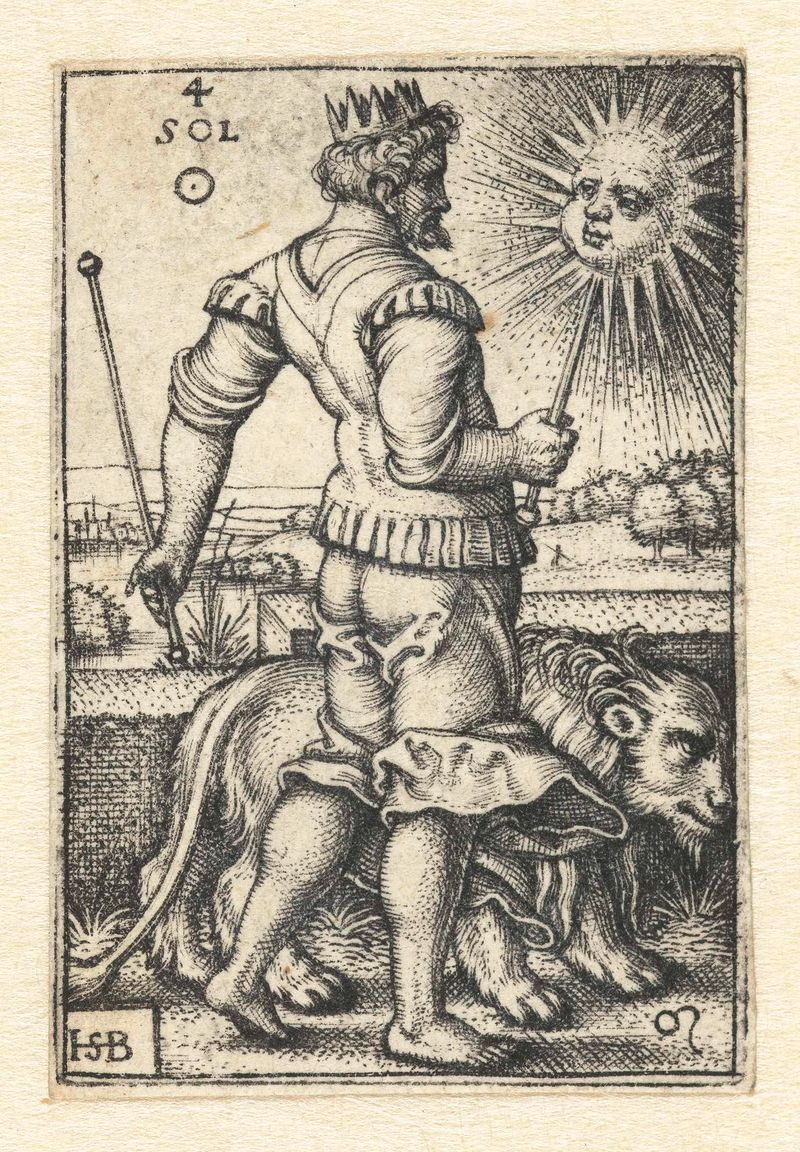
Apollo (Sol) met sterrenbeeld Leeuw
Hans Sebald Beham
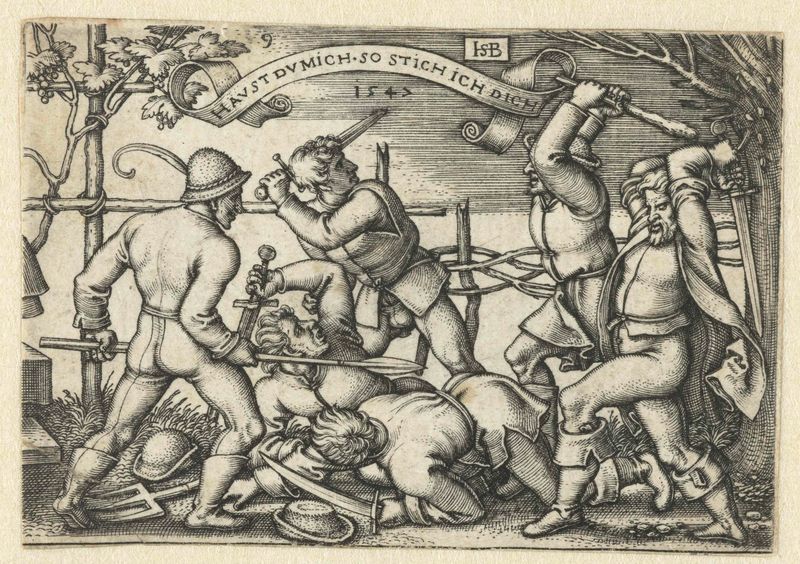
Vechtende boeren met zwaarden
Hans Sebald Beham
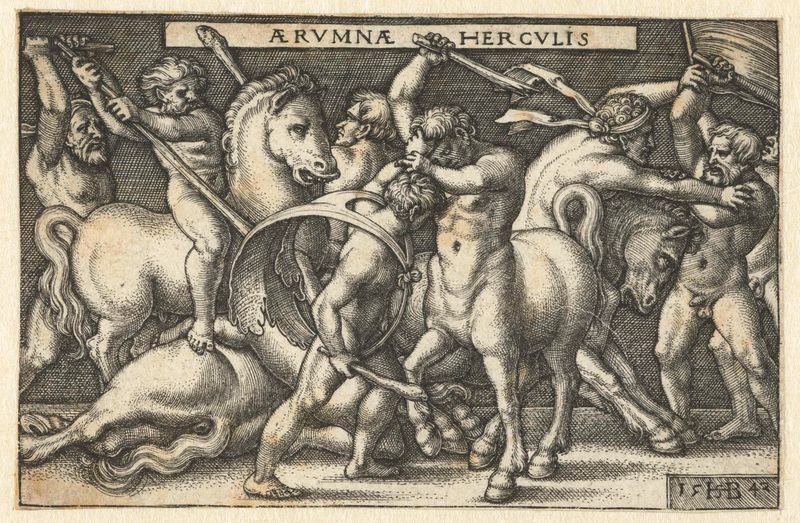
Hercules in gevecht met centaurs
Hans Sebald Beham





