
Otira Gorge — History & Facts
Is this a mirror — or a memory? Within the sweeping depths of color and texture lies a profound whisper of hope, a promise of a journey yet to unfold. Look to the left at the majestic cliffs, where deep greens and earthy browns converge, drawing you into the heart of the gorge. Notice how the artist expertly blends layers, creating a textured surface that feels alive, as if the rock faces themselves could tell a story. The interplay of light and shadow dances across the canvas, illuminating the rushing waters below, hinting at both turbulence and tranquility. Amidst the starkness of nature, a subtle contrast emerges between the rigid formations and the flowing river.
This duality may echo the tension between human resilience and the raw power of the earth. The colors, vibrant yet muted, evoke a sense of nostalgia—it’s as if the gorge holds memories of travelers past, each ripple in the water a whisper of their dreams and aspirations. Petrus van der Velden painted this work in 1893 while residing in New Zealand, a time when he was deeply engaged in exploring the natural beauty of the land. His artistic journey was influenced by the Plein Air movement, seeking to capture the essence of landscapes in their truest forms.
This period marked a significant moment in both his career and the broader art world, as artists began to shift their focus from classical themes to the profound beauty and emotional depth of the natural world.
More Artworks by Petrus van der Velden
Browse all →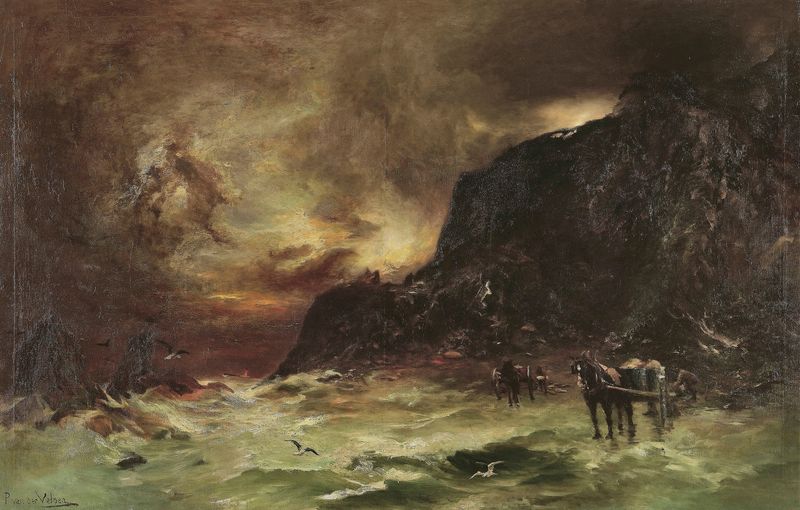
Storm at Wellington Heads, circa 1908
Petrus van der Velden
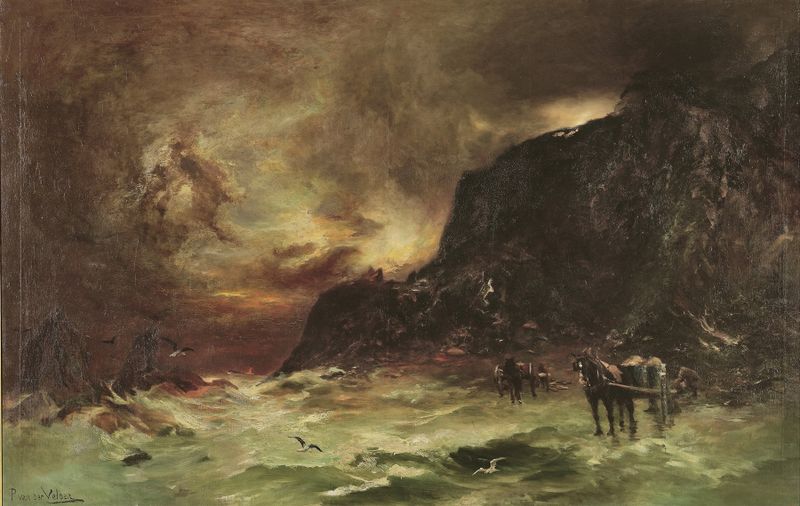
Storm at Wellington Heads
Petrus van der Velden
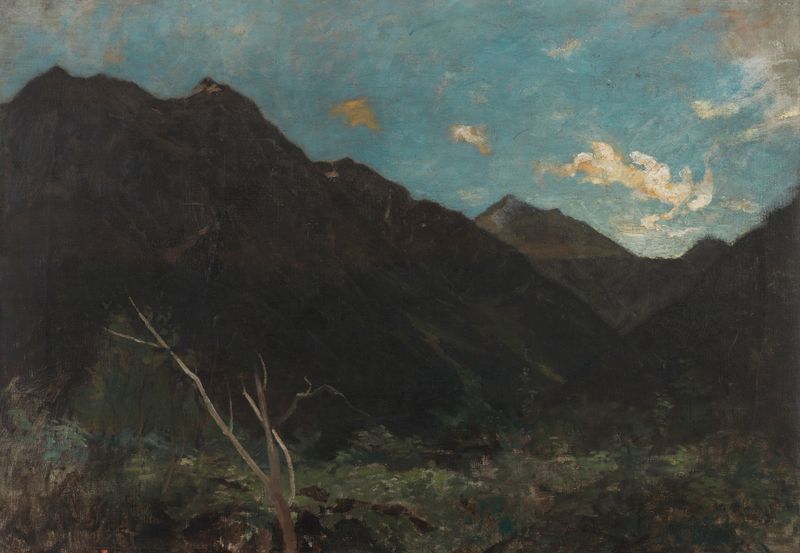
Mount Rolleston
Petrus van der Velden
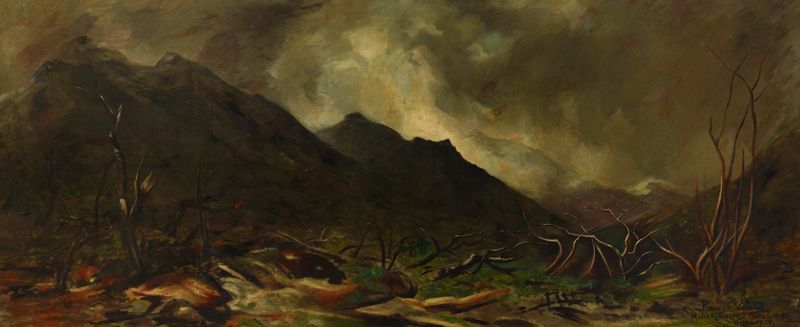
Mount Rolleston, Otira Gorge, West Coast, New Zealand
Petrus van der Velden
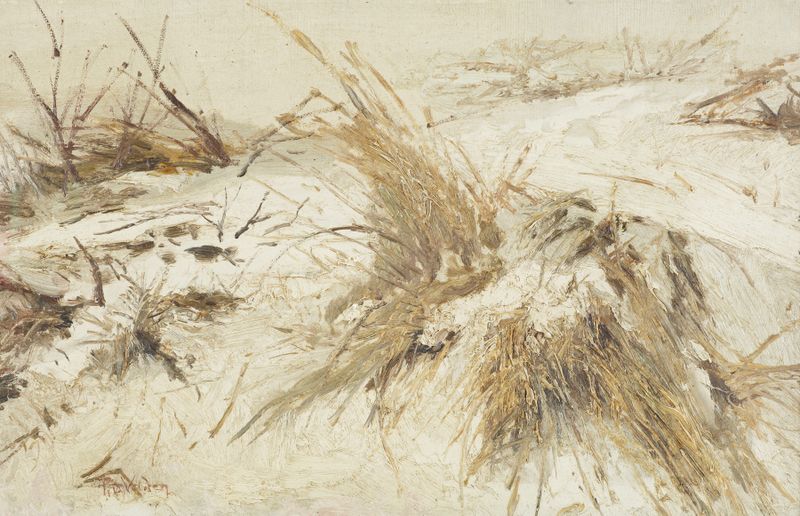
Snow on the sand dunes
Petrus van der Velden
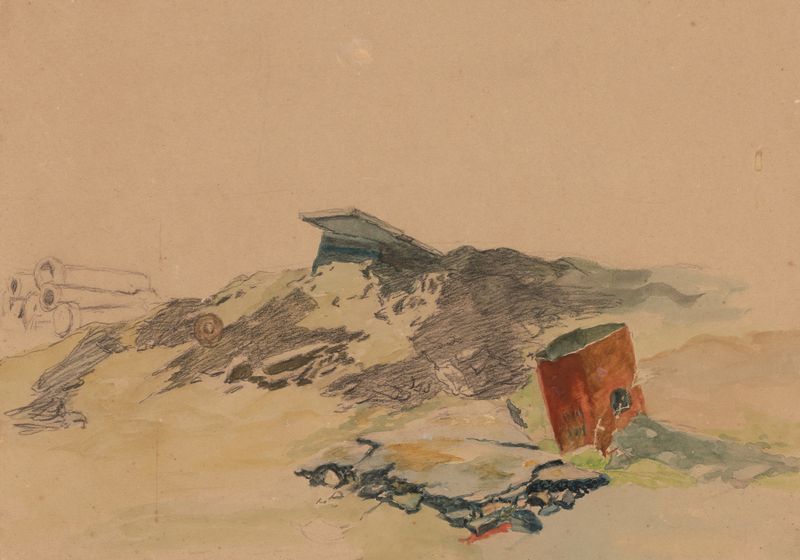
Study of a landscape
Petrus van der Velden
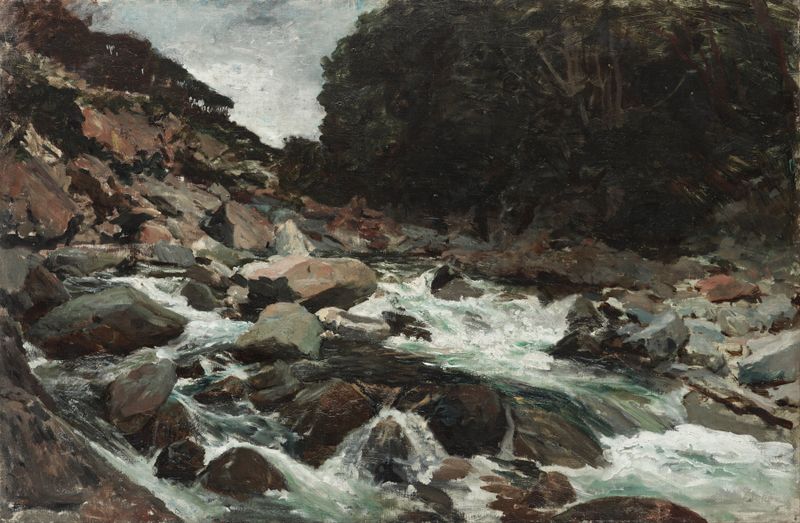
Mountain Stream, Otira Gorge
Petrus van der Velden
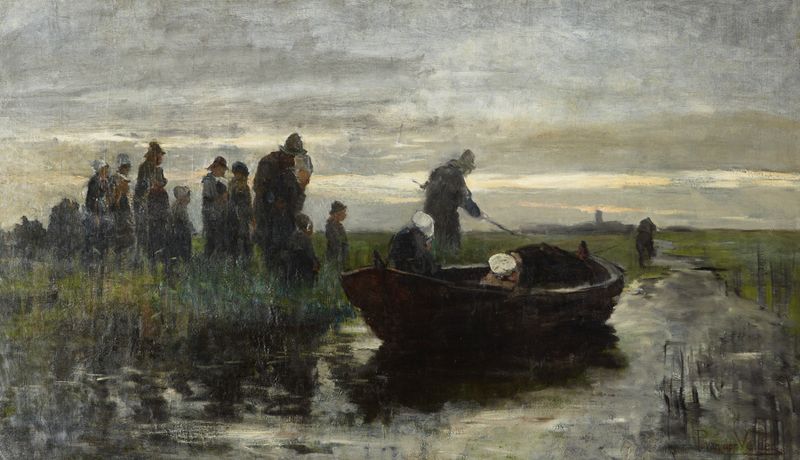
Marken funeral barge
Petrus van der Velden

Tree study
Petrus van der Velden
Circular Quay, Sydney
Petrus van der Velden





