
Snow on the sand dunes — History & Facts
In Snow on the Sand Dunes, chaos and calm coexist, a stark reminder of nature’s unpredictable beauty. The work offers a visceral experience, pulling the viewer into a moment where tranquility punctuates disorder, captured in a delicate balance. Look to the center of the canvas, where soft, undulating sand dunes rise and fall like gentle waves, their forms delicately dusted with snow. The contrast of the warm, golden hues of the sand against the cool whites and blues of the snow creates an almost surreal landscape.
The artist employs thick, impasto strokes that give texture to the scene, inviting you to feel the crunch of snow underfoot and the warmth of sunlight breaking through the chill. The horizon line, though seemingly distant, holds a depth that draws the eye, creating a pathway through this unusual melding of environments. Delve deeper into the details, and you will uncover emotional tensions within the interplay of elements. The snow, often associated with purity, clashes with the chaos of the shifting sands, suggesting a fleeting moment of stillness in a world characterized by change.
There’s a sense of tranquility overlaid with the potential for upheaval, as the viewer contemplates the cyclical nature of life — moments of stillness inevitably followed by disruption. Created between 1889 and 1890, this painting marks a significant period for the artist, who was living in New Zealand at the time. Finding inspiration in the natural landscapes surrounding him, van der Velden sought to depict not only the beauty of his environment but also the emotional depths tied to those scenes. This work reflects his evolving style, influenced by the Impressionists, as he navigated the intersections of light, color, and form in a world filled with change.
More Artworks by Petrus van der Velden
Browse all →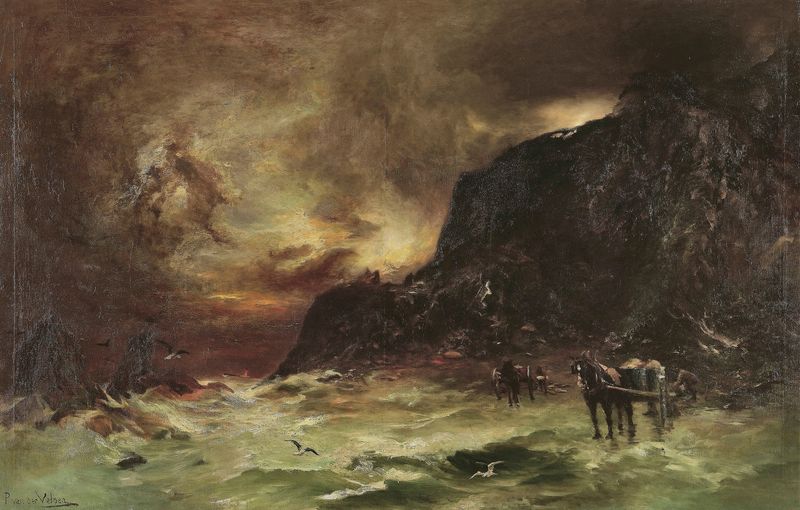
Storm at Wellington Heads, circa 1908
Petrus van der Velden
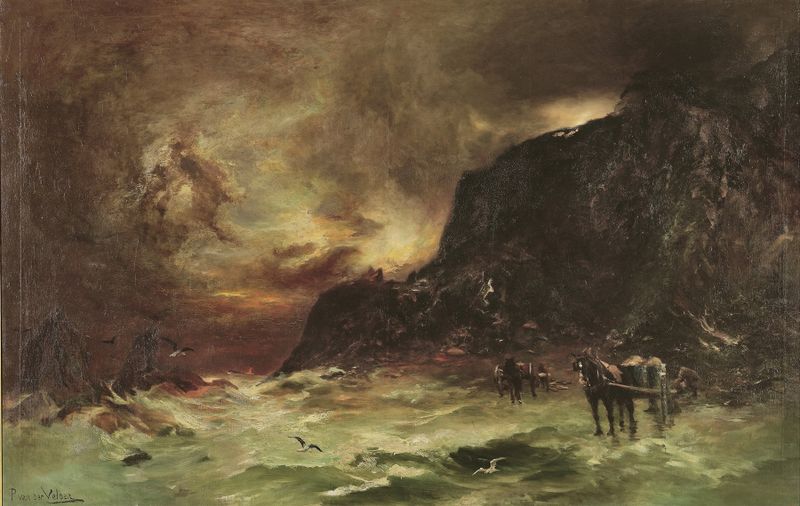
Storm at Wellington Heads
Petrus van der Velden
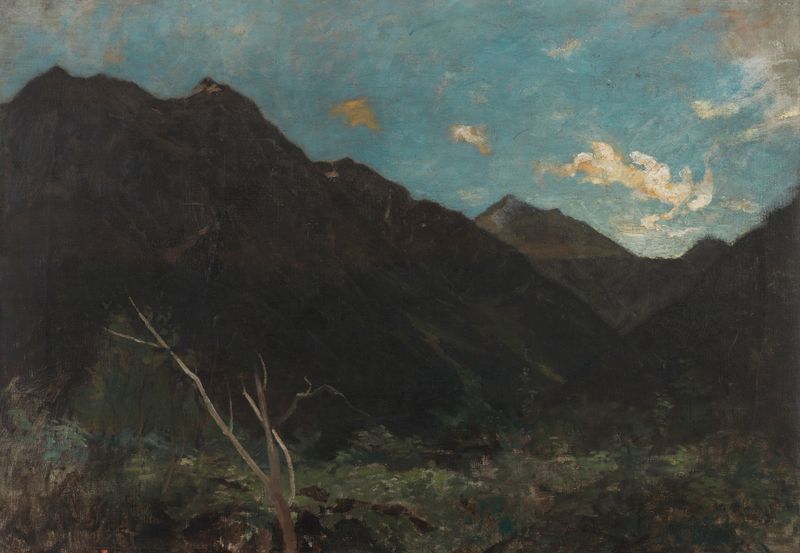
Mount Rolleston
Petrus van der Velden
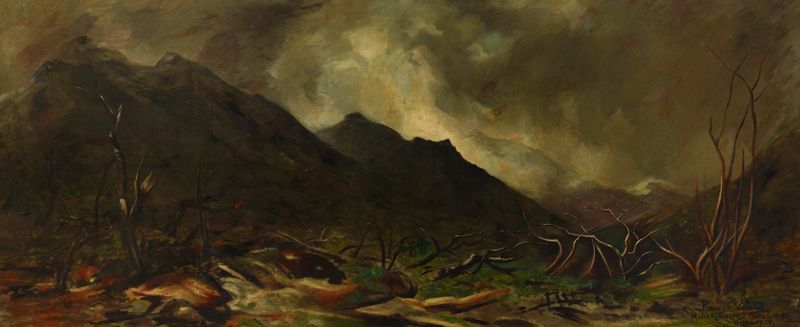
Mount Rolleston, Otira Gorge, West Coast, New Zealand
Petrus van der Velden
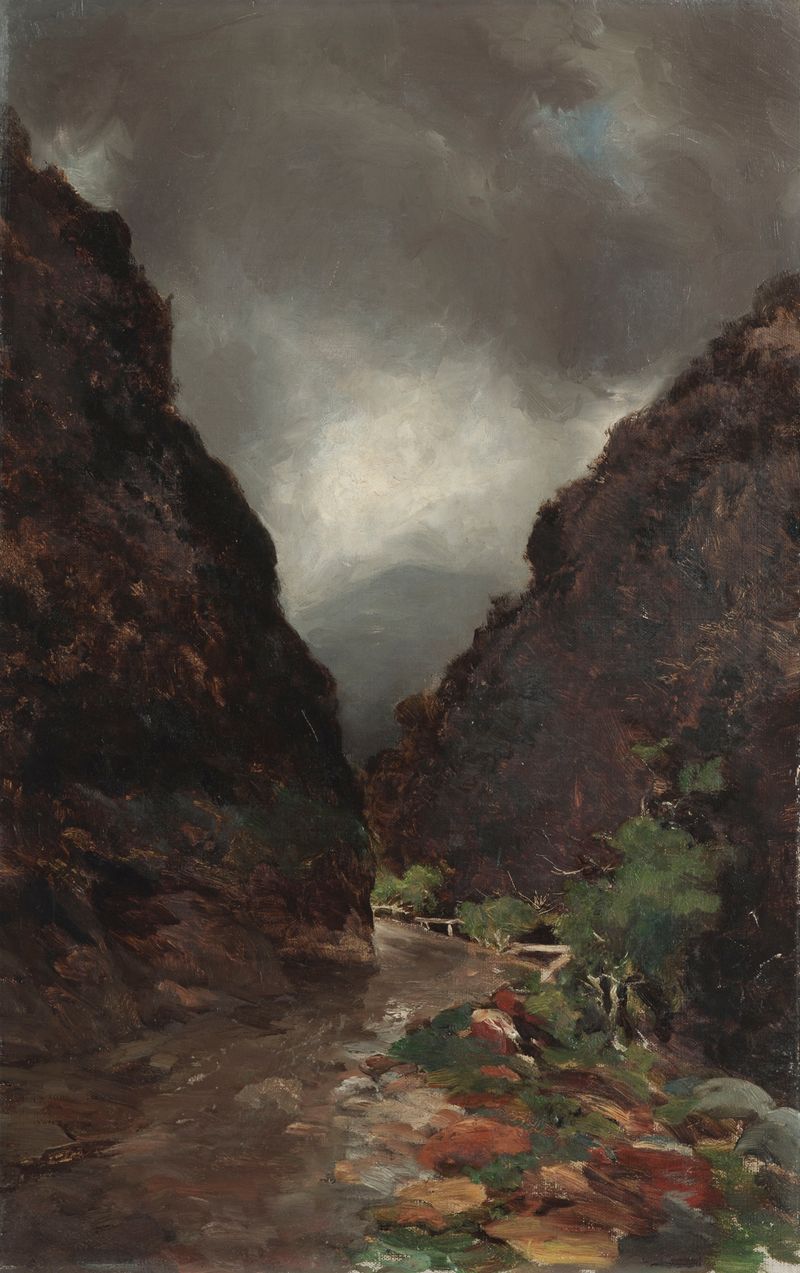
Otira Gorge
Petrus van der Velden
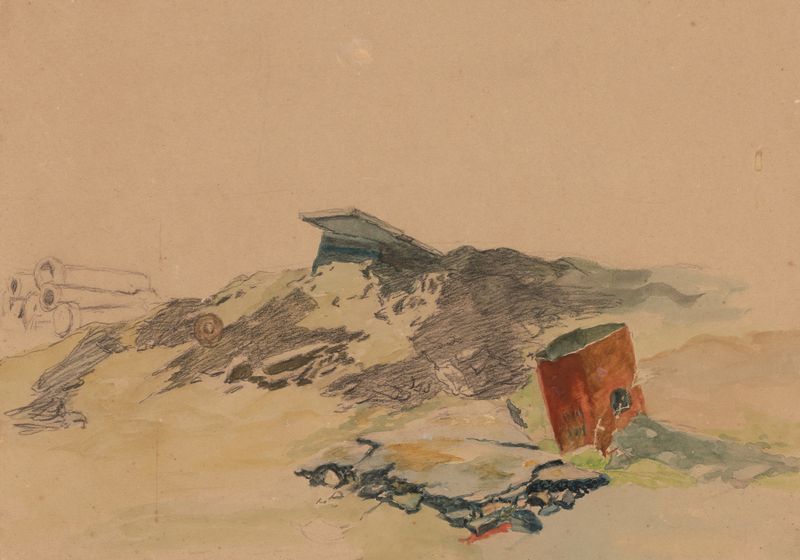
Study of a landscape
Petrus van der Velden
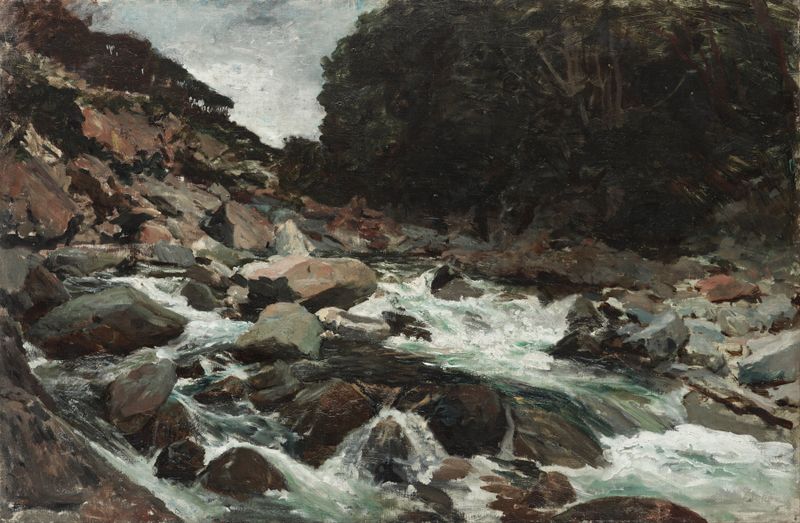
Mountain Stream, Otira Gorge
Petrus van der Velden
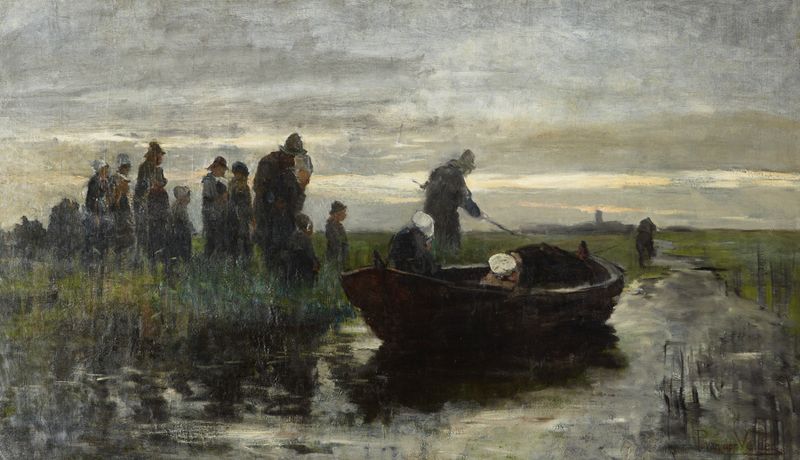
Marken funeral barge
Petrus van der Velden

Tree study
Petrus van der Velden
Circular Quay, Sydney
Petrus van der Velden





