
Storm at Wellington Heads — History & Facts
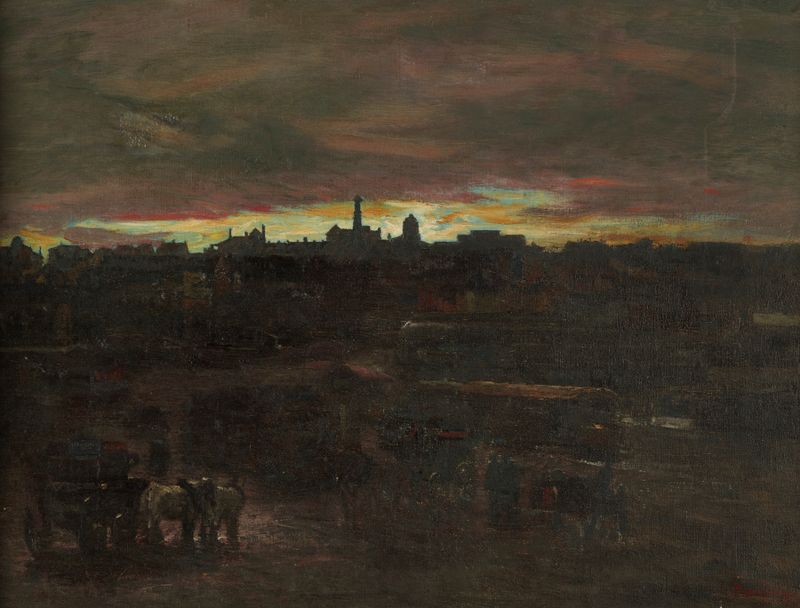
In the face of nature’s fury, the visceral emotion of fear emerges, an echo of humanity’s fragility against the elements. Look to the tumultuous sky, where swirling clouds wrap tightly around the horizon, their greys and blacks bleeding into each other. The churning sea below, vibrant in its ferocity, crashes against the rugged coastline, spraying white foam into the air. Notice how the artist masterfully contrasts the dark tempest with the hints of light that pierce through—an intentional play that heightens the scene's tension and urgency.
Each stroke reveals not just the physical chaos, but a deeper resonance of internal struggle against forces beyond control. The interplay between light and dark carries a palpable weight; it symbolizes the thin barrier between safety and peril. As you linger on the distant cliffs, a sense of isolation emerges, amplifying the emotional tension. The wildness of the sea reflects a more profound fear—perhaps a fear of the unknown, of nature's wrath, or of the pitfalls that lie ahead in life.
The painting invites viewers to confront these fears, to grapple with the inherent turmoil of existence. Petrus van der Velden created this work during a formative period of his life, likely in the late 19th century. Residing in New Zealand after his emigration from the Netherlands, he was captivated by the dramatic landscapes around him. This era was marked by his search for a distinct artistic voice, as he navigated the influences of European techniques while embracing the raw beauty of his new home, capturing the relentless forces of nature that often mirrored the human experience.
More Artworks by Petrus van der Velden
Browse all →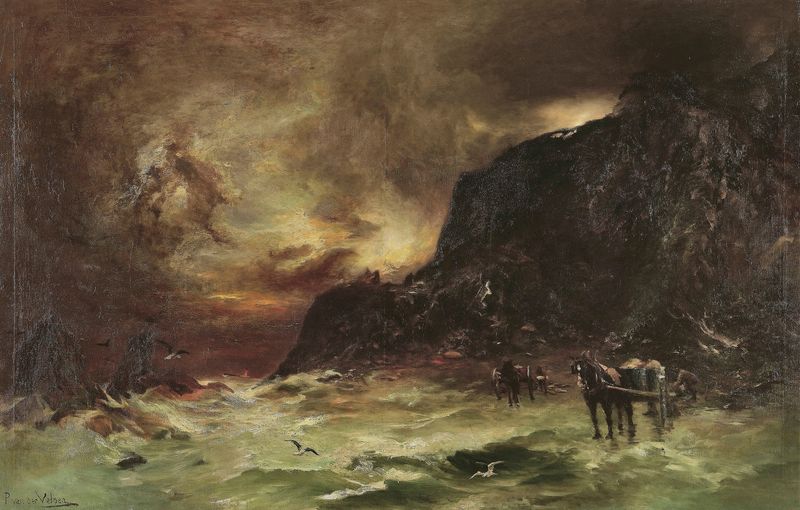
Storm at Wellington Heads, circa 1908
Petrus van der Velden
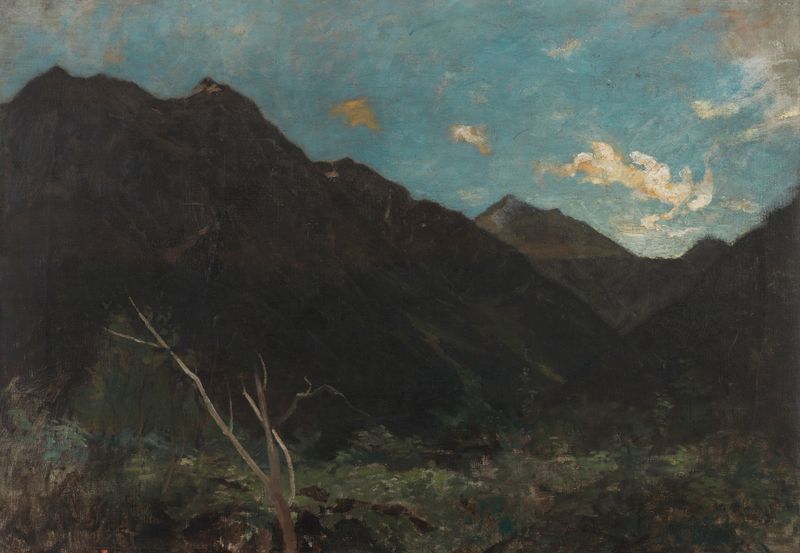
Mount Rolleston
Petrus van der Velden
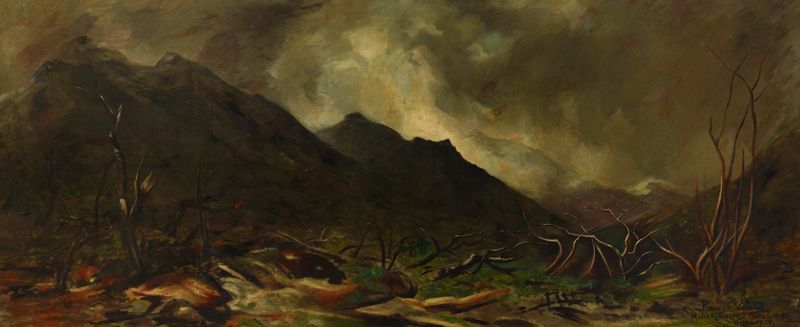
Mount Rolleston, Otira Gorge, West Coast, New Zealand
Petrus van der Velden
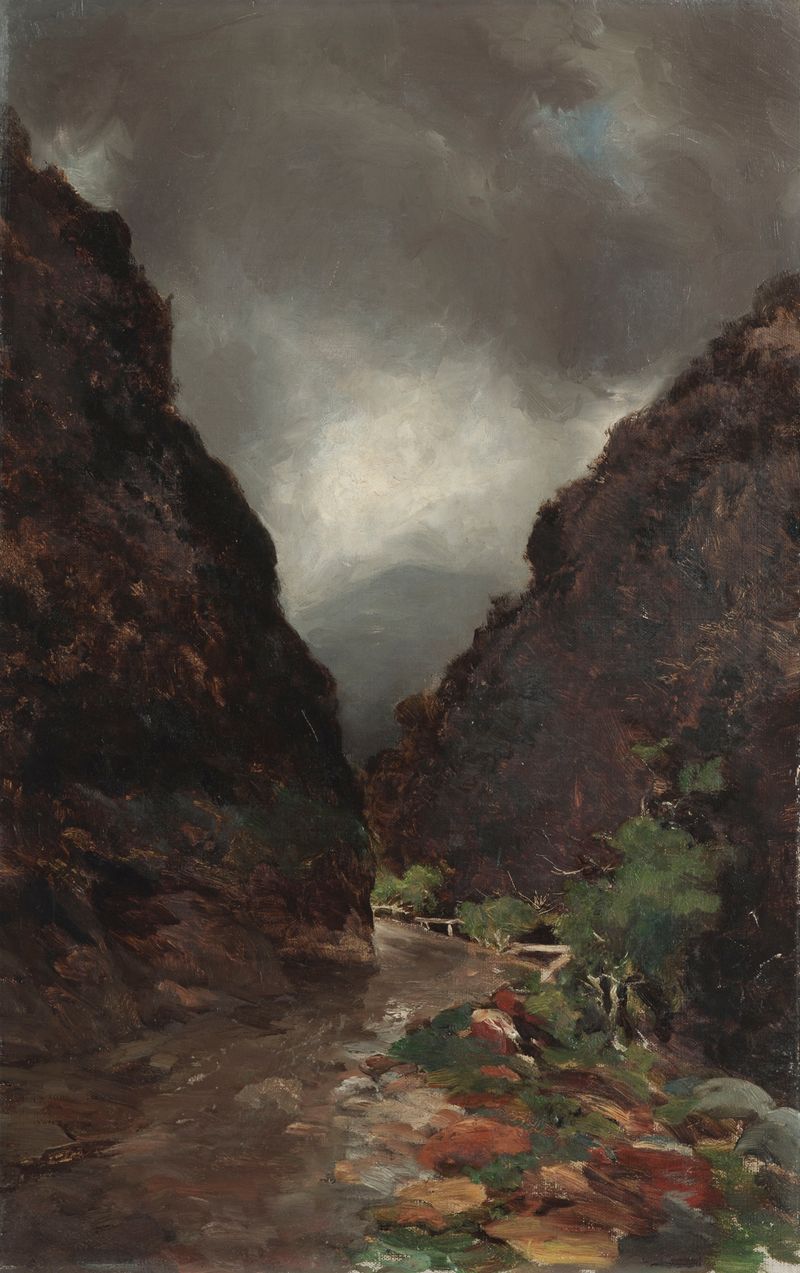
Otira Gorge
Petrus van der Velden
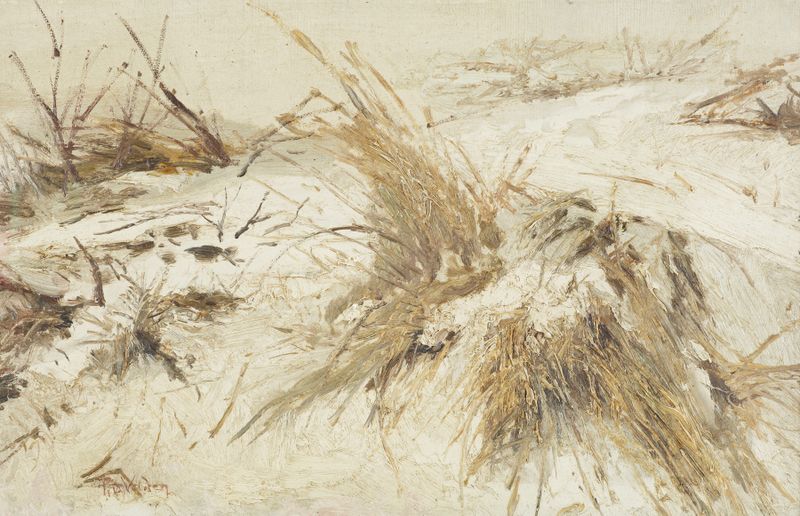
Snow on the sand dunes
Petrus van der Velden
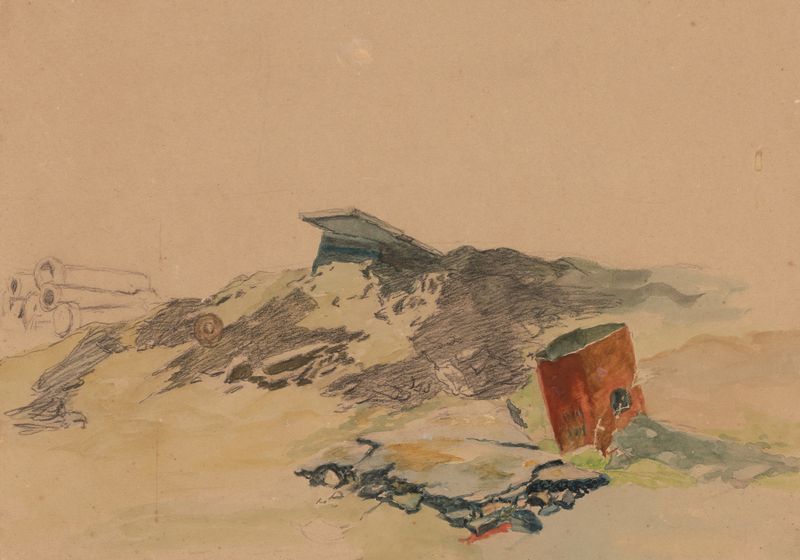
Study of a landscape
Petrus van der Velden
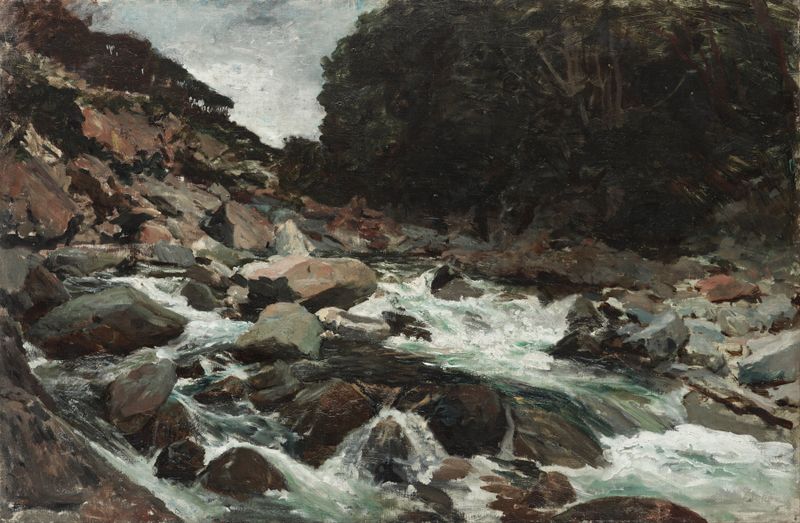
Mountain Stream, Otira Gorge
Petrus van der Velden
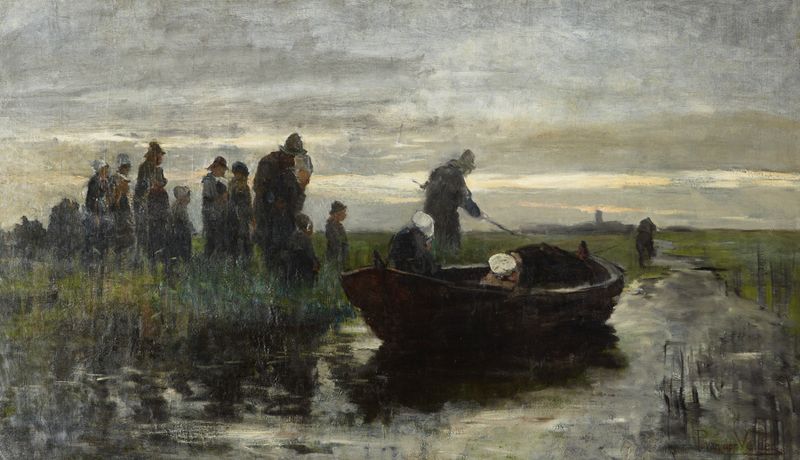
Marken funeral barge
Petrus van der Velden

Tree study
Petrus van der Velden
Circular Quay, Sydney
Petrus van der Velden





