
Otsu — History & Facts
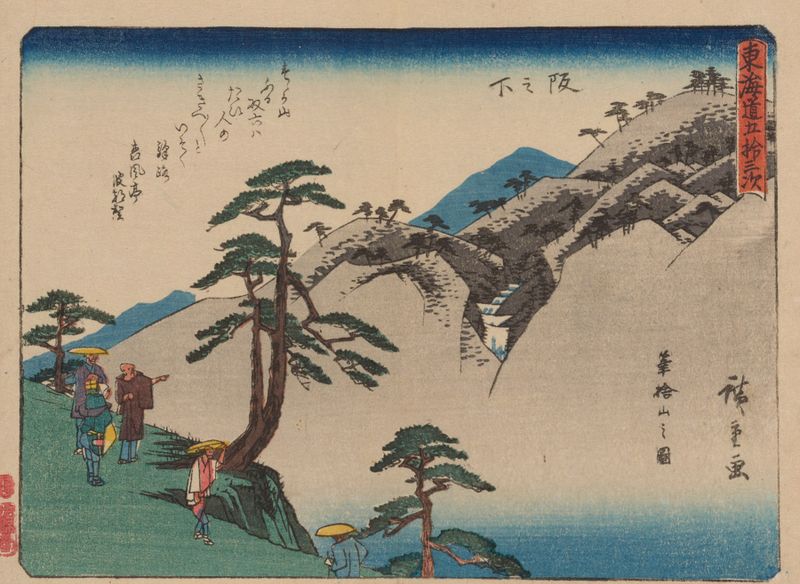
When did color learn to lie? In the stillness of the moment, vibrant hues conspire in the silence between brushstrokes, folding narratives into the landscape. Focus first on the serene expanse of water that stretches across the canvas. Notice how the delicate blues and greens flow together, each shade capturing the tranquility of the scene while simultaneously hinting at an underlying depth. Look to the gentle undulations of the hills in the background, where the soft pastels mingle, creating a dreamlike atmosphere.
The composition draws your eye towards the horizon, where the sky meets the land, inviting contemplation of what lies beyond. Every detail holds significance: the subtle ripples on the water's surface suggest movement, contrasting with the stillness of the boats floating quietly within. Look closely at the distant mountains, their muted outlines framing the scene, and how they evoke a sense of distance that speaks to isolation and longing. This quiet tension reveals a delicate interplay between the vibrancy of life and the solitude inherent in nature. Created between 1841 and 1842, this work emerged during a period of great artistic innovation in Japan, as the ukiyo-e movement flourished.
Utagawa Hiroshige was deeply influenced by the natural world around him in Edo (now Tokyo) while exploring themes of beauty and transience. This era was marked by the growing popularity of landscape prints, highlighting the connection between art and the shifting dynamics of society, revealing a deep appreciation for the simplicity and silence found in solitude.
More Artworks by Utagawa Hiroshige
Browse all →
Sudden Shower over Shin Ohashi Bridge and Atake (Ohashi Atake no yudachi), from the series "One Hundred Famous Views of Edo (Meisho Edo hyakkei)"
Utagawa Hiroshige
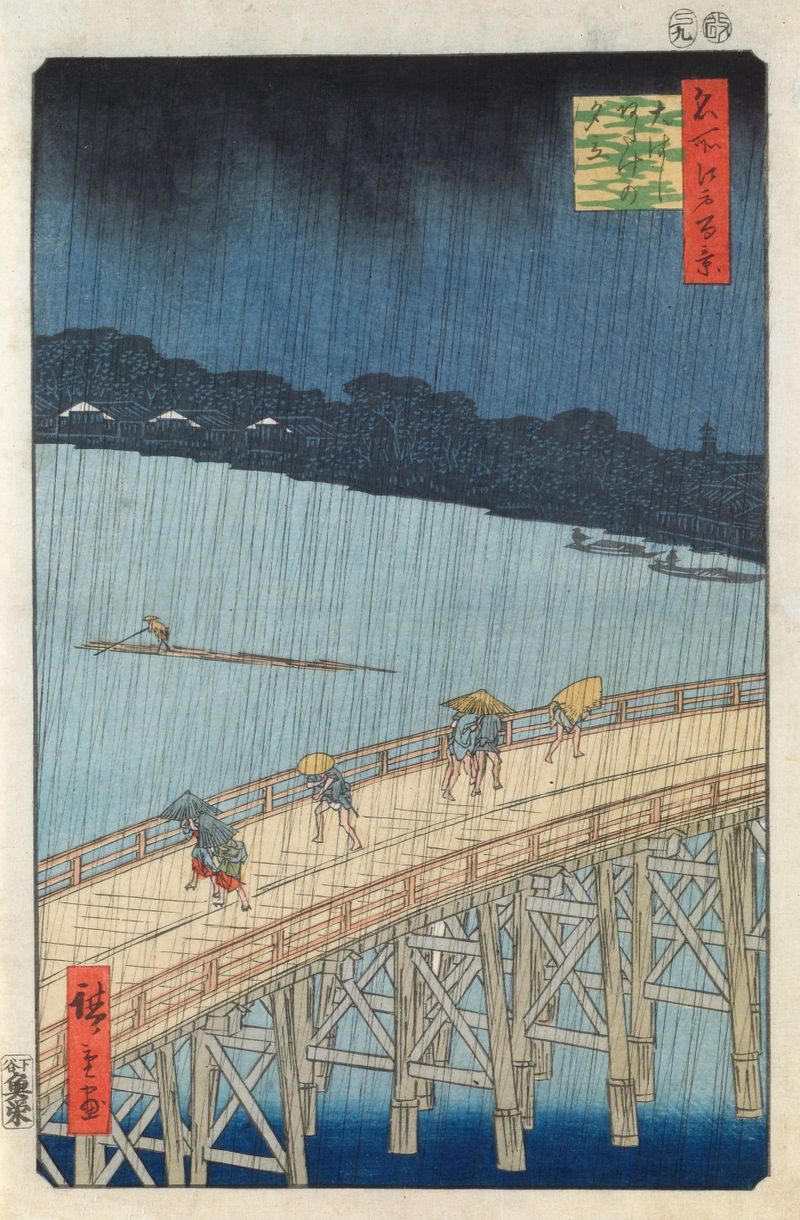
Sudden Shower Over Ohashi Bridge and Atake
Utagawa Hiroshige
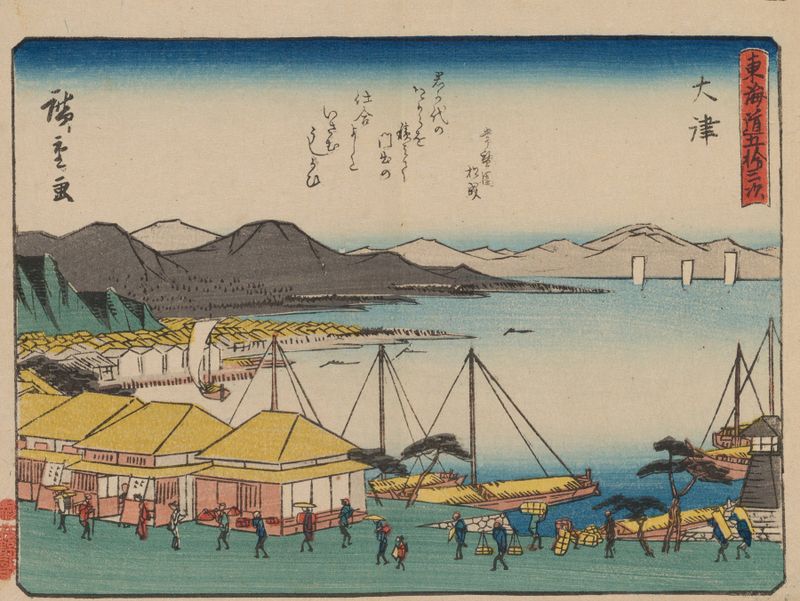
Tokaido gojusantsugi, Pl.54
Utagawa Hiroshige
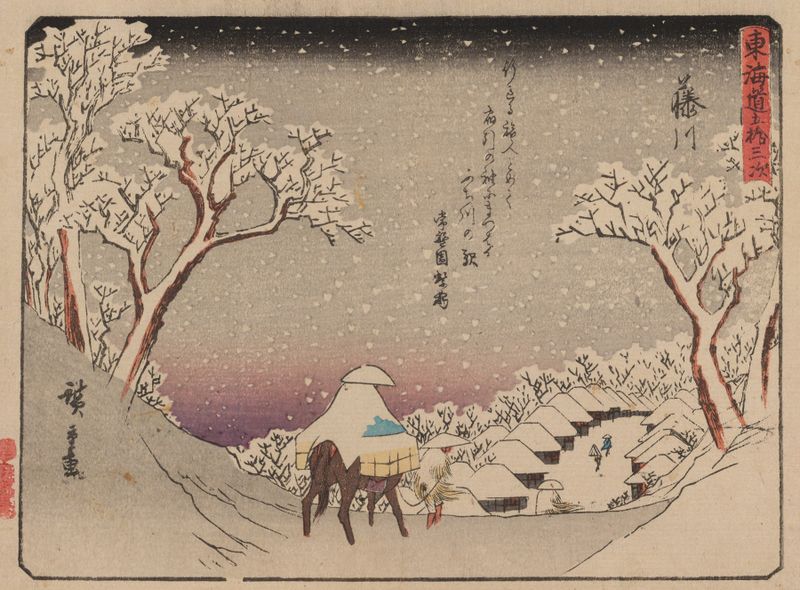
Tokaido gojusantsugi, Pl.38
Utagawa Hiroshige
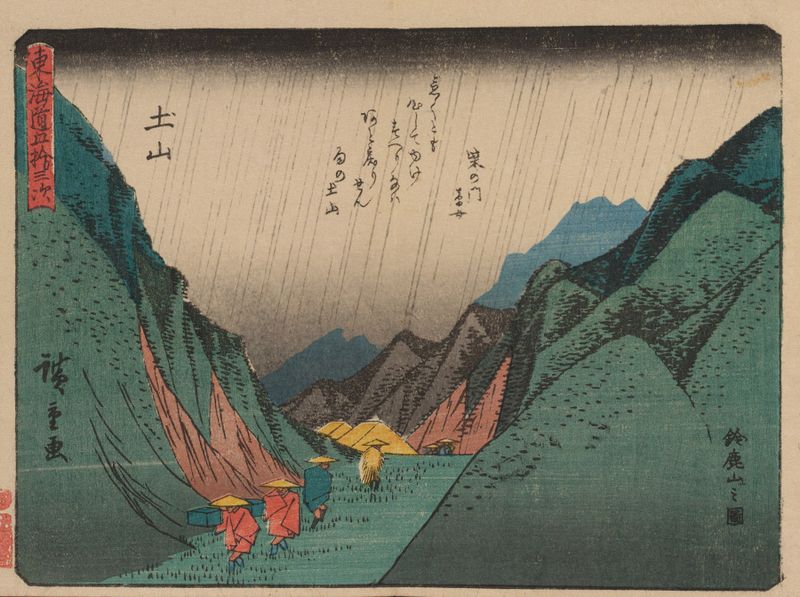
Tokaido gojusantsugi, Pl.50
Utagawa Hiroshige
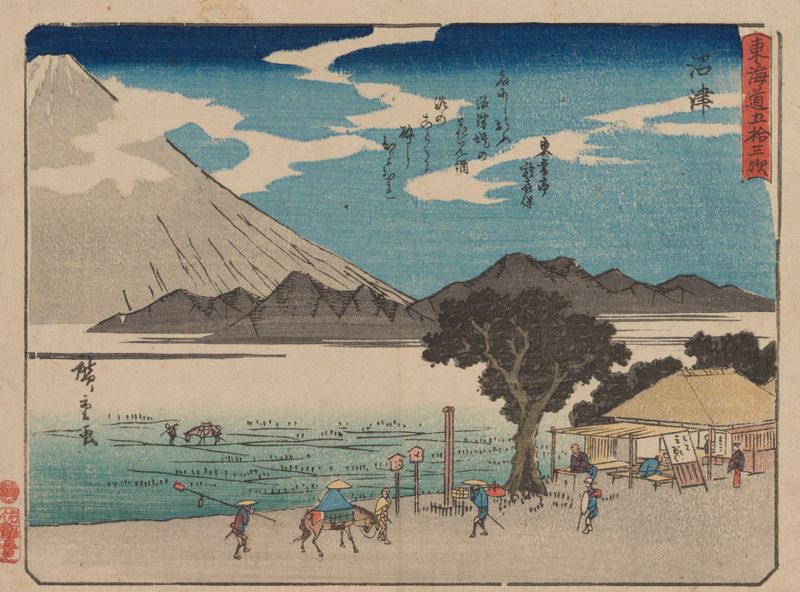
Tokaido gojusantsugi, Pl.13
Utagawa Hiroshige
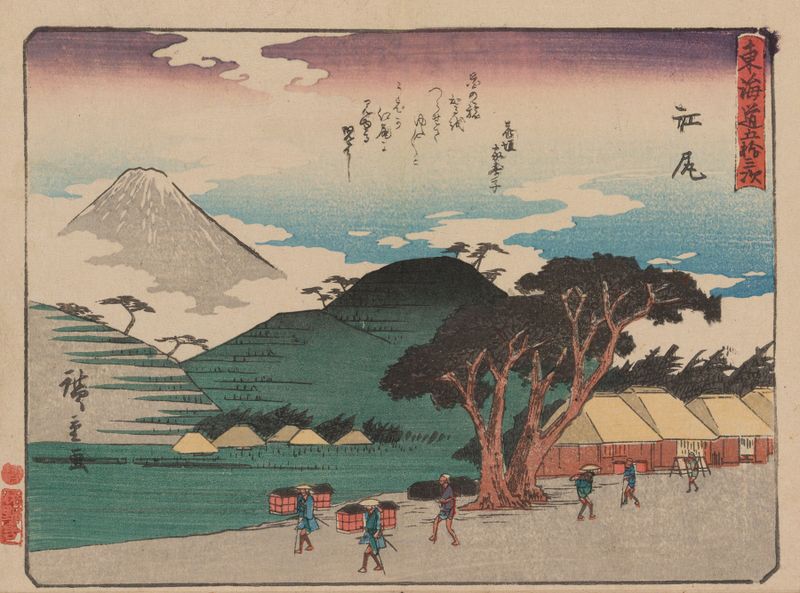
Tokaido gojusantsugi, Pl.19
Utagawa Hiroshige
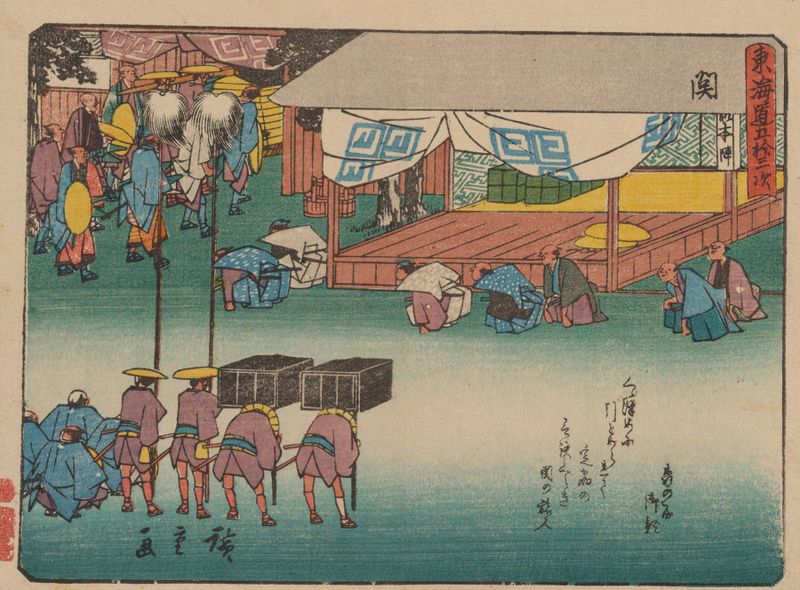
Tokaido gojusantsugi, Pl.48
Utagawa Hiroshige
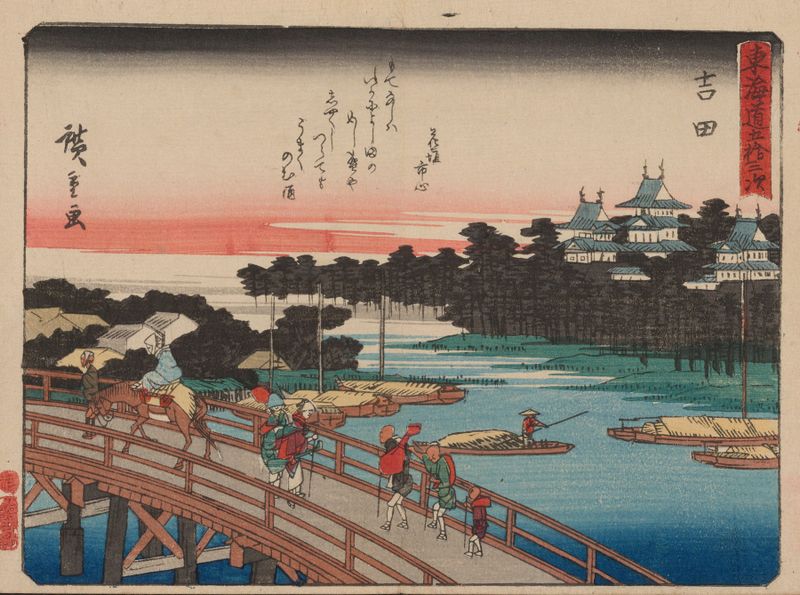
Tokaido gojusantsugi, Pl.35
Utagawa Hiroshige
Tokaido gojusantsugi, Pl.49
Utagawa Hiroshige





