
P. Weber – Lucerne — History & Facts
Can beauty exist without sorrow? This question resonates deeply in the delicate layers of Lucerne, where shimmering landscapes meet the weight of human experience. Focus first on the horizon, where soft, ethereal mountains embrace a tranquil lake, their reflections creating a mirror-like symmetry. Notice how the artist has employed a palette of blues and greens, creating a serene atmosphere that invites contemplation. The gentle strokes convey a sense of movement as clouds drift lazily above, while sunlight dances on the water’s surface, illuminating the natural beauty that surrounds the viewer. Yet, within this picturesque tranquility lies an undercurrent of longing.
The juxtaposition of the idyllic scene and the solitary figure positioned at the forefront stirs a sense of introspection. Are they drawn to the beauty or the isolation of such splendor? The contrast between the vibrancy of nature and the stillness of the human form suggests a deeper exploration of faith and connection, perhaps hinting at the solace found in nature amidst life's inherent sorrows. Theodor Gsell Fels painted Lucerne in 1881, during a period of artistic transition in Europe, where the Impressionist movement was gaining momentum. At this time, Gsell Fels was exploring the interplay of light and landscape, seeking to convey emotional depth through his depictions of nature.
Nestled in the Swiss region that inspired him, the artist captured not just the beauty of the surroundings, but also the poignant reflections of human existence intertwined with faith.
More Artworks by Theodor Gsell Fels
Browse all →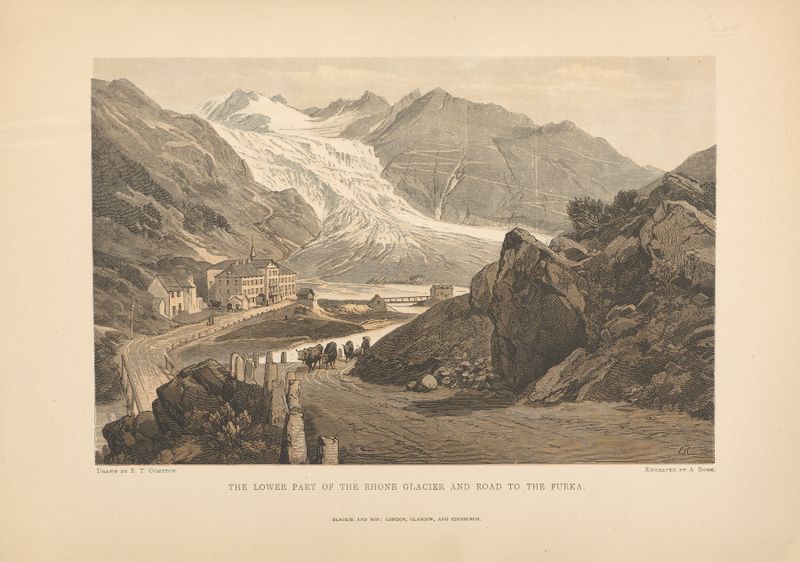
E. T. Compton – The Lower Part of the Rhone Glacier and Road to Furka
Theodor Gsell Fels

G. Closs – The Devil’s Bridge—St. Gothard Road, Schóllenen Gorge
Theodor Gsell Fels
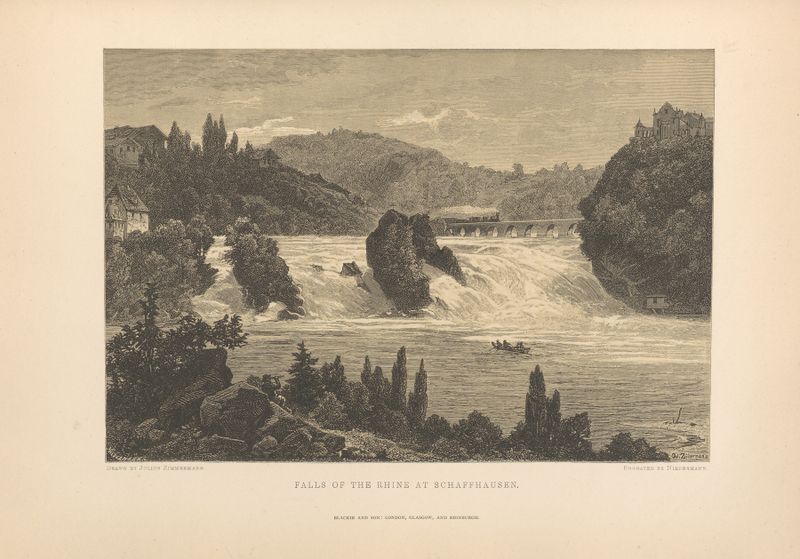
Julius Zimmermann – Falls of the Rhine at Schaffhausen
Theodor Gsell Fels
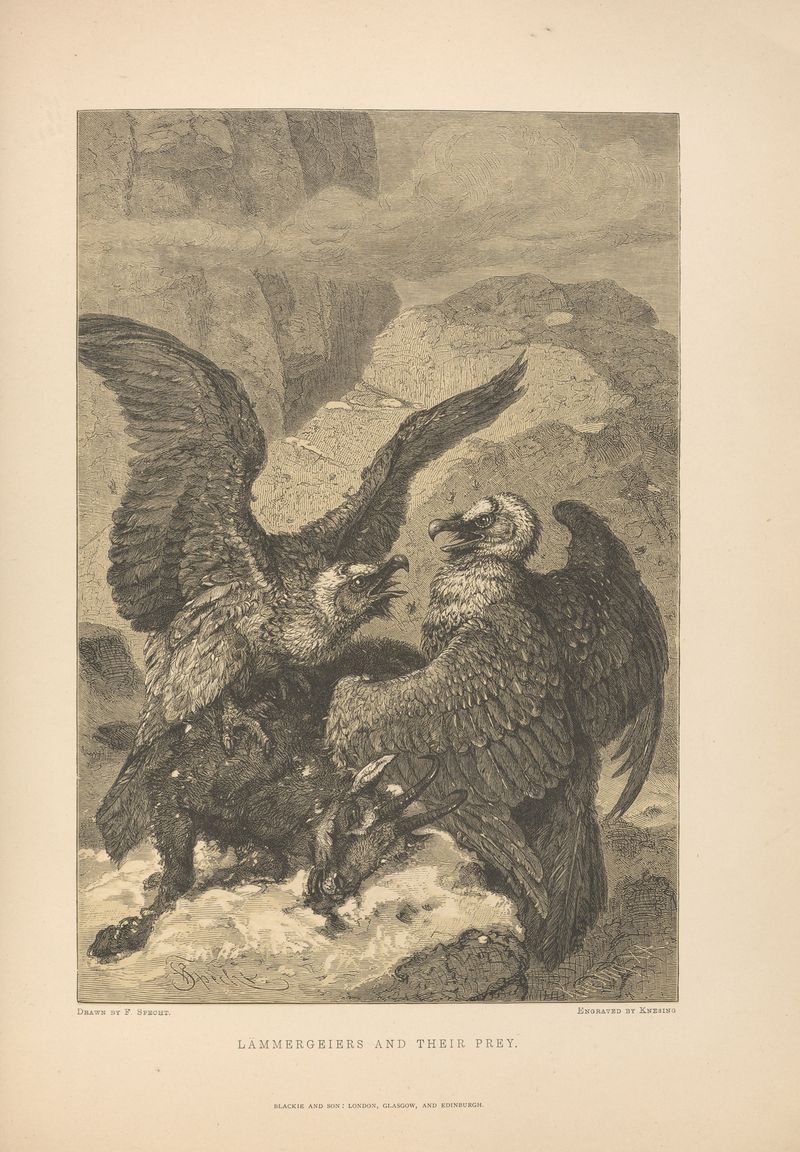
F. Specht – Lammergeiers and their Prey
Theodor Gsell Fels
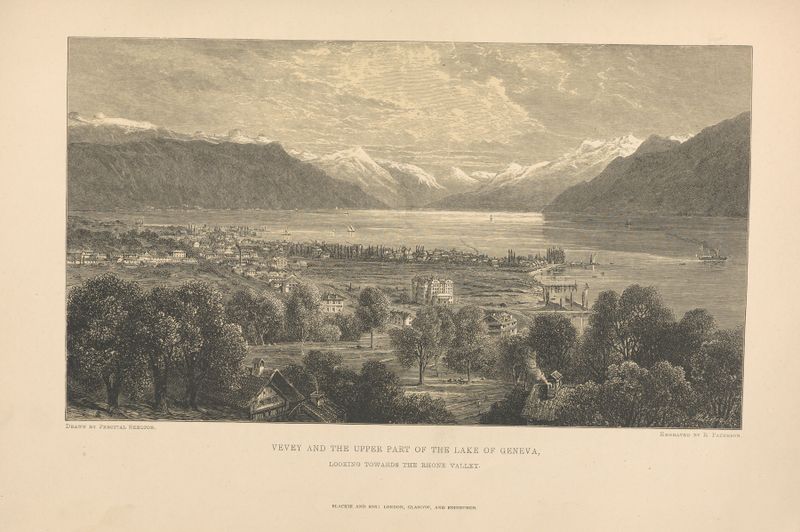
Percival Skelton – Vevay, and the Upper Part of the Lake of Geneva
Theodor Gsell Fels

E. T. Compton – The Jungfrau, and Opening of the Lauterbrunnen Valley
Theodor Gsell Fels

P. Weber – Departure of Steamer from Lucerne
Theodor Gsell Fels
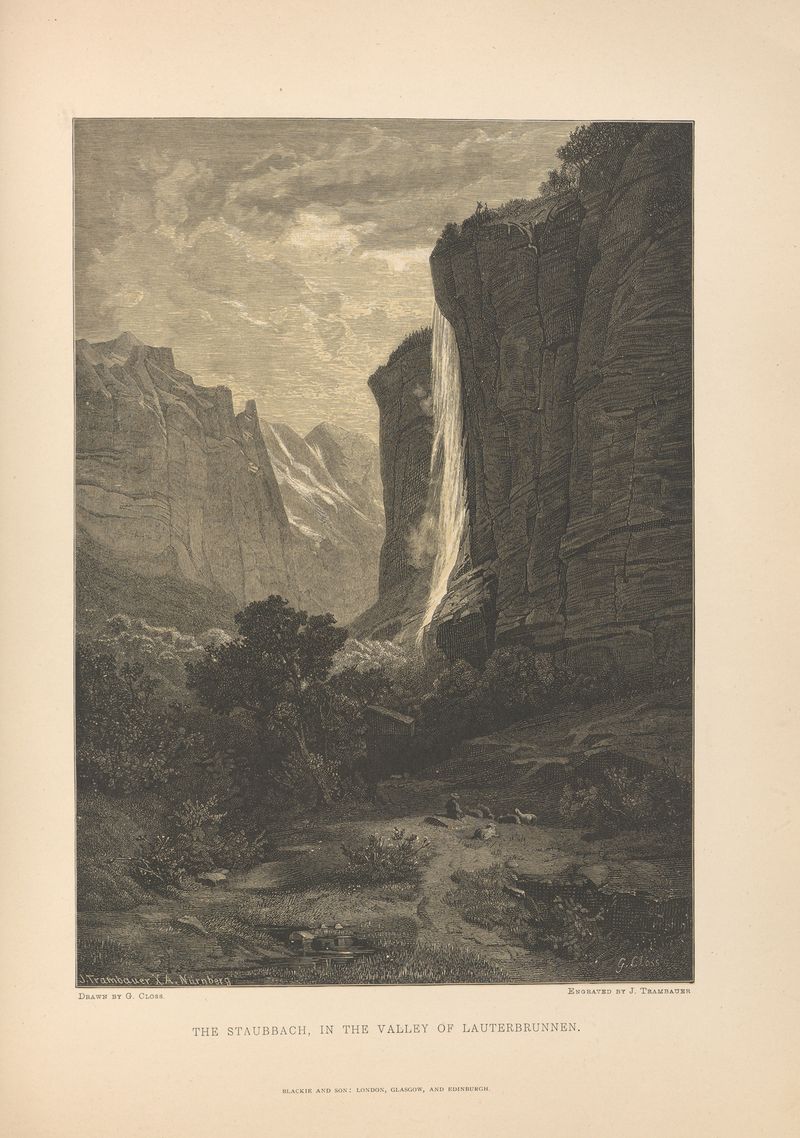
G. Closs – The Staubbach, in the Valley of Lauterbrunnen
Theodor Gsell Fels
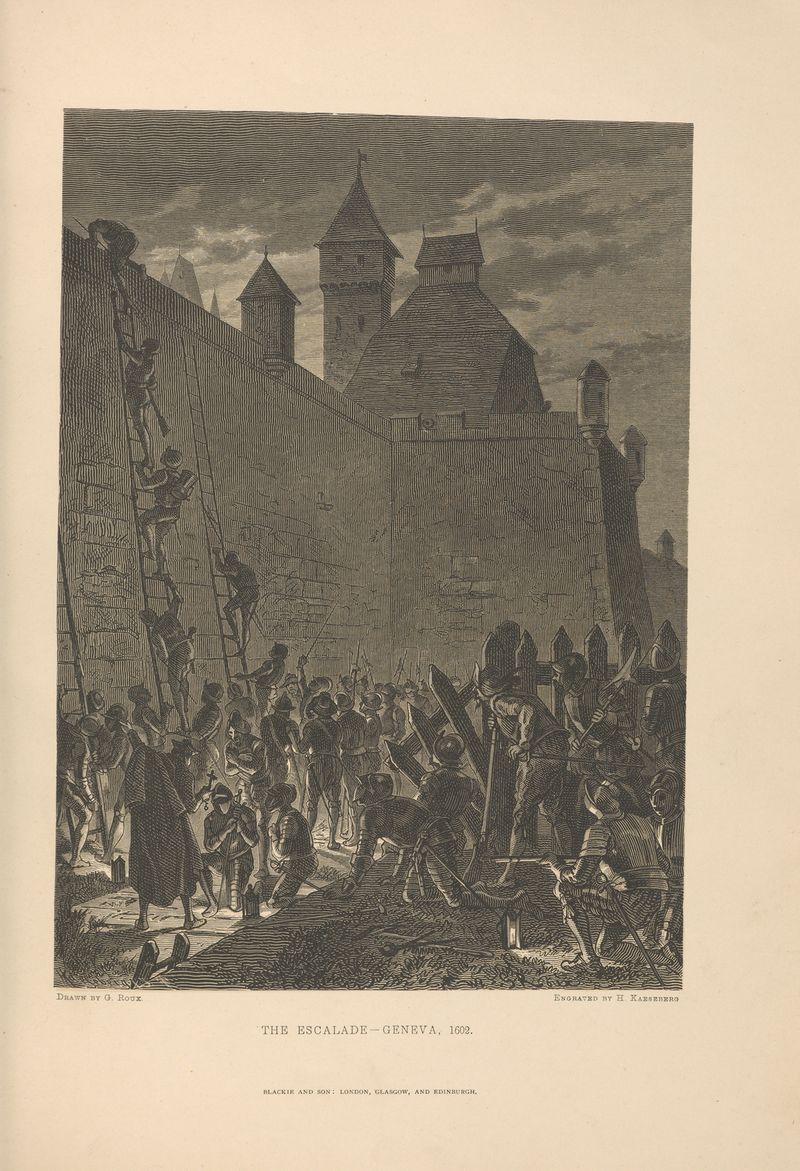
G. Roux – The Escalade, Geneva
Theodor Gsell Fels
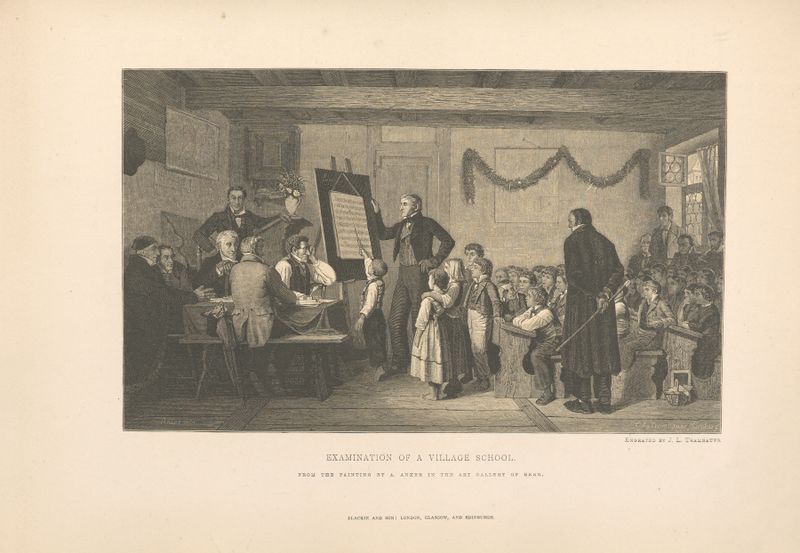
A. Anker – Examination of a Village School
Theodor Gsell Fels





