Paardenhoofd en tekening in schema volgens proportieleer — History & Facts
In Hans Sebald Beham's Paardenhoofd en tekening in schema volgens proportieleer, the artist captures a moment of tension between precision and chaos, revealing the betrayal of one’s expectations in the realm of artistic form. Here, the study of proportions speaks not only to mathematical beauty but also to the emotional undercurrents that ripple beneath the surface of structured lines. Look closely at the meticulously rendered horse's head positioned boldly to the left; note the intricate details of its mane as the light dances through the strands. Shift your gaze to the geometric framework that surrounds it, leading your eye through deliberate angles and sharp contrasts in light and shadow.
This careful composition highlights Beham’s mastery of chiaroscuro, pulling viewers into a world where art and science coalesce, yet suggesting an underlying discord within that harmony. The juxtaposition of the organic and the geometric creates a profound emotional tension—between the wild spirit of the horse and the rigid confines of proportion. The horse’s eyes, alive with untamed energy, seem to rebel against the cold calculation of the surrounding schematic drawing. This silent duel evokes a sense of betrayal: the creature's instinct is at odds with the artist's desire for order, mirroring the conflict between nature and intellect. Created between 1510 and 1550, this work emerged during a time of significant transformation in the art world, as Beham was refining his skills amidst the burgeoning Renaissance.
Living in Nuremberg, he was influenced by both the humanist ideals of the era and the growing fascination with anatomical correctness. As a member of the Northern Renaissance movement, he sought to balance the natural world with the principles of proportion, a quest that resonates deeply in this artwork.
More Artworks by Hans Sebald Beham
Browse all →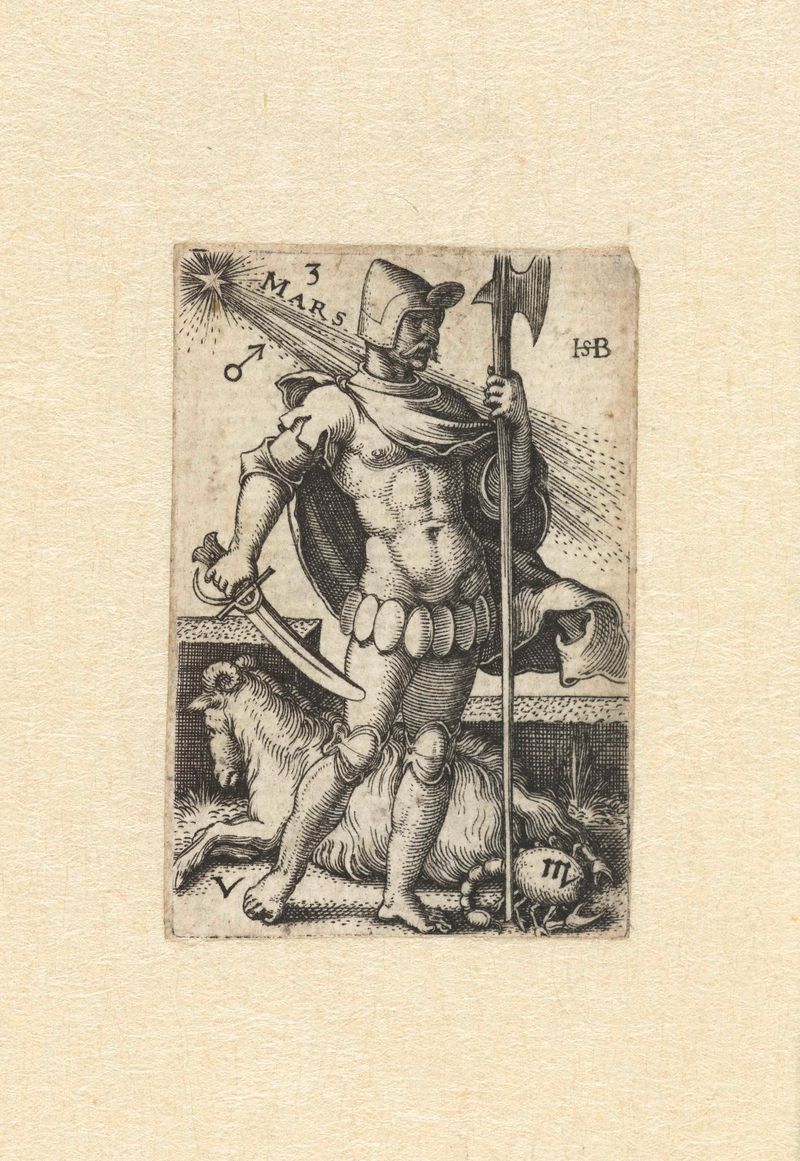
Mars met sterrenbeelden Ram en Schorpioen
Hans Sebald Beham

Achilles in gevecht met Hector
Hans Sebald Beham
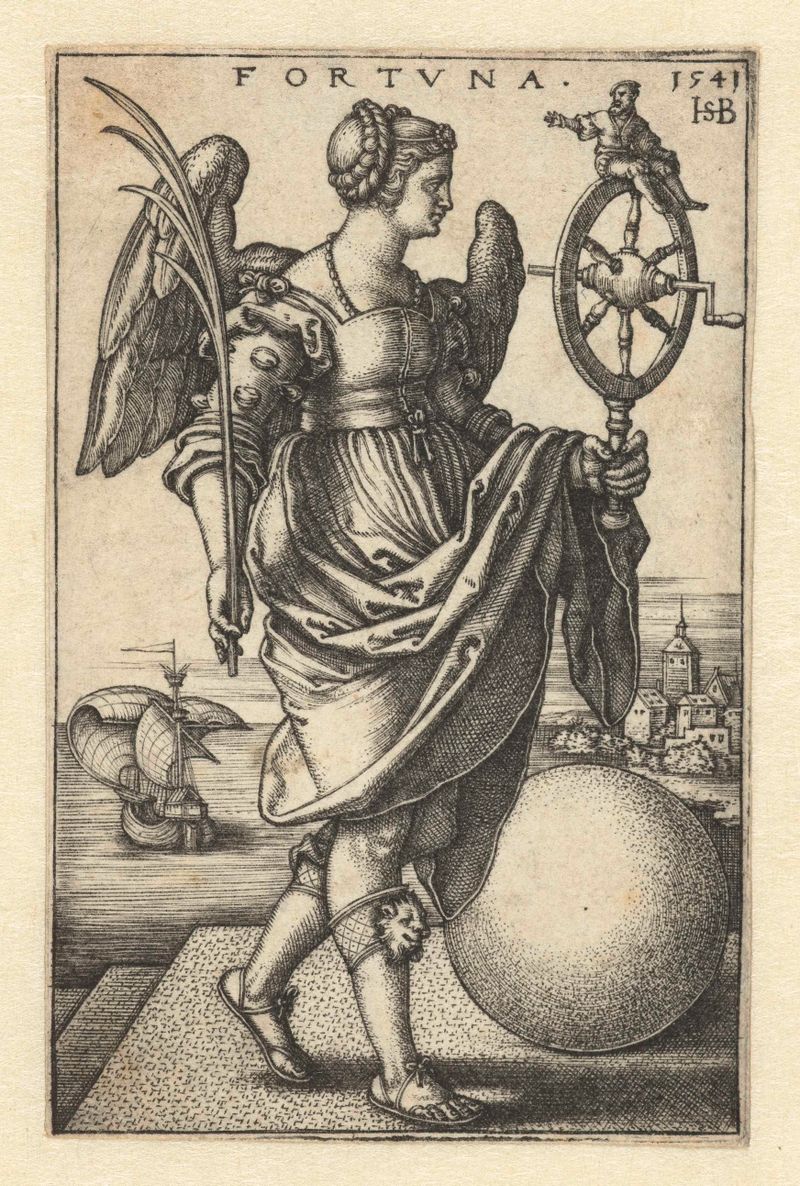
Fortuna
Hans Sebald Beham

Hercules worstelt met Antaeus
Hans Sebald Beham

Twee muzikanten met schalmey en doedelzak
Hans Sebald Beham

Voorzichtigheid (Prudentia)
Hans Sebald Beham

Hercules in gevecht met de Trojanen
Hans Sebald Beham
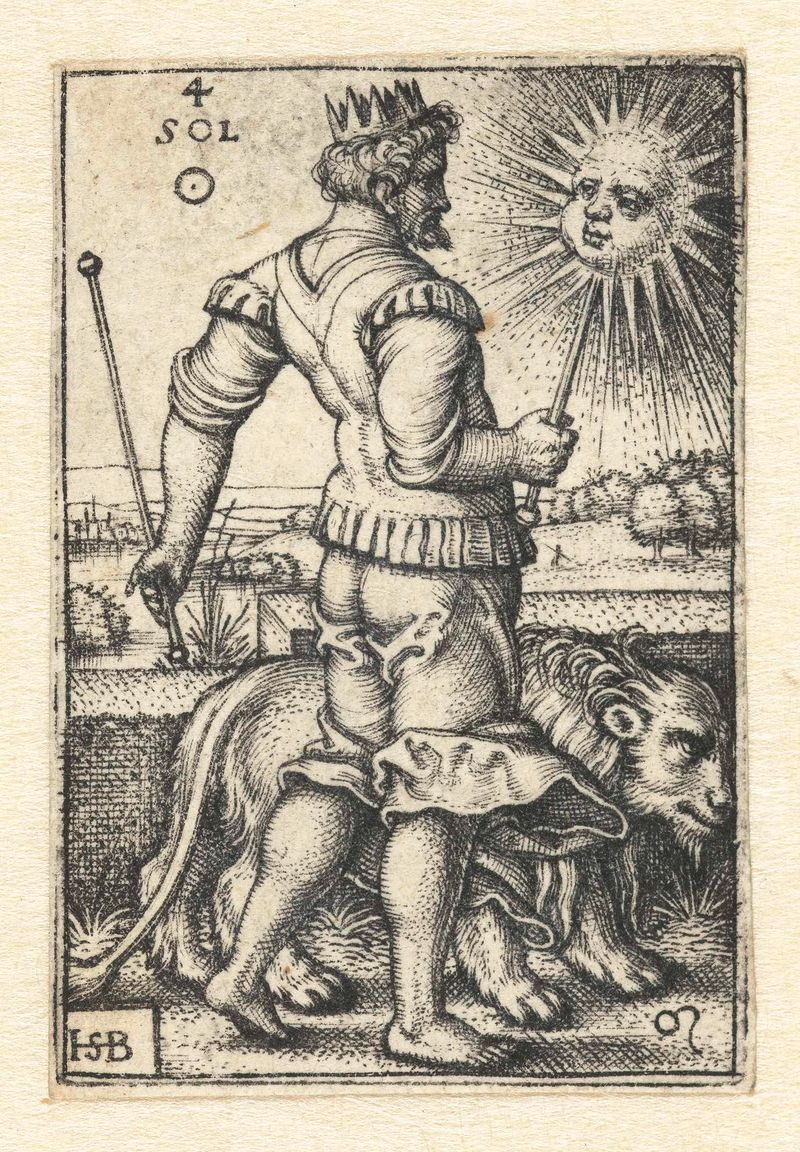
Apollo (Sol) met sterrenbeeld Leeuw
Hans Sebald Beham
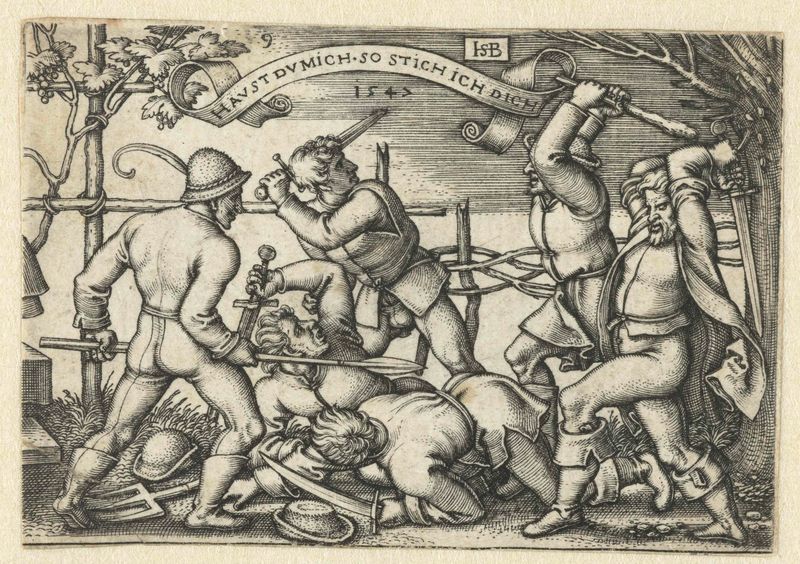
Vechtende boeren met zwaarden
Hans Sebald Beham
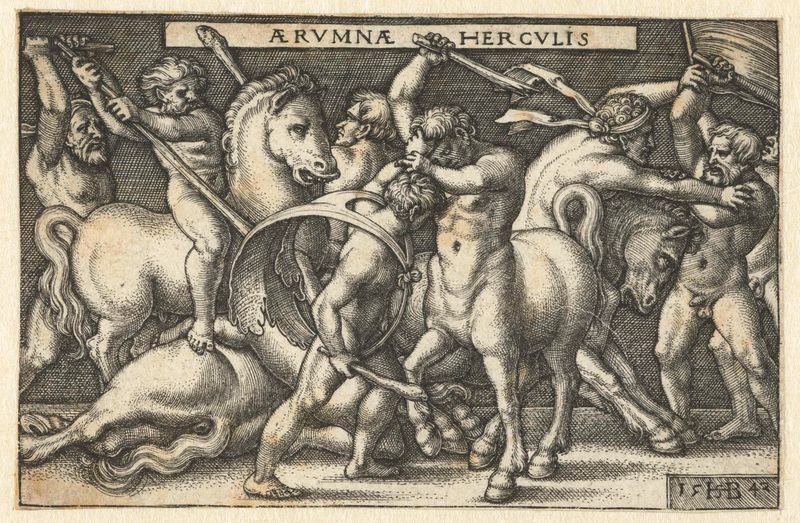
Hercules in gevecht met centaurs
Hans Sebald Beham